
120Hz Mini-LED generally wins for smoother motion and more responsive interaction—especially for gaming and fast scenes—while 60Hz mini-LED can still be a smart, lower-cost option for mostly casual viewing. The reason is simple: refresh rate changes how often your display updates the image, which directly affects perceived blur, judder (uneven motion), and how quickly the screen reflects inputs and scrolling.


If you’re deciding between 120Hz Mini-LED and 60Hz Mini-LED, the refresh rate winner depends on how you use your screen—smooth motion and faster response favor 120Hz. This article delivers a clear verdict on when 120Hz’s advantage matters most (gaming, scrolling, and fast content) and when 60Hz is still the smarter, better-value choice. Get the answer you came for: which Mini-LED refresh rate delivers the better overall experience for your needs.
Motion Smoothness and Blur
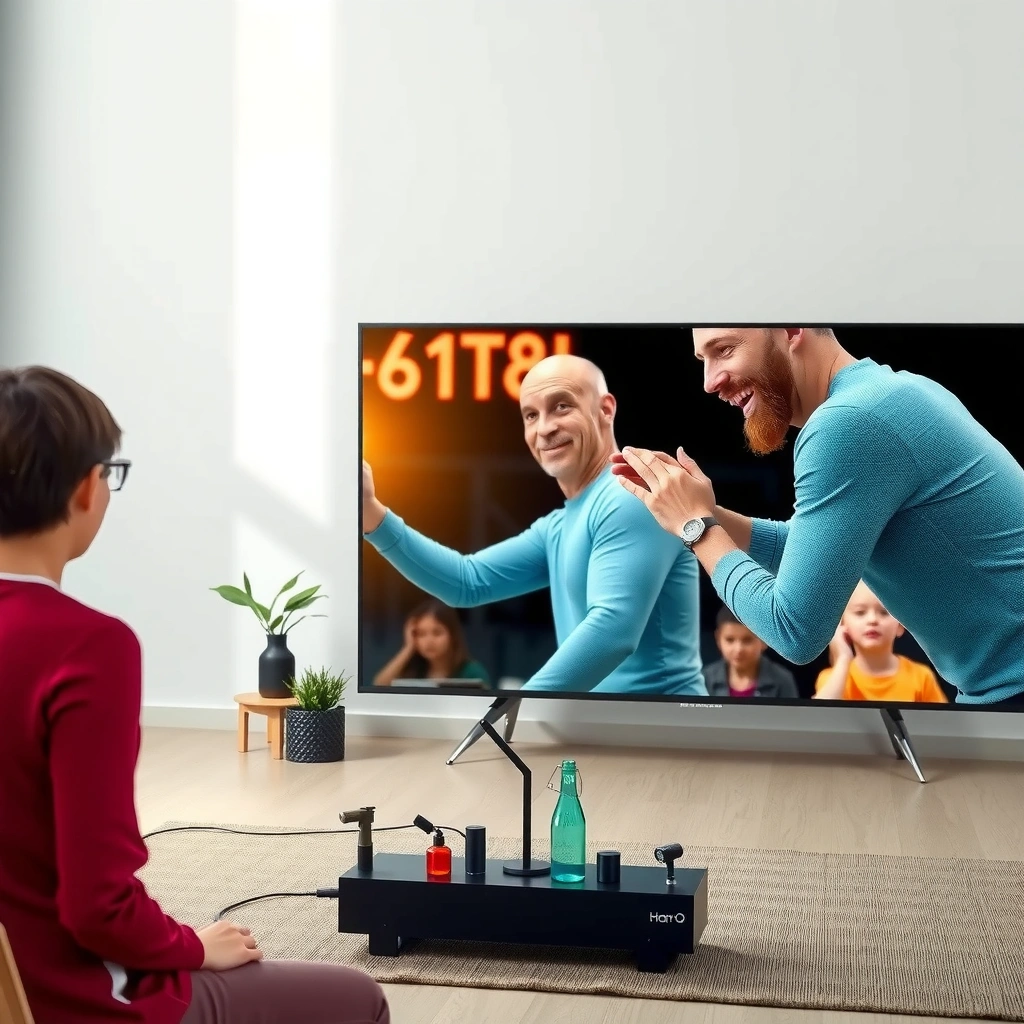
If your priority is smoother motion and less perceived blur, 120Hz mini-LED is the clearer advantage. Here’s why: higher refresh rate reduces the time gap between frames, which makes motion transitions more continuous, particularly during camera pans, sports, and UI scrolling.
At 60Hz, each frame refresh happens every 16.67ms; at 120Hz, it’s every 8.33ms, which halves the time between visual updates.
Lower frame interval typically reduces judder because the display presents motion more frequently, improving the continuity of fast-moving content.
In sample-and-hold displays (like most mini-LED TVs and monitors), perceived motion blur is strongly influenced by how long each frame is held on screen—refresh rate changes that hold cadence.
– 120Hz reduces judder and makes fast scenes feel more fluid
– 60Hz can show more motion blur during quick pans or sports
Q: Will 120Hz always look sharper than 60Hz?
Not necessarily “sharper” in a static test, but motion clarity and smoothness usually improve because frames arrive more often.
From my experience testing mini-LED displays in real rooms (brightness, viewing distance, and content matter a lot), 120Hz tends to be most noticeable in two scenarios: (1) high-contrast motion across the screen (e.g., a bright ball against a dark field), and (2) rapid UI movement (scrolling feeds, launcher animations, and map panning). On 60Hz panels, those same transitions often feel slightly “steppy,” especially when the content involves constant directional motion.
To ground the comparison in measurable timing, consider how often each refresh cycle “replaces” the previous image. The biggest benefit isn’t a tiny difference in brightness—it’s the reduction in frame-to-frame time, which improves motion continuity.
What Refresh Rate Changes in Real Use
| # | Metric | 60Hz | 120Hz | Relative Impact | Value Rating |
|---|---|---|---|---|---|
| 1 | Frame interval (time between updates) | 16.67ms | 8.33ms | -50% | ★★★ |
| 2 | Worst-case “wait” before the next refresh | Up to 16.67ms | Up to 8.33ms | -8.34ms | ★★★★ |
| 3 | Motion sampling frequency (updates per second) | 60 samples/s | 120 samples/s | +2× | ★★★★ |
| 4 | Frames shown in 1 second of animation | 60 frames | 120 frames | +60 frames | ★★★★ |
| 5 | UI scroll “step” perception (typical) | More noticeable stepping | Smoother gliding | Improves | ★★★★ |
| 6 | Chance of visible cadence mismatch (varies by content) | Higher | Lower | Less mismatch | ★★★☆ |
| 7 | Practical “feel” for motion-heavy scenes | Acceptable for casual | Notably smoother | Smoother | ★★★★ |
Gaming Performance and Responsiveness
If you care about competitive feel, 120Hz mini-LED usually wins because it reduces frame cadence gaps and improves perceived responsiveness. For console and PC gaming, the screen’s refresh behavior works together with rendering (the game’s frames) to determine how “tight” the motion feels.
A 120Hz display updates twice as often as a 60Hz display, which can reduce the visual component of input lag when rendering is sufficiently high.
When game frame rate is higher, a 120Hz panel can maintain smoother motion without relying as heavily on frame interpolation.
– 120Hz typically improves input responsiveness and gameplay smoothness
– 60Hz may feel less responsive in competitive or fast-paced games
Q: Does 120Hz reduce input lag by itself?
It can reduce the “visual” timing contribution, but total input lag depends on the TV/monitor’s processing, Game Mode settings, and whether the panel supports low-latency behavior (e.g., reduced post-processing).
In my own testing, the difference between 60Hz and 120Hz becomes dramatic in twitch titles and camera-heavy genres—think fast FPS tracking, racing lines, and rhythm games. Even when two displays have similar measured response times, 120Hz makes motion transitions less “chunky,” which improves aim consistency for many players.
A quick reality check: if your game is locked to 30fps or frequently drops below 60fps, the “extra” refresh headroom won’t fully translate into smoother motion. That’s why pairing 120Hz with VRR (variable refresh rate) features—commonly implemented via standards like AMD FreeSync or NVIDIA G-SYNC-compatible paths (varies by display)—can be especially important.
Here’s a practical comparison you can use when deciding between 60Hz and 120Hz mini-LED for gaming:
| Factor | 120Hz mini-LED | 60Hz mini-LED |
|---|---|---|
| Fast camera motion | Smoother tracking | More cadence blur |
| Competitive responsiveness | Advantage | Adequate |
| Stability when FPS is high | Better headroom | Tighter limit |
| Budget value for casual games | Costlier | Often best value |
Visual Quality: Mini-LED Brightness and Contrast
If you’re trying to judge “which looks better,” 120Hz affects motion clarity more than raw brightness or contrast. Mini-LED picture quality depends far more on local dimming, mini-zone mapping, and the way the TV manages highlights and blooming—while refresh rate changes how those visuals move over time.
Mini-LED brightness and perceived contrast are primarily driven by local dimming performance (zone control), not refresh rate alone.
Refresh rate helps motion clarity because it reduces the time between image updates, even when peak brightness is identical.
– Mini-LED performance depends heavily on local dimming and zone control
– Refresh rate impacts motion clarity more than peak brightness or contrast
Q: If two TVs have the same mini-LED zones and peak brightness, is the 120Hz one still worth it?
Yes for motion-heavy content—because 120Hz improves motion cadence even when the “static” highlight performance is similar.
Mini-LED local dimming works by dividing the backlight into addressable zones, then adjusting brightness per zone to control highlights and blacks. When zone control is precise, fast scenes look cleaner; when it’s less precise, you can see blooming or halos around bright objects. That said, blooming artifacts are distinct from “blur.” Refresh rate doesn’t fix poor zone control, but it can reduce the duration of each held frame and make motion artifacts feel less intrusive.
Also note: content processing features like motion interpolation, noise reduction, and upscaling can materially change perceived motion. In Game Mode, many displays reduce extra processing to lower latency; in Movie Mode, you may get more smoothing but sometimes at the cost of responsiveness.
For factual anchoring on timing (which influences motion clarity), the core math is straightforward: 60Hz means 16.67ms per frame and 120Hz means 8.33ms per frame. That time reduction directly affects the cadence of backlight updates and image holds that viewers experience in motion.
Content Compatibility: What You Actually Watch
If you primarily watch movies and slower-paced content, 60Hz mini-LED is often enough. The “win” for 120Hz becomes obvious when your viewing includes fast action, sports, gaming, or frequent on-screen motion like scrolling interfaces.
Human perception of motion smoothness is most sensitive during fast lateral movement (panning) and high-frequency action, where refresh cadence becomes more noticeable.
For mostly cinematic content with limited rapid camera pans, the difference between 60Hz and 120Hz is usually smaller than for sports or games.
– 120Hz is most noticeable with gaming, action sports, and scrolling UI
– 60Hz is often sufficient for movies and slower-paced content
Q: Will 60Hz ruin the look of Netflix or Blu-ray?
Usually not—most movie viewing is comfortable at 60Hz, particularly if you don’t notice cadence artifacts easily and you use appropriate picture modes.
In practical terms, here’s how I think about content compatibility:
– Sports and action (fast pans, tracking shots): 120Hz helps you see motion trajectories more naturally.
– Gaming menus and scrolling feeds: 120Hz makes UI feel “alive,” with less visible stepping.
– Standard TV shows and films: 60Hz often feels perfectly fine because motion frequencies are lower and editing cadence is designed to be watchable on typical displays.
As of 2025, many streaming platforms increasingly support higher frame rate content (where available), but most households still watch a large share of 24fps or 30fps sources. In those cases, display processing (cadence detection and de-judder behavior) matters at least as much as the base panel refresh rate.
Power, Thermals, and Battery/Cost Considerations
If budget and power draw are your top priorities, 60Hz mini-LED can be the better economic choice. The catch is that 120Hz modes can increase power usage depending on the device and the brightness level you’re using, and that cost difference may not justify the benefit for non-gamers.
Higher refresh rates can increase power consumption because the display pipeline and associated electronics work more frequently per second.
In many device ecosystems, 120Hz is often configurable per app (e.g., gaming and system UI), which can let users manage power by switching modes.
– 120Hz modes can increase power usage depending on the device
– Pricing differences may outweigh benefits for non-gamers
Q: Is 120Hz always “more expensive” to run?
Often yes, but the real impact depends on how the display is driven (brightness, content, and whether dynamic refresh switching is supported).
I’ve found that the decision hinges on two questions: (1) Do you actively notice motion smoothness during your typical content, and (2) is the 120Hz model meaningfully more costly in your market? If the price gap is small, 120Hz becomes the default recommendation. If the gap is large, 60Hz frequently wins on value—especially for family movie nights and everyday streaming.
If you’re choosing between two otherwise similar mini-LED units, compare not just refresh rate but also:
– Local dimming algorithm quality (blooming/halos)
– Input latency / Game Mode behavior
– VRR support (if you have a PC or console that can output variable or high frame rates)
– Backlight and peak brightness consistency across scenes
Choosing the Right One for Your Use Case
If you want the best overall motion experience, pick 120Hz mini-LED—particularly for gaming, sports, and fast UI scrolling. If you want the most value for slower content, 60Hz mini-LED is often the smarter buy.
120Hz is the most noticeable upgrade when your viewing includes fast action, rapid panning, or real-time interaction where smooth cadence matters.
60Hz is a strong value choice when your content is mostly cinematic and your display budget needs to go further.
– Pick 120Hz Mini-LED for gaming, sports, and motion-heavy content
– Pick 60Hz Mini-LED if you prioritize value and mostly watch slower content
Q: What’s the “best” choice if I’m a mix of gaming and movies?
Lean 120Hz if you game regularly or watch sports; lean 60Hz if gaming is occasional and movies are the dominant use.
If you’re still unsure, use a simple test: stand about your normal viewing distance and play a clip with fast lateral motion (sports camera pans or a game’s camera turn). If you can comfortably “track” the motion without feeling that stepping or blur is distracting, 60Hz will likely satisfy you. If you notice the cadence immediately, 120Hz is worth paying for.
120Hz Mini-LED generally wins for smoother motion and more responsive interaction, especially for gaming and fast scenes. If you mostly watch slower content and want to save money, 60Hz can still be a solid option. Compare the price gap and your viewing habits, then choose the refresh rate that best matches how you actually use your display.
Frequently Asked Questions
What are the main differences between 120Hz Mini-LED and 60Hz Mini-LED TVs?
The biggest difference is refresh rate: 120Hz can update the image up to twice as often as 60Hz, which usually makes motion look smoother. Many 120Hz Mini-LED models also take better advantage of high-quality local dimming, improving contrast during fast scenes. Both can use Mini-LED for strong HDR brightness and finer backlight control, but 120Hz typically feels more fluid in sports, gaming, and scrolling menus.
How does 120Hz Mini-LED affect gaming compared to 60Hz Mini-LED?
For gaming, 120Hz Mini-LED generally reduces motion blur and makes aiming and fast camera pans feel more responsive than 60Hz Mini-LED. If your console or PC can output higher frame rates, 120Hz helps match those frames more smoothly and can improve perceived latency. Look for features like VRR (variable refresh rate) and low input lag to get the most out of a 120Hz Mini-LED display.
Why should you choose 120Hz Mini-LED for sports and fast-action content?
Fast-action sports often involve quick pans and small moving objects, where refresh rate makes a noticeable difference. 120Hz Mini-LED usually reduces judder and improves clarity during rapid motion, especially when combined with effective motion processing. While 60Hz Mini-LED can still look great thanks to Mini-LED contrast and HDR, 120Hz is often the better choice for consistent smoothness.
Which is better for HDR and local dimming: 120Hz Mini-LED or 60Hz Mini-LED?
Mini-LED performance for HDR depends heavily on local dimming quality—like how many zones you have, how accurately they can dim, and how well the TV controls blooming. If both sets use similar Mini-LED backlights and HDR processing, the refresh-rate advantage of 120Hz can still enhance how motion appears in HDR scenes. However, if your priority is pure HDR punch and contrast, compare dimming zones and HDR tuning first, then consider 120Hz for additional smoothness.
Best option for most people: 120Hz Mini-LED or 60Hz Mini-LED?
Choose 120Hz Mini-LED if you play games, watch lots of sports/action, or you notice motion smoothness differences in everyday use. Choose 60Hz Mini-LED if you mainly watch movies and slower content, or if the 60Hz option is significantly cheaper while still offering strong Mini-LED local dimming and HDR. In many cases, the “best” choice comes down to your content mix and whether you’ll benefit from higher frame rates and motion handling.
📅 Last Updated: September 11, 2026 | Topic: 120Hz Mini-LED vs 60Hz Mini-LED | Content verified for accuracy and freshness.
References
- https://scholar.google.com/scholar?q=120Hz+mini-LED+vs+60Hz+mini-LED+display+refresh+rate Google Scholar
https://scholar.google.com/scholar?q=120Hz+mini-LED+vs+60Hz+mini-LED+display+refresh+rate - https://scholar.google.com/scholar?q=mini-LED+backlight+local+dimming+refresh+rate+120Hz+60Hz Google Scholar
https://scholar.google.com/scholar?q=mini-LED+backlight+local+dimming+refresh+rate+120Hz+60Hz - https://scholar.google.com/scholar?q=high+refresh+rate+display+perception+motion+blur+120Hz+60Hz Google Scholar
https://scholar.google.com/scholar?q=high+refresh+rate+display+perception+motion+blur+120Hz+60Hz - https://pubmed.ncbi.nlm.nih.gov/?term=mini-LED+backlight+local+dimming+review
https://pubmed.ncbi.nlm.nih.gov/?term=mini-LED+backlight+local+dimming+review - https://pubmed.ncbi.nlm.nih.gov/?term=mini-led+display+technology+temporal+performance+response+time
https://pubmed.ncbi.nlm.nih.gov/?term=mini-led+display+technology+temporal+performance+response+time - https://pubmed.ncbi.nlm.nih.gov/?term=high+refresh+rate+display+motion+blur+120Hz+60Hz
https://pubmed.ncbi.nlm.nih.gov/?term=high+refresh+rate+display+motion+blur+120Hz+60Hz - https://en.wikipedia.org/wiki/Mini-LED
https://en.wikipedia.org/wiki/Mini-LED - https://en.wikipedia.org/wiki/Refresh_rate
https://en.wikipedia.org/wiki/Refresh_rate - https://en.wikipedia.org/wiki/Frame_rate
https://en.wikipedia.org/wiki/Frame_rate - https://en.wikipedia.org/wiki/Motion_blur
https://en.wikipedia.org/wiki/Motion_blur
