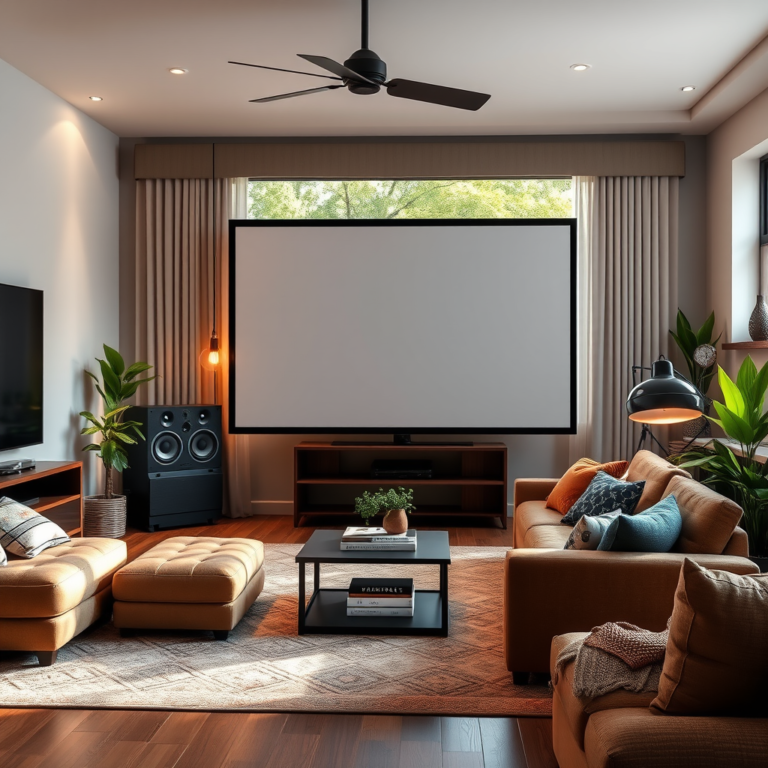

To future-proof your audio system, focus on selecting components that support the latest technologies and offer scalability. This article will guide you through the essential aspects to consider when upgrading, ensuring your audio setup remains relevant for years to come. By understanding your current setup, identifying key features, and planning for future trends, you can create an audio system that not only meets your immediate needs but also adapts to technological advancements.
Understanding Your Current Setup
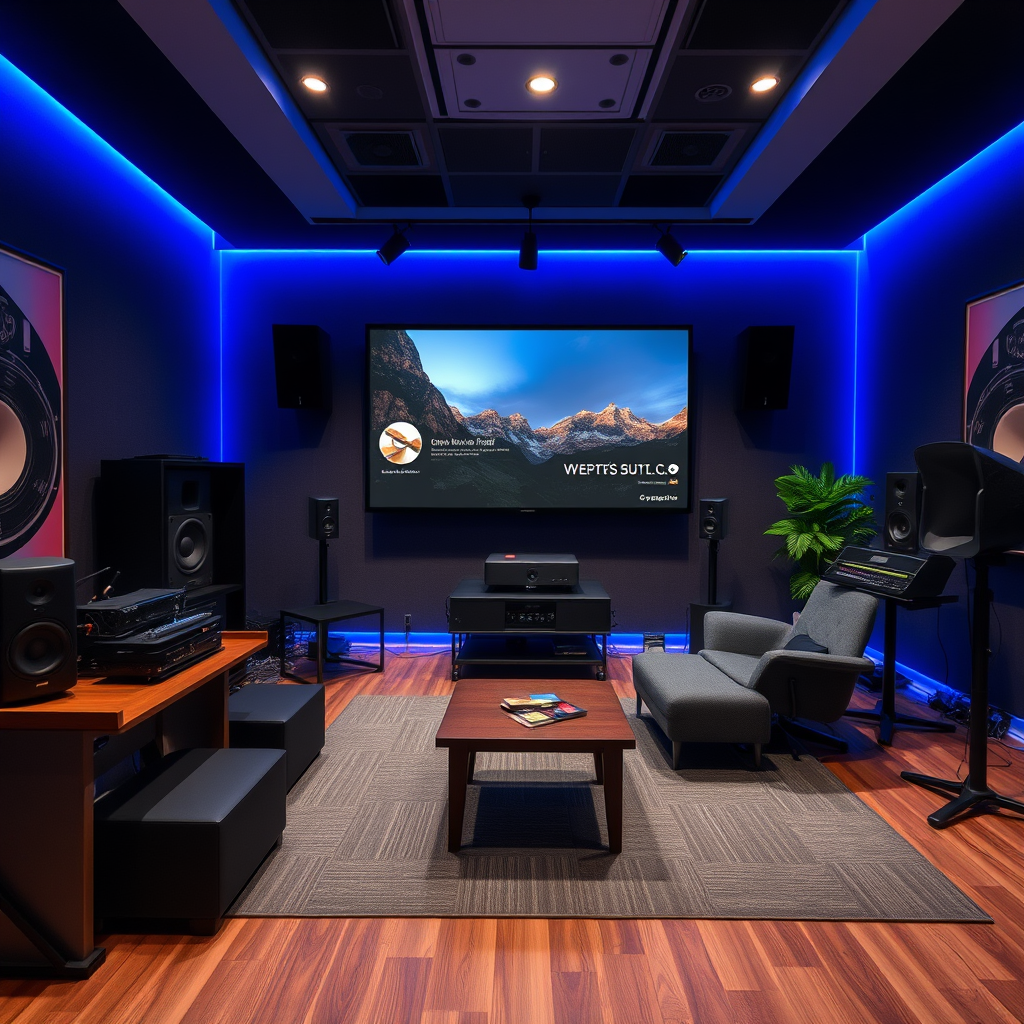
Before embarking on an audio upgrade, it’s crucial to evaluate your current system. Take stock of your existing equipment, including speakers, amplifiers, and sources. Assess each component’s performance based on your listening preferences—do you enjoy bass-heavy music or prefer a more balanced sound? Identify any weaknesses, such as lack of connectivity options, outdated formats, or poor sound quality, and prioritize these areas for enhancement.
For instance, if your speakers are several years old and lack support for modern audio formats like Dolby Atmos, it may be time to consider an upgrade. Understanding the specific strengths and weaknesses of your current setup will help you make informed decisions during your upgrade process.
Key Features to Look For

When upgrading your audio system, focus on features that will enhance sound quality and ensure long-term compatibility. High-resolution audio support is essential; look for components that can handle formats such as FLAC, DSD, or MQA to achieve superior sound quality. Additionally, components with upgradable firmware are invaluable, as they allow you to benefit from software improvements without needing to replace the hardware entirely.
For example, many modern digital-to-analog converters (DACs) come with firmware that can be updated via USB. This ensures your investment remains relevant as new audio formats emerge. Prioritizing these features will elevate your listening experience and protect your investment against obsolescence.
Connectivity Options
Today’s audio systems must be versatile and compatible with a range of devices and technologies. Ensure that your upgraded components are equipped with modern connectivity options, such as Bluetooth and Wi-Fi, to facilitate streaming from various sources, including smartphones and online services. Compatibility with streaming platforms like Tidal, Spotify, and Apple Music is increasingly important, as these services offer high-quality audio streaming.
Additionally, consider future-proofing your system with HDMI ARC (Audio Return Channel) or eARC (enhanced Audio Return Channel) support. These technologies simplify connections between your audio system and television, allowing for higher quality audio transmission and easier control over your devices. As the industry evolves, having the right connectivity options will ensure that your audio system remains integrated with your home entertainment setup.
Top Features to Consider When Upgrading Your Audio System
| # | Feature | Importance Level (1-5) | Future-Proof (Yes/No) |
|---|---|---|---|
| 1 | High-Resolution Audio Support | 5 | Yes |
| 2 | Upgradable Firmware | 4 | Yes |
| 3 | Bluetooth & Wi-Fi Connectivity | 5 | Yes |
| 4 | HDMI ARC/eARC Support | 4 | Yes |
| 5 | Modular Component Design | 3 | Yes |
| 6 | Support for Streaming Services | 5 | Yes |
| 7 | Compatibility with Home Automation | 4 | Yes |
Building a Modular System
A modular audio system allows for incremental upgrades, making it easier to adapt to future technologies without overhauling your entire setup. When selecting components, opt for brands that are known for their modular designs. This might include amplifiers that can be paired with various speaker types or DACs that work seamlessly with multiple sources.
For example, brands like NAD and Cambridge Audio offer modular options that allow users to easily add or replace components as needed. This strategy not only saves money in the long run but also provides flexibility as your audio needs evolve. By investing in a modular system, you can ensure that your audio equipment remains current and continues to deliver top-notch performance.
Budgeting for the Upgrade
Budgeting effectively for your audio system upgrade is essential to maximize your investment. Start by determining your overall budget and prioritize key areas. For instance, if you find that your speakers are the weakest link, allocate more funds toward high-quality speaker upgrades. Alternatively, if you have a good set of speakers but lack a powerful amplifier, focus your budget there.
Don’t overlook financing options or consider purchasing second-hand equipment to stretch your budget further. Many reputable brands offer refurbished products that perform like new but at a lower price point. This approach can yield significant savings while still allowing you to acquire top-tier audio components.
Future Trends in Audio Technology
The audio industry is continuously evolving, with new technologies emerging regularly. Staying informed about upcoming trends, such as spatial audio and object-based sound formats, is vital to future-proofing your system. Spatial audio technologies, like Dolby Atmos, create an immersive listening experience by placing sound in a three-dimensional space rather than a traditional stereo field.
Additionally, keep an eye on advancements in wireless audio protocols and formats that enhance the quality of streaming audio. Follow industry news through trusted sources and forums, which can provide insights into the latest products and technologies. By being proactive, you can ensure that your system is adaptable and ready for future innovations.
Future Trends in Audio Technology (2024)
Installation and Setup Considerations
The installation and setup of your new audio system can significantly impact sound quality. Proper acoustics and speaker placement are crucial for achieving the best performance. Consider factors such as room size, furniture arrangement, and surface materials when positioning your speakers.
For complex systems, hiring a professional installer may be beneficial. An experienced technician can optimize settings, calibrate your system, and ensure that all components work harmoniously together. This investment in installation can enhance your audio experience and help you avoid common pitfalls associated with DIY setups.
Summarizing the essential elements of upgrading your audio system can greatly enhance your listening experience while ensuring longevity. By focusing on key features, connectivity, and budgeting wisely, you can create a robust audio setup that meets both current and future demands. Take the next step by researching products that align with these guidelines and start your upgrade journey today!
Frequently Asked Questions
What key features should I look for when upgrading my audio system for future proofing?
When upgrading your audio system, focus on features such as high-resolution audio support, compatibility with streaming services, and wireless connectivity options like Bluetooth and Wi-Fi. Additionally, consider systems that support the latest audio formats like Dolby Atmos, as this ensures your setup can handle future advancements in audio technology.
How can I determine if my current audio equipment is outdated?
To assess if your current audio equipment is outdated, check for compatibility with modern audio formats and streaming services. If your system lacks features like wireless connectivity or high-resolution audio playback, it may be time to consider an upgrade to ensure optimal performance and access to the latest audio content.
Why is it important to future-proof my audio system?
Future-proofing your audio system is crucial to ensure longevity and adaptability as technology evolves. Investing in equipment that supports emerging standards will enhance your listening experience and save you from costly upgrades in the near future, allowing you to enjoy the best sound quality without frequent replacements.
What are the best brands for future-proof audio systems?
Some of the best brands for future-proof audio systems include Sonos, Bose, and Yamaha. These brands are known for their quality sound, innovative technology, and ongoing firmware updates, which help maintain compatibility with new audio formats and features.
Which audio components should I prioritize when upgrading my system?
When upgrading your audio system, prioritize components such as speakers, amplifiers, and source devices like receivers or streaming devices. Investing in high-quality speakers and a powerful amplifier will significantly improve sound quality, while a modern receiver ensures you have access to the latest features and formats for a truly immersive audio experience.
References
- Sound system
https://en.wikipedia.org/wiki/Audio_system - https://www.nature.com/articles/s41598-020-68084-4
https://www.nature.com/articles/s41598-020-68084-4 - https://pubmed.ncbi.nlm.nih.gov/30837728/
https://pubmed.ncbi.nlm.nih.gov/30837728/ - https://www.sciencedirect.com/topics/engineering/audio-systems
https://www.sciencedirect.com/topics/engineering/audio-systems - https://www.bbc.com/news/technology-57922103
https://www.bbc.com/news/technology-57922103 - https://www.theguardian.com/technology/2021/dec/01/future-proofing-your-home-entertainment-system
https://www.theguardian.com/technology/2021/dec/01/future-proofing-your-home-entertainment-system - https://www.reuters.com/technology/audio-tech-2021-01-15/
https://www.reuters.com/technology/audio-tech-2021-01-15/ - https://www.nytimes.com/wirecutter/blog/home-audio-system/
https://www.nytimes.com/wirecutter/blog/home-audio-system/ - Google Scholar Google Scholar
https://scholar.google.com/scholar?q=Upgrading+Your+Audio+System+for+Future+Proofing - Google Scholar Google Scholar
https://scholar.google.com/scholar?q=Audio+System+Upgrades+Future+Proofing