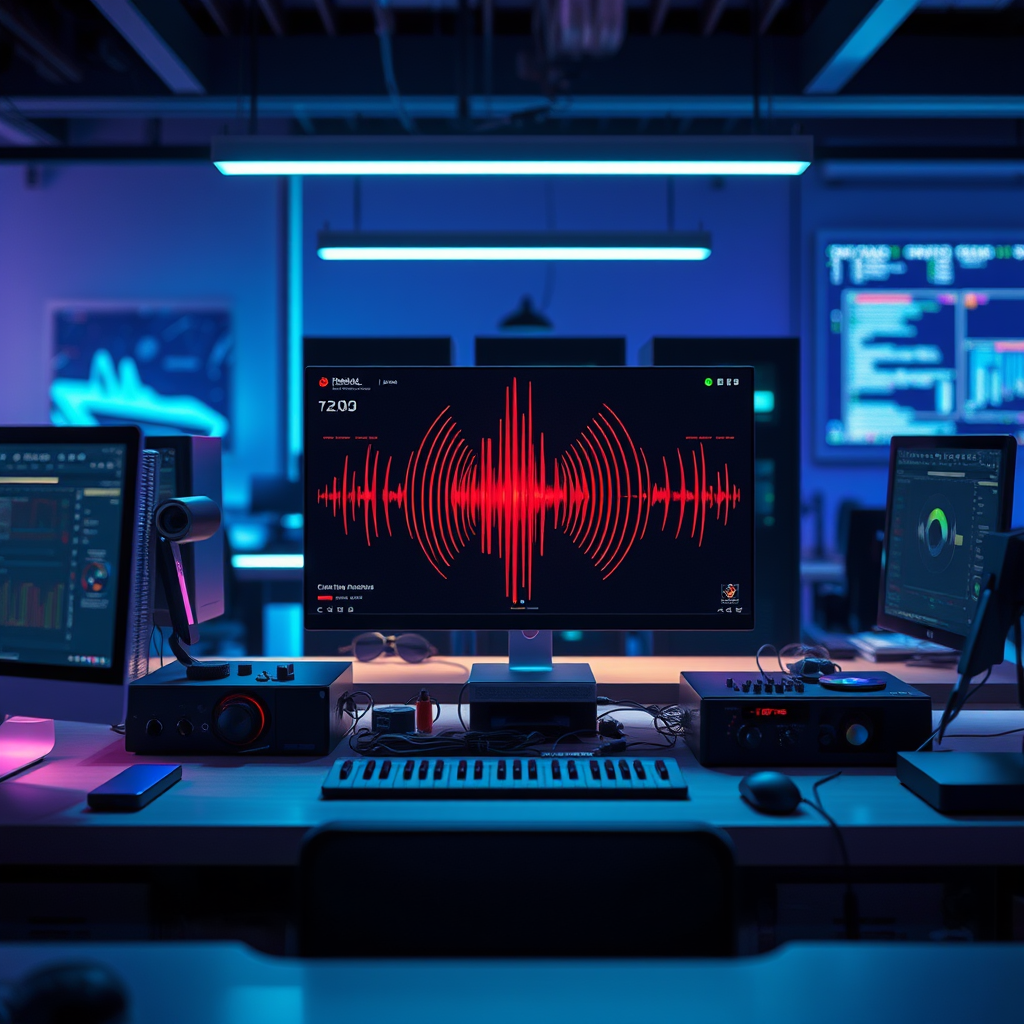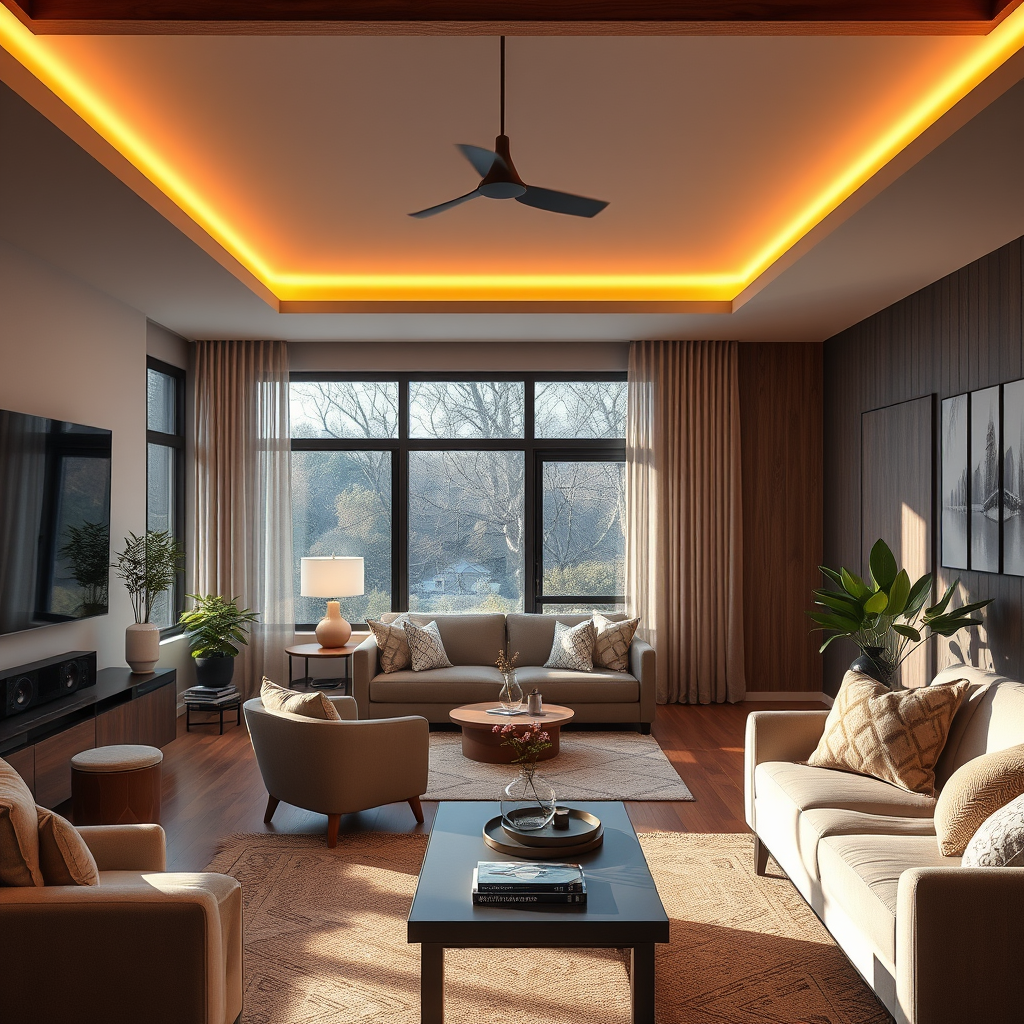
To effectively deal with audio reflection and sound distortion in your home theater, start by optimizing your room’s acoustics and speaker placement. Understanding how sound interacts with your environment is crucial for achieving the best audio experience. In this article, you’ll learn practical strategies and tips to minimize unwanted sound issues and enhance your home theater setup.




Understanding Audio Reflection
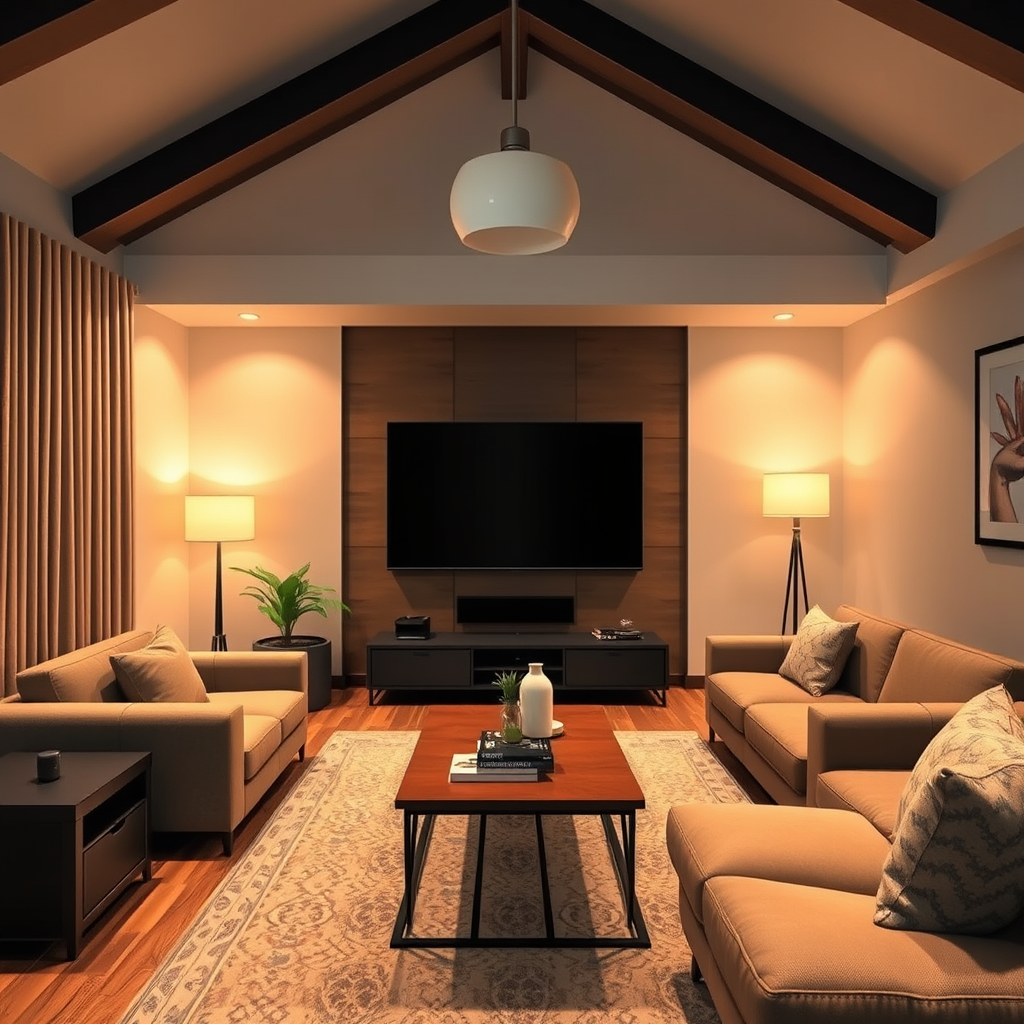
Audio reflection occurs when sound waves bounce off hard surfaces, creating echoes that can muddle the clarity of your audio. In a home theater, this often manifests as a lack of definition in dialogue or music, leading to an unsatisfactory listening experience. Identifying reflective surfaces, such as bare walls, windows, and ceilings, is the first step in addressing this issue.
To mitigate audio reflection, consider softening these surfaces with sound-absorbing materials. For instance, thick curtains can help absorb sound in windows, while upholstered furniture can reduce reflections from hard surfaces. Additionally, strategically placing sound-absorbing panels on walls can significantly improve the acoustics of your space.
The Impact of Sound Distortion
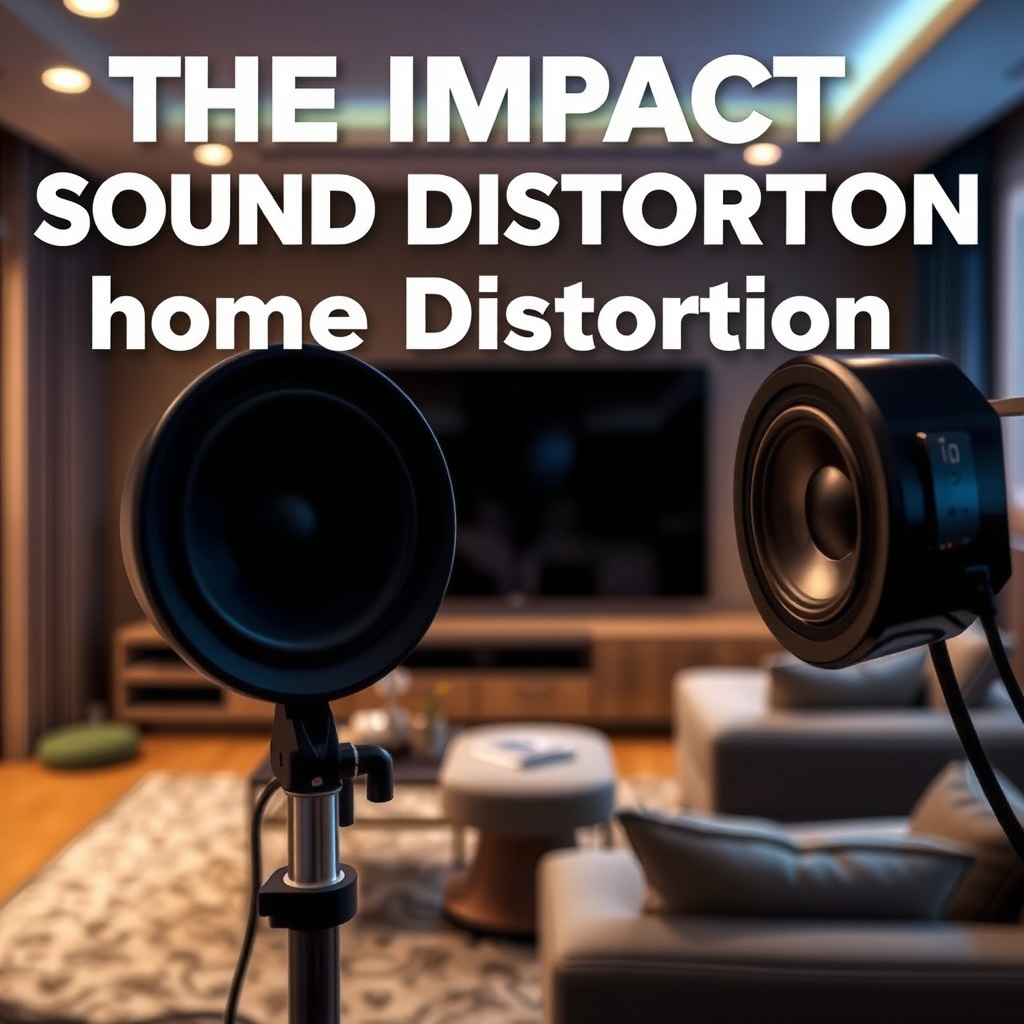
Sound distortion can arise from improper speaker placement and the overall acoustics of your room. It affects audio quality in several ways, including harmonic distortion (which alters the original sound wave) and intermodulation distortion (which occurs when two or more frequencies interact). Understanding these types of distortion is vital for troubleshooting and achieving a clearer audio experience.
The placement of your speakers is crucial; if they are too close to walls or corners, the sound can become boomy and distorted. This can lead to a muddy audio experience where individual sounds are indistinguishable. By addressing the root causes of distortion, you can enhance the audio clarity in your home theater, making for a more enjoyable viewing experience.
Optimizing Speaker Placement
To optimize your speaker placement, follow the rule of thirds. This guideline suggests positioning your speakers and seating in a way that divides the room into three equal sections, ensuring that sound reaches your ears evenly from all directions. Placing the front speakers at ear level when seated and ensuring they are equidistant from the listening position can significantly enhance sound clarity.
Experimenting with different angles and distances is also beneficial. For instance, angling your speakers towards the listening area can improve sound focus, while adjusting their distance from walls can reduce unwanted reflections. Testing various configurations will help you find the “sweet spot” where the audio is most balanced and immersive.
Top 7 Sound Absorbing Materials for Home Theaters
| # | Material | Absorption Coefficient | Best Use Case | Price Range ($) |
|---|---|---|---|---|
| 1 | Acoustic Panels | 0.8 | Wall Treatment | 50-150 |
| 2 | Bass Traps | 0.9 | Corner Treatment | 75-200 |
| 3 | Soundproof Curtains | 0.7 | Window Treatment | 30-100 |
| 4 | Rugs/Carpets | 0.6 | Floor Treatment | 50-300 |
| 5 | Foam Panels | 0.75 | Wall Treatment | 40-120 |
| 6 | Bookshelves | 0.65 | Diffusion | 100-500 |
| 7 | Wall Hangings | 0.55 | Decoration | 20-80 |
Acoustic Treatment Solutions
Incorporating acoustic treatment solutions is essential for minimizing reflections and improving sound quality. Sound-absorbing materials, such as acoustic panels, rugs, and curtains, can significantly reduce the reverberation time in your home theater.
Acoustic panels, for instance, can be strategically placed on walls to absorb sound waves before they bounce back into the room. Bass traps, positioned in corners, can help manage low frequencies that often contribute to distortion. Diffusers can also be used in combination with absorptive materials to scatter sound waves, creating a more balanced audio environment.
Implementing these treatment solutions not only enhances sound quality but also contributes to the overall aesthetic of your home theater, making it a more inviting space for entertainment.
Room Design Considerations
The design of your room plays a significant role in its acoustic properties. Assessing your room’s layout is crucial; irregular shapes may help diffuse sound better than rectangular rooms. For instance, a room with angled walls can reduce standing waves, which often lead to problematic resonances.
Additionally, furniture arrangement can impact sound flow and reflection. Softer furnishings can absorb sound, while hard surfaces can exacerbate reflection issues. Arranging your furniture to create a more open space can also enhance the audio experience, allowing for better sound distribution throughout the room.
Testing and Calibration
Regular testing and calibration of your audio equipment are vital for maintaining optimal sound quality. Using sound measurement apps or specialized tools can help you analyze the sound quality in your space, identifying areas that may require adjustment.
Once you have gathered data about your audio environment, calibrating your audio equipment can significantly enhance performance. Many modern surround sound systems come with built-in calibration tools that automatically adjust settings based on room acoustics, ensuring that you achieve the best possible sound experience.
Common Audio Calibration Tools
Additional Tips for Improvement
To further enhance your home theater experience, consider integrating a soundbar or a surround sound system. These systems often come equipped with advanced audio processing features that can help minimize distortion and improve overall clarity. Surround sound systems, in particular, can create a more immersive audio environment by providing directional sound that enhances the viewing experience.
Regular maintenance of your audio equipment is also key to preventing sound quality degradation over time. Dust and dirt can accumulate in speakers and audio components, leading to diminished performance. Periodic cleaning and checks can keep your system functioning at its best.
In addition, keeping your audio equipment updated with the latest firmware can improve performance and add new features, ensuring you get the most out of your home theater setup.
In summary, effectively addressing audio reflection and sound distortion involves optimizing room acoustics, carefully positioning speakers, and utilizing appropriate acoustic treatment solutions. By understanding the interaction between sound and your environment, you can create a home theater that delivers a superior audio experience. Start implementing these strategies today to enjoy clearer, more immersive sound in your home.
Frequently Asked Questions
What are the main causes of audio reflection and sound distortion in home theaters?
Audio reflection and sound distortion in home theaters are primarily caused by hard surfaces such as walls, floors, and ceilings that create echoes and standing waves. Additionally, improper speaker placement and room dimensions can exacerbate these issues, leading to an uneven sound experience. Understanding these causes is crucial for effective soundproofing and acoustic treatment.
How can I reduce sound distortion in my home theater setup?
To reduce sound distortion in your home theater, consider using acoustic panels, bass traps, and diffusers to absorb and diffuse sound waves. Additionally, adjusting speaker placement and ensuring they are at ear level can help improve clarity. Regularly testing your audio settings and using a sound level meter can also aid in fine-tuning your system.
Why is speaker placement important for minimizing audio reflection?
Speaker placement is critical for minimizing audio reflection because the location of speakers can significantly influence how sound waves interact with the room. Properly positioning speakers away from walls and corners helps reduce unwanted reflections and improves soundstage and clarity. Experimenting with placement can lead to a more immersive listening experience.
What are the best materials to use for soundproofing a home theater?
The best materials for soundproofing a home theater include acoustic foam panels, mass-loaded vinyl, and carpet or rugs to absorb sound. Additionally, using heavy curtains and sealing gaps around windows and doors can further reduce sound leakage. Investing in these materials can greatly enhance sound quality and minimize distortion.
Which room layout is most effective for controlling audio reflection in home theaters?
An effective room layout for controlling audio reflection typically involves a rectangular room with a balanced distribution of furniture and acoustic treatments. Avoiding parallel walls can reduce standing waves, while positioning seating away from walls helps minimize reflections. A well-thought-out layout, combined with strategic acoustic treatments, can greatly improve overall sound quality.
References
- Room acoustics
https://en.wikipedia.org/wiki/Room_acoustics - https://www.nist.gov/news-events/news/2021/10/how-room-acoustics-affect-sound-quality
https://www.nist.gov/news-events/news/2021/10/how-room-acoustics-affect-sound-quality - https://www.ncbi.nlm.nih.gov/pmc/articles/PMC5028563/
https://www.ncbi.nlm.nih.gov/pmc/articles/PMC5028563/ - https://www.acoustics.org/publications-resources/
https://www.acoustics.org/publications-resources/ - https://www.audioholics.com/education/acoustics/understanding-acoustics-in-home-theater
https://www.audioholics.com/education/acoustics/understanding-acoustics-in-home-theater - https://www.bbc.com/future/article/20200220-how-sound-affects-our-emotions
https://www.bbc.com/future/article/20200220-how-sound-affects-our-emotions - Google Scholar Google Scholar
https://scholar.google.com/scholar?q=audio+reflection+in+home+theater - Google Scholar Google Scholar
https://scholar.google.com/scholar?q=sound+distortion+in+home+theater - Google Scholar Google Scholar
https://scholar.google.com/scholar?q=acoustic+treatment+home+theater - Google Scholar Google Scholar
https://scholar.google.com/scholar?q=How+to+Deal+with+Audio+Reflection+and+Sound+Distortion+in+Home+Theater