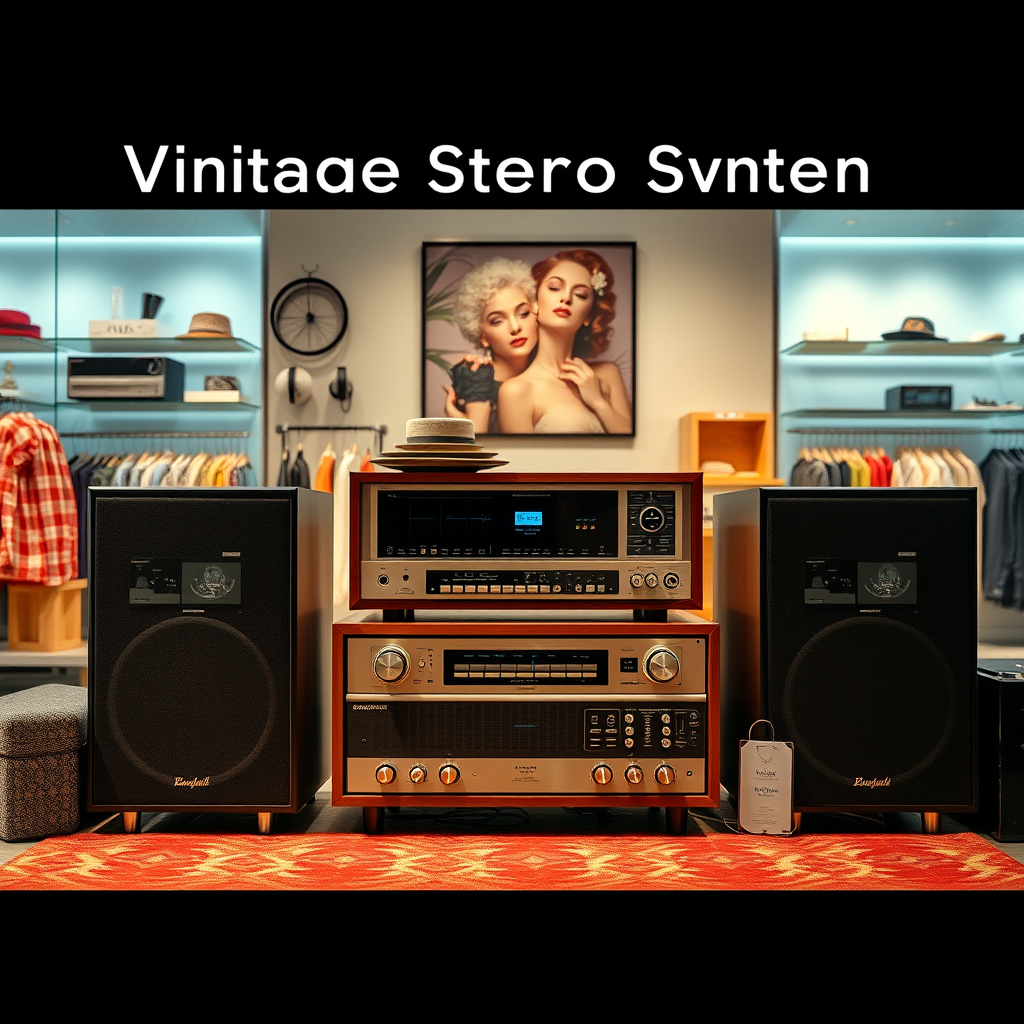
Upgrading your vintage stereo system can truly enhance your listening experience while maintaining the unique character of your beloved gear. By focusing on key upgrades such as speakers, amplification, and digital integration, you can revitalize your classic setup without losing its charm. In this step-by-step guide, we’ll walk you through essential upgrades that will breathe new life into your audio experience.


Assessing Your Current System
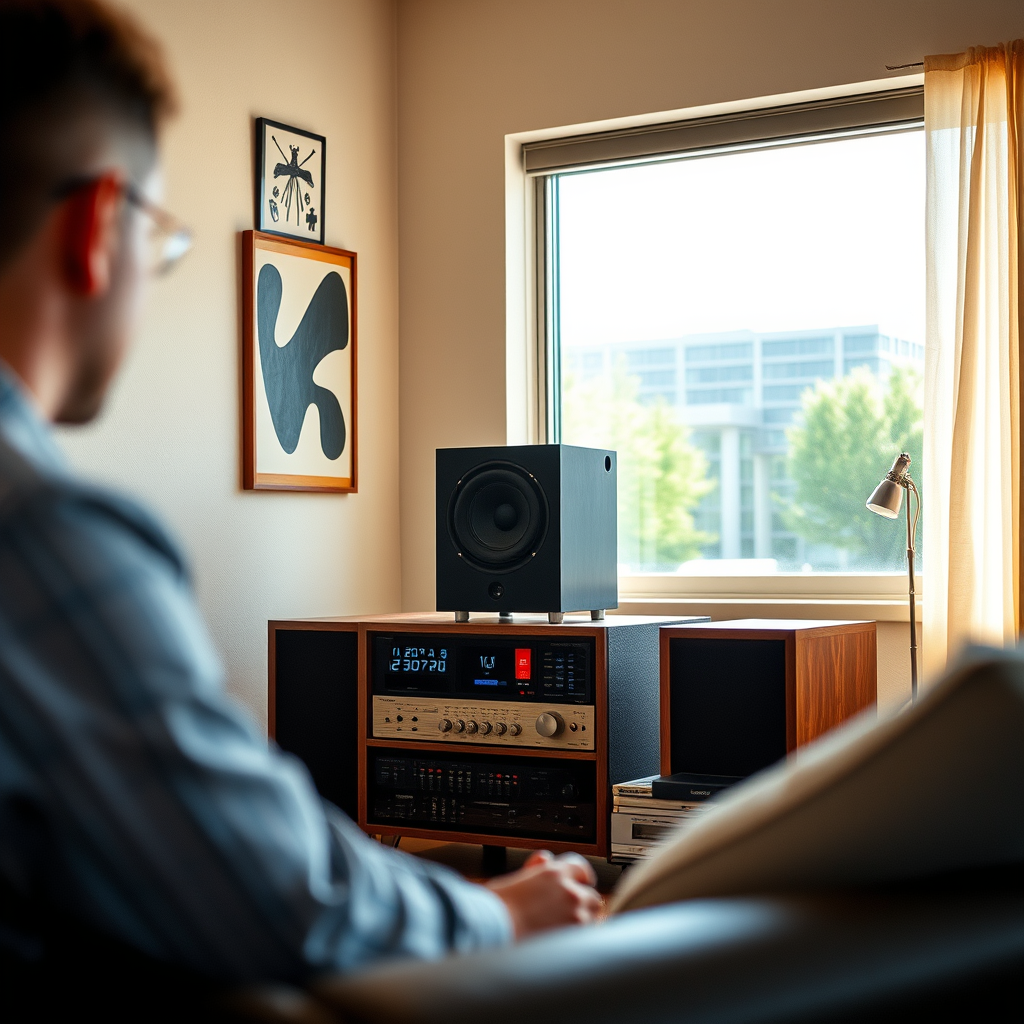
Before diving into upgrades, it’s crucial to evaluate the condition of your existing components. Take a close look at your amplifier, turntable, and speakers. Check for any visible wear and tear, rust, or damage that could affect performance. Listening tests can also be revealing; pay attention to any distortion or loss of clarity in sound.
Worn parts such as capacitors in the amplifier or styluses in the turntable are common culprits of degraded audio quality. If you’re not sure how to assess these components, consider enlisting the help of a local audio technician or a knowledgeable friend who can provide insights. Knowing the state of your equipment will guide you in making informed decisions about what needs to be replaced or repaired.
Choosing New Speakers
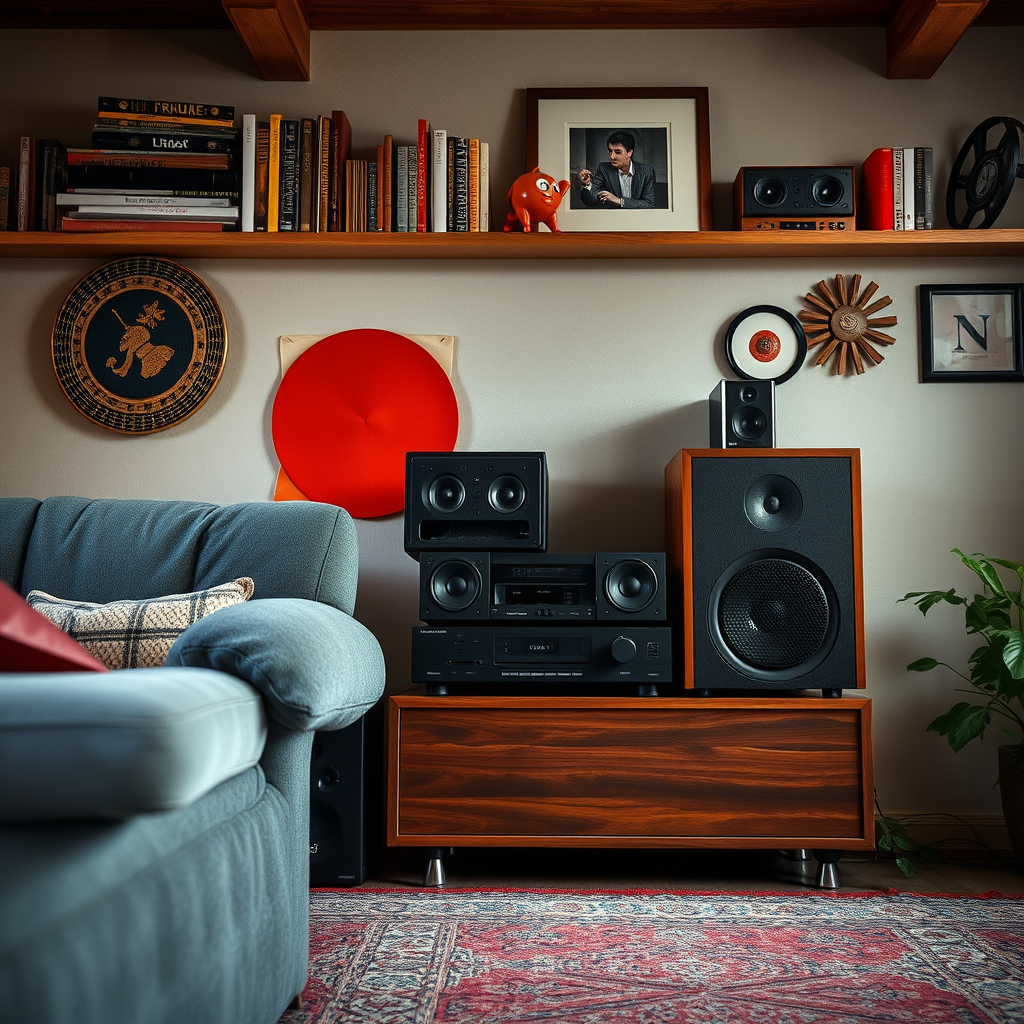
When it comes to upgrading speakers, you have a wealth of options that can improve sound quality while complementing the vintage aesthetic of your setup. Look for speakers that boast high sensitivity ratings, as these will allow you to get the most out of your existing amplifier’s power. Brands like Klipsch and Wharfedale offer models that deliver fantastic audio performance and have a classic look.
Another consideration is speaker size and placement. Vintage systems often pair well with bookshelf speakers that can be neatly placed on stands or shelves, maintaining that retro vibe. If you have the space and budget, consider floor-standing models for a more immersive experience. Be sure to audition speakers in person, if possible, to find the best match for your taste and room acoustics.
Upgrading the Amplifier
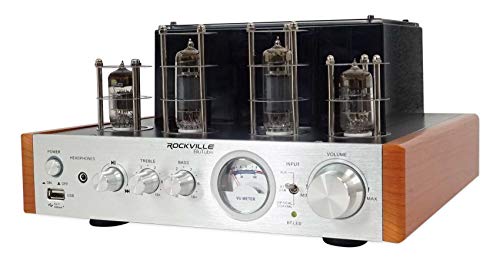
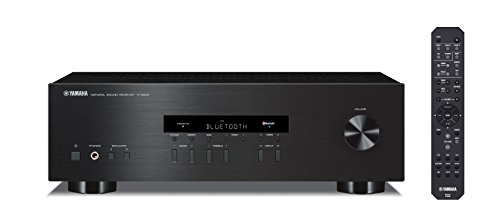
Selecting a new amplifier is crucial, especially if your vintage one struggles to drive modern speakers. Research models that match the power requirements of your newly chosen speakers, paying attention to the wattage and impedance ratings. Brands like Yamaha, Marantz, and Cambridge Audio offer excellent options that deliver quality sound and modern features.
Modern amplifiers often come equipped with features like Bluetooth connectivity, enabling you to stream music from your smartphone or tablet. This functionality can significantly enhance your listening options without sacrificing sound quality. Additionally, look for amplifiers with built-in phono stages if you plan to keep your turntable; these can simplify your setup and often provide better sound than external phono preamps.
Incorporating Digital Sources
In today’s digital age, integrating digital music sources into your vintage audio system is a game changer. Streaming devices like Google Chromecast Audio or Amazon Echo Link can seamlessly connect to your amplifier, bringing your favorite music services right to your classic setup. Additionally, consider investing in a high-quality digital-to-analog converter (DAC) to ensure optimal sound quality from digital sources.
When incorporating these elements, ensure compatibility with your existing system. For instance, if you have a vintage receiver, check if it has auxiliary inputs available. If not, you may need to explore adapters or newer receivers that maintain the vintage look but offer modern connectivity options.
Maintaining Vintage Components
As you upgrade your system, it’s essential to maintain the vintage components to avoid any damage. Regular cleaning can go a long way; use a soft cloth to wipe down surfaces and a specialized cleaner for vinyl and metal parts. Be gentle with knobs and switches, as these can be delicate.
For more intricate servicing, consider having a professional technician examine your vintage components. They can clean internal parts and replace any worn components, ensuring that your system remains in top condition. Regular maintenance not only prolongs the life of your vintage gear but also ensures that it performs at its best during your listening sessions.
Fine-Tuning Your Setup
Once you’ve upgraded your components, it’s time to fine-tune your setup for the best audio experience. Start with speaker placement; experiment with different locations to see how they interact with the room’s acoustics. Typically, positioning speakers at ear level and ensuring they are equidistant from walls can enhance soundstage and clarity.
Additionally, consider using equalizers or sound processors to tailor the audio output to your personal preferences. Many modern amplifiers come with built-in equalization features that allow you to adjust bass, midrange, and treble frequencies. Spend some time listening to various genres of music to find the perfect balance that suits your taste.
Enhancing Aesthetics
One of the joys of owning a vintage stereo system is its aesthetic appeal. To enhance the appearance of your setup, consider upgrading knobs, faceplates, or even investing in custom cabinetry that showcases your equipment. There are numerous retro-style accessories available that can match your vintage vibe while improving usability.
Additionally, think about the overall presentation of your audio space. Vintage record storage solutions or stylish speaker stands can create a cohesive look that pays homage to your system’s history while making your listening area inviting and functional.
Upgrading your vintage stereo system is a rewarding venture that can transform your listening experience while honoring the rich history of your equipment. By following these steps—from evaluating your current setup to fine-tuning and enhancing aesthetics—you’ll modernize your audio gear without sacrificing its unique charm. So, gather your tools, do some research, and start planning your upgrades today! Enjoy the journey and the richer sound experience that awaits you.
Frequently Asked Questions
What are the best components to upgrade in a vintage stereo system?
When upgrading a vintage stereo system, focus on key components such as the turntable, speakers, and receiver. A high-quality turntable can enhance sound clarity and fidelity, while modern speakers often deliver better bass response and overall sound quality. Additionally, upgrading the receiver with a contemporary model can provide features like Bluetooth connectivity and improved amplification, enhancing your listening experience without sacrificing the vintage aesthetic.
How can I maintain the original sound quality while upgrading my vintage stereo?
To maintain the original sound quality of your vintage stereo while upgrading, choose components that complement the existing setup rather than overpower it. For example, select speakers and amplifiers that match the vintage system’s impedance and power handling to ensure compatibility. Additionally, consider using high-quality cables and connectors to minimize signal loss and preserve the audio integrity of your system.
Why should I consider replacing my vintage speakers?
Replacing vintage speakers can significantly enhance sound quality, as older speakers may have deteriorated over time due to wear and tear. Modern speakers are designed with advanced materials and technologies that improve sound reproduction, offering clearer highs and deeper lows. By upgrading to contemporary speakers, you can enjoy a richer and more immersive listening experience while still appreciating the classic look of your vintage stereo system.
Which modern turntables are best for complementing a vintage stereo system?
Some of the best modern turntables for complementing a vintage stereo system include the Audio-Technica AT-LP120XUSB, Pro-Ject Debut Carbon, and Rega Planar 1. These turntables are known for their build quality, sound performance, and user-friendly features, making them ideal for both audiophiles and casual listeners. When selecting a turntable, look for models with adjustable tracking force and a quality cartridge to ensure optimal playback of your vinyl collection.
What steps should I follow to connect new components to my vintage stereo system?
To connect new components to your vintage stereo system, start by identifying the available inputs and outputs on your receiver. Use quality RCA cables for connecting components like turntables and CD players, ensuring a secure connection. If you’re adding wireless capabilities, consider using a Bluetooth receiver that connects via the auxiliary input, allowing you to stream music from your devices effortlessly. Always double-check compatibility and consult the manuals for each component to ensure proper setup.
References
- https://en.wikipedia.org/wiki/Vintage_audio
- https://www.npr.org/sections/allsongs/2020/01/21/798797433/what-is-the-hype-about-vintage-audio
- https://www.audioholics.com/audio-video-reviews/vintage-audio-equipment
- https://www.techhive.com/article/3296653/how-to-restore-vintage-audio-gear.html
- https://www.soundonsound.com/techniques/restoring-vintage-audio-gear
- https://www.wired.com/story/how-to-fix-your-vintage-audio-gear/
- https://www.sonysrd.com/articles/2020/03/06/upgrade-your-vintage-stereo-system
- https://www.analogplanet.com/content/vintage-audio-repair-and-restoration



30 thoughts on “How to Upgrade Your Vintage Stereo System: A Step-by-Step Guide”