
Creating a soundproof environment for your home theater can dramatically improve audio quality and overall viewing experience. With a few clever DIY soundproofing hacks, you can reduce unwanted noise and enhance the clarity of your sound. This article will explore practical tips and techniques to transform your space into an audio haven, making every movie night feel like a cinematic experience.
Assessing Your Space
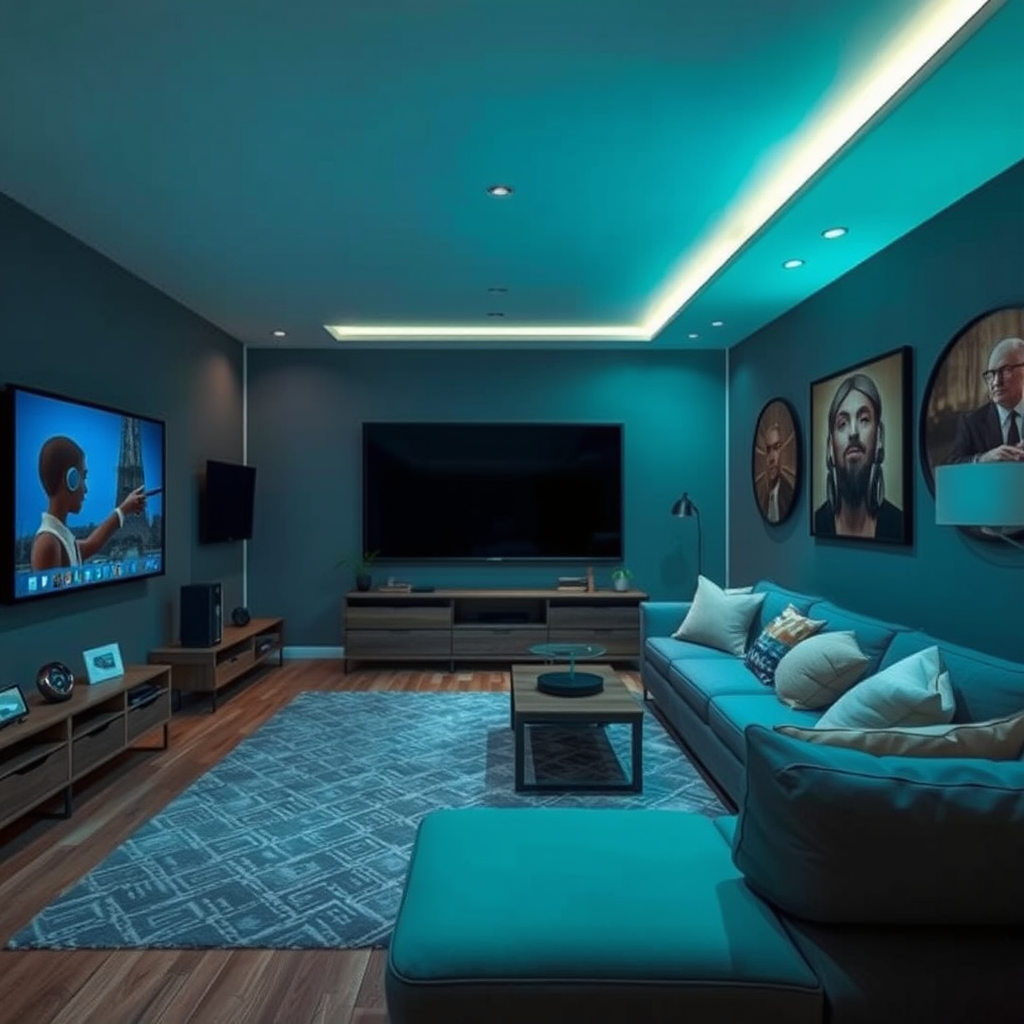
Before diving into soundproofing, it’s crucial to assess your space thoroughly. Start by identifying noise sources—these could be anything from traffic sounds outside, creaky floors, or even appliances running in other parts of your home. Pay close attention to the walls and windows, as they are often the weakest points in terms of sound insulation.
Next, evaluate the existing materials in your home theater. Are your walls made of drywall, or do you have solid concrete? Is your flooring hardwood or carpeted? Understanding what you’re working with can help you determine the level of reinforcement needed. For instance, if you have hardwood floors, you might need to invest more in soft furnishings to absorb sound. This step is essential as it lays the foundation for all the soundproofing hacks you will implement.
Using Soft Furnishings
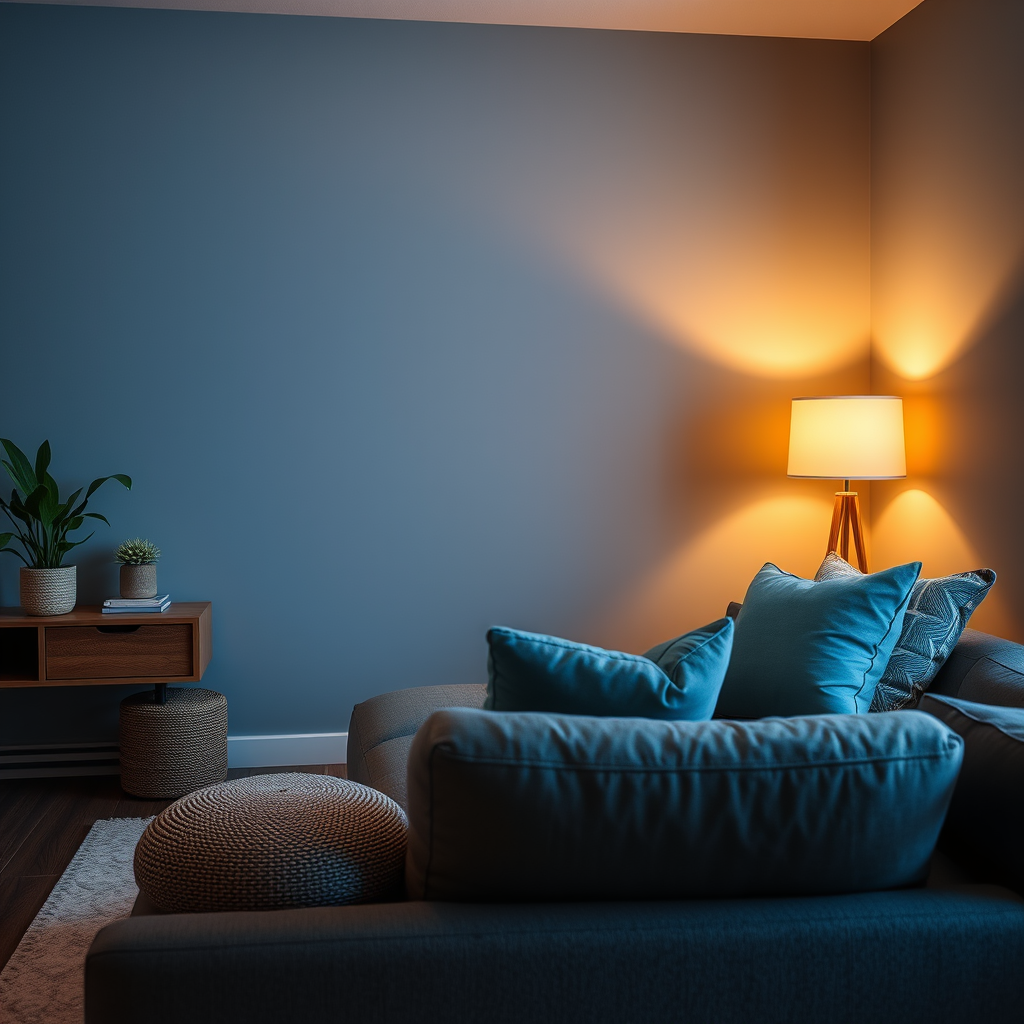
One of the simplest ways to improve sound quality in your home theater is by incorporating soft furnishings. Start by adding rugs and carpets; they are fantastic sound absorbers. A thick, plush rug can significantly minimize echo, making your sound clearer. For optimal results, choose rugs that cover a large area of your floor, especially in the areas where you sit.
In addition to rugs, consider incorporating heavy curtains or drapes. Not only do they block sound from outside, they also help reduce noise reflections within the room. Look for materials like velvet or other thick fabrics, as they are particularly effective at absorbing sound waves. By layering these soft furnishings, you’ll create a cozy environment that enhances your audio experience while also providing a warm aesthetic.
DIY Acoustic Panels
Creating your own acoustic panels is a highly effective way to absorb sound and reduce reverberation in your home theater. You can easily make these panels using affordable materials like foam or fabric-wrapped boards. Simply cut the foam to the desired size and wrap it in fabric that matches your decor. Not only will they help improve sound quality, but they can also serve as stylish wall art!
Placement of these panels is key to their effectiveness. Aim to position them at first reflection points, which are typically where sound waves first bounce off walls. You can find these points by sitting in your primary viewing position and having a friend move a mirror along the wall until you can see the speakers. By strategically placing your homemade panels on the walls and even the ceiling, you’ll greatly enhance your home theater’s acoustics.
Sealing Gaps and Cracks
A common oversight in soundproofing is neglecting to seal gaps and cracks. Sound can easily leak through small openings around windows, doors, and electrical outlets. To combat this, use caulk to fill in any visible gaps. A good quality acoustical caulk can make a significant difference in minimizing sound leakage.
Additionally, consider installing weatherstripping around doors. This simple DIY project creates a tighter seal, reducing the amount of noise that can slip through. Weatherstripping is available in various materials and sizes, so you can choose one that fits your door’s specifications. By ensuring that your space is airtight, you’ll notice a considerable reduction in unwanted noise.
Soundproofing Doors and Windows
The type of doors and windows you have can greatly impact the sound quality in your home theater. Upgrading to solid-core doors is an effective way to improve sound insulation. Unlike hollow-core doors, solid-core options are denser and provide a much better barrier against sound. If replacing doors isn’t feasible, consider adding a soundproofing door sweep to your existing doors.
When it comes to windows, adding window inserts can further reduce noise intrusion. These are acrylic or glass panels that fit inside your existing window frames, creating an additional layer of insulation. Secondary glazing is another option that can significantly reduce outside noise, allowing you to enjoy your movies without distraction.
Utilizing Bookshelves and Decor
Bookshelves can serve a dual purpose in your home theater—they provide storage and act as sound barriers. Fill your bookshelves with books, decorative items, and even plants to help absorb sound. The more items you have, the better they will diffuse sound waves. Positioning a bookshelf against a wall that shares a noise source can be particularly effective.
Additionally, consider the strategic placement of decor. Large furniture pieces, such as couches or armchairs, can also absorb sound. Art pieces can break up sound waves, preventing them from bouncing around the room. By thoughtfully arranging your decor, you can create an aesthetically pleasing environment while enhancing sound quality at the same time.
Testing and Adjusting
Once you’ve implemented your soundproofing hacks, it’s time to conduct sound tests. Play audio at different levels, from low to high, to identify any remaining noise issues. Pay attention to specific spots in the room where sound may still seem off.
After testing, make necessary adjustments. This might involve adding more acoustic panels, rearranging furniture, or even tweaking the placement of your soft furnishings. Soundproofing is often a trial-and-error process, so don’t be discouraged if it takes a few iterations to get it just right. By continuously fine-tuning your strategies, you’ll be able to create the ultimate audio haven in your home theater.
By implementing these DIY soundproofing hacks, you can significantly enhance your home theater audio experience. Use soft furnishings, create acoustic panels, seal gaps, upgrade doors, and strategically place decor to achieve the best sound quality. Start your soundproofing project today and transform your space into an audio haven! Enjoy your favorite movies and shows with clarity and immersion that makes you feel like you’re right in the action.
Frequently Asked Questions
What are the most effective DIY soundproofing materials for a home theater?
Some of the most effective DIY soundproofing materials include acoustic panels, mass-loaded vinyl, and foam insulation. Acoustic panels help absorb sound and minimize echoes, while mass-loaded vinyl adds density to walls or floors, reducing sound transmission. Additionally, using thick carpets or rugs can help dampen sound, making them ideal choices for enhancing your home theater audio experience.
How can I soundproof my home theater on a budget?
To soundproof your home theater on a budget, start by sealing gaps and cracks around windows and doors with weatherstripping or acoustic caulk. Use heavy curtains to block external noise and consider building your own acoustic panels using low-cost materials like plywood and foam. Adding furniture like couches and bookshelves can also absorb sound and minimize reflections, creating a more immersive listening environment without breaking the bank.
Why is soundproofing important for a home theater?
Soundproofing is crucial for a home theater because it enhances audio quality by reducing external noise interference and preventing sound leakage to other parts of the house. This creates a more enjoyable viewing experience with clearer dialogue and richer sound effects. Proper soundproofing also helps maintain a controlled environment, allowing you to fully immerse yourself in your favorite movies and music without distractions.
What are the best soundproofing techniques for walls in a home theater?
The best soundproofing techniques for walls in a home theater include adding mass to the walls with materials like drywall or mass-loaded vinyl and using resilient channels to decouple the drywall from the framing. Additionally, applying acoustic panels or soundproofing paint can further reduce sound transmission. Ensuring that all seams and joints are sealed properly will also enhance the overall effectiveness of your soundproofing efforts.
Which soundproofing hacks are most recommended for reducing bass noise in a home theater?
To effectively reduce bass noise in a home theater, consider using bass traps, which are designed to absorb low-frequency sound waves. Placing these in the corners of the room can significantly improve sound quality. Additionally, decoupling your speakers from the floor using isolation pads can minimize vibrations that travel through the structure, further dampening bass noise and creating a more balanced audio experience.
References
- Soundproofing
- Acoustics.com – the ultimate professional resource and your advantage in design
- https://www.houstonchronicle.com/life/home/amp/DIY-soundproofing-tips-for-your-home-16170280.php
- https://www.soundonsound.com/techniques/how-soundproof-room
- https://www.npr.org/sections/monkeysee/2015/10/08/447146203/soundproofing-your-home-a-quick-guide
- https://www.researchgate.net/publication/329192000_Acoustic_Insulation_Materials_for_Soundproofing_in_Residential_Buildings
- https://www.asa.org/asa/ACM/Results.aspx
