
Setting up an office sound system is crucial for enhancing productivity because it creates an engaging environment that can significantly boost focus and motivation. The right audio setup can transform a mundane workspace into an inspiring atmosphere where creativity flows and collaboration thrives. In this article, we’ll guide you through the steps to create an effective sound system that aligns perfectly with your office needs, helping you to foster a more productive work environment.




Choosing the Right Equipment
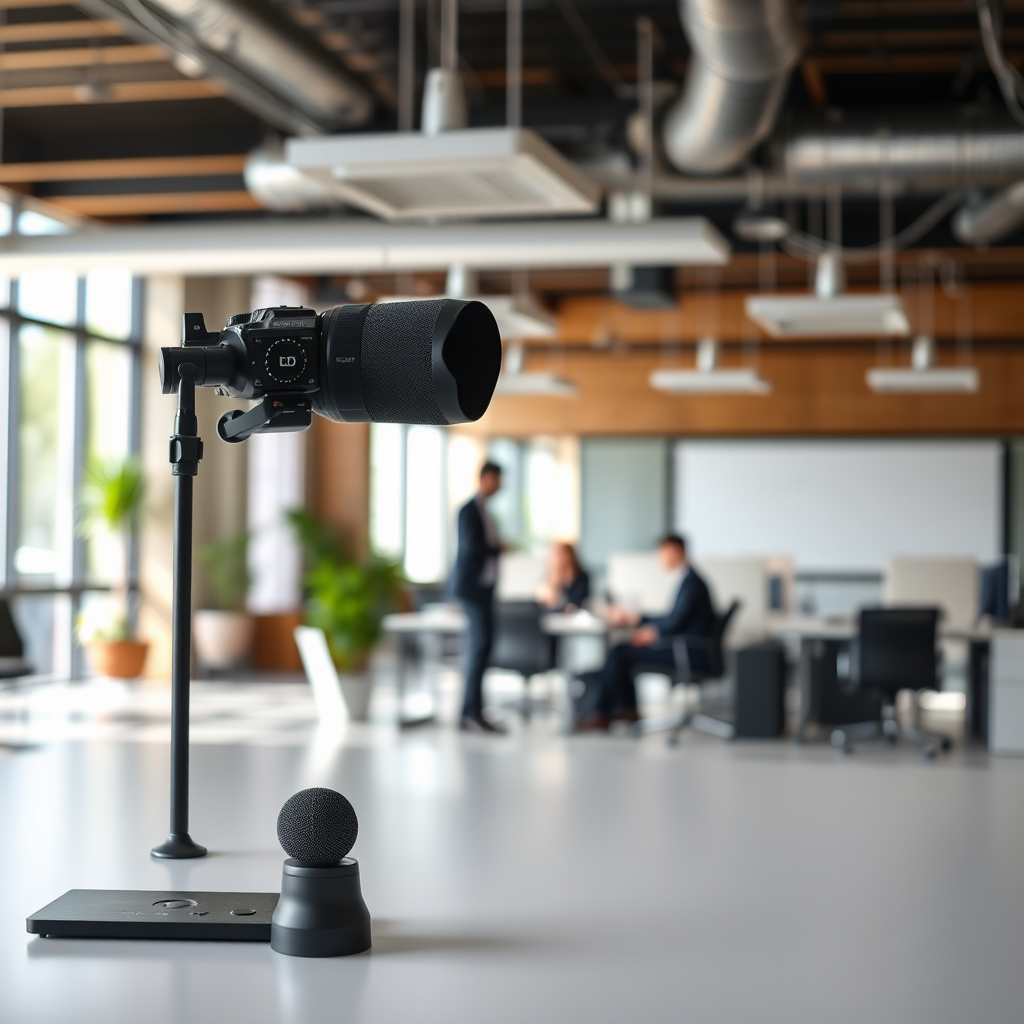
– Assess your budget: Before diving into the world of audio equipment, it’s essential to determine how much you’re willing to invest. Sound systems can range from budget-friendly options to high-end setups, so having a clear budget will help you narrow down your choices. Don’t forget to factor in potential installation costs and any accessories you might need.
– Select quality speakers: The heart of any sound system is its speakers. Look for speakers that deliver clear, balanced sound and are appropriate for the size of your office. For instance, if you’re setting up in a small space, compact Bluetooth speakers might suffice, while larger offices may require floor-standing speakers for optimal sound coverage. Brands like Bose, Sonos, and JBL offer a range of options that cater to different office sizes and budgets.
– Consider multi-functional devices: In today’s tech-savvy world, opting for multi-functional devices can save you money and space. Seek sound systems that can play music, facilitate video conferencing, and connect seamlessly to various devices such as smartphones, tablets, and computers. This versatility is particularly beneficial in hybrid work environments, where different audio needs arise frequently.
Designing the Sound Layout
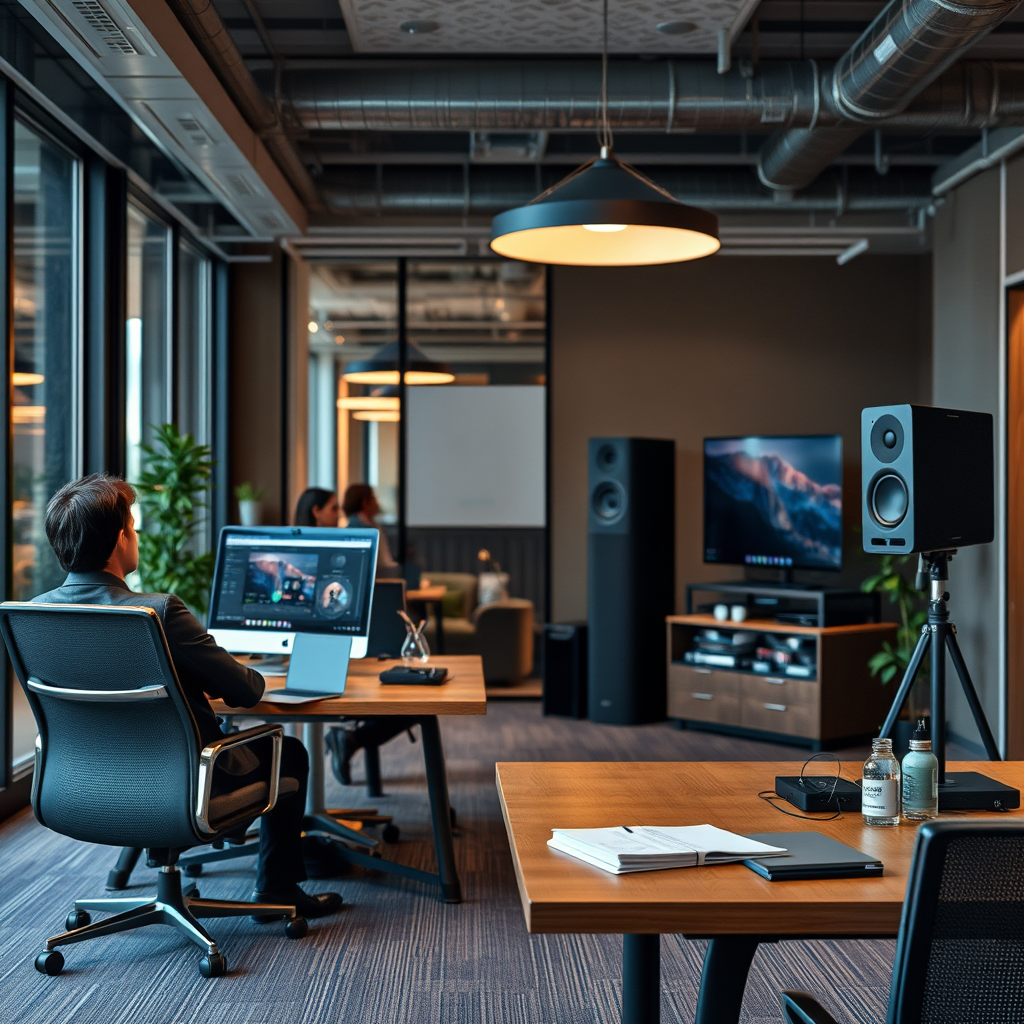
– Positioning speakers: Strategic placement of speakers is key to achieving an even sound distribution throughout your office. Ideally, speakers should be positioned at least a few feet off the ground and angled towards the listening area. Experiment with different placements to identify the sweet spots where sound quality is at its best.
– Create zones: For larger offices, consider dividing the space into sound zones, allowing for tailored audio experiences in different areas. For example, a quiet zone can play soft instrumental music for focused work, while a collaboration zone can have more upbeat tracks to energize brainstorming sessions. This zoning approach helps cater to diverse work styles and preferences.
– Acoustics matters: Don’t underestimate the impact of acoustics on sound quality. Hard surfaces like glass and concrete can create echoes that muddle the clarity of audio. Incorporate soft furnishings like carpets, curtains, and cushions, or invest in acoustic panels to absorb sound and enhance overall audio quality. This can lead to a more pleasant listening experience that encourages productivity.
Selecting the Appropriate Sound Sources
– Streaming services: Choose reliable streaming platforms that offer a diverse range of background music suitable for various tasks. Services like Spotify, Apple Music, and YouTube Music feature curated playlists designed to enhance focus or boost creativity. Look for playlists specifically tailored for work environments, such as “Deep Focus” or “Lo-fi Beats.”
– Personal playlists: Encourage employees to share their playlists, fostering a sense of community and collaboration. This not only creates a diverse sound experience but also allows team members to discover new music they may enjoy. Consider creating a shared playlist that everyone can contribute to, ensuring a mix of genres that cater to various tastes.
– Podcasts and audiobooks: Offering options for non-intrusive audio, such as podcasts and audiobooks, can promote learning and engagement without being overly distracting. Create a library of recommended podcasts that align with your team’s interests or professional development goals. This approach can inspire conversations and foster a culture of continuous learning.
Managing Volume Levels
– Set guidelines: Establishing clear volume guidelines is crucial for maintaining a productive atmosphere. A good rule of thumb is to keep background music at a level that allows for conversation without raising voices. This balance ensures that the sound enhances focus rather than becoming a distraction.
– Use technology: Invest in sound level meters or smart systems that automatically adjust volume based on noise levels. This technology can help maintain an optimal sound environment, ensuring that employees can work comfortably without being overwhelmed by loud sounds.
– Encourage feedback: Regularly check in with employees to gather feedback about the sound environment. This could be through informal chats or structured surveys. Understanding their preferences can help you fine-tune the audio setup, creating an environment where everyone feels they can thrive.
Integrating with Workflows
– Schedule audio sessions: Implement specific times for background music or soundscapes to enhance focus during work hours. For example, you might designate certain hours for instrumental music to help with deep work, while leaving the afternoons open for more lively tunes to boost energy.
– Use sound for breaks: Create playlists specifically for relaxation or brainstorming sessions. Incorporating calming sounds or nature playlists during breaks can help refresh team energy. Consider scheduling short breaks where employees can step away from their desks and enjoy uplifting music together, fostering team bonding.
– Promote collaboration: Utilize sound systems for team meetings and collaborative activities. A well-placed audio setup can facilitate clear communication during video calls, making it easier for remote employees to feel included. This approach promotes a sense of unity and ensures everyone can contribute to discussions seamlessly.
Maintenance and Upgrades
– Regular checks: Schedule routine maintenance to ensure all equipment is functioning properly. Dust and debris can accumulate, affecting sound quality. Regularly check connections, clean speakers, and update software to keep everything running smoothly.
– Stay updated: Keep an eye on new sound technologies or services that can enhance your system. Audio technology is constantly evolving, and discovering new features or equipment can elevate your office sound experience. Consider attending tech expos or subscribing to tech blogs to stay informed.
– Solicit employee input: Continually engage your team for feedback on the sound system to make informed upgrades. This not only ensures that the system meets their needs but also makes employees feel valued and involved in the decision-making process.
Summarizing the steps for setting up an office sound system highlights the importance of choosing the right equipment, designing an effective layout, and managing sound for productivity. By investing in a thoughtful audio environment, you can significantly enhance your team’s focus and motivation. Take action today by evaluating your current setup and considering these strategies for improvement, and watch as your office transforms into a vibrant hub of creativity and productivity.
Frequently Asked Questions
What are the key components needed to set up an office sound system for productivity?
To set up an effective office sound system, you’ll need several key components: quality speakers or soundbars, an audio source (like a computer or smartphone), an amplifier for enhanced sound, and possibly a mixing console if you plan on incorporating multiple audio inputs. Additionally, consider investing in a soundproofing solution to minimize distractions and enhance audio quality, ensuring a more productive work environment.
How can I choose the right speakers for my office sound system?
When selecting speakers for your office sound system, consider the size of your workspace and the desired sound quality. Bookshelf or floor-standing speakers are great for larger spaces, while compact desktop speakers may suffice for smaller areas. Look for speakers with good frequency response and clarity, and ensure they are compatible with your audio source for seamless integration.
Why is sound quality important for productivity in the workplace?
Sound quality plays a crucial role in workplace productivity as it can significantly affect concentration and overall mood. High-quality audio can enhance focus by minimizing distracting background noise and providing clear sound for music or communication. Conversely, poor sound quality can lead to frustration and decreased productivity, making it essential to invest in a sound system that meets your office’s needs.
What type of audio content is best for enhancing productivity in an office sound system?
The best audio content for enhancing productivity varies by individual preferences, but instrumental music, ambient sounds, or white noise are often ideal choices. Studies show that these types of audio can improve focus and reduce distractions, creating a conducive work environment. Additionally, some employees may benefit from curated playlists designed specifically for concentration and creativity.
Which sound system features should I prioritize for a collaborative office environment?
In a collaborative office environment, prioritize features like Bluetooth connectivity for easy pairing with multiple devices, multi-room audio capabilities for seamless sound distribution, and voice control for hands-free operation. Additionally, consider systems that allow for easy integration with conferencing tools, ensuring that team meetings are productive and audio quality is optimized for all participants.
References
- https://www.wired.com/story/how-to-create-the-perfect-office-sound-environment/
- https://www.npr.org/2020/06/12/876743473/how-music-can-help-you-work-better
- https://www.psychologytoday.com/us/blog/the-science-well-being/201806/how-music-affects-your-productivity
- https://www.npr.org/sections/health-shots/2018/05/03/608249547/what-you-need-to-know-about-sound-in-the-workplace
- https://www.hbr.org/2020/05/how-to-use-sound-to-boost-productivity
- https://www.sciencedirect.com/science/article/pii/S0001691817302503
- https://www.ncbi.nlm.nih.gov/pmc/articles/PMC6241452/