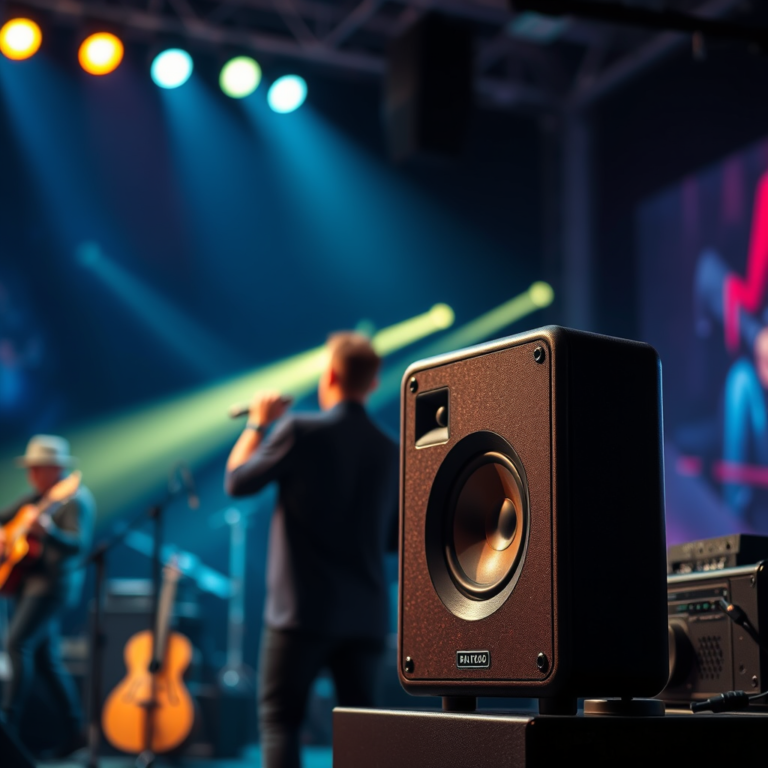

Hi-res audio significantly enhances your listening experience by delivering superior sound quality and detail compared to standard audio formats. By embracing hi-res audio technology, you can elevate your music, movies, and gaming experiences, immersing yourself in an auditory landscape that is both rich and detailed. In this article, you’ll discover how hi-res audio can transform your home audio system, making your entertainment more enjoyable and engaging.
Understanding Hi-Res Audio
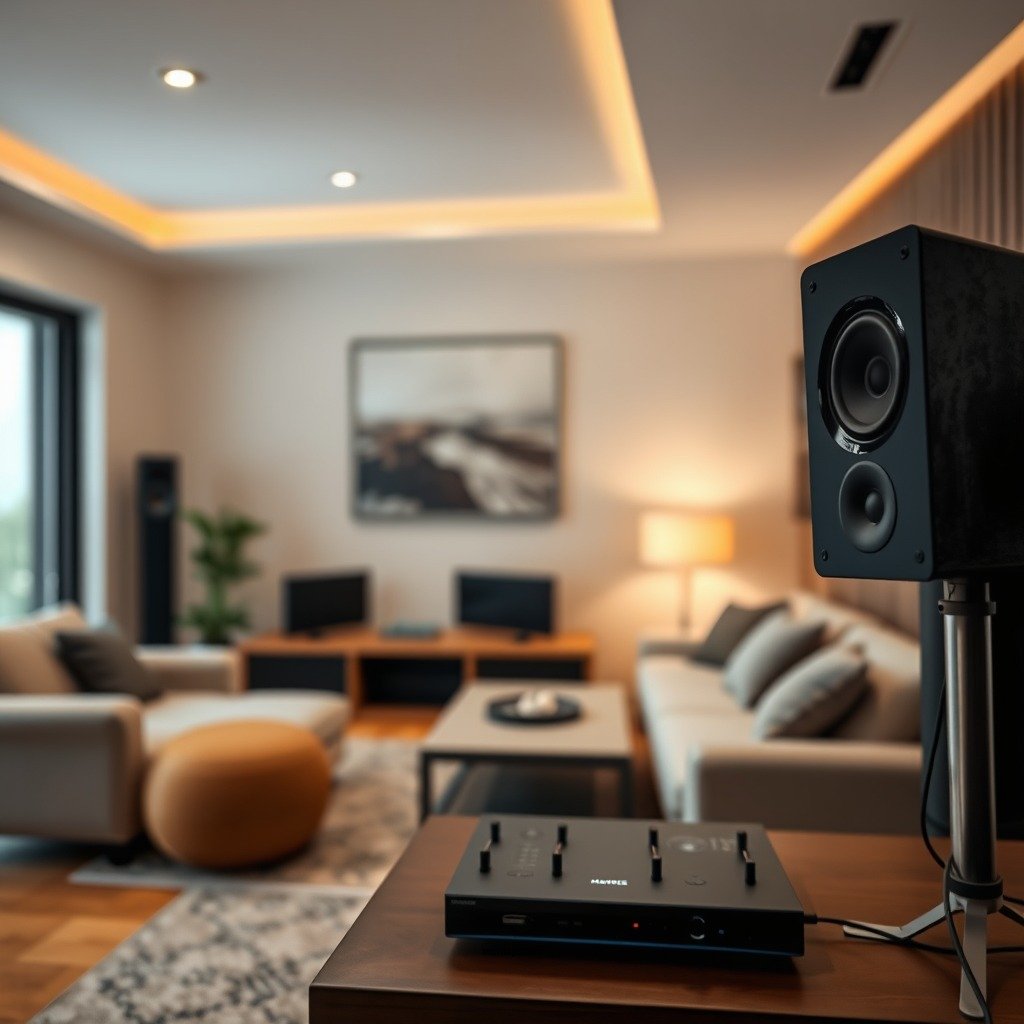
Hi-res audio refers to audio files that have a higher resolution than the standard CD audio (16-bit/44.1kHz). Typically, hi-res audio formats include 24-bit/96kHz or even 24-bit/192kHz, which allows for greater detail and dynamic range. This increased fidelity captures nuances that standard audio formats may not reproduce, providing listeners with a fuller, richer sound experience.
The major hi-res audio formats include FLAC (Free Lossless Audio Codec), which compresses audio without losing quality; DSD (Direct Stream Digital), often used in SACDs (Super Audio CDs); and MQA (Master Quality Authenticated), which is designed for streaming high-resolution audio. Each format offers unique advantages, catering to different preferences and listening scenarios.
Enhanced Sound Quality
One of the most significant benefits of hi-res audio is the enhanced sound quality it provides. Hi-res audio delivers a depth and clarity that is often lacking in standard formats. The increased sample rate and bit depth allow for a greater dynamic range, meaning that both the quietest and loudest sounds in a recording can be captured with accuracy.
When comparing hi-res audio to standard formats (like MP3 or CD audio), the difference in dynamic range is remarkable. Standard audio often suffers from compression, which can lead to a flattened soundstage. In contrast, hi-res audio maintains the integrity of the original recording, allowing the listener to experience the music as intended by the artist.
Improved Listening Experience
Hi-res audio creates a more immersive experience across various genres of music. Classical music, for example, benefits immensely from the detailed instrumentation and wider soundstage that hi-res formats offer. Similarly, jazz enthusiasts can appreciate the subtleties of each instrument, fostering a deeper emotional connection to the performance.
High-fidelity equipment plays a crucial role in achieving the best sound quality from hi-res audio files. Investing in quality speakers, amplifiers, and DACs (Digital-to-Analog Converters) can significantly enhance your listening experience. Many audiophiles recommend components that are specifically designed to handle high-resolution audio playback, ensuring that every detail is captured and reproduced accurately.
Top 7 Hi-Res Audio Formats (2024)
| # | Format | Bit Depth | Sample Rate | Best For |
|---|---|---|---|---|
| 1 | FLAC | 24-bit | 96 kHz | General Listening |
| 2 | DSD | 1-bit | 2.8 MHz | Classical & Jazz |
| 3 | MQA | 24-bit | 192 kHz | Streaming |
| 4 | ALAC | 24-bit | 96 kHz | Apple Ecosystem |
| 5 | WAV | 16-bit | 44.1 kHz | Basic Sound |
| 6 | AIFF | 24-bit | 192 kHz | High-Fidelity |
| 7 | PCM | 24-bit | 48 kHz | Versatile Use |
Compatibility with Modern Devices
As the demand for high-resolution audio increases, many modern devices have incorporated support for hi-res audio playback. Smartphones from leading manufacturers, high-end laptops, and dedicated DACs are now equipped to handle hi-res audio files, making it easier than ever for consumers to enjoy superior sound quality.
To upgrade your current audio system to support hi-res formats, consider investing in a quality DAC that can decode hi-res files. Additionally, ensuring that your streaming services and music libraries offer hi-res options is crucial. Platforms like Tidal, Qobuz, and Amazon Music HD provide extensive libraries of high-resolution tracks, enabling you to take full advantage of your upgraded audio system.
Greater Musical Detail
Hi-res audio captures subtle nuances in recordings, revealing layers of sound that standard formats might obscure. For instance, in orchestral music, you can hear each instrument’s timbre more distinctly, allowing for a fuller appreciation of the composition. Vocals come alive with clarity, making it easier to discern intricate harmonies and emotional expressions.
Genres such as classical, jazz, and acoustic music benefit the most from high-resolution audio. The dynamic range and detail preserved in these genres can transform a simple listening session into a truly immersive experience, enabling you to feel as if you are present during the performance.
Future of Home Audio Systems
The future of home audio systems is bright, with trends indicating a growing acceptance and integration of hi-res audio technology. As more consumers become aware of the benefits of high-resolution sound, manufacturers are likely to invest in creating better products that cater to this demand. Wireless technology, including Bluetooth and Wi-Fi, is also evolving, making it easier to stream hi-res audio without compromising quality.
Predictions suggest that as technology continues to advance, hi-res audio will become the standard rather than the exception. With improved streaming capabilities and an expanding library of hi-res music, the audio industry is poised for a significant transformation, leading to richer and more engaging listening experiences for all.
Hi-res audio offers a remarkable upgrade for music lovers and home entertainment enthusiasts. By embracing this technology, you can enjoy an unparalleled auditory experience that brings your favorite content to life. If you’re ready to elevate your audio journey, consider investing in hi-res audio equipment and exploring the vast library of high-resolution music available today.
Frequently Asked Questions
What are the main benefits of using hi-res audio in home audio systems?
Hi-res audio offers superior sound quality compared to standard resolution formats, providing a more immersive listening experience. With a broader frequency range and greater detail in the music, listeners can enjoy nuances that are often lost in compressed formats. This clarity can enhance the enjoyment of various genres, making it ideal for audiophiles and casual listeners alike.
How can I set up a hi-res audio system at home?
To set up a hi-res audio system, start by ensuring you have compatible hardware, such as a hi-res digital-to-analog converter (DAC) and speakers or headphones that support high-resolution formats. Additionally, choose a reliable source for your music, such as a streaming service that offers hi-res audio or high-quality digital files. Finally, connect all components using quality cables to maintain audio integrity.
Why should I invest in hi-res audio instead of standard audio formats?
Investing in hi-res audio allows you to experience music as the artist intended, with richer tones and greater detail. Standard audio formats often compress sound, which can diminish quality and eliminate subtle elements. If you value high fidelity and wish to elevate your home listening experience, hi-res audio is a worthwhile investment.
Which devices are best for playing hi-res audio?
The best devices for playing hi-res audio include high-end digital audio players, specialized hi-res DACs, and modern computers with audio interfaces that support high-resolution files. Many smartphones also now support hi-res audio playback, especially when paired with quality headphones. Look for devices that can decode formats like FLAC, DSD, or ALAC for optimal performance.
What types of music benefit the most from hi-res audio formats?
Genres such as classical, jazz, and acoustic music greatly benefit from hi-res audio formats due to their complex arrangements and dynamic range. These styles often contain intricate details and subtle variations that hi-res audio can convey more effectively than standard formats. However, any genre can benefit from improved fidelity, making hi-res audio a versatile choice for all music lovers.
References
- https://en.wikipedia.org/wiki/High-resolution_audio
https://en.wikipedia.org/wiki/High-resolution_audio - https://pubmed.ncbi.nlm.nih.gov/31040651/
https://pubmed.ncbi.nlm.nih.gov/31040651/ - https://www.sciencedirect.com/science/article/pii/S235197891830019X
https://www.sciencedirect.com/science/article/pii/S235197891830019X - https://www.nature.com/articles/s41598-020-71460-1
https://www.nature.com/articles/s41598-020-71460-1 - https://www.bbc.com/news/technology-44497841
https://www.bbc.com/news/technology-44497841 - https://www.theguardian.com/music/2021/jun/22/the-case-for-hi-res-audio
https://www.theguardian.com/music/2021/jun/22/the-case-for-hi-res-audio - https://www.nytimes.com/2020/03/02/technology/hi-res-audio.html
https://www.nytimes.com/2020/03/02/technology/hi-res-audio.html - https://scholar.google.com/scholar?q=Benefits+of+Hi-Res+Audio+in+Home+Audio+Systems Google Scholar
https://scholar.google.com/scholar?q=Benefits+of+Hi-Res+Audio+in+Home+Audio+Systems - Google Scholar Google Scholar
https://scholar.google.com/scholar?q=High-resolution+audio+quality+benefits - https://scholar.google.com/scholar?q=Hi-Res+Audio+research+benefits+home+systems Google Scholar
https://scholar.google.com/scholar?q=Hi-Res+Audio+research+benefits+home+systems