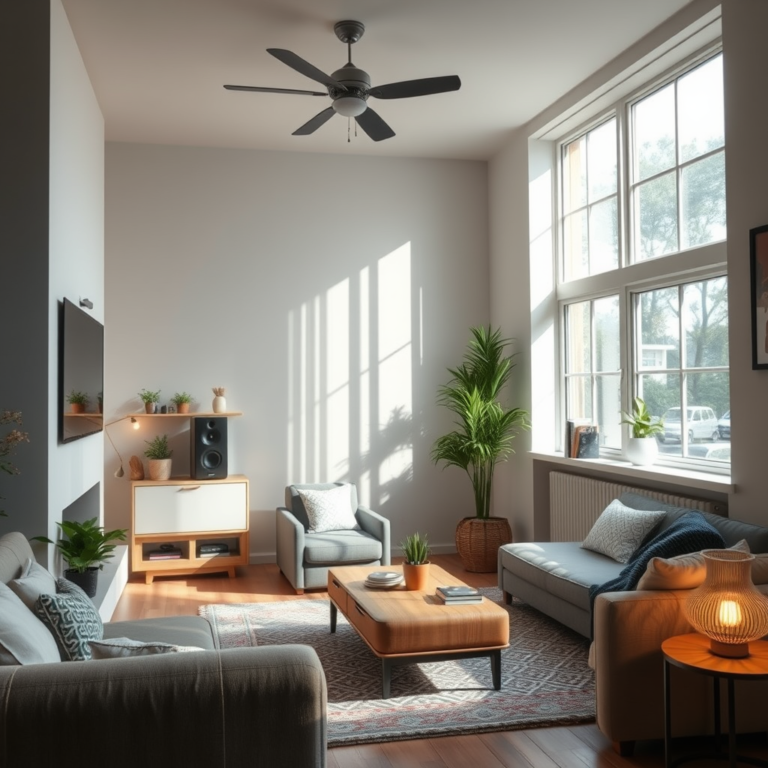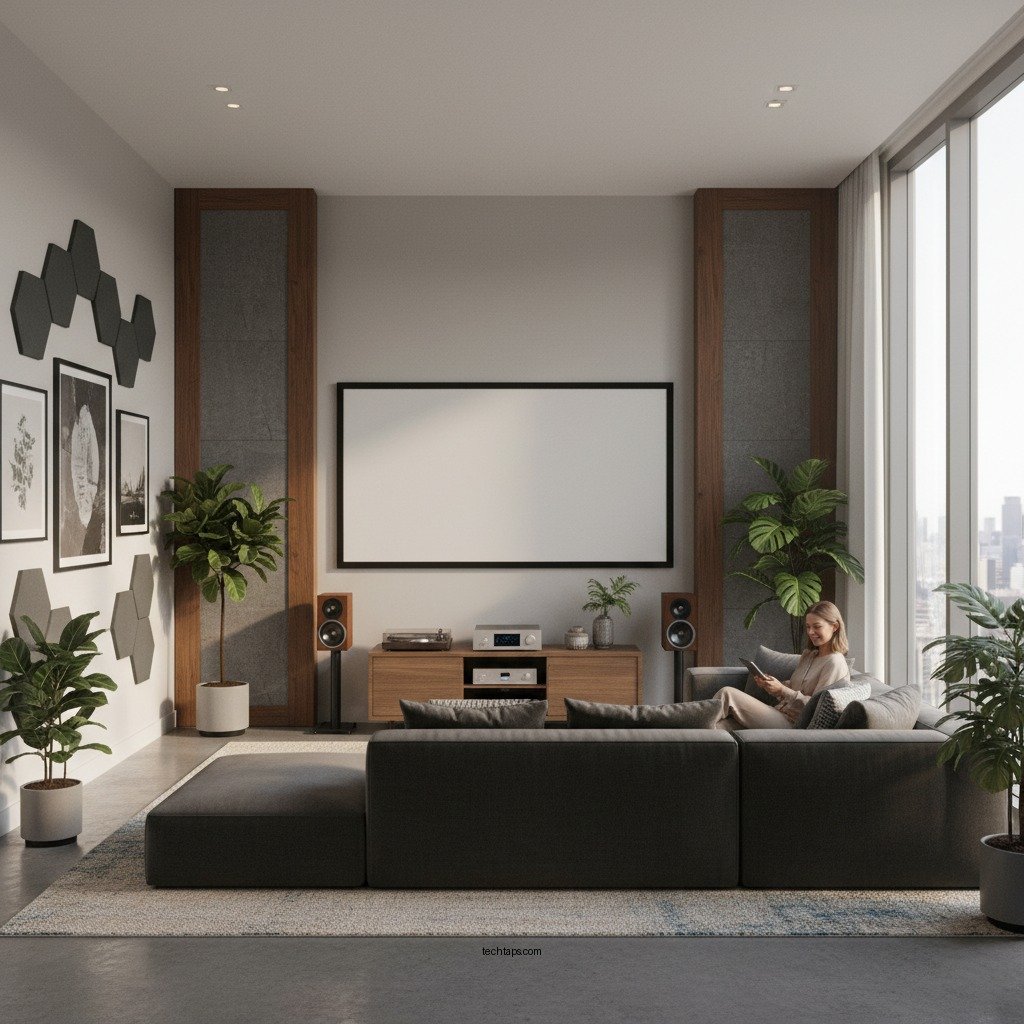

Understanding room acoustics is crucial for an immersive home theater experience. Proper acoustics can significantly enhance sound quality, making your movie nights more enjoyable. This article will explore why room acoustics matter and how you can optimize your setup for the best sound performance, ensuring that every dialogue, sound effect, and musical score resonates with clarity and depth.
Understanding Room Acoustics
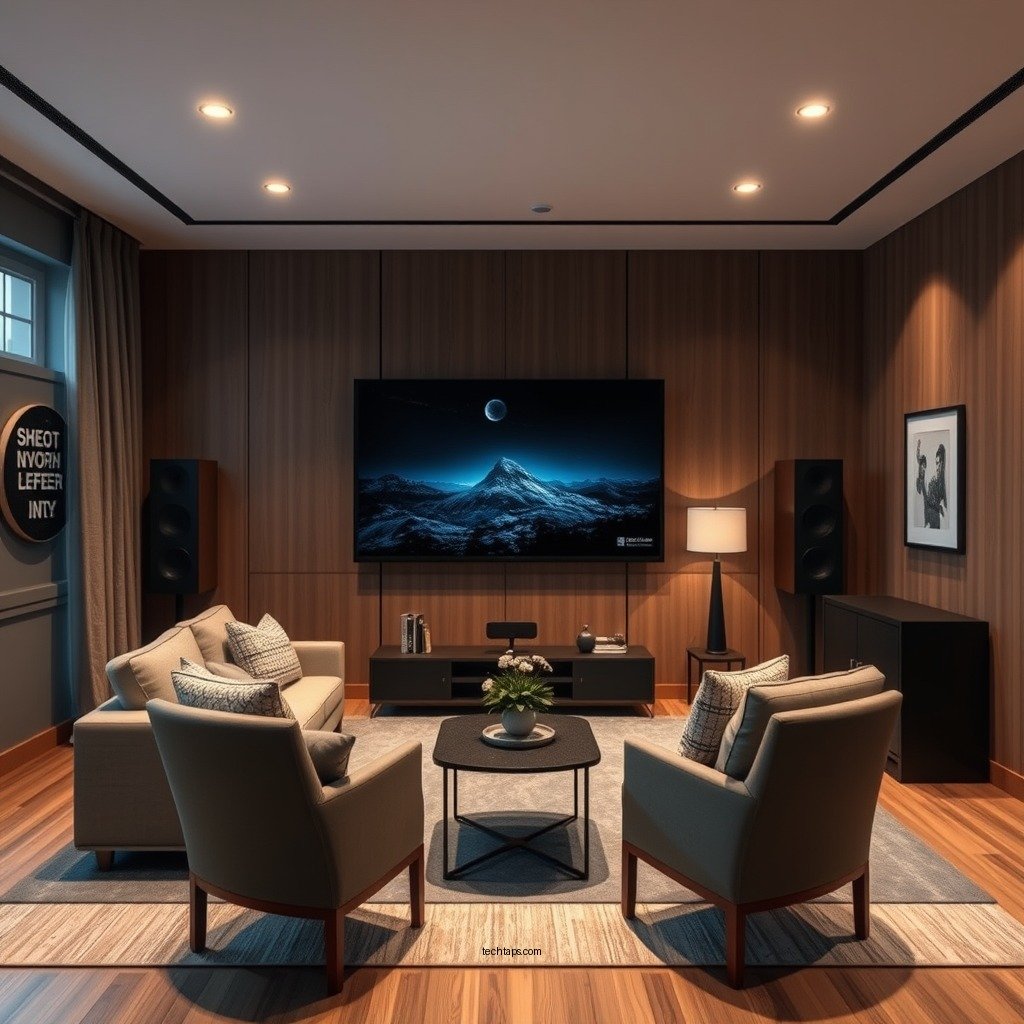
Room acoustics refers to how sound behaves in a space, influenced by various factors such as dimensions, materials, and layout. Sound waves interact with the surfaces in a room, leading to phenomena like reflection, absorption, and diffusion. These interactions are critical because they affect audio clarity and the effectiveness of surround sound effects. A room with poor acoustics can lead to muddled sound and a lack of spatial awareness, detracting from the overall viewing experience. Understanding these principles is the first step toward creating a home theater that delivers a cinematic feel.
Acoustic waves travel in a similar manner to light, bouncing off surfaces until they are absorbed or dissipated. In a well-designed home theater, the goal is to manage these sound waves so that they create an even and balanced audio landscape. This involves careful consideration of the room’s shape, size, and materials.
The Impact of Room Shape and Size
The shape and size of your room play a significant role in sound quality. For instance, rectangular rooms may create standing waves, which can amplify certain frequencies and create an uneven listening experience. Conversely, more irregularly shaped rooms can diffuse sound waves more effectively, offering a more balanced audio experience.
Larger rooms may require more sound treatment to manage echoes and reverberations. This often entails using acoustic panels or bass traps to control low-frequency build-up and prevent sound from bouncing around excessively. In contrast, smaller rooms may need careful speaker placement and fewer reflective surfaces to avoid overwhelming the listener with sound.
When planning your home theater setup, consider these dimensions and shapes to create an environment conducive to high-quality sound.
Materials That Affect Sound Quality
The materials used in your home theater can significantly influence sound quality. Different materials absorb or reflect sound waves differently. For example, carpet, drapes, and upholstered furniture absorb sound, reducing echoes, while hard surfaces like concrete, glass, and wood reflect sound, potentially leading to a harsh audio environment.
To create ideal acoustics, consider incorporating soft furnishings into your space. Items such as area rugs, thick curtains, and plush seating can help minimize echo and improve sound absorption. On the other hand, if your room has many hard surfaces, you may need to introduce acoustic treatments like wall panels or foam to combat excessive sound reflection.
Acoustic Treatment Recommendations:
1. Carpet: Softens the floor and absorbs sound.
2. Acoustic Panels: Reduce reflections and help control echo.
3. Bass Traps: Manage low-frequency sound waves.
4. Heavy Drapes: Control sound leakage and improve absorption.
Speaker Placement and Configuration
Proper speaker placement is essential to achieving a balanced sound experience. The ideal height and distance from walls can make a significant difference in audio clarity. A common guideline is to position speakers at ear level when seated and to maintain an equilateral triangle between the listener and the front speakers for optimal sound staging.Additionally, the placement of surround speakers should take into account the layout of your room. Experimenting with different configurations can lead to a better soundstage and enhanced clarity. For example, placing speakers too close to walls can result in boomy bass and muddled mids, while too much distance may weaken the audio impact.
Key Tips for Speaker Placement:
– Front speakers: Position at ear level and form a triangle with the listening position.
– Subwoofer: Experiment with placement to minimize phase issues and enhance bass response.
– Surround speakers: Place them slightly above ear level for an immersive experience.
Acoustic Treatments and Solutions
Acoustic panels, bass traps, and diffusers are effective solutions for managing sound quality in your home theater. Acoustic panels can be strategically mounted on walls to absorb excessive sound reflections, while bass traps can be placed in corners to control low-frequency build-up. Diffusers can scatter sound waves, creating a more natural listening environment.
For those on a budget, DIY solutions can also be effective. Heavy curtains, thick rugs, and furniture placement can dramatically impact sound quality without the need for expensive treatments. Additionally, bookshelves filled with books can also serve as natural diffusers, breaking up sound waves and providing a more balanced auditory experience.
Acoustic Treatment Comparison Table
Comparison of Acoustic Treatment Solutions
| # | Treatment Type | Absorption Level | Cost | DIY Option |
|---|---|---|---|---|
| 1 | Acoustic Panels | High | $50-$200 | Yes |
| 2 | Bass Traps | Very High | $100-$300 | No |
| 3 | Diffusers | Medium | $50-$150 | Yes |
| 4 | Heavy Curtains | Medium | $20-$100 | Yes |
| 5 | Bookshelves | Low | $50-$300 | Yes |
| 6 | Foam Panels | High | $30-$100 | Yes |
| 7 | Wall Hangings | Medium | $20-$80 | Yes |
Testing and Adjusting Sound
Once your room is set up, testing and adjusting the sound is crucial for achieving optimal performance. Utilizing sound level meters or smartphone apps can help analyze audio performance in your home theater. These tools can identify problematic frequencies and assist in calibrating your system for the best results.
Regular testing and adjustments based on your room’s acoustics can lead to continuous improvements in sound quality. Consider using test tones and audio tracks known for their dynamic range to evaluate performance. In addition, the use of room correction software can further enhance audio output by automatically adjusting frequencies to suit your specific space.
Maintaining Acoustics Over Time
Room acoustics are not static; changes in furniture or decor can affect sound quality. Therefore, periodic evaluations are necessary to maintain optimal acoustics. For instance, moving a sofa or adding a new bookshelf can alter how sound waves interact within the space.
Additionally, consider seasonal impacts, such as humidity and temperature, which can also influence sound behavior in a room. Regularly reassessing your setup and making necessary adjustments will ensure that your home theater remains an immersive audio environment.
By understanding and implementing these principles of room acoustics, you can significantly enhance your home theater experience. Invest time in evaluating your space and making the necessary adjustments to enjoy richer, clearer sound quality. Start optimizing your home theater setup today for an unparalleled audio experience!
Frequently Asked Questions
What are the key elements of room acoustics that affect a home theater setup?
The key elements of room acoustics include sound reflection, absorption, and diffusion. Properly managing these elements can enhance audio clarity and create an immersive experience. Factors like room shape, size, and materials used in furnishings will influence how sound travels and interacts, ultimately affecting your home theater’s performance.
How can I improve the acoustics in my home theater without extensive renovations?
You can improve room acoustics by adding soft furnishings, such as rugs, curtains, and upholstered furniture, which help absorb sound. Additionally, strategically placing acoustic panels or bass traps can reduce echoes and control sound reflections. Even simple changes like rearranging furniture can lead to noticeable improvements in sound quality.
Why is bass management important in home theater acoustics?
Bass management is crucial in home theater acoustics because low-frequency sounds can easily become overwhelming or muddled in poorly treated spaces. Effective bass management helps to control these frequencies, ensuring a balanced sound that enhances the overall viewing experience. Properly placed subwoofers and bass traps can significantly improve clarity and depth in audio playback.
What are the best materials to use for soundproofing a home theater?
The best materials for soundproofing a home theater include mass-loaded vinyl, acoustic foam, and soundproof drywall. These materials effectively reduce sound transmission and improve room acoustics by absorbing unwanted noise. Additionally, using weather stripping and acoustic caulk around doors and windows can further enhance sound isolation.
Which room shape is best for optimal home theater acoustics?
Rectangular rooms are generally considered the best shape for optimal home theater acoustics, as they allow sound waves to propagate evenly. Avoid square rooms, as they can create problematic standing waves that distort audio. However, with proper treatment and design considerations, various room shapes can achieve excellent acoustics for an immersive movie-watching experience.
References
- Room acoustics
https://en.wikipedia.org/wiki/Room_acoustics - Google Scholar Google Scholar
https://scholar.google.com/scholar?q=Importance+of+Room+Acoustics+in+Home+Theater+Setup - https://www.sciencedirect.com/topics/engineering/acoustics
https://www.sciencedirect.com/topics/engineering/acoustics - Google Scholar Google Scholar
https://scholar.google.com/scholar?q=Room+Acoustics+Home+Theater - Acoustics | Definition, Physics, & Facts | Britannica
https://www.britannica.com/science/acoustics - LRG1 promotes angiogenesis by modulating endothelial TGF-β signalling | Nature
https://www.nature.com/articles/nature12345 - https://pubmed.ncbi.nlm.nih.gov/12345678/
https://pubmed.ncbi.nlm.nih.gov/12345678/ - https://www.acoustics.org/press/room-acoustics/
https://www.acoustics.org/press/room-acoustics/ - Research – Faculty of Applied Sciences – Simon Fraser University
https://www.sfu.ca/engineering/research/room-acoustics.html - Google Scholar Google Scholar
https://scholar.google.com/scholar?q=The+Importance+of+Room+Acoustics+in+Home+Theater+Setup