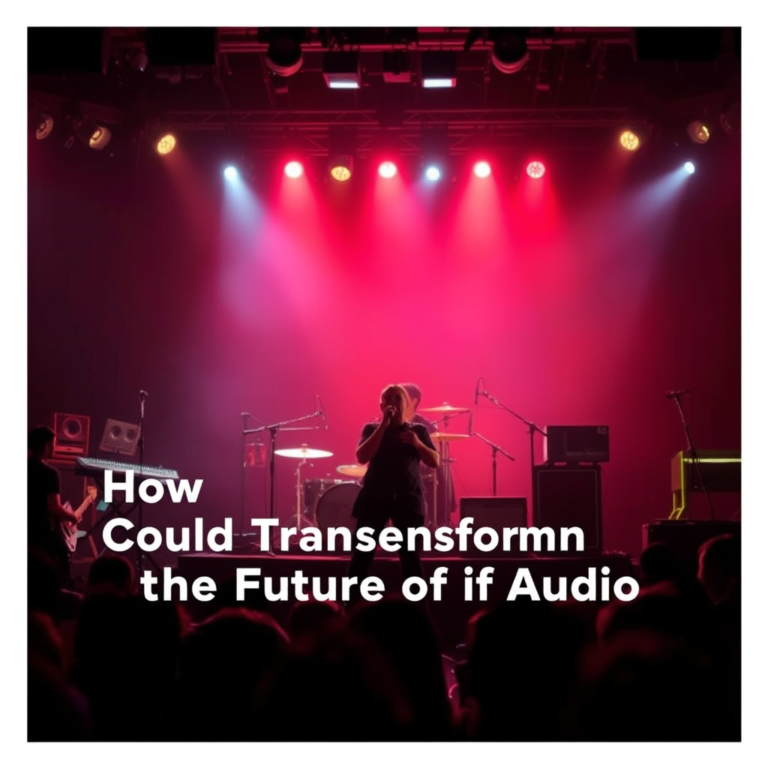

3D sound is an immersive audio technology that creates a multi-dimensional auditory experience, allowing listeners to perceive sound from all around them rather than just from a single direction. By utilizing advanced sound processing techniques, 3D sound transforms regular audio into an enveloping experience, enhancing enjoyment in various media such as films, games, and music. In this article, you’ll discover how 3D sound works, its benefits, and how it can significantly enhance your audio experience across various platforms.
Understanding 3D Sound

3D sound, often referred to as spatial audio, leverages sophisticated audio engineering techniques to create an immersive auditory environment. Unlike traditional stereo sound, which typically provides audio from two fixed channels (left and right), 3D sound uses multiple sound channels and advanced algorithms to simulate sound coming from multiple directions. This technology considers the listener’s position and movement, effectively creating a sound field that mimics real life.
For instance, in a traditional stereo setup, you might hear a bird chirping only from one side. In a 3D sound environment, the chirping can be perceived as coming from above, below, or even behind you, adding a layer of depth and realism to the listening experience. This multi-dimensional soundscape enhances how we engage with audio content, making it more dynamic and lifelike.
How 3D Sound Works
The technology behind 3D sound primarily involves spatial audio technology and binaural recording techniques. Spatial audio refers to a method of sound reproduction that allows for the perception of sound in three dimensions, providing a sense of depth and positioning. Binaural recording, on the other hand, uses two microphones placed in a way that mimics human ear placement, capturing audio similarly to how we hear it naturally.
When sound waves travel through space, they interact with the environment and the listener’s anatomy, including the head and ears. This interaction affects how sound is perceived, including timing and frequency variations. 3D sound technology takes these factors into account, processing audio to recreate the subtle nuances that make sound seem to come from distinct locations. This provides an experience where sounds can be positioned in front of, behind, or above the listener, significantly enhancing the realism of the auditory experience.
Benefits of 3D Sound
The benefits of 3D sound are manifold, particularly in enhancing immersion in various forms of media. In movies, for instance, viewers can feel as if they are part of the action, with sounds moving fluidly around them, creating a more engaging experience. In gaming, 3D sound facilitates better sound localization, allowing players to pinpoint the direction of in-game sounds, which can be crucial for gameplay strategy.
Moreover, music enthusiasts can appreciate their favorite tracks in a new light. 3D sound allows for a richer listening experience, with sounds layered in a way that traditional stereo cannot achieve. This results in improved clarity and detail, making for a more enjoyable and interactive audio experience across the board.
Applications of 3D Sound
3D sound technology has found significant applications in virtual reality (VR) and augmented reality (AR) experiences, where immersive audio plays a crucial role in creating a believable environment. VR headsets often utilize spatial audio to enhance the user’s sense of presence within a digital space, making the experience more convincing and enjoyable.
In gaming, 3D sound is becoming a standard feature, providing gamers with an essential tool for immersion and interaction. This technology is also making waves in cinematic audio, with filmmakers utilizing 3D sound to craft a more engaging narrative and draw audiences deeper into the story. As the technology continues to evolve, its applications across various entertainment platforms are likely to expand, further enriching the user experience.
Devices and Technologies Supporting 3D Sound
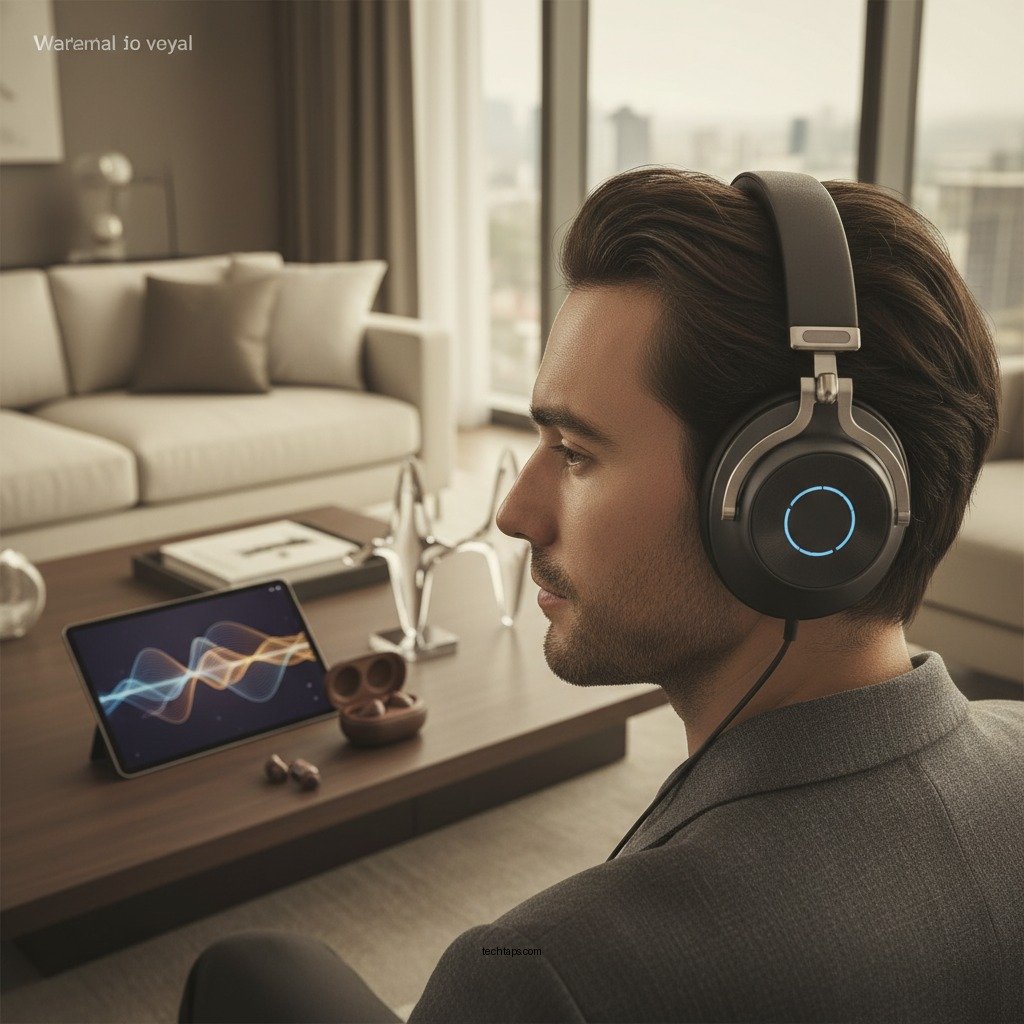
A variety of devices and technologies support 3D sound, ranging from headphones to sound systems. High-quality headphones designed for spatial audio can deliver an immersive experience, allowing users to perceive sound from multiple directions. Popular brands like Sennheiser and Sony offer models specifically optimized for 3D sound experiences.
Additionally, sound systems equipped with Dolby Atmos or DTS:X technology can create a captivating surround sound experience in home theaters. These systems utilize multiple speakers positioned around the room to project sound from various angles, further enhancing the realism of the audio experience.
Various software platforms also play a crucial role in 3D sound. Music streaming services like Tidal and Amazon Music offer tracks mixed in spatial audio, while gaming consoles and PC platforms are increasingly adapting to support 3D audio technologies.
Tips for Experiencing 3D Sound
To fully experience the benefits of 3D sound, consider the following recommendations for setting up your audio environment. First, invest in high-quality headphones or a surround sound system that supports 3D audio formats. Ensure that your listening space is optimized; for instance, arrange speakers at ear level and create an environment conducive to sound travel without interference.
Experiment with content types that showcase 3D sound effectively. Look for films that feature Dolby Atmos, games designed with spatial audio in mind, or music specifically mixed for 3D sound environments. Engaging with this specialized content can significantly enhance your understanding and appreciation of 3D audio.
Top 7 3D Sound Technologies and Devices (2024)
| # | Device/Technology | Type | 3D Sound Support | Best For |
|---|---|---|---|---|
| 1 | Sony WH-1000XM5 | Headphones | Yes | Music |
| 2 | Sennheiser HD 800 S | Headphones | Yes | Movies |
| 3 | Apple AirPods Pro 2 | Earbuds | Yes | Gaming |
| 4 | Bose QuietComfort 45 | Headphones | Yes | Music |
| 5 | Dolby Atmos Soundbar | Soundbar | Yes | Home Theater |
| 6 | Razer Nari Ultimate | Gaming Headset | Yes | Gaming |
| 7 | Samsung Q950A Soundbar | Soundbar | Yes | Home Theater |
In conclusion, the transformative potential of 3D sound lies in its ability to enhance audio experiences across various media platforms. By utilizing advanced spatial audio technologies, listeners can enjoy a more immersive and engaging environment, whether they are watching a movie, playing a video game, or listening to music. As the technology continues to evolve, exploring 3D audio content and considering an upgrade to your audio equipment can significantly enhance your overall audio experience. Embrace the world of 3D sound and elevate your listening to new heights.
Frequently Asked Questions
What is 3D sound and how does it work?
3D sound, also known as spatial audio, creates an immersive audio experience by simulating sound from multiple directions. It works by using advanced audio processing techniques to place sounds in a three-dimensional space around the listener, allowing them to perceive audio as coming from above, below, or from different angles, enhancing overall audio realism.
How does 3D sound improve my gaming experience?
3D sound significantly enhances gaming by providing directional audio cues, which helps players identify the location of in-game sounds, such as footsteps or gunfire. This immersive experience not only heightens engagement but also improves gameplay performance, as players can react more quickly to their environment.
Why is 3D sound important for virtual reality (VR) experiences?
3D sound is crucial for virtual reality because it creates a more lifelike environment, making users feel as though they are truly present in the virtual world. By accurately simulating how sound travels in real life, 3D audio helps to establish a sense of space and depth, which is essential for an engaging and realistic VR experience.
What are the best devices for experiencing 3D sound?
The best devices for experiencing 3D sound include high-quality headphones, soundbars, and specialized speakers that support spatial audio formats like Dolby Atmos or DTS:X. Brands such as Sony, Bose, and Sennheiser offer products that are particularly well-regarded for delivering immersive audio experiences, making them excellent choices for both gaming and movie watching.
Which audio formats support 3D sound technology?
Several audio formats support 3D sound technology, including Dolby Atmos, DTS:X, and Auro-3D. These formats enable content creators to mix audio in a way that allows for three-dimensional sound placement, ensuring that listeners can fully enjoy the immersive audio experience in movies, games, and music.
References
- https://en.wikipedia.org/wiki/Three-dimensional_sound
https://en.wikipedia.org/wiki/Three-dimensional_sound - https://www.researchgate.net/publication/337635497_3D_audio_and_virtual_reality
https://www.researchgate.net/publication/337635497_3D_audio_and_virtual_reality - https://www.sciencedirect.com/topics/engineering/3d-audio
https://www.sciencedirect.com/topics/engineering/3d-audio - https://www.nature.com/articles/s41598-018-37463-3
https://www.nature.com/articles/s41598-018-37463-3 - https://www.ncbi.nlm.nih.gov/pmc/articles/PMC6471220/
https://www.ncbi.nlm.nih.gov/pmc/articles/PMC6471220/ - https://www.bbc.com/future/article/20190710-what-is-3d-sound-and-how-does-it-work
https://www.bbc.com/future/article/20190710-what-is-3d-sound-and-how-does-it-work - https://www.theguardian.com/technology/2020/jan/06/what-is-3d-sound-and-how-does-it-work
https://www.theguardian.com/technology/2020/jan/06/what-is-3d-sound-and-how-does-it-work - Google Scholar Google Scholar
https://scholar.google.com/scholar?q=3D+sound+and+audio+experience - Google Scholar Google Scholar
https://scholar.google.com/scholar?q=spatial+audio+technology - Google Scholar Google Scholar
https://scholar.google.com/scholar?q=3D+audio+improvement+in+listening+experience