
Spatial audio creates an immersive sound experience by simulating how sound interacts with the environment, making it feel like it comes from all around you rather than just from left or right speakers. This innovative technology enhances our listening experiences by adding depth and directionality to sound, much like how we perceive audio in real life. In this article, you will learn the fundamentals of spatial audio, how it works, its various applications, and what technologies are involved in creating this captivating auditory experience.


Understanding Spatial Audio

At its core, spatial audio refers to a technology that allows sound to be perceived in three-dimensional space. Unlike traditional stereo sound, which primarily channels audio from two speakers or headphones, spatial audio creates a sense of depth, height, and directionality. This means sounds can seem like they’re coming from above, below, or anywhere around you, rather than being limited to just the left or right.
The purpose of spatial audio in sound design is to enhance the realism of audio experiences. For instance, in a film, you might hear the sound of a helicopter flying overhead, giving you the sensation that it’s truly moving through the space above you. This contrasts sharply with stereo sound, which can sound flat and less engaging, as it only provides two points of audio reference. By mimicking how we naturally hear sounds in our environment, spatial audio creates a more immersive listening experience that can transport us into the heart of the action.

How Spatial Audio Works
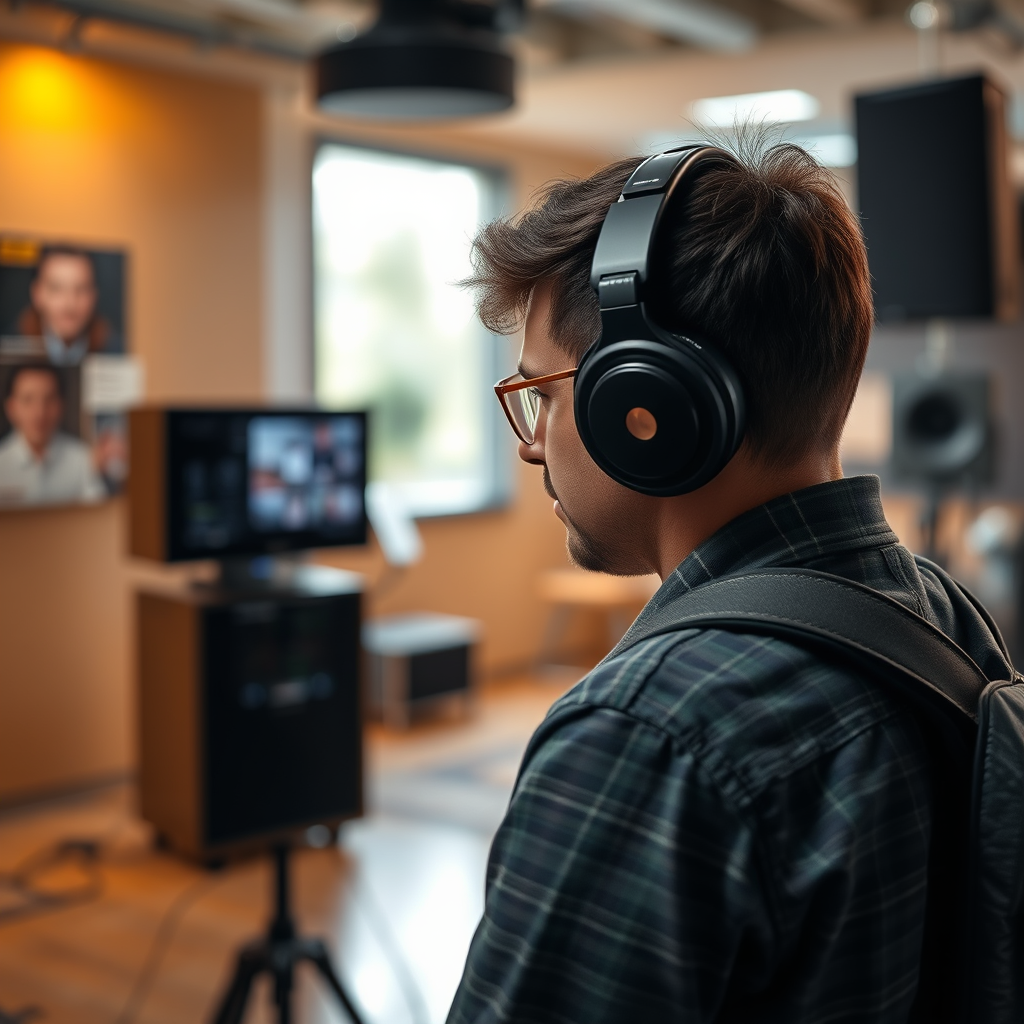
The magic of spatial audio lies in the technology that powers it. Binaural recordings and multi-channel surround sound are two foundational elements in creating this immersive experience. Binaural audio is recorded using two microphones placed in a way that mimics human ears, capturing audio just as we naturally perceive it. When listened to through headphones, binaural audio can create a convincing simulation of sounds coming from various directions and distances.
Surround sound, on the other hand, expands on this concept by using multiple speakers positioned around a listener. This setup is commonly used in home theaters, where sounds can be strategically placed to correspond with the action on screen.
A critical component in achieving this realistic experience is the head-related transfer function (HRTF). HRTF refers to the way our ears and head shape affect how we perceive sound. It helps decode the subtle differences in sound waves that arrive at each ear, allowing us to determine where sounds are coming from in a 3D space. This complex processing occurs in real-time, facilitating a seamless experience that feels both natural and engaging.
Applications of Spatial Audio
Spatial audio has found a myriad of applications across various fields, most notably in entertainment. In movies, audio engineers use spatial audio to create a more immersive soundscape that enhances storytelling. For instance, action films often use spatial audio to make explosions or chase scenes feel more dynamic and engaging.
In gaming, spatial audio is a game-changer, allowing players to locate opponents or in-game events based on sound alone, significantly enhancing the overall gaming experience. Imagine playing an immersive first-person shooter where you can hear the enemy’s footsteps approaching from behind you; it’s a thrilling experience that spatial audio facilitates.
Music streaming services are also beginning to embrace spatial audio, with platforms like Apple Music and Tidal offering songs mixed in Dolby Atmos. This allows listeners to experience their favorite tracks in a whole new way, where instruments seem to surround them, creating a more profound emotional connection to the music.
Moreover, the rise of virtual reality (VR) and augmented reality (AR) has propelled the need for spatial audio even further. In VR environments, spatial audio is essential for creating believable worlds where sound accurately reflects the user’s interactions, whether they’re exploring a virtual landscape or participating in a multiplayer game. In AR, spatial audio enhances the user experience by integrating audio cues with real-world surroundings, guiding users through their environment in a more intuitive manner.
Benefits of Spatial Audio
The benefits of spatial audio are extensive, primarily revolving around enhanced immersion and engagement. For listeners, the ability to perceive sound in a three-dimensional space creates a more captivating experience. Whether you’re watching a movie, playing a game, or listening to music, spatial audio pulls you into the soundscape, making you feel like you’re part of the action.
Additionally, spatial audio can improve audio clarity and detail in complex sound environments. In a crowded scene, for example, the ability to discern between overlapping sounds becomes easier, allowing listeners to appreciate the nuances of a sound mix. This clarity is especially valuable in settings like concert films or live performances, where every musical instrument and vocal nuance can add to the overall experience.
Challenges and Limitations
Despite its many advantages, spatial audio also faces several challenges and limitations. One significant hurdle is the technical complexity involved in producing high-quality spatial audio content. Content creators need specialized skills and tools to create and mix audio that effectively utilizes the spatial audio framework. This can make it more time-consuming and costly compared to traditional audio production.
Moreover, the experience of spatial audio can be significantly affected by current hardware and user settings. Not all headphones or speakers are designed to deliver the full benefits of spatial audio, and factors such as room acoustics can further impact sound quality. Users might find that their experience varies depending on their setup, which can lead to inconsistencies in how spatial audio is perceived.
Future of Spatial Audio
Looking ahead, the future of spatial audio appears bright, with predictions of continued advancements in technology and wider adoption across various platforms. As more content is created specifically for spatial audio, we can expect an increase in the demand for compatible hardware and software, leading to more consumer-friendly options.
Emerging trends indicate that spatial audio will become a standard feature in streaming services, gaming, and VR/AR applications. Innovations such as adaptive audio, which tailors sound experiences based on personal preferences and listening environments, are already being explored. This means the future may hold even more personalized and immersive audio experiences for users.
As the audio industry evolves, spatial audio is set to redefine our interactions with sound, enhancing not just entertainment but also education, communication, and overall audio experiences.
The growing relevance of spatial audio signifies a shift in how we experience sound, enhancing our interactions with media and technology. Understanding its mechanics and applications can help you appreciate the evolution of audio experiences. For those interested in exploring spatial audio further, consider trying out platforms or devices that support this technology. Whether through immersive movie experiences, engaging gaming sessions, or simply enjoying music in a new dimension, the world of spatial audio is just waiting to be explored.
Frequently Asked Questions
What is Spatial Audio and how does it differ from traditional audio?
Spatial Audio is an immersive audio technology that creates a three-dimensional sound experience, making it feel like sounds are coming from all around you, rather than just from left and right speakers. Unlike traditional stereo audio, which typically provides a flat sound experience, Spatial Audio utilizes advanced techniques like head tracking and sound placement to simulate a more realistic environment. This enhances the listening experience for music, movies, and gaming, allowing users to perceive sound in a way that mimics real life.
How does Spatial Audio work on my devices?
Spatial Audio works through a combination of hardware and software that allows devices to process multi-channel audio and apply algorithms for sound positioning. Most commonly, it uses technologies such as Dolby Atmos or Apple’s Spatial Audio, which leverage head tracking sensors to adjust sound based on the listener’s head movements. When you turn your head, the audio adjusts accordingly, creating an immersive experience that feels like you are at the center of the sound environment, whether you’re using headphones or a surround sound system.
Why should I use Spatial Audio for music and movies?
Using Spatial Audio for music and movies significantly enhances the listening experience by providing depth and clarity that traditional stereo cannot match. It allows users to hear sounds as if they are placed in a three-dimensional space, making action scenes more thrilling and music more engaging. This immersive quality can lead to a deeper emotional connection to the content, making it ideal for audiophiles and movie enthusiasts who want to experience entertainment at its fullest.
Which devices support Spatial Audio?
Many modern devices support Spatial Audio, including Apple’s AirPods Pro, AirPods Max, and select Beats headphones. Additionally, devices running iOS 14 or later, such as iPhones and iPads, can utilize Spatial Audio features when connected to compatible headphones. Other platforms, such as certain smart TVs, gaming consoles, and home theater systems, also support Spatial Audio formats like Dolby Atmos, expanding the possibilities for immersive sound experiences.
What are the best ways to experience Spatial Audio at home?
To experience Spatial Audio at home, invest in compatible headphones or speakers that support the technology, such as Dolby Atmos-enabled soundbars or high-quality headphones. Ensure that your streaming services, like Apple Music or Disney+, offer content mixed in Spatial Audio. Additionally, set up your listening environment to minimize outside noise and ensure proper positioning of your audio equipment, allowing you to fully immerse yourself in the three-dimensional sound experience that Spatial Audio provides.
References
- https://en.wikipedia.org/wiki/Spatial_audio
- https://www.apple.com/sg/spatial-audio/
- https://www.bbc.com/future/article/20201130-what-is-spatial-audio-and-why-does-it-matter
- https://www.wired.com/story/spatial-audio-3d-sound/
- https://www.sciencedirect.com/science/article/pii/S2212017319300939
- https://www.researchgate.net/publication/339000123_Spatial_Audio_A_Review_of_Applications_and_Architectures
- https://www.bhphotovideo.com/explora/pro-audio/buying-guides/what-is-spatial-audio
- https://www.sweetwater.com/insync/spatial-audio/
- https://www.techradar.com/news/spatial-audio-explained
- https://www.nytimes.com/2021/06/07/technology/apple-spatial-audio.html

3 Comments