
Soundproofing your home doesn’t have to break the bank. In fact, there are several effective DIY solutions that can significantly reduce noise without costing a fortune. This article will guide you through various affordable soundproofing methods you can implement to create a quieter, more peaceful living space. Whether you’re trying to block out the sounds of bustling traffic, noisy neighbors, or the thudding of footsteps overhead, the tips outlined here will help you achieve a serene atmosphere without emptying your wallet.




Understanding Soundproofing Basics
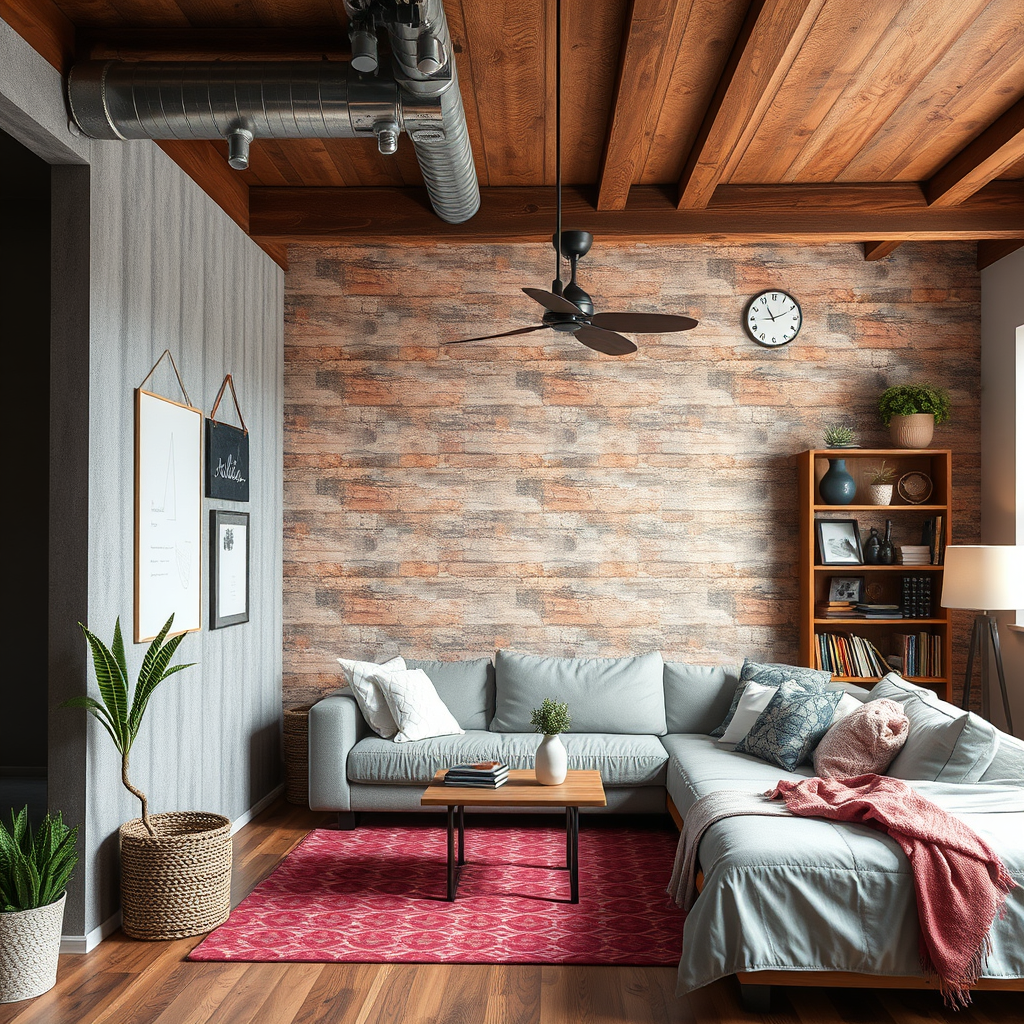
To effectively soundproof your home, it’s important to understand the basics of sound transmission. Soundproofing involves reducing sound transmission through walls, floors, and ceilings. There are two main types of sound to consider: impact sound and airborne sound. Impact sounds are the result of physical vibrations, like footsteps or dropped items, while airborne sounds come from voices, music, or other noises traveling through the air. Each type requires different approaches for effective management. For instance, airborne sounds might be more effectively blocked with denser materials, whereas impact sounds may require softer, more cushioned surfaces to absorb vibrations. By identifying the types of noise you’re dealing with, you can tailor your soundproofing efforts for maximum effectiveness.
Utilize Materials You Already Have

Before you rush out to purchase expensive soundproofing materials, take a look around your home for items you can repurpose. Old carpets and blankets can be transformed into sound-absorbing panels. Simply hang them on walls or drape them over furniture to help muffle noise. Heavy curtains or drapes are another great option, as they can be hung over windows to dampen external sounds. If you have thick rugs or mats, placing them strategically on floors can also help absorb sound. These innovative uses of everyday materials not only save you money but also add a unique touch to your decor.

Insulating Your Walls
For more serious soundproofing, consider enhancing the insulation in your walls. A popular and effective solution is using mass-loaded vinyl (MLV), a dense material designed to block sound. By adding MLV to your walls, you increase their density, which helps dampen sound transmission. Additionally, you can create an effective barrier by adding a layer of drywall with soundproofing glue between the layers. This method is particularly useful in shared walls between apartments or rooms that are prone to noise. Remember to seal any gaps or cracks in the walls, as these can serve as sound leaks.
Soundproofing Windows and Doors
Windows and doors are often the weakest points in a home regarding soundproofing. To minimize noise leakage, start by applying weather stripping around the frames. This simple step seals gaps that allow sound to enter and exit, significantly improving your sound insulation. Consider using acoustic caulk to fill any cracks or holes around the frames for enhanced sound isolation. If you want to take it a step further, installing double-pane windows or using window inserts can dramatically reduce noise levels. For doors, adding a heavy blanket or an acoustic door sweep can also help block sound from seeping through.
Creating a Soundproof Room
The layout of your room can play a significant role in how sound travels. Rearranging your furniture to create a buffer zone can be an effective strategy. For example, placing large sofas or armchairs against walls that face noisy areas can help absorb sound. Additionally, filling bookshelves with books and placing them against walls can also serve as an effective sound barrier. If you have the space, consider adding soft furnishings like cushions or bean bags, which can help absorb echoes and create a more peaceful environment.
DIY Soundproofing Panels
Creating your own soundproofing panels can be a fun and rewarding project. You can use materials like foam, fabric, or even cardboard to make panels that absorb sound. For a simple DIY project, take a piece of foam and wrap it in fabric, then hang it on the walls where sound tends to bounce or echo. You can also experiment with different shapes and sizes to see what works best for your space. Hanging these panels strategically can absorb sound and reduce echoes in the room, contributing to a more serene atmosphere. There are plenty of online tutorials that can guide you through the process, making it accessible for anyone, regardless of skill level.
Testing Your Soundproofing Effectiveness
Once you’ve implemented your soundproofing solutions, it’s essential to test their effectiveness. Use a simple smartphone app to measure sound levels before and after your changes. This can give you a clear indication of how successful your efforts have been. Don’t hesitate to adjust and experiment with different materials and placements for optimal results. You might find that certain combinations work better for your specific environment. Remember, soundproofing is often about trial and error, so be patient and enjoy the process!
By implementing these affordable DIY soundproofing solutions, you can effectively minimize unwanted noise in your home. Start with the materials you have on hand and gradually explore more advanced options as needed. Whether you want a quieter environment for work, relaxation, or sleep, these strategies can help you achieve your soundproofing goals. Take the first step today and enjoy a more peaceful living space!
Frequently Asked Questions
What are some effective DIY soundproofing solutions that won’t break the bank?
Affordable DIY soundproofing solutions include using heavy curtains or soundproofing blankets on windows, sealing gaps with weatherstripping, and utilizing rugs or carpets to absorb sound. Additionally, acoustic panels made from foam or even repurposed materials like old mattresses can help reduce noise levels. These methods are cost-effective and can significantly improve sound insulation in your home.
How can I soundproof a room cheaply without professional help?
To soundproof a room on a budget, start by identifying and sealing any air leaks around doors and windows with weatherstripping or caulk. Incorporate thick carpets or rugs to absorb sound, and hang heavy drapes to minimize outside noise. You can also create homemade acoustic panels by wrapping insulation board in fabric and mounting them on walls to dampen sound reverberation.
Why is soundproofing important for home offices or studios?
Soundproofing is crucial for home offices or studios as it minimizes distractions from external noise, enhances audio quality during recordings, and creates a more professional environment. By reducing sound leakage, you can maintain focus and productivity, which is especially important in remote work settings or creative pursuits where clarity is essential. Investing in affordable soundproofing solutions can significantly improve both your work experience and the quality of your output.
What are the best materials for DIY soundproofing projects?
The best materials for DIY soundproofing projects include acoustic foam panels, mass-loaded vinyl (MLV), and heavy curtains or soundproofing blankets. Additionally, using dense materials like plywood or drywall can effectively block sound transmission. For a budget-friendly option, consider using cardboard or egg cartons to create makeshift sound-dampening panels, as they can help scatter sound waves and reduce echoes.
Which common household items can help with soundproofing?
Common household items that can assist with soundproofing include towels, blankets, and pillows, which can be used to cover windows or doors to absorb sound. Furniture like bookshelves filled with books can act as barriers to noise, and rubber mats or yoga mats can provide extra padding on floors. These items are not only affordable but easily accessible, making them great options for enhancing your soundproofing efforts.
References
- Soundproofing
- https://www.nist.gov/news-events/news/2020/06/how-soundproofing-your-home-can-help-improve-your-health
- https://www.hud.gov/program_offices/healthy_homes/hhi/soundproofing
- https://www.energy.gov/energysaver/articles/soundproofing-your-home
- https://www.acoustics.org/press/2021/soundproofing-solutions/
- https://www.epa.gov/indoor-air-quality-iaq/soundproofing-your-home
- Healthy Homes | Carrier Corporate
- https://www.dc.gov/sites/default/files/dc/sites/does/publication/attachments/Soundproofing%20your%20home%20for%20less.pdf
