
Enhancing your home audio for the best music listening experience requires thoughtful investment in quality equipment, optimizing your environment, and tweaking your audio settings. By focusing on these areas, you can create a rich and immersive sound experience right in your living room. Whether you’re an audiophile or just love jamming to your favorite tunes, this guide will walk you through practical tips and strategies to elevate your music enjoyment at home.




Choosing the Right Audio Equipment
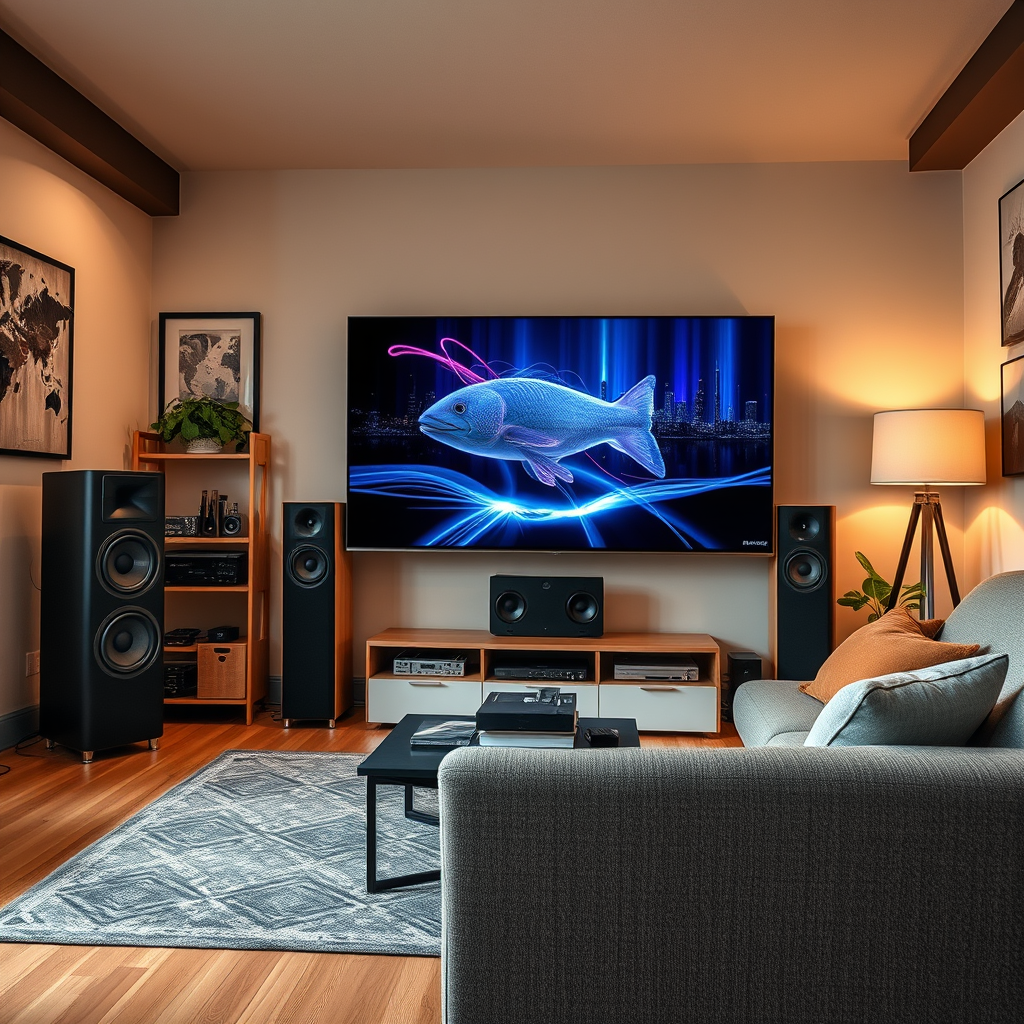
The foundation of great sound begins with selecting the right audio equipment. First and foremost, investing in quality speakers is essential. Look for speakers that complement the size of your room and your personal listening preferences. For instance, if you love bass-heavy genres like hip-hop or electronic, consider larger floor-standing speakers or bookshelf models that can deliver deeper sounds.
Adding a subwoofer to your audio setup can significantly enhance the listening experience by providing that rich bass that makes music feel alive. Subwoofers are designed to handle lower frequencies and can transform your music into a full-bodied experience that smaller speakers might struggle to reproduce.
Additionally, consider high-fidelity audio sources. Streaming services like Tidal or Qobuz offer lossless audio quality, which means you can enjoy your favorite songs as they were intended to be heard. If you’re feeling nostalgic, investing in a turntable for vinyl records can also provide a unique warmth and presence that digital formats sometimes lack. The tactile experience of handling records combined with the rich sound they produce can truly enhance your listening journey.
Optimizing Room Acoustics
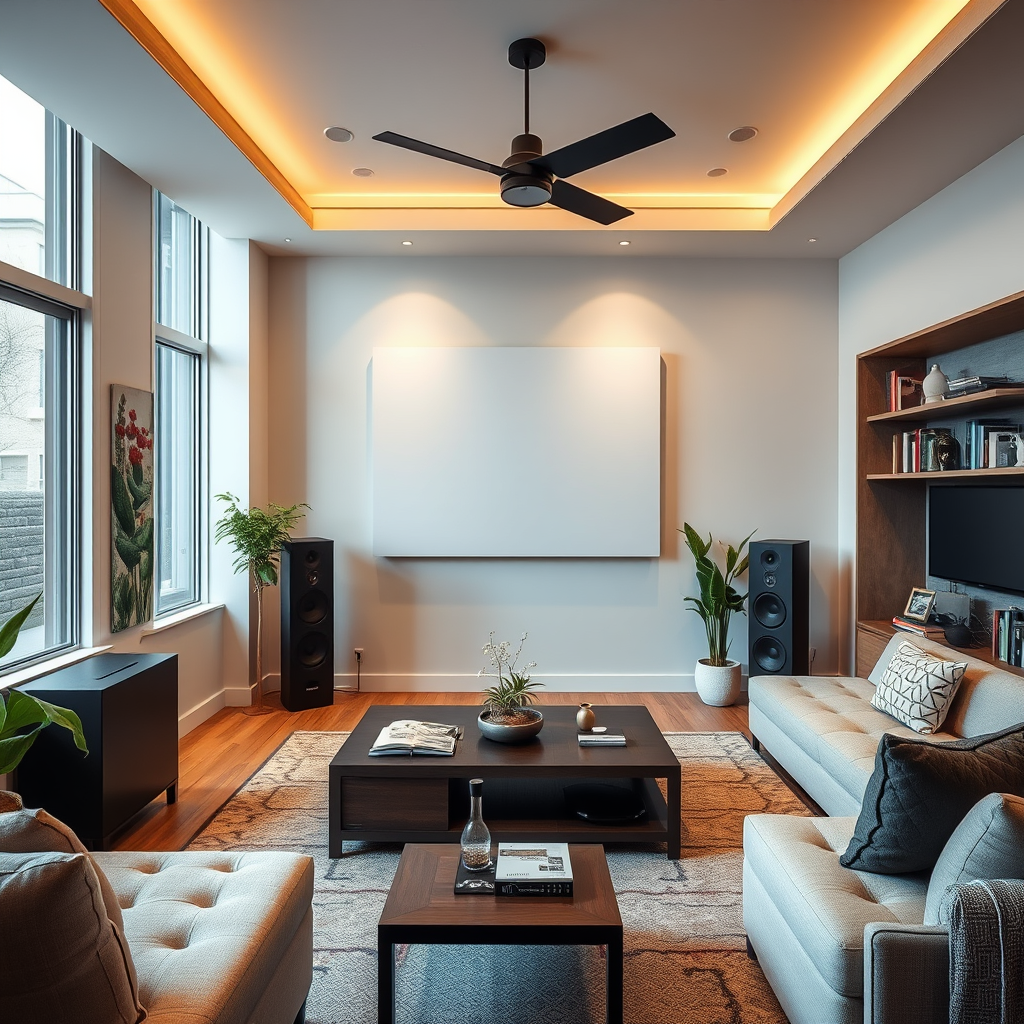
Once you’ve selected your equipment, the next step is to optimize your room’s acoustics. Sound is affected by the shape and materials of the space, so it’s crucial to assess your listening environment. Hard surfaces, such as tile floors or bare walls, can create unwanted echoes and distortions. To counteract this, add soft furnishings like rugs, cushions, and curtains. These items help absorb sound, creating a more balanced auditory experience.
Speaker placement is another critical factor in optimizing sound distribution. Experiment with different positions to find the sweet spot where the sound feels the most immersive. A good rule of thumb is to position speakers at ear level and form an equilateral triangle between the speakers and your listening spot. This setup can help create a more cohesive soundstage.
Don’t forget to consider soundproofing if outside noise is a concern. Simple solutions like sealing gaps in windows or using door sweeps can significantly reduce outside disturbances, allowing you to immerse yourself fully in the music.
Fine-Tuning Your Sound Settings
Now that you have quality equipment and a well-optimized space, it’s time to fine-tune your sound settings. Most audio devices come with an equalizer feature that allows you to adjust frequencies based on your musical preferences. For example, if you’re a fan of rock music, you might want to enhance the mid-range frequencies, while classical music might benefit from boosted highs and lows.
Advanced audio settings can also elevate your experience. If you have a surround sound system, take advantage of its capabilities by experimenting with different modes. Stereo mode is great for music, while surround sound settings can create an immersive film-watching experience.
Lastly, don’t overlook the importance of updating your devices’ firmware. Manufacturers often release updates that can enhance performance, add new features, or improve compatibility with the latest audio formats. Keeping your devices up to date ensures you’re getting the best sound possible.
Incorporating Smart Technology
In our increasingly connected world, incorporating smart technology into your audio setup can greatly enhance your listening experience. Smart speakers like Amazon Echo or Google Nest can be integrated into your home network, allowing you to control your music with just your voice. Imagine lounging on your couch and being able to ask your speaker to play your favorite playlist without lifting a finger!
For those who enjoy music throughout the house, consider investing in a multi-room audio system. Brands like Sonos offer seamless integration, allowing you to play different tracks in different rooms or sync them for a unified listening experience. This feature is perfect for hosting gatherings where you want to keep the music flowing.
Voice control options not only add convenience but also allow for hands-free operation when you’re busy with other tasks. This technology makes it easier to explore new music or adjust volume levels without interrupting your activities.
Creating the Perfect Listening Environment
To truly enjoy your music, it helps to create a dedicated listening environment. Designate a specific area in your home where you can immerse yourself in sound without distractions. This space can be a cozy corner of your living room or a dedicated music room.
Comfortable seating is paramount. Invest in a good chair or couch that supports long listening sessions. Proper lighting can also enhance your experience; consider using dimmers or soft lamps to create a warm ambiance.
Finally, limit distractions. Turn off notifications on your devices, and try to minimize noise from outside or other household activities during your listening sessions. This zen-like environment allows you to focus solely on the music, making each listening experience more profound and enjoyable.
Exploring Music Sources and Formats
To keep your listening experience fresh, explore the wide array of music sources and formats available. Streaming platforms like Spotify and Apple Music offer vast libraries, but each has its unique flavor. Discover curated playlists that introduce you to new genres or artists you might not have encountered otherwise.
Understanding audio formats is also essential. While streaming services provide convenience, formats like FLAC or DSD offer superior sound quality. If you have a high-fidelity system, consider downloading high-resolution files to take full advantage of your equipment.
Don’t forget the charm of physical formats like vinyl or CDs. Collecting records can be a rewarding hobby, allowing you to appreciate album artwork and experience sound in a tangible way. Plus, vinyl offers a distinct character that many music lovers cherish.
By embracing various music sources and formats, you can continuously discover new sounds and keep your listening experience vibrant and engaging.
Enhancing your home audio experience involves selecting the right equipment, optimizing your room acoustics, fine-tuning audio settings, incorporating smart technology, and creating a dedicated listening environment. By implementing these strategies, you can transform how you enjoy music at home, ultimately creating a richer and more immersive experience. So go ahead, dive into the world of sound, and let the music play!
Frequently Asked Questions
What are the essential components needed to enhance my home audio system for the best music listening experience?
To enhance your home audio system, focus on key components such as high-quality speakers, an efficient amplifier, and a reliable source device (like a digital audio player or streaming service). Additionally, consider adding a subwoofer for deeper bass and acoustic treatments to optimize your room’s sound quality. Investing in good speaker cables and interconnects can also improve audio clarity.
How can I optimize my room acoustics for better sound quality?
Optimizing room acoustics involves addressing sound reflections and absorptions. Start by placing soft furnishings, like rugs and curtains, to absorb excess sound. You can also use acoustic panels and bass traps strategically around the room to minimize echoes and enhance clarity. Experimenting with speaker placement—keeping them away from walls and corners—can further improve your listening experience.
Why is speaker placement important for enhancing audio quality?
Speaker placement is crucial because it directly affects sound staging and imaging. Proper positioning allows sound waves to interact optimally, creating a more immersive listening experience. Generally, speakers should be placed at ear level and equidistant from your primary listening position, forming an equilateral triangle with the listener for balanced sound distribution and clarity.
What are the best streaming services for high-quality music listening?
For the best high-quality music listening experience, consider streaming services like Tidal, Qobuz, and Amazon Music HD, which offer lossless audio options. These platforms provide a wide selection of high-fidelity tracks and are compatible with various high-end audio equipment. Additionally, services like Spotify and Apple Music offer great sound quality, but may not provide the same level of lossless audio as specialized services.
Which accessories can further enhance my home audio setup?
Accessories such as a high-quality digital-to-analog converter (DAC), a power conditioner, and a headphone amplifier can significantly enhance your home audio setup. A DAC improves sound quality by converting digital signals into analog more effectively, while a power conditioner can reduce noise and interference from electrical sources. Additionally, using a dedicated music server or high-quality headphones can elevate your overall listening experience.
References
- Sound system
- https://www.audioholics.com/audio-articles/how-to-improve-your-home-audio-system
- https://www.cnet.com/home/audio/how-to-set-up-a-home-audio-system/
- https://www.hifiadvice.com/how-to-improve-your-home-audio/
- https://www.npr.org/sections/monkeysee/2011/06/23/137526438/how-to-make-the-most-of-your-home-audio-system
- https://www.verywellmind.com/how-to-create-a-home-audio-system-for-music-5190054
- https://www.lifewire.com/improve-your-home-audio-system-3134310
- https://www.popularmechanics.com/technology/a20100211/home-theater-tips/
- https://www.soundguys.com/how-to-set-up-a-home-theater-system-27900/
