
Choosing between the Yamaha HS8S and the KRK 12S2 as the best studio subwoofer for mixing ultimately depends on your specific needs and preferences. The Yamaha HS8S is known for its accuracy and flat response, making it ideal for detailed mixing. In contrast, the KRK 12S2 offers impressive bass extension and punch, appealing to those who prefer a more dynamic sound. This article will delve into the key features, performance, and suitability of each subwoofer to help you make an informed decision.
Overview of the Yamaha HS8S
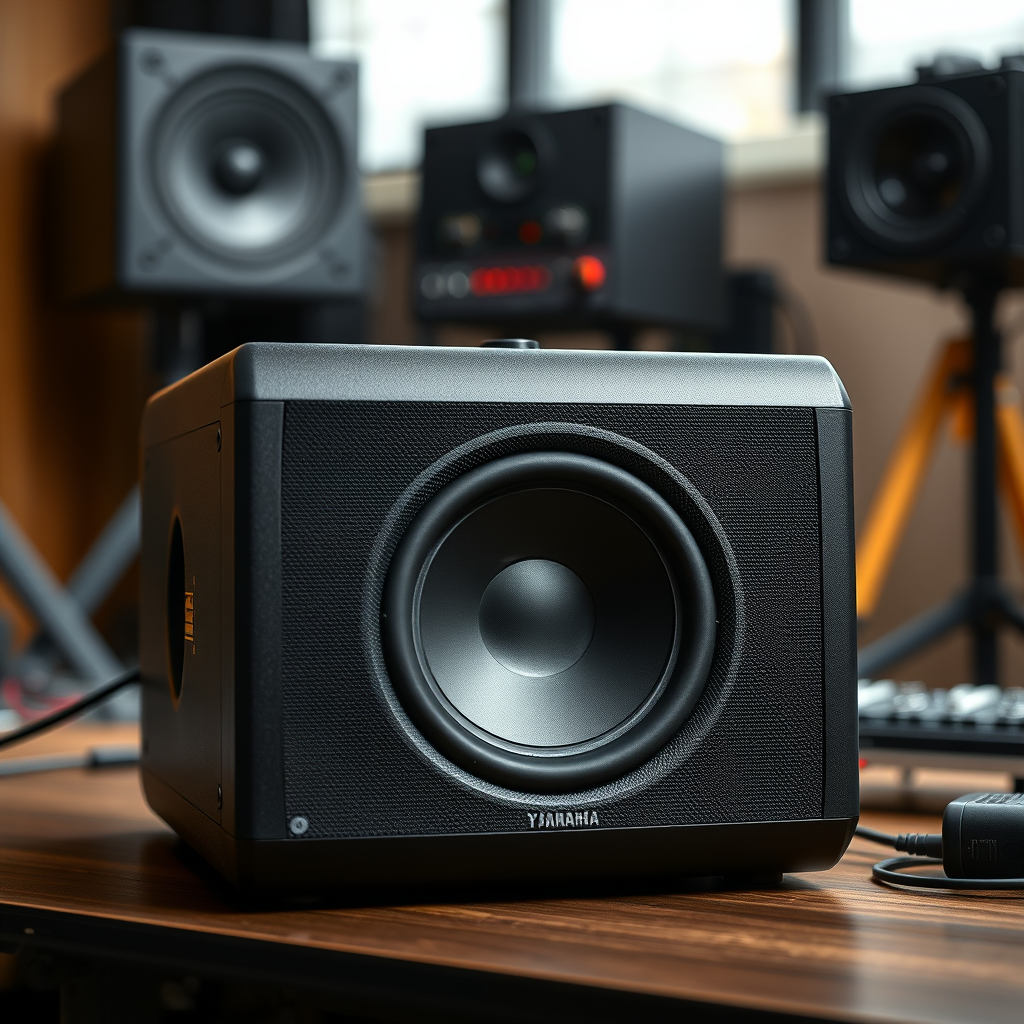
The Yamaha HS8S is designed for accuracy, making it an excellent choice for critical listening and mixing applications. This subwoofer features a powerful 8-inch woofer that delivers a clear and precise low-end performance. With its 200W amplifier, the HS8S provides ample power while maintaining a flat frequency response. This is crucial for mixing, as it allows audio engineers to hear their mixes without coloration. The HS8S is part of Yamaha’s renowned HS series, which is celebrated for its commitment to producing neutral sound reproduction. This neutrality makes it suitable for various genres, from classical to electronic music, as it allows the mixer to hear exactly what’s happening in their tracks.
The HS8S also boasts a frequency response range of 30Hz to 24kHz, which means it can handle the low frequencies essential for mixing bass-heavy genres while also reproducing high frequencies with clarity. Its rear bass port design enhances low-end performance without compromising on clarity. Overall, the HS8S is ideal for those serious about mixing and wanting a reliable, accurate subwoofer in their studio setup.
Overview of the KRK 12S2
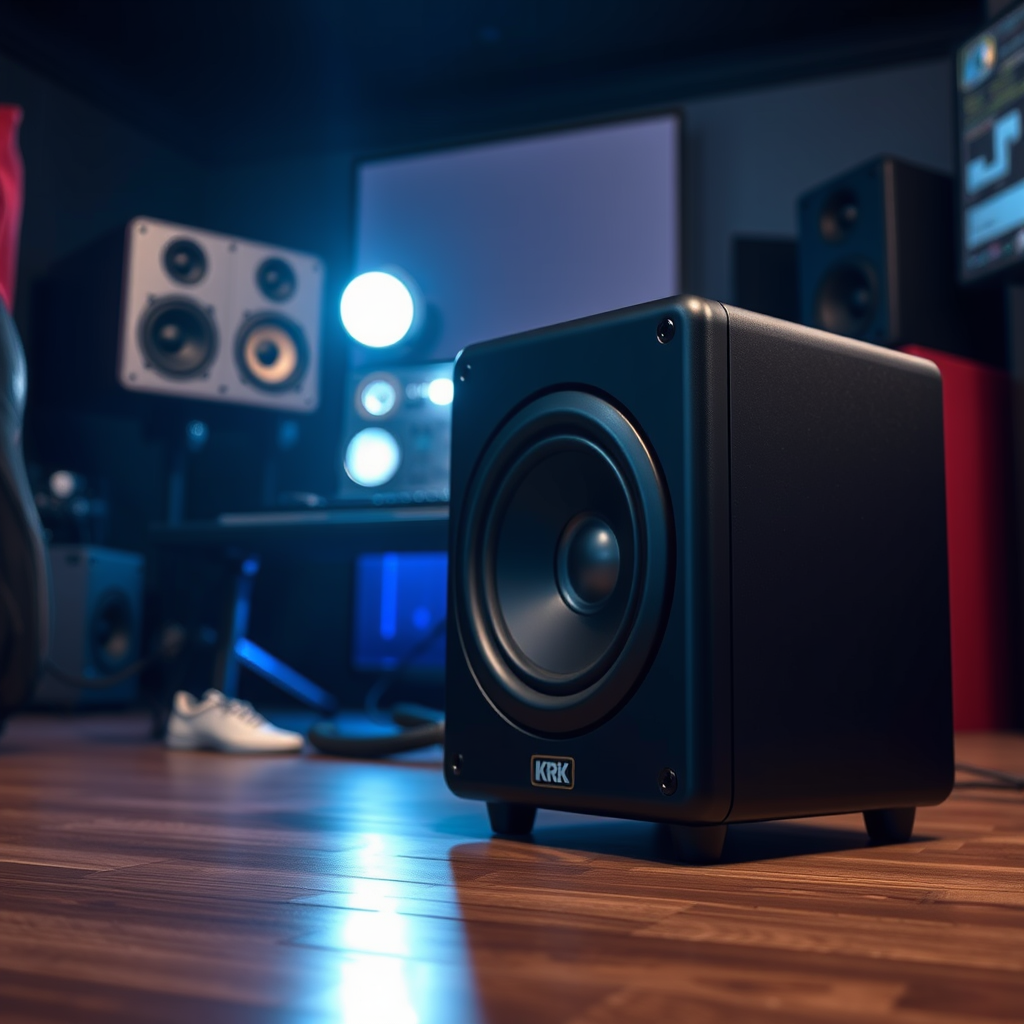
On the other side of the ring, we have the KRK 12S2, a subwoofer that packs a punch with its 12-inch woofer, designed to deliver enhanced bass response and higher sound pressure levels (SPL). This subwoofer is particularly appealing to producers and musicians who enjoy genres rich in low frequencies, such as hip-hop, EDM, and rock. The KRK 12S2 features a built-in digital signal processor (DSP) with adjustable EQ settings, allowing users to tailor the sound to their specific room acoustics. This adaptability is valuable for anyone looking to optimize their mixing environment.
With a frequency response that extends down to 20Hz, the KRK 12S2 ensures that you feel the bass in your gut, making it an excellent choice for bass-heavy tracks. Its robust build quality and modern design, with a striking yellow cone, make it not only a functional piece of equipment but also a stylish addition to any studio. The KRK brand has built a reputation for its distinctive sound, often favored by those looking for a more pronounced low end in their mixes.
Sound Quality Comparison
When it comes to sound quality, the Yamaha HS8S provides a more neutral sound signature, which many audio engineers find versatile for various genres and mixing tasks. This neutrality is crucial, as it allows for a more accurate representation of the mix, enabling producers to make informed decisions about EQ and compression without being misled by excessive coloration. The HS8S’s clear and precise low-end response ensures that mixes translate well across different playback systems.
In contrast, the KRK 12S2 is known for delivering a punchier bass response, which can be thrilling for genres that rely heavily on low frequencies. This subwoofer’s emphasis on low-end frequencies can make mixes sound more engaging and lively, particularly for dance music and hip-hop. However, this characteristic can sometimes lead to a less accurate representation of the mix, especially if the low end is exaggerated. As a result, while the KRK 12S2 can be exciting to work with, it may require more careful monitoring to ensure the mix remains balanced.
Build Quality and Design
The Yamaha HS8S features a classic white-coned look that is both professional and understated, making it a great fit for any studio environment. Its robust build quality is designed to withstand the rigors of studio life while providing excellent sound performance. The rear-ported design not only enhances bass response but also minimizes distortion, allowing for clean sound reproduction even at higher volumes.
On the flip side, the KRK 12S2 showcases a striking yellow cone that stands out and adds a modern aesthetic to any setup. Its design is not just about looks; it’s built with a solid cabinet and high-quality materials to ensure durability and optimal sound performance. The front-firing port design allows for flexible placement options within the studio, making it easier to integrate into different setups without compromising on sound quality.
Connectivity and Setup
Both the Yamaha HS8S and KRK 12S2 are equipped with balanced XLR and TRS inputs, making it easy to connect to a variety of audio interfaces and mixers. This compatibility is essential for any studio setup, ensuring seamless integration with existing gear.
The KRK 12S2 takes connectivity a step further with a high-pass filter and phase adjustment features, which enhance its adaptability in different studio environments. This means you can fine-tune the subwoofer’s performance to match your room’s acoustics, helping to eliminate unwanted resonances and ensuring a more accurate sound. While the HS8S is straightforward to set up, the added features of the KRK 12S2 provide more flexibility for those who may need to make adjustments based on their specific room conditions.
Price and Value for Money
In terms of price, the Yamaha HS8S tends to be more affordable, making it a great value for those on a budget. Its performance-to-cost ratio is impressive, especially for mixing engineers who prioritize precision without breaking the bank. This makes the HS8S an attractive option for both seasoned professionals and aspiring producers.
The KRK 12S2, while pricier, justifies its cost through additional features and enhanced low-end capabilities. For producers and musicians who value the ability to customize their sound and enjoy impactful bass, the investment in the KRK 12S2 can be worthwhile. Ultimately, your choice will depend on your budget and how much you value the specific features that each model offers.
Use Case Scenarios
The HS8S is perfect for mixing engineers who prioritize precision and clarity in their work. Its flat response allows for nuanced adjustments to mixes, ensuring that every element is heard accurately. It’s particularly well-suited for genres like classical, jazz, and acoustic music, where detail and subtlety are paramount.
Conversely, the KRK 12S2 is ideal for producers and musicians who want to feel the bass impact in their tracks, especially in electronic and hip-hop genres. Its punchy low-end response makes it a fun tool for creating engaging mixes that can energize listeners. If you’re working on tracks that demand a strong bass presence, the KRK 12S2 is a fantastic choice.
Summing up the features and performance of both the Yamaha HS8S and the KRK 12S2, your choice will hinge on your mixing style and musical preferences. If you value accuracy and a flat response, the HS8S is the way to go. For those who appreciate powerful bass and enhanced sound customization, the KRK 12S2 stands out. Evaluate your needs and consider testing each model to find the perfect fit for your studio setup.
Frequently Asked Questions
What are the key differences between the Yamaha HS8S and KRK 12S2 studio subwoofers?
The Yamaha HS8S features a 8-inch cone driver and is designed for accuracy, making it ideal for critical mixing environments. In contrast, the KRK 12S2 boasts a larger 12-inch driver, which provides a deeper low-end response and is particularly suited for genres that require impactful bass. While both subwoofers are excellent choices for studio use, the HS8S is known for its flat frequency response, whereas the KRK 12S2 offers more color and warmth in its sound signature.
How does the performance of the Yamaha HS8S compare to the KRK 12S2 in terms of mixing accuracy?
When it comes to mixing accuracy, the Yamaha HS8S is favored for its neutral sound profile, which helps audio engineers make precise adjustments without coloration. This characteristic is essential for mixing genres like classical and acoustic music. On the other hand, the KRK 12S2, while it provides powerful bass, may color the sound slightly, which can be advantageous for electronic or hip-hop genres, but might lead to challenges in achieving a balanced mix overall.
Why should I consider room size when choosing between the Yamaha HS8S and KRK 12S2?
Room size plays a critical role in determining the effectiveness of studio subwoofers. The Yamaha HS8S is more suitable for smaller rooms, as its compact design and controlled bass response help to avoid overwhelming the space. Conversely, the KRK 12S2 is better suited for larger studios thanks to its ability to fill bigger spaces with deeper bass, but in smaller rooms, it may lead to excessive low-end buildup and muddy sound.
Which subwoofer is the best choice for electronic music production: Yamaha HS8S or KRK 12S2?
For electronic music production, many producers prefer the KRK 12S2 due to its powerful bass response and ability to deliver the low-end punch that is essential in genres like EDM and hip-hop. The 12-inch driver provides an extended low frequency range, allowing producers to accurately hear and mix bass-heavy tracks. However, if you prioritize mixing accuracy and a flat response, the Yamaha HS8S remains a solid option, particularly for balancing elements across the frequency spectrum.
How can I set up the Yamaha HS8S or KRK 12S2 for optimal sound in my studio?
To achieve optimal sound quality with either the Yamaha HS8S or KRK 12S2, first position the subwoofer in a corner or along a wall to enhance bass response, but avoid placing it directly against the wall to prevent overly boomy sounds. Utilize the built-in room control and phase switch features to adjust for your room’s acoustics, and ensure that the subwoofer is correctly calibrated with your studio monitors for seamless integration. Regularly testing sound levels and adjusting settings will help create a balanced sound environment for your mixing sessions.
References
- Subwoofer
- https://www.researchgate.net/publication/329098764_A_study_on_the_design_of_a_high_quality_subwoofer
- https://www.soundonsound.com/techniques/understanding-subwoofers
- https://www.izotope.com/en/learn/what-is-a-subwoofer.html
- Technology – Mixonline
- https://www.musictech.net/guides/buyers-guide/best-studio-subwoofers/
- https://www.audioholics.com/loudspeaker-articles/how-to-choose-a-subwoofer
- https://www.diyrecordingequipment.com/understanding-subwoofers/