
Investing in a high-resolution audio system for your home can dramatically enhance your listening experience, providing superior sound quality and detail. High-resolution audio systems offer an unparalleled depth and richness to music and sound, transforming how you perceive audio in your living space. In this article, we will explore the numerous benefits of high-resolution audio, understand its technical specifications, and discuss how it can revolutionize your music and entertainment enjoyment.



Understanding High-Resolution Audio
High-resolution audio refers to audio files that have a higher sampling rate and bit depth than standard CD-quality audio. While the CD format is limited to a sampling rate of 44.1 kHz and a bit depth of 16 bits, high-resolution audio formats can reach sampling rates of up to 192 kHz and bit depths of 24 bits or more. This increased resolution allows for a more accurate representation of the original sound recording, capturing more details and nuances.
Common formats that qualify as high-resolution audio include FLAC (Free Lossless Audio Codec), ALAC (Apple Lossless Audio Codec), DSD (Direct Stream Digital), and MQA (Master Quality Authenticated). Each of these formats preserves audio quality far beyond standard MP3 or CD formats, making high-resolution audio an essential consideration for audiophiles and casual listeners alike.
Benefits of High-Resolution Audio
One of the primary benefits of high-resolution audio is the enhanced sound quality it offers. With the ability to capture subtle details in recordings, you can experience music as the artist intended. Instruments sound more distinct, vocals are clearer, and the overall listening experience is richer and more immersive. The dynamic range is significantly broader, allowing for soft passages to be more delicate while loud moments can be more powerful without distortion.
In contrast, compressed audio formats such as MP3 sacrifice quality to reduce file size, resulting in a loss of audio detail and clarity. High-resolution audio ensures that you can enjoy your favorite tracks with all their intricate aspects intact, providing a listening experience that is both enjoyable and engaging.
The Importance of Quality Equipment
To fully appreciate high-resolution audio, having the right equipment is essential. Key components of a high-resolution audio system typically include:
1. Digital-to-Analog Converter (DAC): This device converts digital audio signals into analog signals. A high-quality DAC can significantly enhance sound clarity and performance.
2. Amplifiers: Amplifiers boost the audio signal to drive speakers effectively. Investing in a good amplifier is crucial for achieving optimal sound quality.
3. Speakers or Headphones: Your choice of speakers or headphones will greatly affect your listening experience. Look for models that are capable of reproducing high-resolution audio accurately.
4. Audio Source: Whether streaming from a high-resolution service or playing files from a local library, the source quality matters. Ensure your files are in high-resolution formats.
For beginners, brands like Audioengine and Cambridge Audio offer excellent entry-level equipment, while audiophiles may prefer high-end brands such as Astell&Kern or Focal for exceptional performance.
Top 7 High-Resolution Audio Equipment (2023)
| # | Product | Type | Resolution | Price ($) |
|---|---|---|---|---|
| 1 | Audioengine A5+ | Speakers | 24-bit/192 kHz | $499 |
| 2 | Cambridge Audio DacMagic 200M | DAC | 32-bit/768 kHz | $649 |
| 3 | Focal Clear | Headphones | 24-bit/192 kHz | $1,490 |
| 4 | Astell&Kern A&norma SR25 | Portable Player | 32-bit/384 kHz | $699 |
| 5 | Sony NW-ZX507 | Portable Player | 32-bit/384 kHz | $349 |
| 6 | NAD C 388 | Amplifier | 24-bit/192 kHz | $1,499 |
| 7 | Bowers & Wilkins 606 | Speakers | 24-bit/192 kHz | $699 |
Listening Environments and Setup
The environment in which you listen to high-resolution audio plays a significant role in your overall experience. To optimize your room acoustics, consider the following tips:
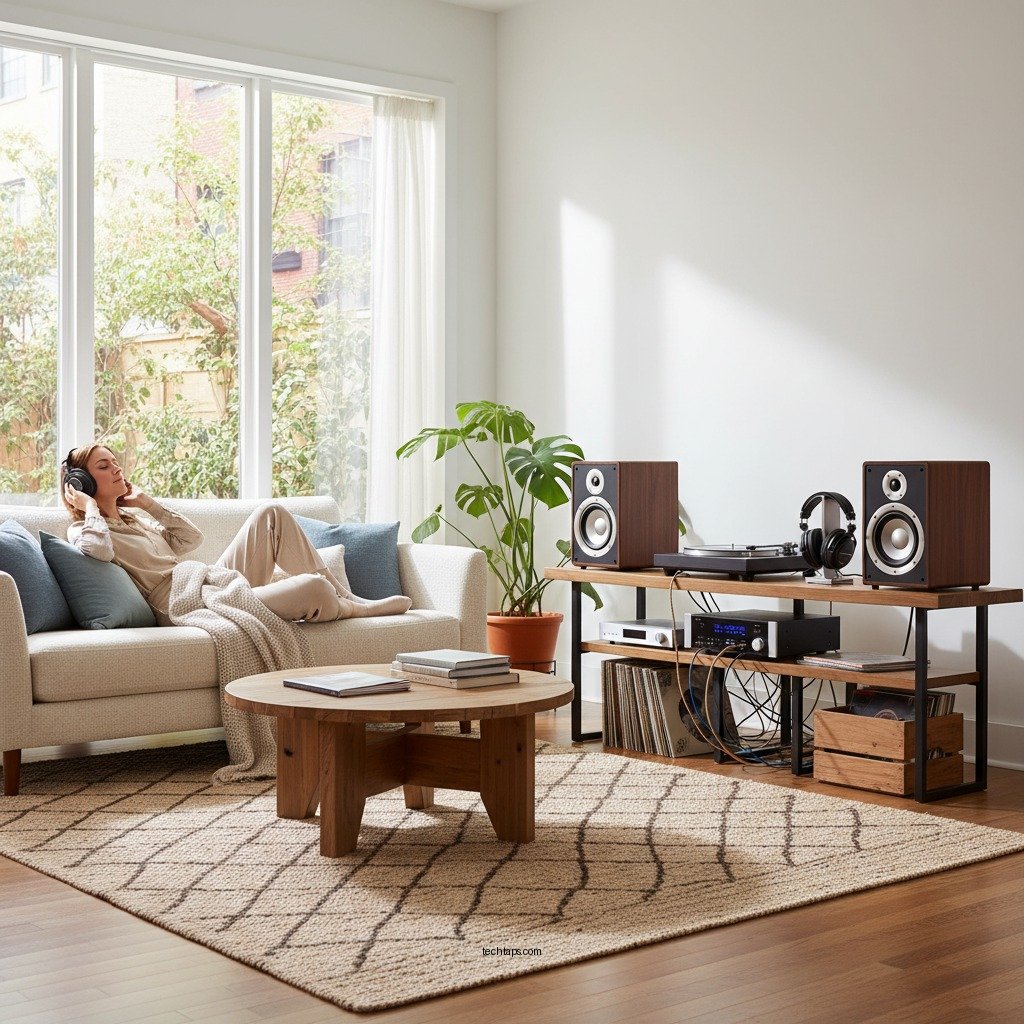
– Room Treatment: Use acoustic panels, rugs, and curtains to absorb sound reflections and reduce echo. This treatment can significantly improve sound clarity.
– Speaker Placement: Position your speakers at ear level and form an equilateral triangle with your listening position for optimal soundstage. Avoid placing them too close to walls, which can cause unwanted bass buildup.
– Room Dimensions: A room with balanced dimensions can help prevent sound distortion. Ideally, a room should not be too square; longer rooms often yield better acoustics.
Taking the time to arrange your listening space properly can elevate your audio experience to new heights, allowing you to enjoy the full benefits of high-resolution sound.
Cost Considerations and Budgeting
Investing in a high-resolution audio system can vary widely in terms of cost. Entry-level systems can start around $500, while high-end setups can easily exceed $5,000. However, the value proposition lies in the quality of sound and the immersive experience that high-resolution audio provides.
When budgeting for an audio system, consider allocating funds based on the importance of each component. A good DAC and quality speakers should be your top priorities, as these will have the most significant impact on your listening experience.
While it may seem daunting to invest in high-quality audio equipment, the satisfaction and enjoyment derived from a superior listening experience are often well worth the initial expense.
Current Trends in High-Resolution Audio
As technology continues to evolve, so does the world of high-resolution audio. Emerging trends include:
– Streaming Services: Platforms like Tidal and Qobuz are increasingly offering high-resolution audio streaming options, making high-quality music more accessible than ever.
– Wireless Technologies: Advancements in wireless technology, such as aptX HD and LDAC, allow for high-resolution audio transmission over Bluetooth, providing more flexibility in audio setups without sacrificing quality.
– Increased Availability of High-Resolution Content: More artists and record labels are releasing their music in high-resolution formats, catering to the growing demand from audiophiles and enthusiasts.
These trends signify that high-resolution audio is not just a niche market; it is rapidly becoming a standard in music consumption.
Getting Started with High-Resolution Audio
If you’re ready to embark on your journey into high-resolution audio, follow these steps to set up your first system:
1. Research and Choose Your Equipment: Begin by selecting the right DAC, speakers, and audio source that fit your budget and preferences.
2. Download High-Resolution Files: Explore platforms like HDtracks or Bandcamp to purchase and download high-resolution music files.
3. Set Up Your Listening Space: Arrange your room according to the tips provided earlier to ensure optimal acoustics.
4. Connect Your Equipment: Follow the manufacturer’s guidelines to set up and connect your audio components properly.
5. Test and Adjust: Play various tracks to test your system, making adjustments to your setup as needed for the best sound quality.
For further learning, consider joining online forums or communities focused on high-resolution audio, where you can share experiences and gain insights from fellow enthusiasts.
Summarizing the transformative benefits of a high-resolution audio system, it is clear that investing in quality audio can elevate your home entertainment experience. If you’re passionate about music and sound, consider taking the next step by exploring options that suit your needs and budget. Start your journey towards superior audio today!
Frequently Asked Questions
What are the benefits of investing in a high-resolution audio system for my home?
Investing in a high-resolution audio system enhances your listening experience with superior sound quality, clarity, and detail compared to standard audio formats. High-resolution audio captures a broader range of frequencies and dynamic range, making your favorite music sound more vibrant and lifelike. This can transform how you enjoy music, movies, and gaming in your home environment.
How does high-resolution audio differ from standard audio formats?
High-resolution audio formats offer higher sample rates and bit depths than standard audio formats like MP3 or CD quality. For example, while CDs are typically recorded at 16-bit/44.1 kHz, high-resolution audio can go up to 24-bit/192 kHz, allowing for more nuanced sound reproduction. This difference means that high-resolution audio can reproduce subtle details and complexities in music that standard formats may overlook.
Why should I upgrade my current audio system to a high-resolution one?
Upgrading to a high-resolution audio system allows you to experience your music library in a way that was previously unachievable with lower-quality systems. If you’re an audiophile or simply enjoy high-quality sound, a high-resolution system can reveal details in recordings that enhance your overall enjoyment. Additionally, many high-resolution systems come with modern features like streaming capabilities, making them versatile for various media.
Which high-resolution audio formats should I consider for my home system?
Popular high-resolution audio formats include FLAC, ALAC, DSD, and WAV, each offering unique advantages in terms of compression and quality. FLAC is widely supported and offers lossless compression, making it a great choice for those who want to save storage space without sacrificing sound quality. DSD is favored by audiophiles for its natural sound, while WAV offers uncompressed audio that is perfect for high-end systems.
What is the best way to set up a high-resolution audio system in my home?
To set up a high-resolution audio system effectively, start by choosing a quality digital-to-analog converter (DAC) that supports high-resolution formats. Pair this with high-quality speakers or headphones that can reproduce the enhanced sound. Additionally, ensure your source files are high-resolution and consider using a dedicated music player or streaming service that offers high-res audio options for the best experience.
References
- High-resolution audio
https://en.wikipedia.org/wiki/High-resolution_audio - https://www.bbc.com/culture/article/20200427-why-does-high-resolution-audio-matter
https://www.bbc.com/culture/article/20200427-why-does-high-resolution-audio-matter - https://www.verywellmind.com/the-benefits-of-listening-to-music-5192260
https://www.verywellmind.com/the-benefits-of-listening-to-music-5192260 - https://www.sciencedirect.com/science/article/pii/S2352914821002332
https://www.sciencedirect.com/science/article/pii/S2352914821002332 - https://www.ncbi.nlm.nih.gov/pmc/articles/PMC6080826/
https://www.ncbi.nlm.nih.gov/pmc/articles/PMC6080826/ - https://www.nytimes.com/wirecutter/blog/high-resolution-audio/
https://www.nytimes.com/wirecutter/blog/high-resolution-audio/ - https://www.theguardian.com/music/2021/may/12/high-resolution-audio-sound-quality
https://www.theguardian.com/music/2021/may/12/high-resolution-audio-sound-quality - Google Scholar Google Scholar
https://scholar.google.com/scholar?q=high+resolution+audio+system+benefits - Google Scholar Google Scholar
https://scholar.google.com/scholar?q=high+quality+audio+home+system - Google Scholar Google Scholar
https://scholar.google.com/scholar?q=high-resolution+audio+research
