

Installing an amplifier in your car can drastically improve your audio experience, delivering rich, powerful sound that transforms your daily drives into a concert-like experience. In this guide, you’ll learn the essential steps for a successful installation, including the tools you’ll need and vital tips to ensure everything runs smoothly. Let’s dive into the world of car audio enhancement!
Understanding Your Amplifier

Before diving into the installation process, it’s important to understand the type of amplifier that best suits your needs. There are primarily two types of amplifiers: Class A and Class D. Class A amplifiers are known for their high sound quality but are less efficient and produce more heat, making them suitable for enthusiasts who prioritize audio fidelity over power consumption. On the other hand, Class D amplifiers are highly efficient, compact, and ideal for car installations where space and power usage are concerns. They deliver great sound quality while consuming less power, making them a popular choice among car audio lovers.
Matching your amplifier with your car’s audio system is crucial. Ensure that the amplifier’s power output matches the wattage requirements of your speakers for optimal performance. This prevents damage from overloading or underpowering your speakers, ultimately leading to a balanced and enjoyable listening experience.
Tools and Materials Needed
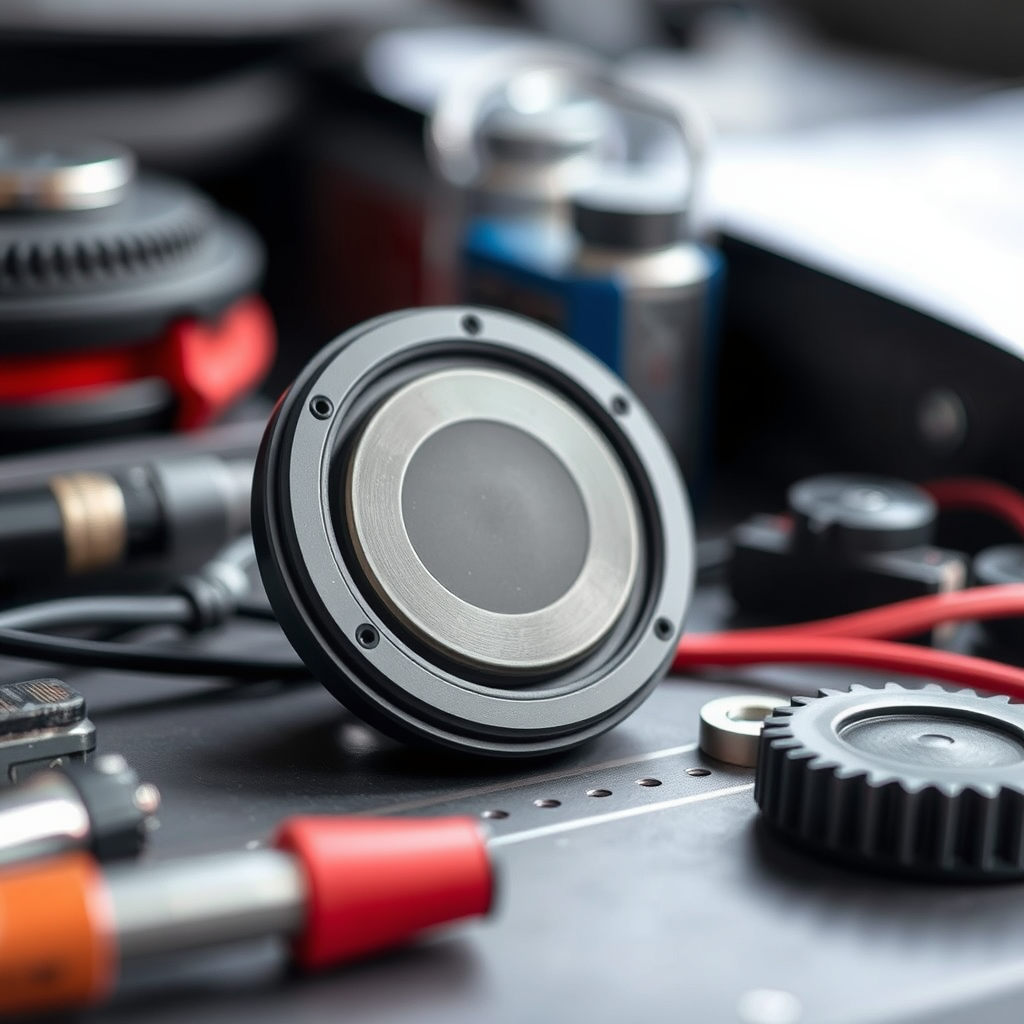
Before you start the installation, gathering the right tools and materials is essential to avoid interruptions. Here’s a comprehensive list of what you’ll need:
Essential Tools:
– Wire Strippers: For stripping the insulation off your power and speaker wires.
– Screwdrivers: Both Phillips and flathead for securing the amplifier and any panels you may need to remove.
– Socket Wrench Set: Useful for loosening battery terminals and securing the amplifier.
– Drill and Drill Bits: If you need to mount the amplifier in a specific location.
– Multimeter: To test voltage and ensure proper connections.
Necessary Materials:
– Power Cables: Heavy gauge wiring is crucial to handle the current from the battery to the amplifier.
– RCA Cables: These connect your head unit to the amplifier and are essential for transmitting audio signals.
– Fuses: To protect your amplifier and wiring from potential overloads.
– Speaker Wires: To connect the amplifier to your speakers.
– Distribution Block (optional): If you plan to power multiple amplifiers from one wire.
Preparing Your Car for Installation
Safety is paramount when working with electrical systems in your vehicle. Always start by disconnecting the battery. This prevents any electrical mishaps that could occur while you’re working on the system. Once the battery is disconnected, you can begin to choose the right location for your amplifier. Common places include the trunk or under a seat, where it can be hidden away yet still receive adequate ventilation. Before deciding, consider accessibility for adjustments and the length of your wiring runs.
Wiring the Amplifier
With your tools ready and your car prepared, it’s time to start wiring the amplifier. Begin by connecting the power wire from the battery to the amplifier. Ensure that you use a fuse within 18 inches of the battery to protect against short circuits. The ground wire should be connected to a clean, unpainted metal surface to ensure a good connection—this is vital for optimal performance and to avoid noise issues.
When running RCA cables from the head unit to the amplifier, take care to route them away from power cables. This helps minimize interference and noise in your audio signal. It’s often helpful to use zip ties or cable clips to keep everything tidy and organized.
Testing Your Installation
Once everything is wired up, it’s time for the moment of truth—testing your installation. Reconnect the battery and check all your connections to ensure everything is secure. Turn on your car’s audio system and play some familiar tracks at a moderate volume. Listen for any distortion or unwanted noises, which may indicate a wiring issue. Adjust the gain and crossover settings on your amplifier to tailor the sound to your liking. This process can take a bit of tweaking, so be patient and make adjustments as you listen.
Troubleshooting Common Issues
If you encounter problems such as overheating or distortion, start by checking your wiring. Ensure that all connections are secure and that the power and ground wires are correctly installed. Overheating can often result from inadequate ventilation or an overload; ensure your amplifier is in a space that allows for airflow. Distortion may result from incorrect gain settings or potentially damaged speakers, so double-check your setup and settings.
Additionally, make sure you’re using a clean power source. Ground loops can introduce noise into your system, so consider using a ground loop isolator if you’re experiencing unwanted sound interference.
Maintenance Tips for Your Amplifier
To ensure your amplifier continues to perform at its best, regular maintenance is key. Inspect connections periodically to ensure they remain secure and free from corrosion. Keeping the amplifier clean and dust-free is also important, as dust buildup can lead to overheating and other issues. If you notice your sound quality diminishing or if your amplifier is struggling to perform, it may be time to consider upgrading or replacing it. Look for newer models that offer improved efficiency and sound quality, ensuring your car audio system stays at the cutting edge.
Summarizing the process of installing an amplifier in your car can empower you to enjoy a superior audio experience. By following the outlined steps, you can achieve a professional-level installation. Ready to boost your car’s sound system? Gather your tools and get started! Whether you’re a seasoned car audio enthusiast or a beginner, installing an amplifier can be a rewarding project that enhances your driving experience. Happy listening!
Frequently Asked Questions
What tools do I need to install an amplifier in my car?
To install an amplifier in your car, you’ll need a few essential tools, including a wire stripper, a screwdriver set, a socket wrench, and a multimeter for checking connections. Additionally, having a power drill can be useful for securing the amplifier in place. Don’t forget to gather materials like power wires, ground wires, RCA cables, and fuses to ensure a complete installation.
How do I find the best location to mount my amplifier in my car?
The best location to mount your amplifier in your car is typically in the trunk, under a seat, or in a storage compartment, as these areas provide good ventilation and stability. Ensure the location is accessible for future adjustments and has enough space for wiring while avoiding areas that may be exposed to moisture or excessive heat. Always prioritize a secure mount to prevent movement while driving.
Why is it important to properly ground an amplifier during installation?
Proper grounding of an amplifier is crucial because it minimizes noise and ensures optimal performance. A poor ground connection can lead to unwanted humming or buzzing sounds in your audio system, and it may even cause the amplifier to overheat or become damaged. Always use a dedicated ground wire connected directly to the vehicle’s chassis for the best results.
Which power wire gauge should I use for my car amplifier installation?
The power wire gauge you should use for your car amplifier installation depends on the wattage of the amplifier. For most amplifiers under 1000 watts, a 4-gauge wire is recommended, while higher-powered amplifiers may require a 0-gauge wire for optimal current flow. Always consult the amplifier’s manual for specific recommendations to ensure safe and efficient performance.
How can I troubleshoot common issues after installing my car amplifier?
If you encounter issues after installing your car amplifier, start by checking all connections, including power, ground, and speaker wires, to ensure they are secure and properly connected. Use a multimeter to test voltage at the amplifier to confirm it’s receiving power. If sound is distorted or absent, check the settings on your head unit and amplifier, and make sure the input signals are correctly set up. If problems persist, consider consulting the amplifier’s manual or seeking professional installation help.
References
- Vehicle audio
- https://www.edmunds.com/car-technology/how-to-install-a-car-amplifier.html
- https://www.crutchfield.com/S-4X1hB1yA0Yq/learn/how-to-install-a-car-amplifier.html
- https://www.cnet.com/tech/home-entertainment/how-to-install-a-car-amplifier/
- https://www.pcmag.com/how-to/how-to-install-a-car-amplifier
- The Association for the Advancement of Artificial Intelligence
- https://www.nhtsa.gov/equipment/car-audio-systems