In today’s video production landscape, the best mirrorless cameras offer exceptional quality, versatility, and advanced features that cater to professional videographers. From unparalleled low-light performance to high-resolution video capabilities, these cameras are designed to meet the demands of any filming environment. Whether you’re shooting a documentary, a commercial, or a narrative film, choosing the right mirrorless camera can elevate your production quality significantly.




Key Features to Look For
When selecting a mirrorless camera for video production, several features are paramount to ensuring you achieve the best results.
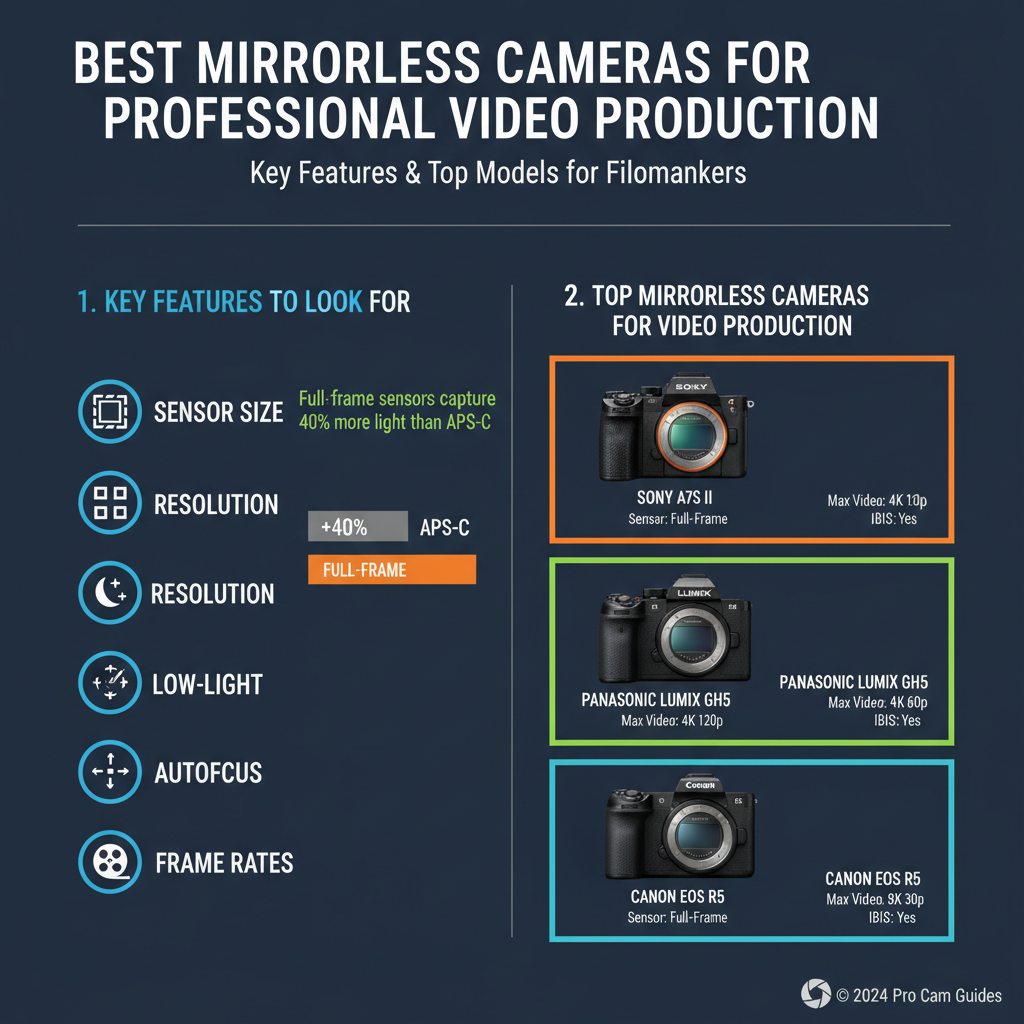
– Sensor Size and Resolution: The sensor size directly influences the image quality, particularly in low-light situations. A larger sensor, such as a full-frame sensor, captures more light and detail, resulting in a cleaner image with better dynamic range. Look for cameras that offer at least 20-24 megapixels for optimal resolution and clarity, especially if you plan to crop your footage during editing.
– Video Recording Capabilities: Make sure the camera can record in at least 4K resolution, which is now the standard for professional video work. Frame rates are also crucial; options for 60fps, 120fps, or even higher allow for smooth slow-motion shots. Features like 10-bit color depth and log profiles can enhance post-production flexibility, giving you a greater range of color correction options.
– Autofocus Systems: A reliable autofocus system is essential, especially in dynamic shooting scenarios. Look for cameras with fast, accurate, and silent autofocus capabilities, such as Dual Pixel AF from Canon or Fast Hybrid AF from Sony. This ensures your subject remains sharp, even during fast-paced action sequences.
Top Mirrorless Cameras for Video Production
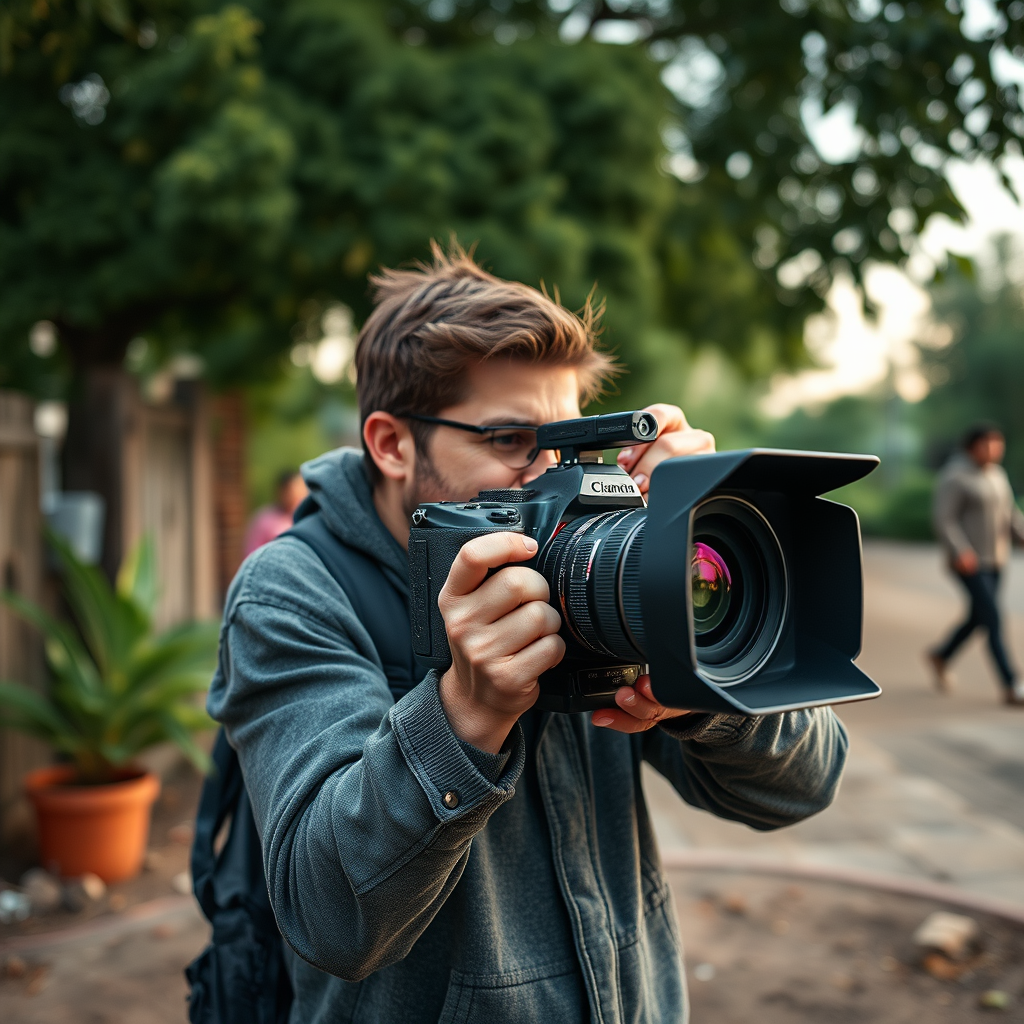
When it comes to the best mirrorless cameras for professional video production, two models stand out for their exceptional capabilities.
– Sony A7S III: This camera has earned a reputation as a favorite among videographers for its phenomenal low-light performance. With a full-frame 12.1MP sensor, it excels in producing high-quality footage even in dimly lit environments. The A7S III supports 4K video recording at up to 120fps and 10-bit 4:2:2 internal recording, making it a powerhouse for cinematic applications. Its impressive autofocus and in-body stabilization further enhance its appeal, ensuring smooth and sharp visuals.
– Canon EOS R5: With its ability to shoot 8K video at 30fps and 4K at up to 120fps, the Canon EOS R5 is a dream for filmmakers seeking high-resolution output. The camera features a 45MP full-frame sensor, providing stunning detail and color accuracy. Canon’s renowned color science shines through, giving a cinematic look straight out of the camera. The R5 also includes in-body image stabilization, which is crucial for handheld shooting, making it a versatile choice for various filming scenarios.
Lens Compatibility and Options
One of the significant advantages of mirrorless cameras is their compatibility with a wide range of lenses, allowing for creative flexibility in your video work.
– Interchangeable Lenses: The ability to switch lenses means you can adapt to different shooting situations, whether you need a wide-angle lens for expansive landscapes or a telephoto lens for capturing distant subjects. This versatility is essential for professional video production, where varying perspectives and focal lengths can significantly impact storytelling.
– Recommendations for Lenses: For prime lenses, consider the Sony 24mm f/1.4 GM or Canon RF 50mm f/1.2L for their exceptional sharpness and low-light performance. If you prefer zoom lenses, the Sony 24-70mm f/2.8 GM and Canon RF 24-70mm f/2.8L are excellent choices, providing versatility for a range of shooting scenarios without sacrificing quality.
Additional Accessories for Filmmaking
To truly elevate your video production quality, investing in the right accessories is just as important as choosing the camera.
– Stabilizers and Gimbals: Smooth, stable footage is a hallmark of professional video production. Gimbals like the DJI Ronin-S or the Zhiyun Crane 2S can help you achieve fluid motion, especially for tracking shots or dynamic scenes. These devices eliminate shaky footage and allow you to move freely while maintaining stability.
– Microphones and External Recorders: Good audio quality is just as crucial as high-quality visuals. Consider using shotgun microphones, like the Rode VideoMic Pro, or lavalier mics for interviews. Pairing these with external audio recorders, such as the Zoom H5, can improve your sound quality significantly. Always prioritize audio equipment to ensure your production meets professional standards.
Budget Considerations
Budget plays a critical role in selecting the appropriate mirrorless camera and accessories for your video production needs.
– Mid-range vs. High-end Options: Mid-range cameras like the Fujifilm X-T4 or Panasonic Lumix GH5 offer excellent video capabilities without breaking the bank. They provide robust features suitable for professional work while being more accessible for those on a tighter budget. In contrast, high-end options like the Sony A7S III and Canon EOS R5 come with advanced functionalities but at a higher price point.
– Balancing Cost with Feature Needs: It’s essential to evaluate your specific filming requirements and decide which features are non-negotiable. Investing more in a camera that meets your long-term needs can save you money in the long run, as you won’t need to upgrade as frequently. Consider renting higher-end gear for specific projects if purchasing isn’t feasible.
User Reviews and Expert Opinions
Understanding real-world experiences can guide your decision-making process significantly.
– Insights from Videographers: Many professional videographers praise the Sony A7S III for its low-light capabilities and versatility, particularly for documentary and event work. Users have highlighted its intuitive interface and customizable settings as major benefits.
– Comparisons on Performance: Canon EOS R5 users frequently commend its stunning image quality and color reproduction, which can reduce the need for extensive color grading in post-production. However, some have raised concerns about overheating during extended recording sessions, which is essential to consider.
Future Trends in Mirrorless Video Technology
As technology continues to evolve, the future of mirrorless video production holds exciting possibilities.
– Emerging Technologies: Developments such as artificial intelligence autofocus, improved in-body stabilization, and enhanced low-light performance are already making waves. These innovations will likely become standard features in upcoming models, further elevating the capabilities of mirrorless cameras.
– Predictions for Enhancements: As manufacturers invest in research and development, we can expect significant advancements in areas like dynamic range and frame rates. These enhancements will not only make filming easier but will also open new avenues for storytelling techniques in video production.
Summarizing the best mirrorless cameras for professional video production, we’ve highlighted essential features, top models, and the importance of accessories. By considering your specific filming needs and budget, you can choose the right camera that will elevate your video projects. Explore the options discussed and start capturing stunning visuals today!
Frequently Asked Questions
What features should I look for in the best mirrorless cameras for professional video production?
When selecting the best mirrorless cameras for professional video production, focus on features such as 4K video recording capability, high frame rates, and excellent low-light performance. Additionally, consider cameras with in-body image stabilization (IBIS) to reduce shake, as well as a wide dynamic range to capture more detail in highlights and shadows. Other important features include external microphone inputs, headphone outputs for audio monitoring, and customizable settings for ease of use during shoots.
How does the autofocus system in mirrorless cameras affect video quality?
The autofocus system in mirrorless cameras is crucial for achieving high-quality video, especially in dynamic shooting environments. Look for cameras with fast and reliable phase-detection autofocus, as well as features like eye-tracking and subject recognition, which help maintain focus on moving subjects. A superior autofocus system can significantly reduce the chances of focus hunting, ensuring smooth transitions and crisp images throughout your video projects.
Why are mirrorless cameras becoming the preferred choice for professional videographers?
Mirrorless cameras are increasingly favored by professional videographers due to their compact size, lightweight design, and advanced technology. They offer superior video performance with features like 4K recording, faster shooting speeds, and improved low-light capabilities compared to traditional DSLRs. Additionally, mirrorless systems often provide better electronic viewfinders, allowing for real-time exposure and focus adjustments, which are invaluable during video shoots.
Which brands offer the best mirrorless cameras for professional video production?
Several brands are recognized for producing top-tier mirrorless cameras suitable for professional video production. Sony, with its A7 series and FX series, is renowned for its video quality and extensive lens options. Canon’s EOS R series has made significant strides in video capabilities, while Panasonic’s Lumix GH series is celebrated for its video-centric features and ergonomics. Fujifilm also offers compelling options, especially for those interested in high-quality color science and film simulation modes.
What are the benefits of using a mirrorless camera over a DSLR for video work?
The benefits of using a mirrorless camera over a DSLR for video work include a lighter and more compact form factor, which enhances mobility during shoots. Mirrorless cameras typically offer superior video features such as faster and more accurate autofocus, better electronic viewfinders, and silent shooting modes, which are beneficial in quiet environments. Additionally, the absence of a mirror mechanism allows for faster continuous shooting rates, resulting in smoother footage during action sequences.
References
- Mirrorless camera
- https://www.theverge.com/2019/1/28/18194776/best-mirrorless-cameras-video-production
- https://www.bbc.com/culture/article/20210701-the-best-cameras-for-videographers
- https://www.nytimes.com/wirecutter/reviews/best-mirrorless-cameras/
- https://www.petaPixel.com/2020/06/12/the-best-mirrorless-cameras-for-video-production/
- Learn Photography & Explore Our Articles | Nikon