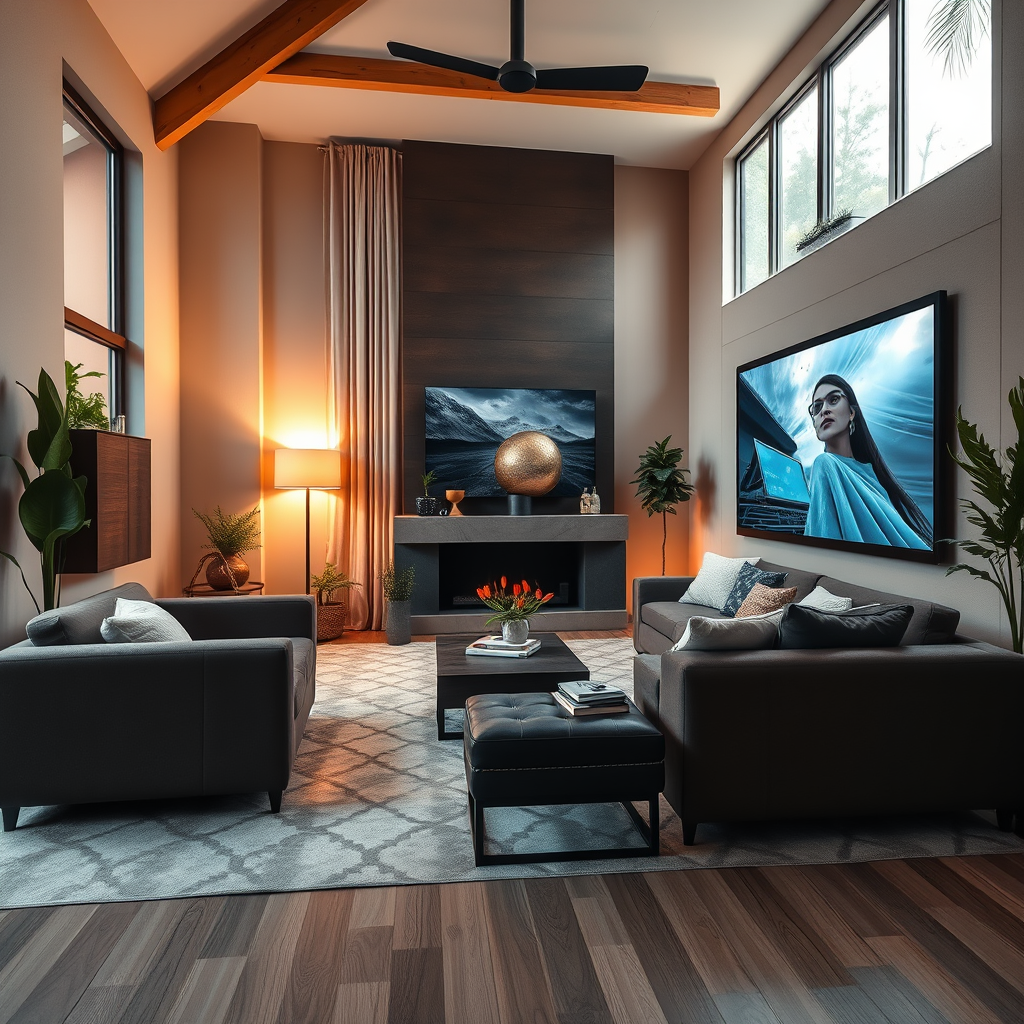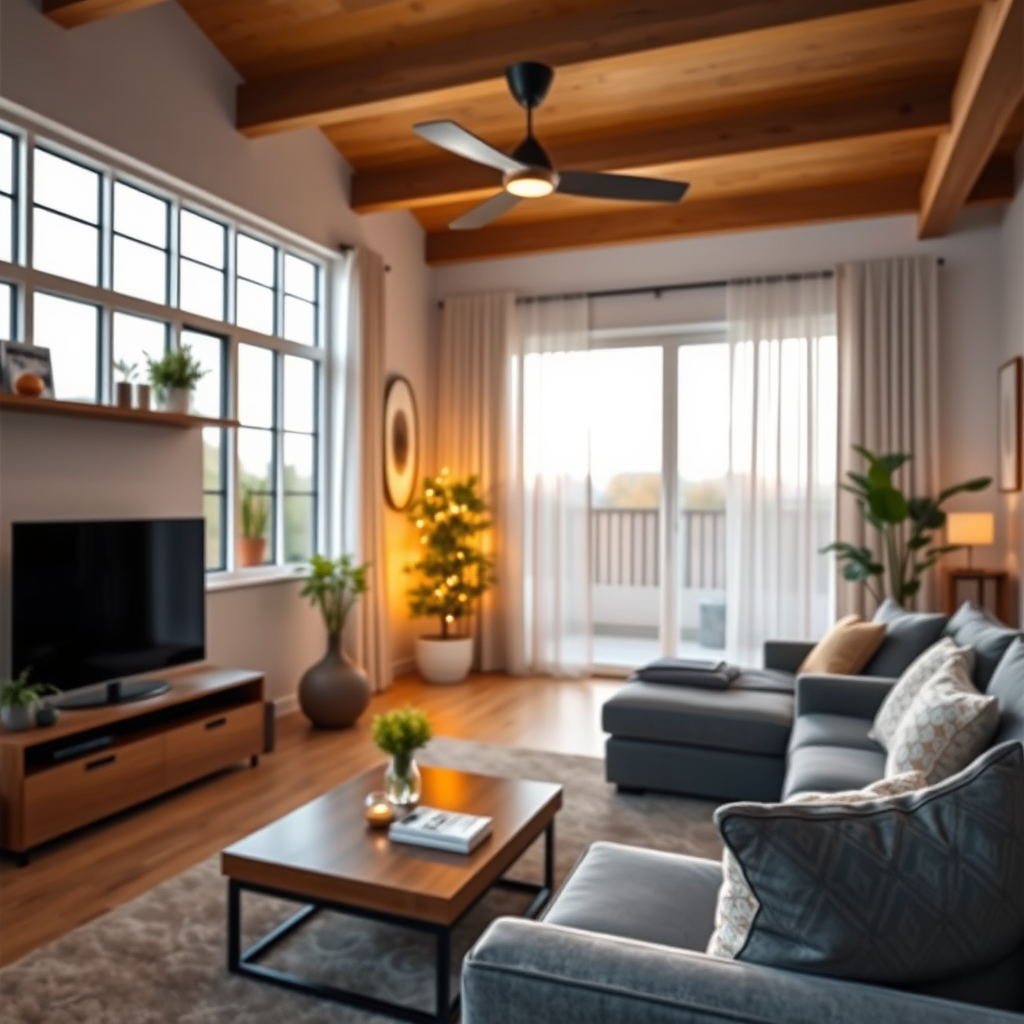
Smart windows utilize advanced AI technology to dynamically adjust their transparency and thermal properties, optimizing energy efficiency and comfort in living spaces. These innovative systems not only reduce energy consumption but also enhance the overall living experience by providing a customizable environment. In this article, you will learn how these systems work, the myriad benefits they offer, and their transformative impact on modern architecture.




Understanding AI-Powered Smart Windows

Smart windows, also known as dynamic windows, are designed to adapt to changing environmental conditions using advanced materials and technology. At their core, they typically incorporate electrochromic or thermochromic materials, which alter their transparency based on an electrical charge or temperature changes, respectively. The integration of artificial intelligence elevates their functionality, allowing these windows to analyze data from various sensors, such as light, temperature, and even user preferences. This enables them to make real-time adjustments, optimizing comfort and energy efficiency. For example, if the sun’s rays are intense, the AI can instruct the windows to darken, reducing glare and keeping indoor temperatures comfortable.
How Smart Windows Adjust Transparency

The mechanism behind smart windows involves cutting-edge materials that respond to external stimuli. Electrochromic materials change color and transparency when an electric current is applied, allowing for instant changes in opacity. Conversely, thermochromic materials react to temperature fluctuations, becoming darker when exposed to heat. These adjustments can significantly enhance the livability of a space by controlling how much natural light enters and how much heat is retained or released. For instance, on a bright summer day, smart windows can automatically transition to a darker state, reducing the need for air conditioning and maintaining a pleasant indoor climate. Environmental factors such as sunlight intensity and temperature not only influence the window’s opacity but are also monitored by smart sensors that feed data back to the AI, ensuring optimal performance at all times.
Energy Efficiency and Cost Savings
One of the most compelling advantages of AI-powered smart windows is their contribution to energy conservation. By regulating the amount of heat and light that enters a building, these windows can reduce reliance on heating and cooling systems. A study by the U.S. Department of Energy found that smart windows could cut energy costs by as much as 30% in commercial buildings. For homeowners, this translates to significant financial savings on heating and cooling bills. Additionally, the reduction in energy consumption contributes to a smaller carbon footprint, aligning with global efforts to combat climate change. By investing in smart window technology, homeowners not only enhance their comfort but also make a responsible choice for the environment.
Enhancing Comfort and Aesthetics
Smart windows do more than just save energy; they also improve the overall comfort and aesthetics of living spaces. By providing better control over indoor climate, they help maintain a consistent temperature and reduce reliance on artificial lighting. This is particularly beneficial in home offices or schools where concentration and comfort are paramount. Moreover, the aesthetic appeal of smart windows is undeniable. With sleek designs and the ability to adjust opacity at the touch of a button, they offer homeowners and architects design flexibility that traditional windows cannot match. Imagine a home that can transition from a bright, open space during the day to a cozy, dimly-lit environment at night, all without the need for heavy curtains or blinds!
Integration with Smart Home Systems
Another exciting aspect of AI-powered smart windows is their compatibility with existing smart home systems. Many modern homes already feature automation technologies that control lighting, temperature, and security. Smart windows can easily be integrated into these systems, allowing users to manage their window settings alongside other smart devices. For instance, you can program your smart windows to close automatically in response to a weather alert, or adjust their tint based on the time of day. This seamless integration not only enhances user experience but also adds an extra layer of convenience, making it easier for homeowners to maintain an energy-efficient and comfortable living space.
Emerging Trends in Smart Window Technology
The field of smart window technology is continuously evolving, with recent advancements pushing the boundaries of what these systems can achieve. Innovations such as dynamic glazing, which can switch from clear to tinted within seconds, are becoming more commonplace. Furthermore, with the rise of AI, these windows are becoming increasingly intelligent, capable of learning user preferences and adapting accordingly. Future prospects may include even more sophisticated integrations, such as predictive capabilities that anticipate changes in weather based on historical data and adjust window properties proactively. As architects and builders recognize the benefits of smart windows, we can expect to see them become a standard feature in new constructions, transforming how we think about building design and energy efficiency.
Incorporating AI-powered smart windows into your home can significantly enhance energy efficiency, comfort, and design aesthetics. By understanding their functionality and benefits, you can make informed decisions about integrating this cutting-edge technology into your living space. Embrace the future of smart architecture today! Whether you’re a homeowner looking to upgrade or an architect seeking innovative design solutions, smart windows represent a remarkable leap forward in creating sustainable and comfortable environments.
Frequently Asked Questions
What are AI-powered smart windows and how do they work?
AI-powered smart windows are innovative glass systems that utilize advanced technologies, including sensors and artificial intelligence, to dynamically control light and heat entering a building. By adjusting their tint or transparency in response to environmental conditions, these windows enhance energy efficiency, reduce glare, and improve indoor comfort. The incorporation of machine learning algorithms enables the windows to learn user preferences and adapt automatically to optimize natural light and energy consumption.
How do AI smart windows contribute to energy savings in buildings?
AI smart windows significantly contribute to energy savings by regulating heat and light levels, thereby reducing the need for artificial heating and cooling systems. For instance, during sunny days, these windows can darken to minimize heat gain, lowering air conditioning costs. By intelligently managing solar heat and light based on real-time data, AI smart windows can help buildings achieve substantial energy efficiency, often resulting in lower utility bills and a reduced carbon footprint.
Why should I consider installing AI-powered smart windows in my home?
Installing AI-powered smart windows in your home can provide numerous benefits, including enhanced comfort, energy efficiency, and increased property value. These windows adapt to changing weather conditions and personal preferences, creating a more pleasant living environment while also lowering energy costs. Additionally, the modern aesthetic of smart windows can improve the overall look of your home, making them a worthwhile investment for both functionality and style.
What are the best applications for AI smart windows in commercial buildings?
The best applications for AI smart windows in commercial buildings include office spaces, retail environments, and hospitality venues. In office settings, these windows can reduce glare on screens and maintain a comfortable temperature, enhancing employee productivity. In retail locations, smart windows can create an inviting atmosphere by adjusting transparency to showcase products while controlling interior lighting. Furthermore, hotels can use AI smart windows to optimize guest comfort and energy use, ultimately enhancing the overall guest experience.
Which technologies are commonly used in AI-powered smart windows?
AI-powered smart windows typically incorporate technologies such as electrochromic glass, thermochromic materials, and embedded sensors. Electrochromic glass changes its tint in response to electrical currents, while thermochromic materials react to temperature changes for passive control of light and heat. Additionally, sensors monitor environmental factors like sunlight intensity and temperature, allowing the system to make real-time adjustments. Together, these technologies create an intelligent window solution that enhances energy efficiency and user comfort.
References
- Smart glass
- https://www.energy.gov/eere/buildings/articles/how-smart-windows-work
- https://www.sciencedirect.com/science/article/pii/S136403211830615X
- https://www.researchgate.net/publication/327815235_Smart_windows_for_energy-efficient_buildings_A_review
- https://www.nist.gov/news-events/news/2020/09/smart-windows-new-materials-and-technology-optimize-light-and-energy-use
- https://www.naiop.org/Research-and-Publications/Magazine/Development-Ownership/2021/Winter-2021-2022-Issue-1-Vol-22-Num-1/Development-Ownership/Smart-Windows-How-They-Work-and-Why-They-Matter
- https://www.energy.gov/eere/solarpoweringamerica/events/solar-smart-windows-webinar
- https://www.bbc.com/future/article/20220929-how-smart-windows-could-help-to-reduce-energy-use
- https://www.nationalgeographic.com/science/article/how-smart-windows-work-and-why-they-matter