
Light field technology is poised to transform virtual reality (VR) headsets by providing enhanced visual realism and depth perception that traditional technologies struggle to achieve. This innovative approach captures and reproduces light as it travels, allowing users to immerse themselves in virtual environments with unprecedented clarity and a natural viewing experience. In this article, we will delve into how light field technology is reshaping the VR landscape, the myriad benefits it offers, and the challenges that remain on the horizon.
Understanding Light Field Technology
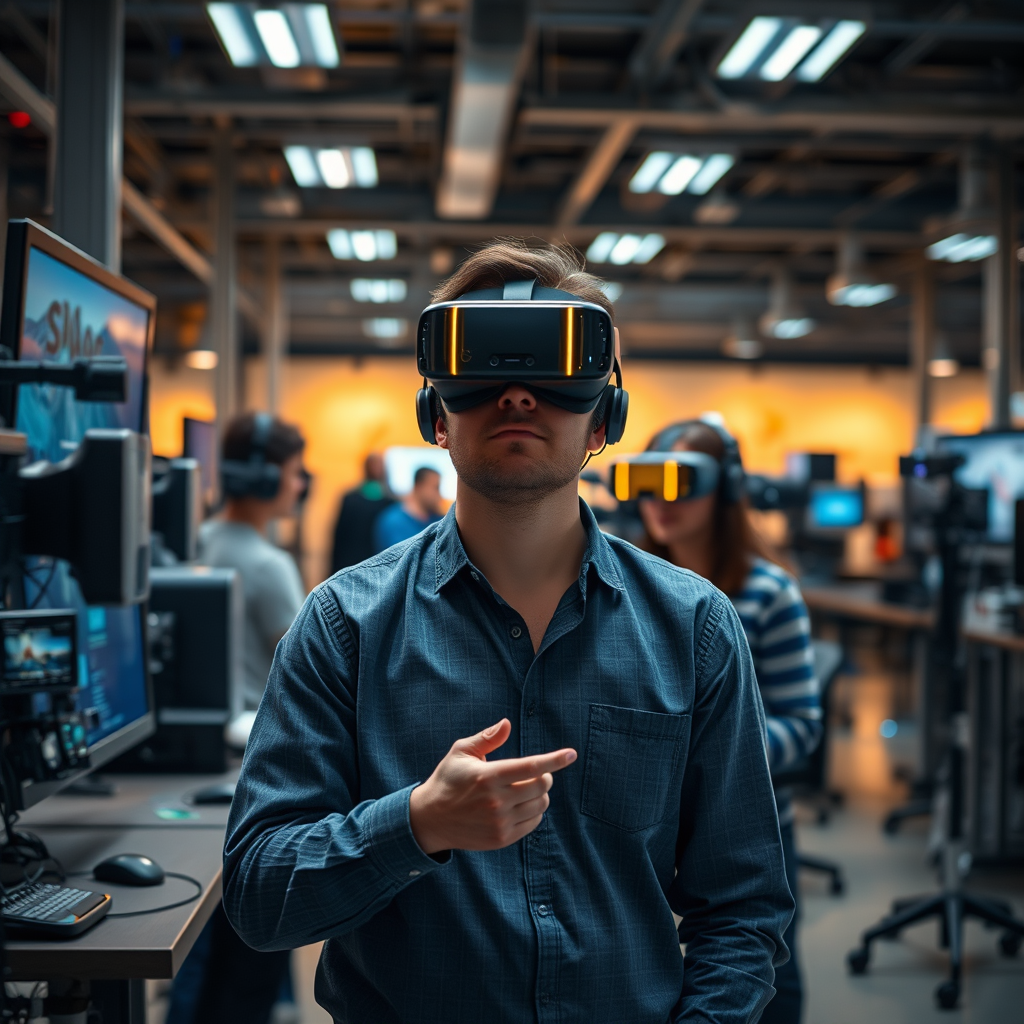
Light field technology represents a significant leap forward in how we perceive and interact with digital environments. Unlike traditional 3D displays that rely on fixed perspectives, light field technology captures the entirety of light emanating from a scene. This means it records the direction, intensity, and color of light rays, producing a comprehensive representation that allows viewers to see multiple angles of an object without needing to adjust their position.
Imagine standing in a room and being able to move your head slightly to view the intricate details of a sculpture from different angles, just as you would in real life. This capability enhances depth perception significantly, making virtual objects appear more three-dimensional and lifelike. By simulating the natural behavior of light, light field technology provides a sense of presence that traditional VR systems often lack, creating a more engaging user experience.
Enhanced Immersion and Realism
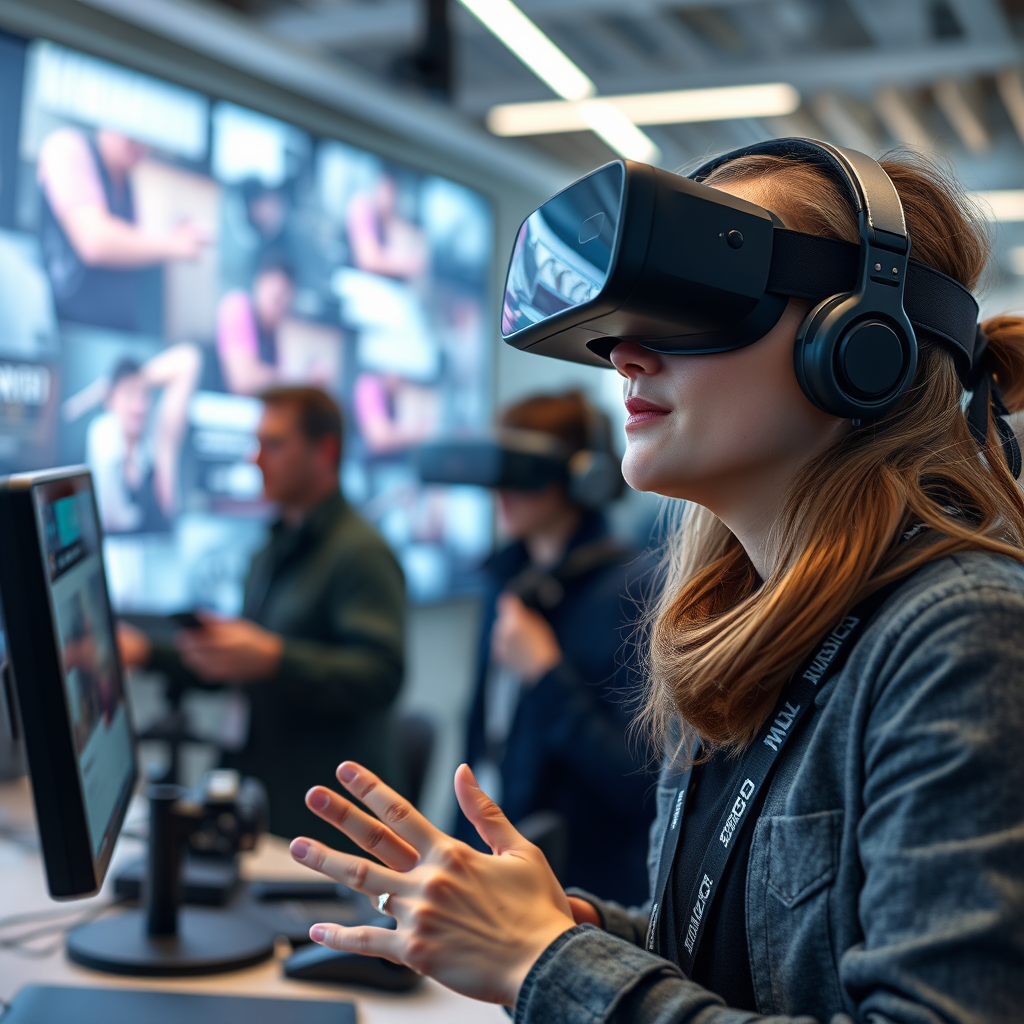
One of the standout features of light field technology is its ability to create enhanced immersion and realism in virtual environments. By simulating how light behaves in the real world, it allows users to perceive scenes as they would in real life. For example, when you look at a virtual landscape, the sunlight can realistically reflect off surfaces, casting shadows and illuminating textures in a way that feels authentic.
This level of detail contributes to a richer experience where users can appreciate subtle nuances in colors and textures. Imagine playing a VR game set in an ancient forest; with light field technology, the leaves might flutter in the wind, and the light filtering through the branches would create dynamic patterns on the forest floor. Such realism not only captivates users but also deepens their emotional connection to the virtual environment, making experiences more memorable and impactful.
Applications in VR Headsets
The applications of light field technology in VR headsets are vast and varied, offering exciting possibilities across different sectors. In the gaming industry, developers can create highly immersive worlds that draw players in, allowing them to explore environments in ways that feel intuitive and engaging. For instance, an adventure game might allow players to interact with characters and objects from multiple viewpoints, enhancing the overall gameplay experience.
Beyond gaming, light field technology has promising applications in training simulations. Industries such as medicine and aviation can leverage VR to simulate real-life scenarios with intricate details that aid in training. Imagine a medical student practicing surgery with a virtual patient that exhibits realistic anatomy and responds to the surgical tools used—this level of realism can significantly improve learning outcomes.
Additionally, light field technology can elevate virtual tourism experiences, allowing users to “visit” destinations around the globe without leaving their homes. Tourists can explore famous landmarks from various angles, experiencing the sights and sounds as if they were physically present. This capability not only broadens accessibility to travel but also enriches educational tools by providing immersive experiences that traditional methods simply cannot replicate.
Challenges to Implementation
Despite its promise, the implementation of light field technology in VR headsets does face several challenges. One of the primary hurdles is the current hardware limitations that may obstruct widespread adoption. Creating high-quality light field displays requires advanced optics and significant processing power, which can make devices bulky and expensive.
For consumers, this could mean higher costs for VR headsets that incorporate light field technology. The financial barrier may deter many potential users, particularly when budget-friendly options are already available in the market. Additionally, the complexity of developing algorithms that can efficiently render light fields poses a challenge for manufacturers striving to offer high-quality experiences without compromising performance or affordability.
Moreover, as the technology is still in its infancy, there is ongoing research and development needed to refine the optics involved and reduce the size and cost of necessary components. Until these challenges are addressed, the full potential of light field technology in VR remains largely untapped.
Future Developments in Light Field Technology
Looking ahead, the future of light field technology in VR is promising. Researchers and engineers are actively working on creating more compact and affordable light field displays that can be integrated into consumer VR headsets. Innovations in optical design and processing algorithms are paving the way for improved performance, enabling devices to deliver high-quality visuals without the need for cumbersome hardware.
For instance, advances in micro-optics could lead to lighter, more energy-efficient displays that still maintain the stunning visual fidelity that light field technology offers. As these developments progress, we may see a shift in how VR headsets are designed, with sleek, lightweight units becoming the norm rather than the exception.
Furthermore, as processing power increases and becomes more accessible, we can expect to see enhancements in real-time rendering capabilities. This means that users can enjoy seamless transitions and interactions in virtual environments, further blurring the lines between reality and the digital world.
Potential Impact on the VR Market
The integration of light field technology into VR headsets could significantly reshape the VR market landscape. As visual fidelity becomes a standard expectation for consumers, companies that embrace this technology are likely to gain a competitive edge. Brands that prioritize immersive experiences will attract a broader audience, driving innovation and pushing competitors to adapt to these new standards.
Moreover, as the technology becomes more mainstream, it could open new avenues for content creation, leading to a surge in demand for high-quality VR experiences. From entertainment to education, industries will likely explore how light field technology can enhance their offerings, leading to a more vibrant and diverse VR ecosystem.
As consumers begin to recognize the enhanced experiences that light field technology can provide, it could lead to a shift in how virtual reality is perceived overall. No longer seen as a niche market, VR could become a fundamental part of daily life, influencing how we interact with digital content, learn, and even socialize.
The advancements in light field technology are poised to elevate the capabilities of VR headsets significantly. As challenges are addressed and innovations emerge, we can expect to see more immersive and realistic virtual experiences in the near future. Stay informed and consider exploring how these advancements may enhance your own VR experiences, whether for entertainment, education, or professional development. The future of virtual reality is bright, and light field technology is leading the way!
Frequently Asked Questions
What is light field technology and how does it enhance VR headsets?
Light field technology captures and displays a scene in three-dimensional space by recording the light rays emitted from all points in the environment. In VR headsets, this technology creates a more immersive experience by allowing users to see depth and perspective from different angles, much like how we perceive the real world. This results in reduced motion sickness and a more natural viewing experience, making light field technology a game-changer for virtual reality applications.
How does light field technology improve the quality of virtual reality experiences?
Light field technology enhances virtual reality experiences by providing a richer and more realistic visual representation. By allowing light rays to be manipulated in real-time, users can enjoy dynamic focal depth and improved visual clarity. This not only makes environments appear more lifelike but also supports interactions that feel more intuitive, ultimately leading to longer and more enjoyable VR sessions.
Why is light field technology considered essential for the future of VR headsets?
Light field technology is deemed essential for the future of VR headsets because it addresses key limitations of current VR displays, such as flat images and lack of depth perception. As VR applications expand into gaming, education, and training simulations, the demand for more immersive experiences increases. Light field technology promises to bridge the gap between virtual and real worlds, making VR more accessible and appealing to a broader audience.
Which VR headsets currently utilize light field technology, and what are their features?
As of now, several cutting-edge VR headsets are incorporating light field technology, such as the Magic Leap One and the Varjo XR-3. These headsets offer features like high-fidelity visuals, mixed reality capabilities, and advanced tracking systems that enhance user interaction. The integration of light field technology allows these devices to deliver unparalleled experiences, making them stand out in a competitive market.
What are the potential challenges of integrating light field technology into VR headsets?
Integrating light field technology into VR headsets presents several challenges, including high production costs and the need for advanced computational power. Additionally, creating lightweight, portable designs that can deliver the intricate visuals of light field technology without compromising battery life can be complex. Overcoming these hurdles will be crucial for widespread adoption and the development of consumer-friendly light field VR headsets in the future.
References
- Light field
- https://www.sciencedirect.com/science/article/pii/S0360132319300240
- https://www.nature.com/articles/s41599-019-0225-1
- https://www.techrepublic.com/article/the-future-of-virtual-reality-light-field-technology-and-vr-headsets/
- https://www.researchgate.net/publication/331234567_Light_Field_Technology_for_Virtual_Reality_Applications
- https://www.bbc.com/news/technology-54120080
- https://www.frontiersin.org/articles/10.3389/fpsyg.2021.641618/full
- https://www.technologyreview.com/2021/05/25/1025380/virtual-reality-light-field-technology/
- https://www.wired.com/story/light-field-technology-vr-headsets/