Foldable displays are set to revolutionize not just smartphones but a wide range of devices in various industries, offering innovative solutions to size and versatility. As technology continues to advance, foldable screens are emerging as a versatile solution for enhancing user experiences in tablets, wearables, home devices, and even automotive systems. This article explores the potential applications of foldable technology beyond mobile phones, discussing its implications for tablets, wearables, and other forms of technology.



The Rise of Foldable Technology
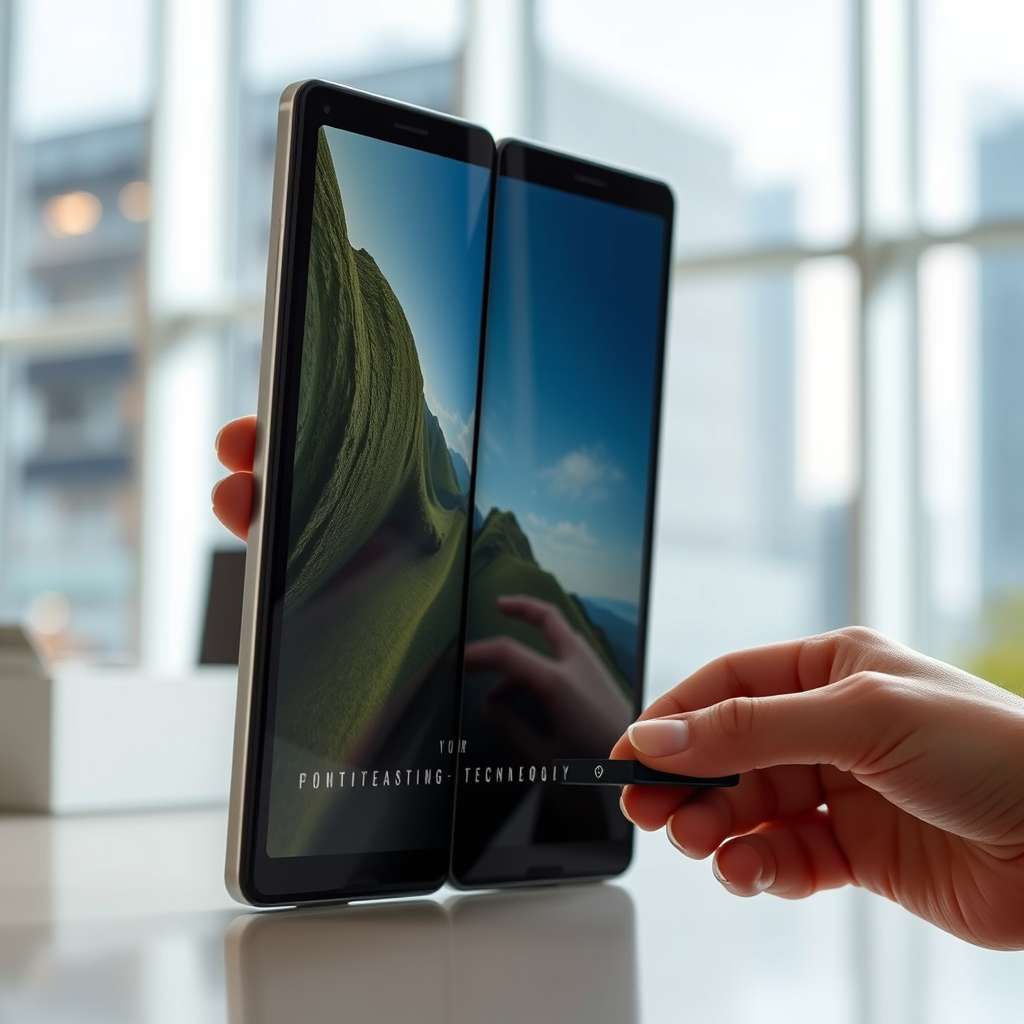
Foldable display technology has made remarkable strides over the past few years, evolving from a futuristic concept into a tangible reality. Advancements in materials science, particularly with flexible OLED (Organic Light Emitting Diode) technology, have made it possible to create displays that can bend, fold, and flex without losing quality. Companies like Samsung, Huawei, and LG are at the forefront of this innovation, pushing the boundaries of what’s possible. Samsung’s Galaxy Z Fold and Flip series are prime examples of how foldable screens can offer users a new way to interact with their devices, combining the functionality of multiple devices into one. As these manufacturers continue to refine the technology, we can expect a broader range of applications across various sectors.
Applications in Tablets

Foldable displays can significantly enhance tablet usability and functionality, transforming how we engage with digital content. Imagine a tablet that unfolds into a larger screen for immersive video watching, then folds back into a compact size for easy transport. The flexibility of foldable technology allows for a multi-tasking experience that traditional tablets struggle to provide. For instance, users could have a video call on one half of the screen while taking notes or browsing the web on the other, enhancing productivity without the need for multiple devices. Additionally, with improved portability, foldable tablets could be ideal for students and professionals who need to carry their devices everywhere without sacrificing screen real estate.
Wearable Devices and Fashion Tech
The integration of foldable displays into wearable devices, such as smartwatches and fitness trackers, opens up exciting possibilities for personal technology. Imagine a smartwatch that can unfurl into a bigger display for reading messages or navigating apps, offering a more comprehensive interface without sacrificing comfort. Companies like Fitbit and Garmin are exploring these options and could potentially lead the charge in creating more versatile wearables.
Moreover, foldable materials are starting to make waves in fashion technology. Designers are experimenting with fabrics that incorporate foldable displays, allowing for dynamic clothing that can change designs or colors based on the wearer’s mood or environment. This intersection of technology and fashion could redefine personal expression and utility, making foldable displays not just a tech trend but a lifestyle choice.
Home and Office Devices
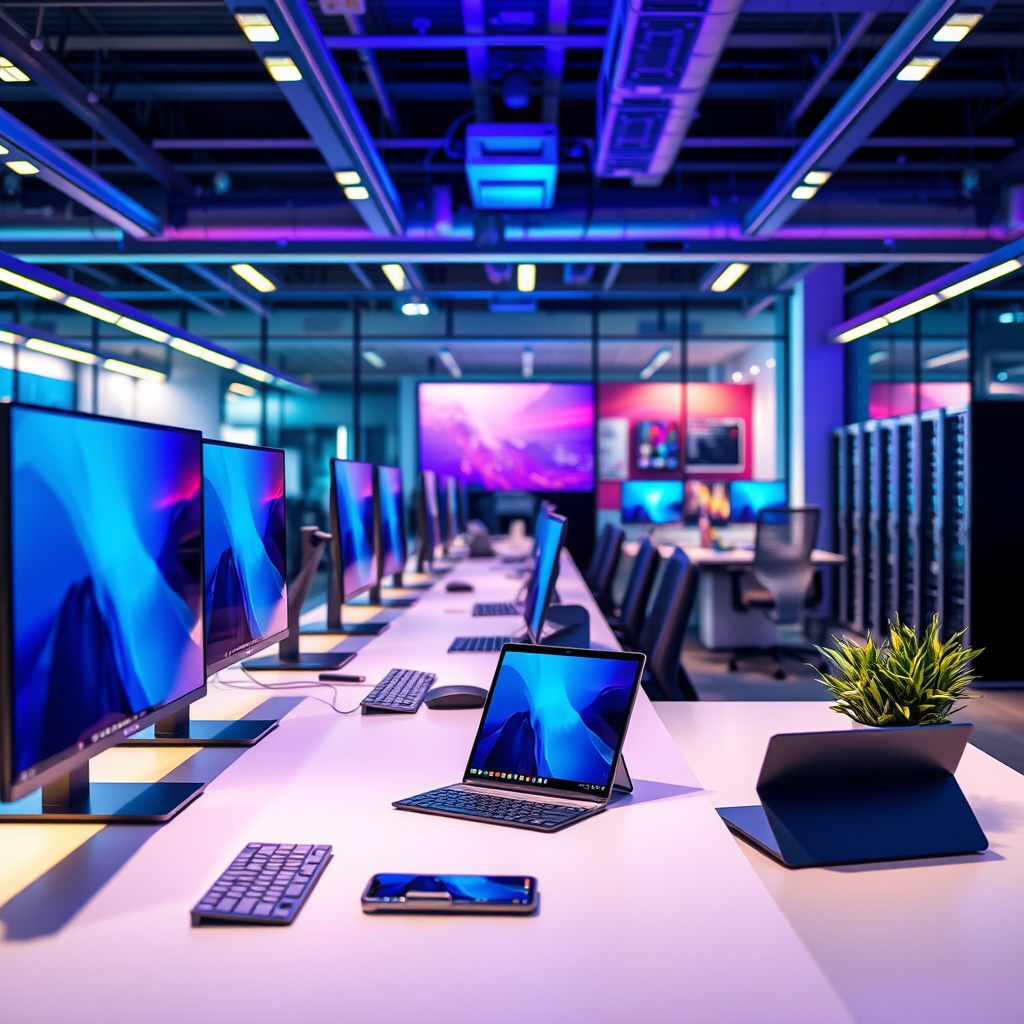
Foldable screens have the potential to revolutionize home and office devices as well, particularly in laptops and desktop monitors. A foldable laptop could provide a dual-screen experience within a single device, allowing for increased productivity without the clutter of multiple monitors. Imagine a laptop that can transform from a standard size to a larger screen for presentations or design work, making it incredibly versatile for both office and home use.
The impact on workspace design could be significant as well. Compact, foldable screens could help eliminate clutter and save space, allowing for more efficient use of the available area. The flexibility and adaptability of these devices can lead to increased productivity and creativity, making workspaces not only more functional but also more enjoyable to be in.
Automotive and Transportation
Integrating foldable displays into vehicle dashboards and infotainment systems presents another exciting avenue for innovation. A foldable display could expand to provide a larger interface for navigation, entertainment, and vehicle diagnostics, all while saving space when not in use. This could lead to sleeker, more modern vehicle designs that prioritize user experience without compromising on aesthetics.
Furthermore, foldable displays can improve user interfaces by providing customizable layouts that adapt based on the driver’s needs. For example, when parked, the display could unfold to offer a larger view of entertainment options or navigation settings, making the vehicle more user-friendly. This technology can also help streamline the integration of smart devices within vehicles, creating a seamless connection between personal devices and automotive systems.
Challenges and Limitations
Despite the exciting potential of foldable displays, several challenges and limitations remain. Durability is a primary concern; foldable screens must withstand daily wear and tear without compromising quality. Current technologies are still being tested to ensure they can endure the bending and folding that comes with regular use. Additionally, there are market adoption hurdles. Many consumers are still hesitant to invest in foldable technology due to perceived risks and high costs associated with the latest devices.
Consumer perceptions play a significant role in the adoption of foldable displays. Many people may not fully understand the benefits of this technology or may have had negative experiences with early iterations. As manufacturers continue to improve the technology and educate consumers on its advantages, we may see an increase in acceptance and demand.
Future Trends and Innovations
Looking ahead, the next decade in foldable display technology promises to be transformative. Experts predict that we will see greater integration of artificial intelligence with foldable devices, enabling them to adapt to user preferences and behaviors. Enhanced features, such as touch sensitivity and advanced gesture controls, could make interacting with these devices more intuitive and enjoyable.
Emerging technologies, such as microLED and advancements in flexible electronics, may influence the future of foldable displays, offering even more possibilities for innovation. As more industries begin to recognize the benefits of foldable technology, we might witness an explosion of creative solutions that enhance our daily lives in ways we haven’t yet imagined.
Foldable displays are poised to dramatically change how we interact with technology across various sectors. As advancements continue, it’s essential to stay informed about these trends and consider how they might impact your life and work. From enhancing productivity in the office to revolutionizing the way we wear technology, the future of foldable displays is undoubtedly bright and full of promise. Embrace the possibilities and keep an eye on this exciting evolution in display technology!
Frequently Asked Questions
What are the potential applications of foldable displays beyond smartphones?
Foldable displays have a wide range of potential applications beyond smartphones, including tablets, laptops, and even wearable technology. These flexible screens can enable larger display areas while maintaining portability, allowing for innovation in design and functionality. For instance, foldable laptops could combine the benefits of both a tablet and a traditional laptop, offering enhanced multitasking capabilities and immersive experiences in a compact form.
How will foldable displays impact the design of future consumer electronics?
The introduction of foldable displays will significantly impact the design of consumer electronics by allowing for thinner, lighter, and more versatile devices. Manufacturers can create products that are more adaptable to user needs, such as devices that can transform from a phone to a tablet or even a desktop setup. This flexibility not only enhances user experience but also opens up new avenues for creativity in product design, leading to more aesthetically pleasing and user-friendly devices.
Why are foldable displays considered a game-changer for the tech industry?
Foldable displays are considered a game-changer because they represent a shift in how we interact with technology. Their ability to change form factors offers unprecedented versatility, allowing devices to serve multiple purposes without compromising on screen size or functionality. This innovation can lead to enhanced user engagement, new product categories, and ultimately, a more immersive experience across various applications, from gaming to productivity.
Which companies are leading the way in foldable display technology?
Companies like Samsung, Huawei, and LG are at the forefront of foldable display technology, continually pushing the boundaries of what is possible. Samsung, for instance, has released several successful foldable smartphones and is now exploring applications for tablets and laptops. Meanwhile, LG is focusing on flexible OLED technology, which could revolutionize various sectors, including automotive displays and smart home devices, showcasing the potential of this technology across diverse markets.
What are the challenges facing the widespread adoption of foldable displays?
The widespread adoption of foldable displays faces several challenges, including durability, production costs, and consumer education. Manufacturers must ensure that foldable screens can withstand daily use without damage, as durability remains a primary concern for consumers. Additionally, the higher production costs associated with this advanced technology can lead to premium pricing, which may limit market penetration. Educating consumers about the benefits and functionalities of foldable devices is also crucial for driving acceptance and adoption in the mainstream market.
References
- Flexible display
- https://www.sciencedirect.com/science/article/pii/S235197892100001X
- https://www.reuters.com/technology/foldable-displays-are-here-what-comes-next-2021-01-12/
- https://www.bbc.com/news/technology-58816027
- https://www.technologyreview.com/2021/06/16/1026513/foldable-displays-future-smartphones/
- https://www.nature.com/articles/d41586-019-00543-1
- https://www.wired.com/story/foldable-displays-future/
- https://www.sciencedaily.com/releases/2020/06/200616124355.htm
- https://www.theguardian.com/technology/2022/jan/20/foldable-phones-revolutionize-mobile-technology
- https://www.techcrunch.com/2022/02/15/the-future-of-foldable-displays/