
Creating the perfect playlist for your sound system is all about understanding your music preferences, the capabilities of your audio equipment, and the mood you want to set. A well-crafted playlist can elevate any occasion, whether it’s a lively gathering with friends or a quiet evening at home. In this guide, you’ll discover how to create a playlist that sounds amazing, resonates with your audience, and enhances your overall listening experience.
Understand Your Sound System
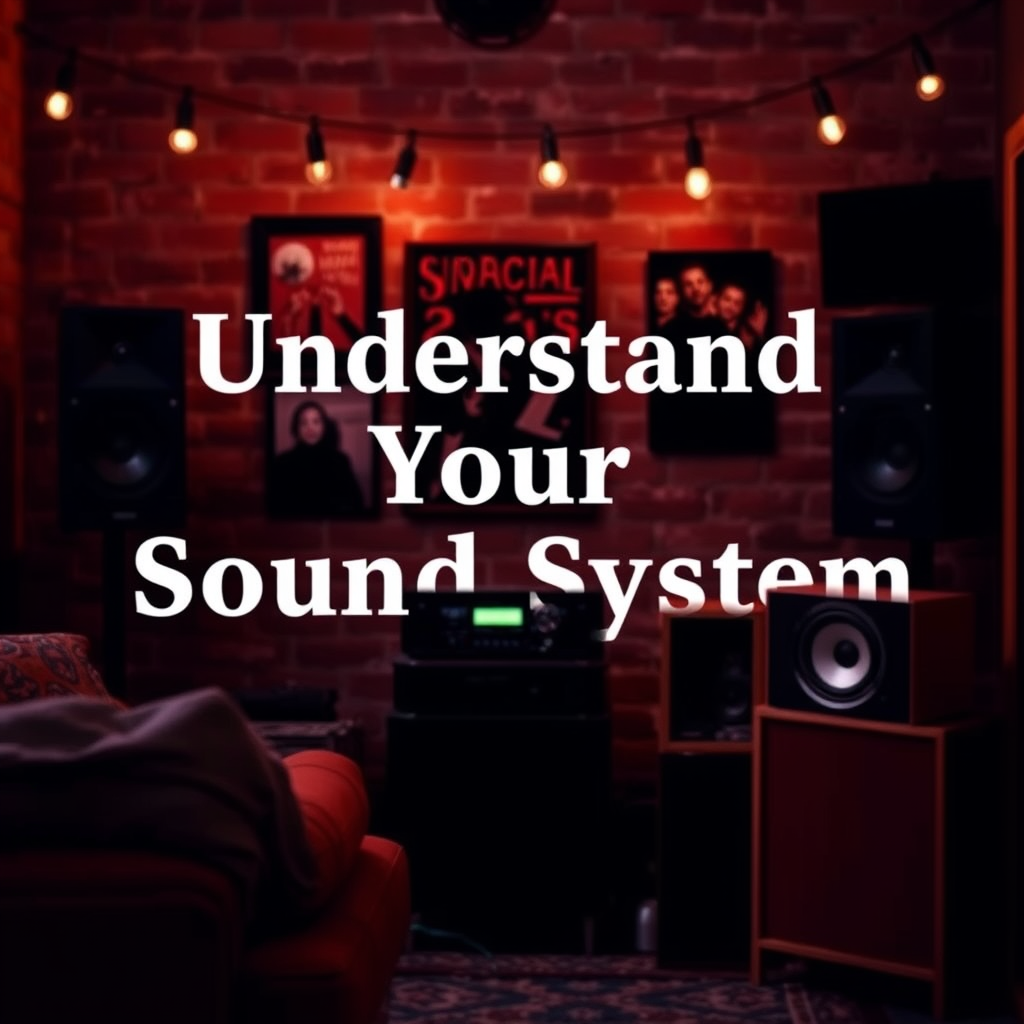
To start, take a moment to assess the capabilities of your sound system. Understanding what type of audio equipment you have—such as speakers, amplifiers, and sound interfaces—will help you make informed choices about your playlist. For instance, if you own high-fidelity speakers, you might want to include tracks with rich instrumentation that showcase their capabilities. Conversely, if your system is more compact or portable, you might prioritize songs that sound great across various genres without needing elaborate production.
Additionally, determine whether your system supports streaming services like Spotify, Apple Music, or Tidal, or if it requires local files. Streaming services often have playlists curated by algorithms, which can serve as inspiration. Local files might allow for a more personalized touch if you have specific tracks saved. Understanding these features will help you make the most of your playlist and ensure it plays seamlessly on your sound system.
Define the Mood and Purpose

The next step is to identify the occasion or activity for which you are creating the playlist. Are you gearing up for a lively party, a cozy night in, or an invigorating workout? Each scenario has a different set of expectations when it comes to music selection. For example, a party playlist might feature upbeat dance tracks that encourage guests to mingle and move, while a relaxation playlist might include softer acoustic tunes or lo-fi beats to help you unwind.
Consider also the emotional tone you want to convey throughout the playlist. Are you aiming for a feel-good vibe, nostalgia, or something more atmospheric? Think about how certain songs or styles can evoke specific feelings. For example, adding classic hits from the ’80s might bring a sense of joy and nostalgia, while contemporary indie tracks can create a more introspective mood. By defining the mood and purpose of your playlist, you set the stage for a more cohesive listening experience.
Curate a Diverse Selection of Songs
Now, it’s time to get creative and curate a diverse selection of songs. Mixing genres and tempos is key to keeping your playlist engaging and dynamic. For example, you might start with an upbeat pop song to grab attention, then transition into a mellow jazz number, followed by a high-energy rock anthem. This variety keeps listeners intrigued and prevents monotony.
Don’t shy away from including both popular tracks and hidden gems. While mainstream hits are great for familiarity, introducing lesser-known songs can delight your audience and spark conversations. Use platforms like Spotify or SoundCloud to discover new artists or tracks that fit your vibe. Consider including a “surprise” song—something unexpected that might leave listeners pleasantly surprised. This blend of familiarity and novelty can create a memorable listening experience.
Pay Attention to Flow and Transitions
The flow and transitions between songs are crucial for maintaining the energy and engagement of your playlist. Arrange your songs in a way that creates a seamless listening experience. Pay attention to the key and tempo of the songs; for instance, transitioning from a song in C major to one in A minor can create a jarring effect. Using songs that share similar keys can help maintain a fluid sound throughout your playlist.
If your sound system allows, consider using fade-in and fade-out features to enhance transitions between tracks. Gradually fading out one song while fading in another can create a smooth auditory experience. This technique can be particularly effective during moments of silence, where abrupt changes might disrupt the mood. Experimenting with different arrangements will help you find the perfect flow that keeps listeners engaged from start to finish.
Personalize Your Playlist
A playlist is ultimately a reflection of your tastes, so it’s essential to personalize it. Adding your favorite tracks and songs that evoke special memories can make your playlist more meaningful. Think about songs that remind you of significant life events or times spent with loved ones. These personal touches can resonate deeply with you and your audience, creating a stronger emotional connection.
Don’t hesitate to ask friends or family for their suggestions, too. A collaborative playlist can introduce you to new music and different perspectives, enriching the overall selection. You might find that a friend’s favorite song becomes a new anthem for your gathering! Incorporating diverse voices into your playlist will not only make it more inclusive but also add layers of depth to the listening experience.
Test and Refine Your Playlist
Once you’ve crafted your playlist, it’s time to test and refine it. Play your playlist on your sound system to evaluate its overall impact. Pay attention to how the songs flow into one another and whether the mood you intended to create is being conveyed. Sometimes, a song that seems great on paper may not resonate in practice. Be open to adjusting the order of tracks or even replacing songs that don’t fit as well as you thought.
It can be helpful to gather feedback from others as well. Invite friends over for a listening session and observe their reactions to different parts of the playlist. Use this feedback to make any necessary changes. This iterative process is crucial in perfecting your playlist. Remember, trial and error can lead to some of the best musical experiences!
Keep Your Playlist Updated
Music is ever-evolving, and so should your playlists. Regularly refreshing your playlist with new music keeps it relevant and exciting for both you and your listeners. Explore new releases, discover trending genres, and stay updated on what’s hot in the music world. You might stumble upon an amazing track that perfectly fits the vibe you want to create.
It’s also wise to remove songs that no longer fit the mood or have become overplayed. A song that was once a favorite can lose its charm if it’s played too often. Staying attuned to the changing musical landscape will help you maintain a fresh and engaging playlist.
Crafting the perfect playlist for your sound system is an ongoing process that involves creativity, experimentation, and a personal touch. By following these steps—understanding your sound system, defining the mood, curating a diverse selection, paying attention to flow, personalizing your playlist, testing and refining it, and keeping it updated—you can create a playlist that enhances your listening experience and impresses your audience. Start curating today, and let the music take you on a journey!
Frequently Asked Questions
What are the key factors to consider when creating a playlist for my sound system?
When creating a playlist for your sound system, consider factors like audio quality, genre diversity, and the mood you want to set. Ensure that the songs are in high-quality formats (like FLAC or WAV) to take full advantage of your sound system’s capabilities. Additionally, varying the genres and tempos can keep your listeners engaged and enhance their overall experience.
How can I choose the right songs for my playlist?
To choose the right songs for your playlist, start by identifying the theme or occasion it will serve, such as a party, workout session, or chill evening. Use streaming platforms’ recommendations based on your listening history, and don’t hesitate to include personal favorites. It’s also beneficial to consider the flow of the playlist, mixing upbeat tracks with slower ones for a balanced listening experience.
Why is it important to organize my playlist effectively?
Organizing your playlist effectively is crucial for maintaining listener engagement and ensuring a seamless listening experience. A well-structured playlist can create an emotional journey, guiding listeners through different moods and energies. Additionally, a thoughtfully arranged playlist avoids jarring transitions that can disrupt the flow and enjoyment of the music.
What are the best tools or apps for creating playlists for my sound system?
Some of the best tools for creating playlists include Spotify, Apple Music, and Tidal, which offer user-friendly interfaces for sorting and organizing music. Additionally, apps like Soundcloud and YouTube Music provide access to a vast array of tracks and allow you to discover new artists. For more advanced users, software like Audacity or GarageBand can help in editing tracks for a customized listening experience.
Which genres work best for different occasions when creating a playlist?
The best genres for your playlist can vary based on the occasion. For energetic gatherings, electronic dance music (EDM) or pop can keep the energy high; for relaxing evenings, acoustic or jazz tunes create a calming atmosphere. If you’re hosting a dinner, a mix of soft rock or classic hits works well, while workout playlists often benefit from high-tempo genres like hip-hop or rock to keep motivation levels up.
References
- Playlist
- https://www.wired.com/story/creating-playlists/
- https://www.rollingstone.com/music/music-features/how-to-create-a-playlist-1234589139/
- https://www.npr.org/sections/allsongs/2021/06/25/1001366775/how-to-make-the-perfect-playlist
- https://www.grammy.com/news/how-to-make-the-perfect-playlist-music-tips-2021
- https://www.huffpost.com/entry/how-to-make-a-playlist_n_5b8eef6ee4b0d7f9c3f2e6f4
- https://www.musicbusinessworldwide.com/how-to-create-an-incredible-playlist/