
AI-based rearview mirror displays utilize advanced cameras and artificial intelligence to provide drivers with enhanced visibility and safety features. These cutting-edge systems are designed to significantly improve the driving experience by offering clearer images, wider fields of view, and additional safety alerts, all while adapting to various driving conditions. In this article, you will learn how these innovative systems work, their components, and the benefits they offer compared to traditional rearview mirrors.
Understanding AI-Based Technology
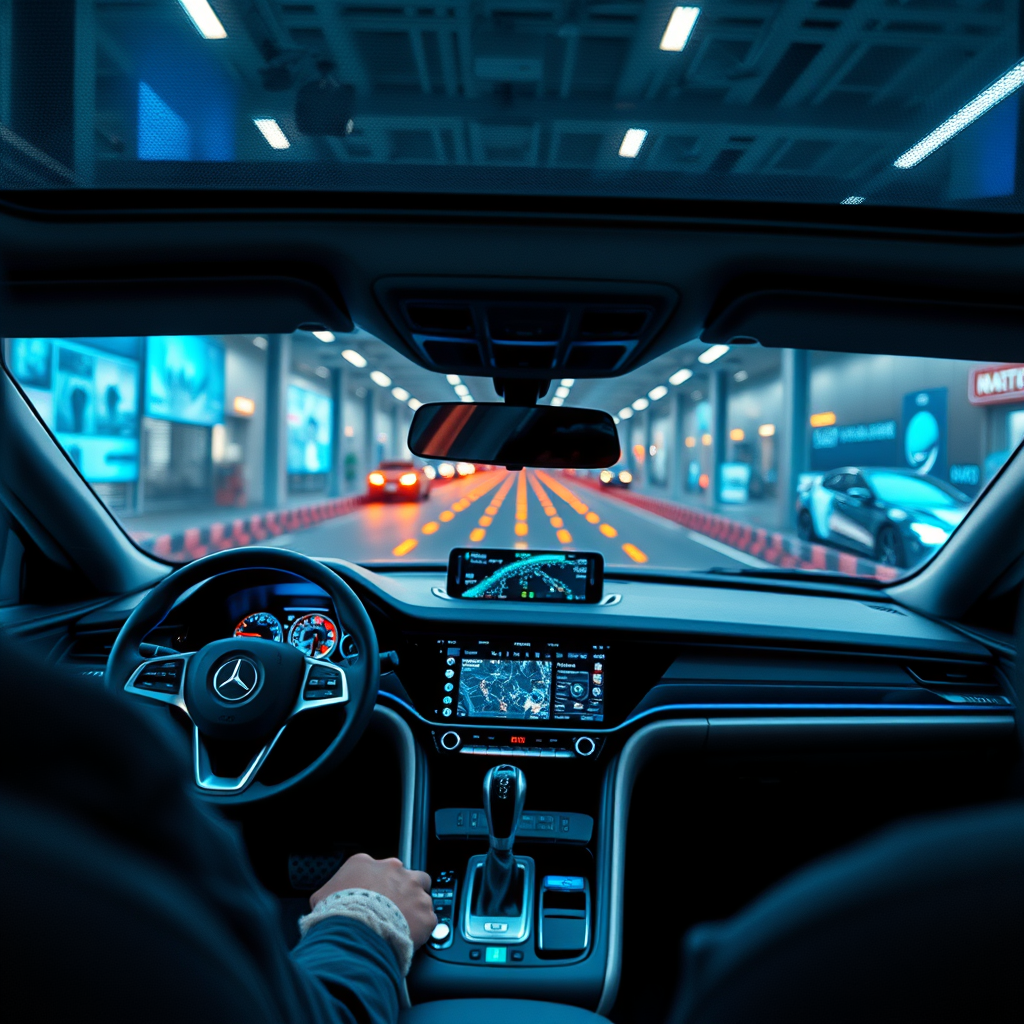
AI algorithms are at the heart of AI-powered rearview mirrors, processing real-time data from high-definition cameras mounted around the vehicle. This technology enhances image clarity, ensuring that drivers receive the best possible visual feed from their surroundings. The AI systems analyze the captured images, correcting distortions and enhancing colors for optimal clarity, making it easier to navigate through busy streets or dimly lit environments.
Moreover, machine learning plays a crucial role in adapting to varying driving conditions. As the system collects data over time, it learns to recognize patterns, such as frequent obstacles in certain areas or the behavior of pedestrians. This adaptability means that every drive improves the system’s efficiency, ultimately creating a safer environment for both drivers and passengers. By integrating AI technology, these mirrors not only react to their environment but also anticipate potential hazards, providing an extra layer of safety.
Key Components of AI Rearview Mirrors
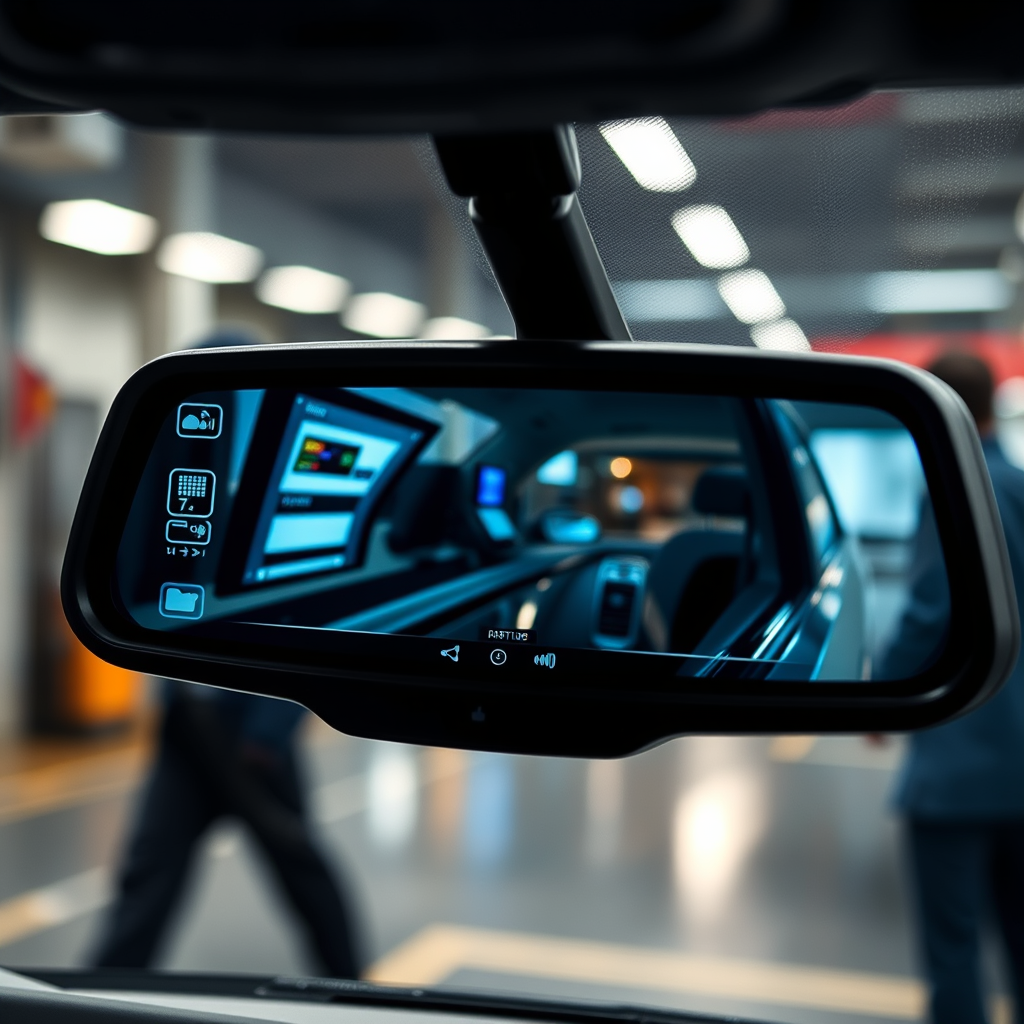
The effectiveness of AI rearview mirrors lies in their sophisticated components. At the forefront are high-definition cameras that capture a wide field of view, significantly minimizing blind spots. Unlike traditional mirrors that can only reflect what’s behind the vehicle, these cameras can provide a panoramic view, ensuring that drivers are aware of any potential hazards in their vicinity.
Additionally, integrated displays showcase the camera feed alongside other crucial information, such as navigation prompts, vehicle diagnostics, and alerts. This multifunctional display allows for a seamless user experience, combining essential driving information into one convenient location. For instance, when reversing, the rearview mirror can not only show the back view but also overlay guidelines for parking, making the maneuver safer and easier.
Safety Features Offered
One of the standout benefits of AI-powered rearview mirrors is their advanced safety features. Many systems are equipped with obstacle detection technology that identifies pedestrians, cyclists, and other vehicles in real time, alerting drivers through visual or auditory signals. For example, if a person unexpectedly steps into the path of a moving vehicle, the system can issue a warning before the driver has a chance to react.
Another critical feature is night vision capabilities. Traditional mirrors often struggle in low-light conditions, but AI-enhanced systems can utilize infrared technology to improve visibility at night. This means that drivers can see potential hazards far beyond what a standard mirror would allow, creating a safer driving experience when visibility is compromised.
Comparison with Traditional Mirrors
When comparing AI rearview mirrors to traditional ones, the differences are striking. One of the most significant advantages is the broader field of vision provided by the AI systems. Standard mirrors typically offer a limited perspective, which can lead to dangerous blind spots. In contrast, AI mirrors utilize multiple cameras to create a comprehensive view around the vehicle, thus enhancing situational awareness.
Moreover, the enhanced features like zoom and tracking capabilities of AI mirrors can greatly improve driving safety. For instance, if a driver is trying to change lanes, the AI system can highlight nearby vehicles, allowing for safer lane changes. This level of detail is not possible with traditional mirrors, reinforcing the need for drivers to consider upgrading to AI technology for a more informed driving experience.
User Experience and Interface
The user experience of AI-powered rearview mirrors is designed with driver convenience in mind. Intuitive touch or voice controls make it easy for drivers to interact with the system without causing distractions. For example, a simple voice command can adjust the display settings or switch between camera views, allowing for a more focused driving experience.
Additionally, customizable settings are a significant advantage. Users can adjust the display preferences to suit their comfort and needs, whether that involves changing the brightness for night driving or modifying the layout of the information displayed. This level of personalization ensures that each driver can create an environment that is conducive to their unique driving style.
Future Trends in Rearview Mirror Technology
Looking ahead, the future of rearview mirror technology is bright, with continued advancements in AI and camera capabilities on the horizon. Future models are expected to integrate even more innovative features, such as augmented reality overlays that can provide real-time navigation information directly in the driver’s line of sight.
Furthermore, the integration of AI-powered rearview mirrors with other vehicle systems is likely to become standard. Imagine a scenario where your rearview mirror not only alerts you to a vehicle in your blind spot but also communicates with the lane departure warning system to help guide you back into your lane if needed. This kind of synergy between technology and driving safety will undoubtedly redefine the way we think about vehicle design and functionality.
Understanding how AI-based rearview mirror displays work can significantly enhance your driving experience. With their advanced features, improved safety, and usability, these mirrors represent a substantial leap forward from traditional options. If you’re considering an upgrade, now is a great time to explore the latest technology available in the market, ensuring that you stay safe and informed on the road. Embrace the future of driving and enhance your vehicle with AI-powered rearview mirrors for a smarter, safer journey.
Frequently Asked Questions
What are AI-based rearview mirror displays and how do they work?
AI-based rearview mirror displays are advanced automotive systems that utilize artificial intelligence to enhance driving safety and visibility. These displays typically integrate a camera system that provides a real-time feed of the area behind the vehicle, which is processed using AI algorithms to eliminate blind spots, adjust brightness, and provide predictive alerts for obstacles or pedestrians. This technology allows drivers to have a clearer, wider view compared to traditional mirrors, significantly improving overall road safety.
How do AI rearview mirrors improve driving safety?
AI rearview mirrors enhance driving safety by utilizing augmented reality (AR) and machine learning to analyze the environment around the vehicle. They can detect objects, pedestrians, and other vehicles, alerting the driver to potential hazards in real-time. Additionally, features like lane departure warnings and collision alerts help drivers make informed decisions, reducing the likelihood of accidents caused by blind spots or distractions.
Why should I consider upgrading to an AI-based rearview mirror display?
Upgrading to an AI-based rearview mirror display provides numerous benefits, including improved visibility, enhanced safety features, and greater convenience. These displays offer a comprehensive view that helps drivers navigate complex driving situations, such as merging onto highways or parking in tight spaces. Furthermore, the integration of AI capabilities means that the system continuously learns and adapts, providing an increasingly personalized driving experience over time.
Which cars come equipped with AI-based rearview mirror displays?
Many modern vehicles, particularly higher-end models and luxury brands, now come equipped with AI-based rearview mirror displays as standard or optional features. Brands like Tesla, BMW, and Audi have incorporated these advanced systems into their latest models. However, various aftermarket solutions are also available, allowing drivers to retrofit their existing vehicles with AI-enhanced rearview mirror displays, making this technology accessible to a broader audience.
What are the potential drawbacks of using AI-based rearview mirror displays?
While AI-based rearview mirror displays offer significant advantages, there are some potential drawbacks to consider. These systems can be more expensive than traditional mirrors, and their reliance on technology may result in malfunctions or system errors. Additionally, some drivers may find it challenging to adapt to the digital interface, particularly if they are used to conventional mirrors. It’s essential to weigh these factors against the benefits when considering an upgrade.
References
- Rearview mirror
- https://www.sciencedirect.com/science/article/pii/S1877050919314763
- https://www.nhtsa.gov/equipment/backup-cameras
- https://www.techrepublic.com/article/how-ai-and-automated-systems-are-changing-the-way-we-drive/
- https://www.wired.com/story/automotive-technology-rearview-mirrors/
- News | American Association for the Advancement of Science (AAAS)
- https://www.theguardian.com/technology/2021/sep/10/cars-rearview-mirror-ai-technology
- https://www.nature.com/articles/s41598-021-03140-1
- A Cylinder-Type Multimodal Traveling Wave Piezoelectric Actuator | MDPI