
The integration of AI into smart home control systems significantly elevates user interaction through intuitive display interfaces. By utilizing technologies like machine learning and natural language processing, these systems not only simplify the management of home devices but also tailor experiences to individual users. In this article, we’ll dive into how AI is transforming smart home control and enhancing the functionality of display interfaces, making our lives more convenient and connected.
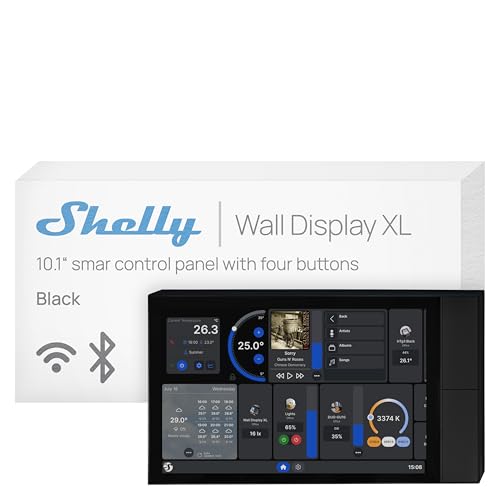

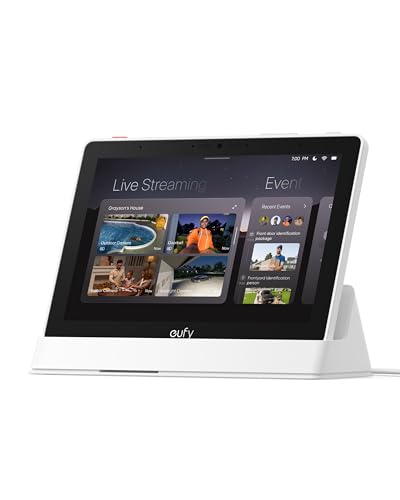
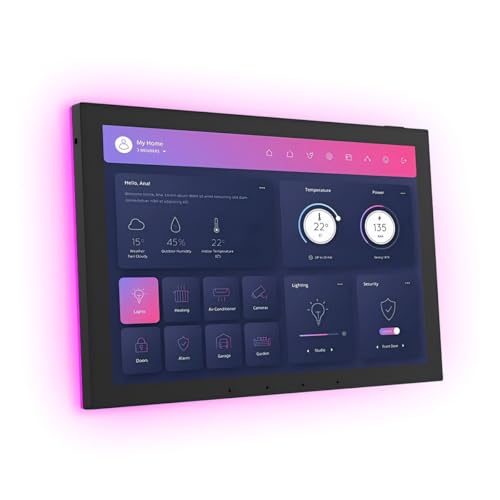
Understanding Smart Home Display Interfaces

Smart home display interfaces come in various forms, each designed to facilitate seamless interaction with technology. Common types include touch screens found on smart hubs, mobile apps, and voice-activated assistants like Google Assistant or Amazon Alexa. These interfaces serve as the central command for managing everything from lighting and heating to security systems and entertainment devices.
User-friendly design is crucial for enhancing accessibility and usability. A well-designed interface allows users, regardless of their tech-savviness, to navigate through functionalities with ease. For instance, a smart thermostat with a simple touch screen can allow users to adjust temperatures, view energy consumption, and schedule heating cycles without confusion. The aim is to create a system where users feel empowered rather than overwhelmed, leading to a more harmonious living environment.
The Role of AI in Smart Home Technology

AI technologies play a pivotal role in smart homes, with machine learning and voice recognition being at the forefront. Machine learning algorithms analyze user behavior and adapt system responses accordingly. For example, if a user consistently dims the lights at 8 PM, an AI-powered system will learn this pattern and automatically adjust the lighting without needing to be prompted.
Voice recognition technology further enhances user convenience by allowing hands-free control. This means users can give simple commands like “turn on the living room lights” or “play my morning playlist,” making interaction seamless and intuitive. The benefits of AI in smart homes extend beyond automation; they include predictive capabilities that anticipate user preferences, thus creating a more personalized living experience. Imagine your coffee machine starting up at the exact time you wake each morning, thanks to AI learning your routine!
Enhancing User Experience with AI-Powered Displays
One of the most exciting aspects of AI in smart home displays is how it customizes the interface based on user behavior and preferences. Smart displays can show relevant information, such as weather updates or reminders, tailored specifically for the user. For example, a family with children might see notifications about school events or meal planning suggestions, while a single professional might receive reminders about meetings or travel plans.
Personalized notifications and suggestions not only improve daily routines but also enhance overall efficiency. Some smart displays can even suggest new recipes based on your dietary preferences or remind you to buy groceries when your pantry is running low. The goal is to create a living space that works for you, adapting to your needs and helping streamline your tasks.
Voice Control and Natural Language Processing
The rise of voice-activated controls has revolutionized smart home management. Users can now manage their devices without lifting a finger, making the entire experience more convenient. For instance, saying, “Goodnight” to a voice assistant could trigger an entire routine—turning off the lights, locking the doors, and adjusting the thermostat.
Natural language processing (NLP) is a game-changer in this domain, allowing for more fluid and conversational interactions. Users can speak in everyday language rather than relying on specific commands. For example, instead of saying “set the temperature to 72 degrees,” a user can simply say, “I’m feeling a bit warm,” and the system will adjust accordingly. This makes interactions feel more natural and less robotic, fostering a deeper connection between the user and their smart home.
Security Features Enhanced by AI
AI-driven security systems have taken home safety to a new level, utilizing display interfaces to monitor and alert users. Modern security cameras equipped with AI can differentiate between familiar faces and strangers, reducing false alarms and enhancing overall security. If an unfamiliar person is detected, the system can send an instant notification to the homeowner’s smartphone, complete with a live video feed.
Real-time data analysis is a significant benefit of these AI-enhanced security features. For example, if a door is left ajar or a window is broken, the system can alert users immediately, allowing for prompt action. Moreover, AI can learn patterns in user behavior, notifying homeowners of unusual activities that may require attention. This proactive approach not only enhances security but also provides peace of mind to users.
Future Trends in AI and Smart Home Displays
As technology continues to advance, several emerging trends could shape the future of smart home interfaces. One exciting possibility is the incorporation of augmented reality (AR) into display interfaces. Imagine using AR glasses to see real-time data overlays on your home environment, such as energy consumption rates or reminders about upcoming tasks.
Another trend is the increasing integration of AI with IoT (Internet of Things) devices, making communication between devices even more seamless. As more devices become interconnected, users could manage everything from their refrigerator to their entertainment system through a single AI-powered interface.
Predictions suggest that as AI continues to evolve, it will further enhance user interactions and device management, making smart homes even smarter. The ultimate aim is to create a living space that not only responds to commands but anticipates needs, providing a truly personalized experience.
The integration of AI into smart home control through display interfaces is revolutionizing how we manage our living spaces. With enhanced user experiences, improved security, and the continual evolution of technology, the future is looking bright for smart home innovation. Take the next step in smart living by exploring AI-powered devices and enhancing your home today. As these technologies evolve, they promise to make our lives more convenient, secure, and enjoyable.
Frequently Asked Questions
How does AI improve the user experience in smart home display interfaces?
AI enhances the user experience in smart home display interfaces by offering personalized recommendations and seamless integration of various smart devices. Through machine learning algorithms, these interfaces adapt to user habits, suggesting optimal settings for lighting, temperature, and security. This level of customization not only simplifies user interactions but also increases energy efficiency and overall convenience in managing a smart home.
What are the benefits of using AI-driven displays for smart home control?
AI-driven displays provide multiple benefits for smart home control, including voice recognition, predictive analytics, and intuitive touch interfaces. These features allow users to control devices hands-free and receive smart notifications based on their daily routines. Additionally, AI can analyze patterns in energy consumption, leading to more efficient usage and cost savings over time, making it a valuable investment for homeowners.
Why should I consider an AI-enhanced smart home display over traditional control methods?
Opting for an AI-enhanced smart home display over traditional control methods offers greater efficiency and ease of use. Traditional systems often require manual adjustments and lack the level of interactivity that AI can provide. With AI, users benefit from a more responsive interface that learns preferences, automates tasks, and offers voice command capabilities, ultimately transforming the way you manage your home environment.
Which smart home devices work best with AI-enhanced display interfaces?
AI-enhanced display interfaces work best with a wide range of smart home devices, including smart thermostats, lights, security cameras, and voice assistants. Devices that support interoperability, such as those compliant with the Matter standard, typically integrate more seamlessly with AI systems. This compatibility allows for a cohesive smart home ecosystem, where devices communicate effectively, providing users with comprehensive control through a single interface.
How can I set up an AI-powered display for my smart home?
Setting up an AI-powered display for your smart home involves selecting a compatible smart display device, such as Google Nest Hub or Amazon Echo Show, and connecting it to your home Wi-Fi network. Once connected, download the necessary apps for your smart devices to enable control through the display. Follow the setup instructions to link your devices, and personalize the interface according to your preferences, allowing AI to optimize your smart home experience effectively.
References
- https://en.wikipedia.org/wiki/Smart_home
- https://www.bbc.com/news/technology-49138374
- https://www.nist.gov/news-events/news/2020/02/ai-and-iot-smart-home-technology
- https://www.sciencedirect.com/science/article/pii/S2351978919300344
- https://www.nature.com/articles/s41598-020-67525-9
- https://www.researchgate.net/publication/327689237_The_Impact_of_AI_on_Smart_Home_Technologies
- https://www.itu.int/en/ITU-T/focusgroups/ai4good/Pages/default.aspx