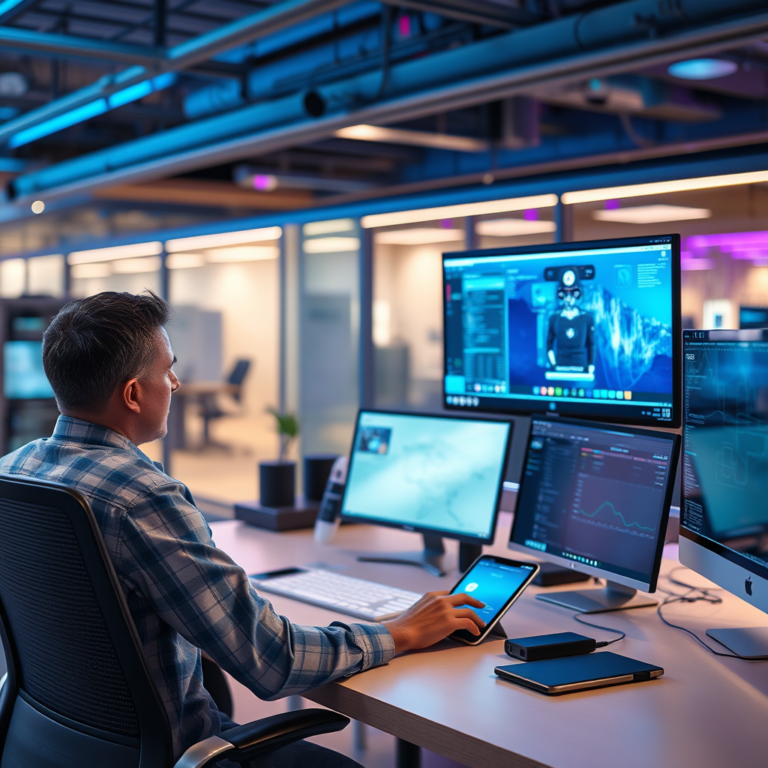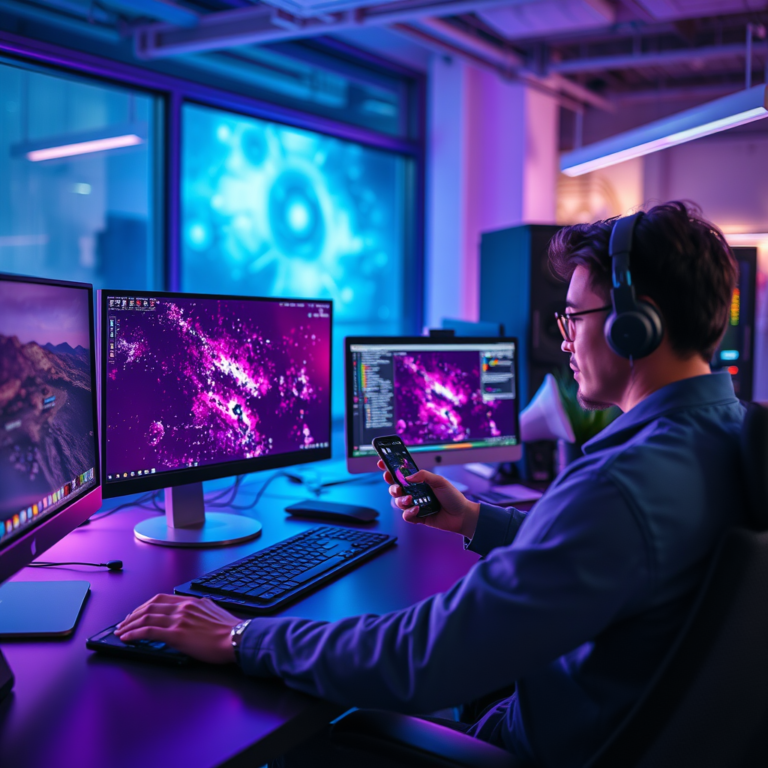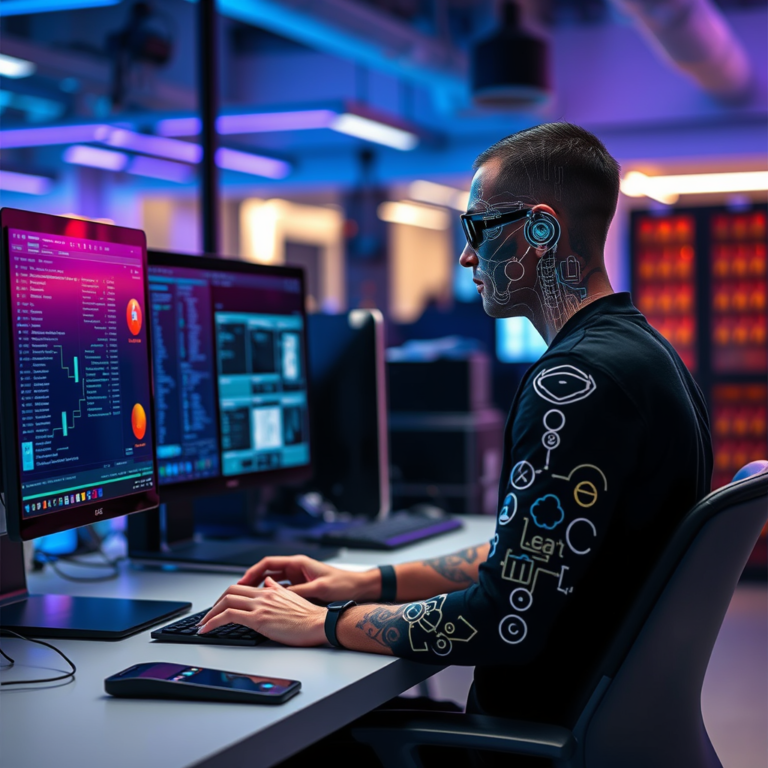

Machine learning is revolutionizing the way we detect and manage copyrighted video content by employing sophisticated algorithms that analyze intricate patterns within multimedia files. This cutting-edge technology provides content creators with powerful tools to spot and flag unauthorized use of their work, ensuring that their rights are safeguarded in an increasingly digital world. In this article, we’ll delve into how machine learning techniques are utilized for copyright detection and why these advancements are significant in today’s online landscape.
Understanding Copyright in Video Content
Copyright laws are designed to protect the rights of creators and owners of original works, including videos, films, and other multimedia content. These laws grant creators exclusive rights to their work, allowing them to control how it is used, distributed, and reproduced. Unauthorized use of copyrighted material can lead to serious legal repercussions, including financial penalties and the removal of infringing content. In a world where videos are shared widely across platforms like YouTube, TikTok, and Instagram, understanding copyright is crucial for both content creators and consumers. Failing to respect these rights not only undermines the creative industry but also diminishes the value of original content.
The Role of Machine Learning in Content Detection

Machine learning plays a pivotal role in the detection of copyrighted video content by employing algorithms trained on vast datasets. These algorithms analyze video files to recognize specific patterns, styles, and features characteristic of particular works. For instance, a machine learning model may be trained on thousands of videos to learn what a specific filmmaker’s style looks like, or how a particular song sounds when matched with different visual elements.
One of the remarkable aspects of machine learning is its ability to identify similarities in videos, even when they have been altered. For example, if a user crops a video or applies various filters, machine learning algorithms can still detect the original content by recognizing key visual cues or audio signatures. This capability is vital for platforms aiming to manage copyright issues proactively, as it allows them to flag potentially infringing content before it spreads widely on their networks.
Key Technologies Used in Machine Learning for Video Detection
Several key technologies underpin the effectiveness of machine learning in detecting copyrighted video content.
– Computer Vision: This technology enables machines to interpret and understand visual information from the world, mimicking human sight. In video detection, computer vision algorithms analyze frame-by-frame visual elements, such as colors, shapes, and movements. By breaking down videos into manageable components, these algorithms can identify unique visual signatures associated with copyrighted content.
– Audio Recognition Systems: These systems are crucial for detecting copyrighted soundtracks or voiceovers within videos. By employing techniques such as Fourier transforms or spectrogram analysis, audio recognition algorithms can recognize specific audio patterns, even in noisy environments. This means that even if a video has been remixed or altered, the underlying audio can still be identified, protecting the rights of musicians and sound creators.
Challenges in Detecting Copyrighted Content
While machine learning has made significant strides in copyright detection, several challenges remain.
– Variations in Video Quality and Formats: Videos can be uploaded in numerous formats and quality levels, which can complicate the detection process. Higher compression rates can lead to loss of data that may be critical for recognition. Algorithms must be robust enough to handle these variations while still delivering accurate results.
– The Constant Evolution of Editing Tools: As video editing software becomes more sophisticated, so too do the methods of altering copyrighted content. Users can easily change aspects of a video to evade detection, such as using filters or making slight edits. This cat-and-mouse game between content creators and infringers means that detection systems must continuously evolve to keep pace with new editing techniques.
Case Studies of Machine Learning in Action
Many platforms are leveraging machine learning to enhance their copyright detection capabilities with impressive results.
– YouTube: One of the most notable examples is YouTube’s Content ID system, which uses machine learning algorithms to scan uploaded videos against a vast database of copyrighted content. When a match is found, the system automatically flags the video, allowing rights holders to monetize, track, or block the content. This system has been a game changer for many creators, ensuring they can reclaim their rights efficiently.
– Twitch: Another case study is Twitch, which has seen success using machine learning for live-streaming content. With millions of hours of content uploaded daily, Twitch employs algorithms that analyze streams in real-time to detect copyrighted music, allowing them to take immediate action to protect copyright holders’ rights.
These examples illustrate the power of machine learning in action, showcasing how automated detection systems can lead to significant wins for content creators.
Future Trends in Machine Learning and Copyright Detection
As technology continues to advance, the future of machine learning in copyright detection looks promising.
– Advancements in AI: Ongoing developments in artificial intelligence are expected to enhance the accuracy and efficiency of detection systems. Deep learning, a subset of machine learning, is particularly promising, as it can process vast amounts of data and identify complex patterns that traditional algorithms might miss.
– Collaboration Between Technology Companies and Copyright Holders: Increased collaboration between tech companies and copyright holders will likely lead to more effective enforcement of copyright laws. By working together, they can share data and insights, creating more robust systems that protect creators while still allowing for creative expression.
As these trends continue to unfold, we can anticipate a more secure environment for content creators, where their rights are respected, and unauthorized use is swiftly addressed.
By employing machine learning, the detection of copyrighted video content has become more efficient and effective, ensuring that creators are better protected against unauthorized use. As this technology continues to evolve, it will play an increasingly vital role in the digital landscape, safeguarding intellectual property rights. For more insights and updates on machine learning applications, consider following our blog or exploring related articles.
Frequently Asked Questions
How does machine learning identify copyrighted video content?
Machine learning identifies copyrighted video content through algorithms that analyze audio and visual features of videos. These algorithms are trained on vast datasets of known copyrighted material, allowing them to recognize patterns and similarities. When a new video is uploaded, the system compares its content against this database, detecting matches and potential infringements based on characteristics such as unique audio tracks, visual elements, and metadata.
What are the main techniques used in machine learning for video copyright detection?
The primary techniques used in machine learning for video copyright detection include content-based analysis, feature extraction, and deep learning. Content-based analysis involves examining the actual video and audio content for distinct markers, while feature extraction identifies unique elements such as colors, shapes, and sound frequencies. Deep learning models, particularly convolutional neural networks (CNNs), are increasingly employed to recognize complex patterns and enhance the accuracy of detection systems.
Why is machine learning important for copyright enforcement in video content?
Machine learning is crucial for copyright enforcement in video content because it automates the detection process, making it faster and more efficient. Traditional methods of copyright detection can be time-consuming and labor-intensive, often requiring manual review. By leveraging machine learning, content owners can better protect their intellectual property, reducing the risk of revenue loss and ensuring compliance with copyright laws.
Which platforms utilize machine learning to detect copyrighted video content?
Major platforms such as YouTube, Facebook, and Instagram utilize machine learning to detect copyrighted video content. YouTube’s Content ID system is one of the most recognized examples, automatically scanning uploaded videos against a database of copyrighted works to identify potential infringements. These platforms employ sophisticated algorithms to ensure compliance with copyright laws while allowing creators to monetize their original content.
What challenges do machine learning systems face in detecting copyrighted video content?
Machine learning systems face several challenges in detecting copyrighted video content, including the complexity of distinguishing between original and derivative works. Variations in video edits, remixes, and user-generated content can complicate detection efforts. Additionally, the evolving nature of copyright laws and the constant influx of new content require these systems to adapt quickly, necessitating ongoing training and updates to maintain accuracy and effectiveness.
References
- Copyright infringement
- https://www.bbc.com/news/technology-48761194
- https://www.nytimes.com/2020/01/10/technology/youtube-copyright.html
- https://www.wired.com/story/youtube-copyright-claims-ml/
- https://www.sciencedirect.com/science/article/pii/S095741742200130X
- https://www.researchgate.net/publication/344123456_Machine_Learning_for_Copyright_Protection
- https://www.nolo.com/legal-encyclopedia/copyright-infringement-what-it-is-what-it-isnt-29764.html
- U.S. Copyright Office | U.S. Copyright Office
- https://www.techrepublic.com/article/how-youtube-uses-machine-learning-to-detect-copyright-issues/
- https://www.npr.org/2021/06/02/1002856423/youtube-copyright-claims-using-machine-learning