
The future of 8D and 360-degree audio is poised to completely transform how we experience sound, offering immersive environments that captivate listeners in unprecedented ways. These innovative audio formats are not just trends; they are a glimpse into a future where sound envelops us, enhancing entertainment, gaming, and virtual reality. With continuous advancements in technology, we can anticipate significant changes in how audio is created and consumed. In this article, we will delve into the nuances of 8D and 360-degree audio, explore technological innovations driving these formats, and discuss their impact on various industries.
Understanding 8D and 360-Degree Audio

To appreciate the future of audio, it’s essential to understand what 8D and 360-degree audio entail.
8D audio is a revolutionary sound format that creates an illusion of sound moving in a three-dimensional space. Unlike traditional stereo sound, which generally provides a left and right channel, 8D audio employs audio manipulation techniques to make it feel like the sound is coming from multiple directions. This effect is achieved through meticulous panning and delays, resulting in a truly immersive listening experience.

On the other hand, 360-degree audio refers to a more comprehensive spatial sound experience. It captures sound from all around the listener, effectively creating a bubble of sound that mimics how we naturally hear in the real world. This type of audio often utilizes advanced microphone arrays and processing techniques to create a realistic auditory environment. The key difference between 360-degree audio and traditional stereo is the depth and breadth of sound; instead of simply hearing sounds from left and right, listeners can perceive sounds coming from above, below, and all sides.
Technological Innovations Driving 8D and 360-Degree Audio
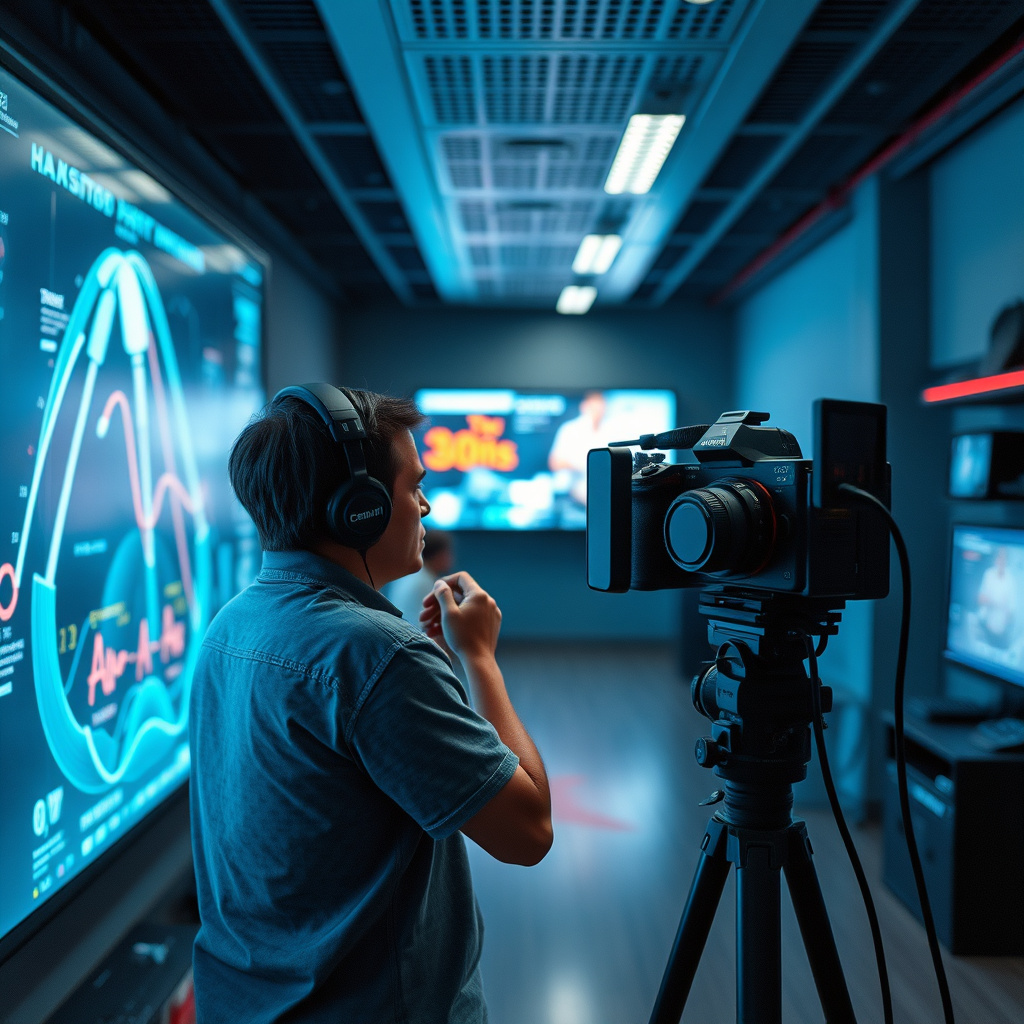
A significant driving force behind the evolution of 8D and 360-degree audio is spatial audio technology. This technology utilizes advanced algorithms and audio processing to create soundscapes that allow for a more realistic representation of how we perceive sound in our surroundings. Innovations in binaural recording techniques, which use two microphones to create a 3D stereo sound sensation, have also played a vital role in enhancing the immersive qualities of audio.
Moreover, the development of software and hardware tailored for immersive audio production has made it easier for creators to experiment with these formats. Digital Audio Workstations (DAWs) equipped with spatial audio plugins enable musicians and sound designers to manipulate sound in ways that were previously unimaginable. Additionally, hardware advancements, such as specialized headphones and speakers designed for spatial audio playback, are becoming more accessible, allowing consumers to fully engage with these immersive audio experiences.
Applications in Entertainment and Media
The impact of 8D and 360-degree audio is particularly evident in the entertainment and media industries. Music listening experiences have evolved dramatically with the introduction of 8D audio. Many artists are now releasing tracks specifically mixed in 8D to provide listeners with a unique auditory journey. For instance, popular songs from various genres have been transformed into 8D versions, creating a sensation that draws listeners deeper into the music.
In the realm of film and virtual reality, 360-degree audio is proving to be a game-changer. Directors and sound designers can now craft soundscapes that enhance storytelling by placing viewers right in the heart of the action. For instance, in VR gaming, players can hear footsteps approaching from behind or the rustle of leaves beside them, greatly enhancing the sense of presence in the virtual environment. This level of immersion not only elevates entertainment but also creates new opportunities for storytelling.
The Impact on Gaming Experiences
Gaming is one of the sectors that stands to benefit the most from advancements in spatial audio. By integrating 360-degree audio, game developers can create an environment where sound plays a crucial role in gameplay. This enhances player immersion, as gamers can rely on audio cues to make strategic decisions and better navigate their surroundings.
Popular games like “Hellblade: Senua’s Sacrifice” and “Resident Evil 7” employ 360-degree audio to heighten tension and create a more engaging experience. In “Hellblade,” for instance, players experience the protagonist’s struggles with psychosis through sound, making the narrative feel visceral and immediate. Similarly, “Resident Evil 7” utilizes audio cues to enhance the horror experience, allowing players to hear enemies lurking around corners or the subtle creaks of an old house, deepening their immersion.
Challenges and Limitations
Despite the exciting potential of 8D and 360-degree audio, there are challenges and limitations to consider. One significant barrier is the current technical limitations that hinder the widespread adoption of these formats. Many consumers still lack the necessary hardware to fully experience 360-degree audio, such as specialized headphones or speakers designed for spatial sound.
Additionally, content creation for 8D and 360-degree audio requires a different skill set compared to traditional audio formats. Creators need to understand complex audio processing techniques and the nuances of spatial sound design. This can lead to a steeper learning curve and may limit the amount of available content initially.
Future Trends and Predictions
As we look toward the future, it’s clear that consumer interest in immersive audio experiences will only grow. The market for 8D and 360-degree audio is expected to expand significantly, driven by advancements in technology and increasing accessibility. Innovations in virtual and augmented reality are also likely to push these audio formats into the mainstream, as developers seek to create more engaging experiences.
In the next 5-10 years, we can anticipate a surge in the availability of 8D and 360-degree audio content across various platforms, including streaming services and gaming networks. Moreover, as consumers become more familiar with these formats, we might see unique applications in education, therapy, and even live events, creating a multifaceted audio landscape that enriches our everyday experiences.
In summary, 8D and 360-degree audio are set to transform auditory experiences across various industries. As advancements continue, it’s essential for listeners and creators to stay informed about the latest innovations and trends. Engage with this emerging audio landscape and explore how it can enhance your experiences today.
Frequently Asked Questions
What is 8D audio and how does it differ from traditional stereo sound?
8D audio is an immersive sound technology that creates a three-dimensional listening experience by manipulating audio channels to give the illusion of sound moving around the listener. Unlike traditional stereo sound, which is confined to two channels (left and right), 8D audio utilizes panning techniques and effects to make it feel as if sounds are coming from various directions, enhancing the overall auditory experience. This technology is often enjoyed through headphones, making it popular for music and ASMR content.
How is 360-degree audio technology being used in virtual reality (VR) experiences?
360-degree audio technology is crucial in virtual reality (VR) as it enhances the immersive experience by simulating real-world soundscapes. This technology allows users to hear sounds from different directions, making them feel as if they are truly present in the virtual environment. By accurately positioning audio elements based on the user’s head movements, 360-degree audio enriches gaming, training simulations, and virtual tours, contributing to a more realistic and engaging experience.
Why is 8D audio becoming increasingly popular among music listeners?
8D audio is gaining popularity among music listeners because it offers a unique and captivating auditory experience that traditional formats cannot provide. The immersive nature of 8D sound allows listeners to enjoy music in a way that feels dynamic and spatial, creating a sense of being surrounded by the music. Additionally, the rise of streaming platforms and social media has made it easier for artists to share 8D tracks, further increasing its accessibility and appeal.
What are the best platforms to find 8D and 360-degree audio content?
Some of the best platforms to find 8D and 360-degree audio content include YouTube, Spotify, and dedicated audio websites like SoundCloud and Bandcamp. YouTube hosts a wide array of 8D audio mixes and playlists, while Spotify features curated playlists that showcase 360-degree audio tracks. Additionally, many artists and audiophiles share their works on SoundCloud, making it an excellent resource for discovering new and innovative audio experiences.
Which devices are best suited for experiencing 8D and 360-degree audio?
To fully experience 8D and 360-degree audio, high-quality headphones are recommended, as they allow for the spatial effects to be perceived accurately. Brands known for their excellent sound quality, such as Bose, Sony, and Sennheiser, provide headphones that enhance these audio experiences. Additionally, certain speakers that support surround sound formats can also deliver a good experience for 360-degree audio in larger spaces, allowing users to feel immersed in the sound environment.
References
- 3D audio effect
- https://www.bbc.com/future/article/20210310-the-sound-of-the-future-immersive-audio
- https://www.nytimes.com/2021/03/30/technology/8d-audio.html
- https://www.sciencedirect.com/science/article/pii/S2352914821000512
- https://www.wired.com/story/what-is-360-audio/
- https://www.techradar.com/news/what-is-8d-audio-and-is-it-actually-worth-your-time
- https://www.researchgate.net/publication/331056874_Spatial_Audio_An_Overview
- https://www.npr.org/2021/02/24/970404277/the-immersive-future-of-audio-and-why-its-so-exciting
- https://www.acm.org/publications/proceedings-template
- Audiolover: Your Ultimate Guide to Premium Sound Experience

1 Comment