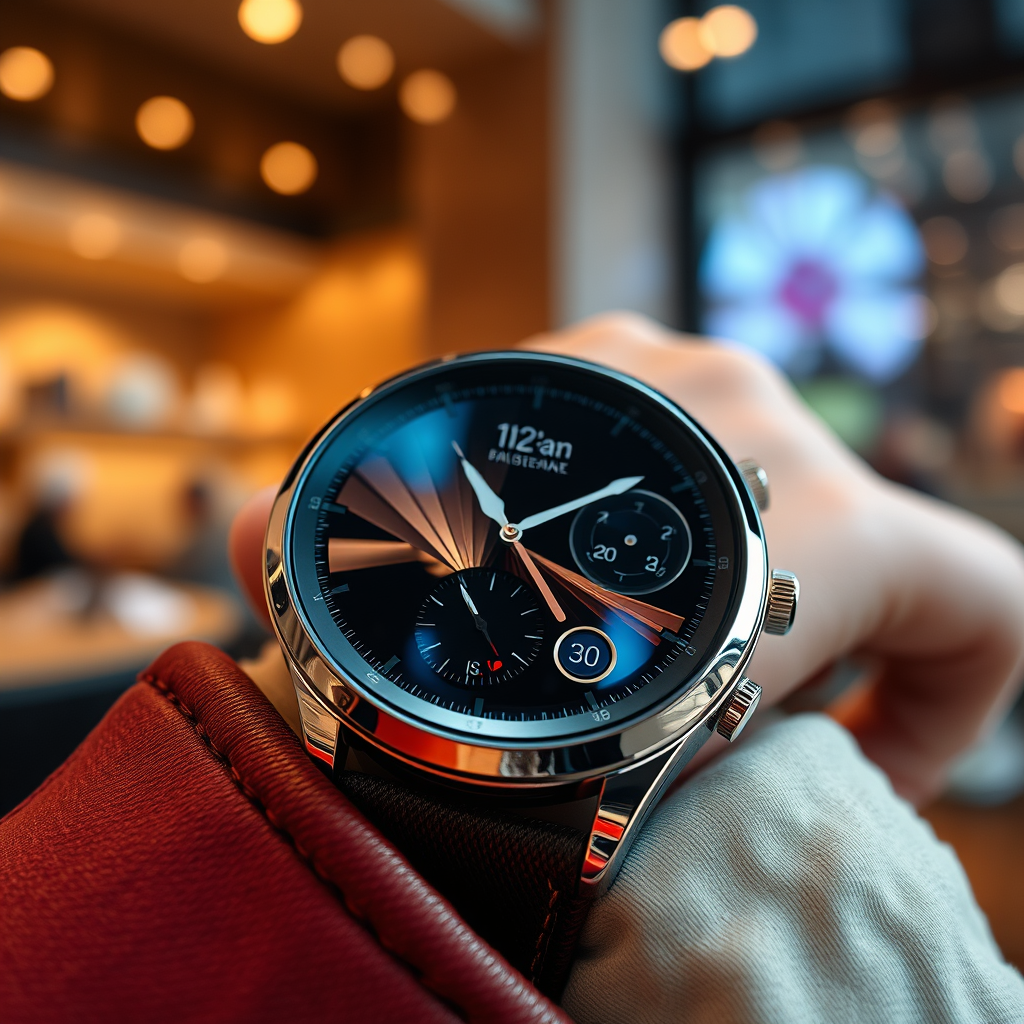
Flexible displays are reshaping the smartwatch landscape by allowing for cutting-edge designs and improved functionalities that traditional screens simply can’t offer. These innovative displays not only elevate the visual appeal of smartwatches but also significantly enhance user interaction, enabling dynamic and adaptable watch faces. In this article, we’ll delve into the myriad ways flexible displays are being integrated into smartwatches and their profound impact on the wearable tech market.




The Evolution of Display Technology in Smartwatches
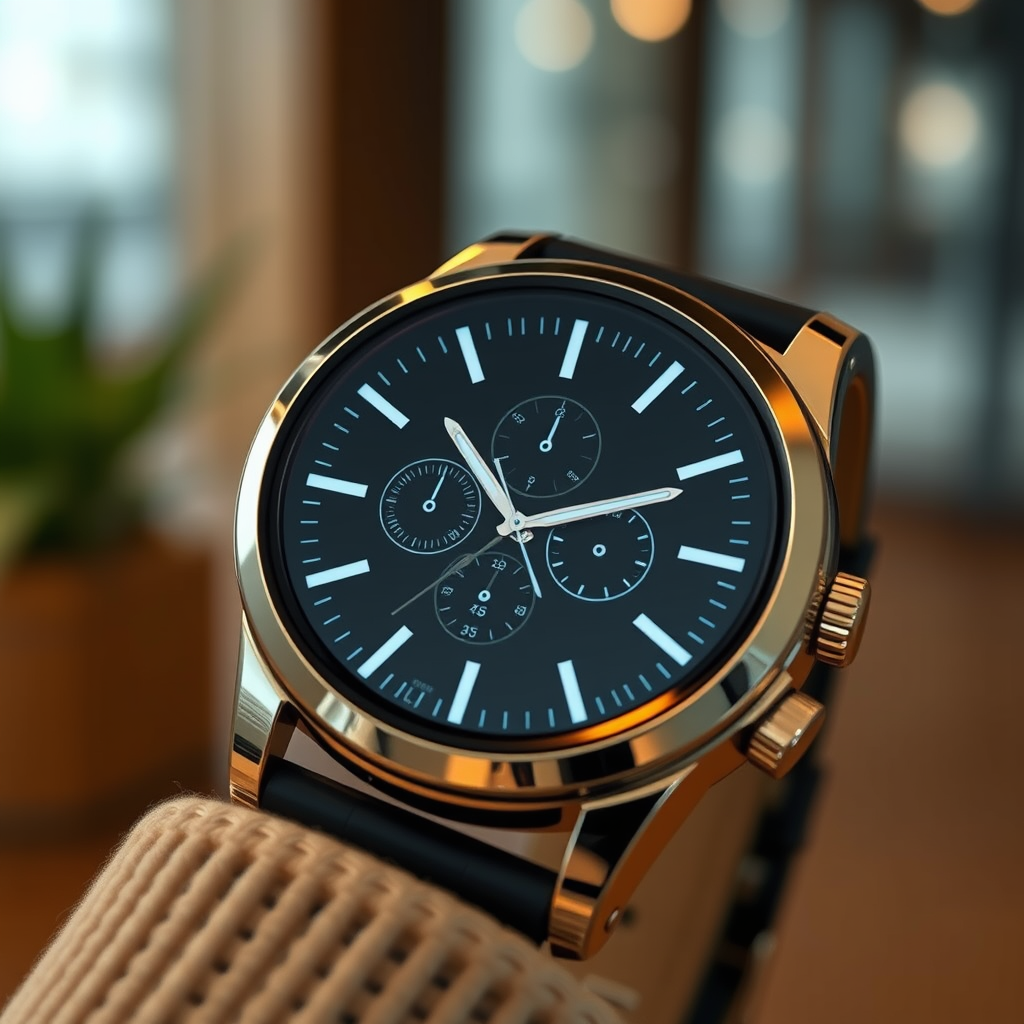
Smartwatches have come a long way since their inception, primarily featuring rigid LCD or OLED displays. While these traditional screens have served their purpose, they come with notable limitations, such as bulkiness and a lack of versatility in design. Users often find themselves constrained by the fixed shapes and sizes of these displays, which can detract from personalization and overall user experience.
The advent of flexible display technology marks a watershed moment for smartwatches. These displays are made from materials that can bend, fold, and curve without losing functionality. The benefits are substantial: they offer a lighter weight, thinner profile, and the ability to create more aesthetically pleasing designs. This flexibility opens the door to a host of possibilities, enabling manufacturers to create unique and innovative products that can cater to a broader audience.
Design Innovations Enabled by Flexible Displays
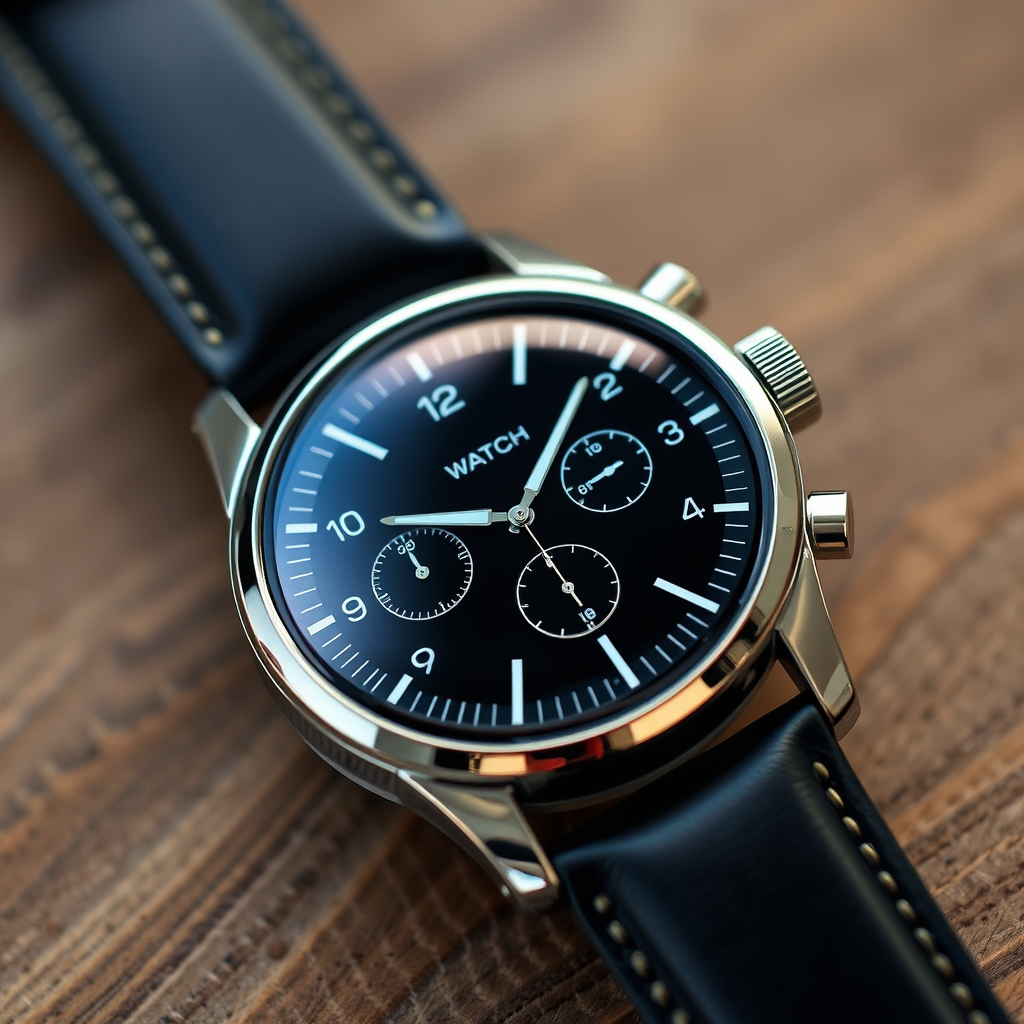
One of the most exciting aspects of flexible displays is their ability to facilitate new design innovations. Traditional smartwatch designs are typically limited to flat screens, but flexible displays allow for curved and even wrap-around designs that can hug the wrist. This not only creates a more seamless look but also enhances comfort for the wearer. Imagine a smartwatch that wraps around your wrist, providing a more immersive experience with notifications and apps.
Brands like Samsung and Huawei have already begun to leverage flexible displays in their products. The Samsung Galaxy Watch Active2 features a sleek, rounded design that allows for a more integrated and stylish appearance. Similarly, the Huawei Watch GT 2 Pro showcases a beautiful curved glass that not only looks good but also provides a larger display area for users to interact with. These unique aesthetics not only attract consumers but also create a more engaging experience when using the smartwatch.
Enhancing User Interaction with Flexible Screens
Flexible display technology also empowers smartwatches with enhanced touch sensitivity and interactivity. The ability to bend and mold means that manufacturers can design screens that are not only responsive but also capable of providing multi-touch capabilities. This allows for gestures like swiping, pinching, and tapping to be executed with greater precision, improving the overall usability of the device.
Moreover, flexible displays can facilitate interactive features that engage users in novel ways. For example, some smartwatches are experimenting with haptic feedback that works in conjunction with flexible displays to create a more tactile experience. Imagine receiving notifications that not only light up your screen but also provide a physical sensation when you touch them. This level of interactivity fosters a deeper connection between the user and the watch, making for a more satisfying experience overall.
Durability and Performance: The Advantages of Flexibility
One of the most significant advantages of flexible displays is their durability. Unlike traditional screens, which can crack or shatter upon impact, flexible displays are designed to withstand bending and flexing. This resilience is particularly beneficial for wearables, which are often subjected to daily wear and tear.
Additionally, flexible displays perform well in various environmental conditions. Whether you’re sweating during a workout or caught in the rain, these displays can maintain their clarity and functionality. For instance, smartwatches with flexible displays tend to have better visibility under bright sunlight, ensuring you can check your notifications and fitness stats no matter the conditions.
The Future of Smartwatches with Flexible Displays
Looking ahead, the future of smartwatches seems promising with the continued evolution of flexible display technology. Predictions suggest that we will see even more advanced designs that incorporate features like foldable displays, allowing for larger screens that can be compacted for convenience.
Moreover, as health tracking becomes increasingly sophisticated, flexible displays may play a crucial role in integrating advanced sensors. Imagine a smartwatch that not only tracks your heart rate but also has the capability to monitor hydration levels or stress through innovative sensors built into the flexible display. Connectivity features are likely to improve too, with quicker sync times and enhanced battery life as manufacturers better understand how to harness the capabilities of flexible technology.
Case Studies: Leading Smartwatches Using Flexible Displays
Several leading smartwatch models currently on the market showcase the capabilities of flexible displays. One standout is the Samsung Galaxy Z Flip, which has taken the smartphone world by storm and hints at the future of foldable technology in wearables. While not a smartwatch per se, its technology is paving the way for the next generation of flexible devices.
Another example is the Fitbit Luxe, which incorporates a flexible AMOLED display. Users rave about its vibrant colors and the way it hugs the wrist, making it not just a fitness tracker but a stylish accessory. Feedback from users highlights the ease of interaction and the comfort of wearing a watch that feels less bulky and more integrated into their daily lives.
Challenges Facing Flexible Display Technology in Smartwatches
Despite the many advantages of flexible display technology, challenges remain. One of the primary hurdles is the manufacturing process. Producing flexible displays can be more complex and costly than traditional displays, which could lead to higher retail prices for consumers. As manufacturers scale their processes and improve yield rates, we can expect these costs to decrease over time.
Consumer adoption poses another challenge. While tech enthusiasts may be excited about flexible displays, the average consumer may be hesitant to switch from traditional smartwatches due to familiarity and perceived reliability. Education about the benefits of these innovative displays will be crucial in overcoming these barriers and ensuring a smooth transition into the future of wearable technology.
The integration of flexible displays in smartwatches is not just an incremental improvement; it represents a significant leap forward in wearable technology. As these displays continue to evolve, they will unlock new possibilities for design, functionality, and user engagement, paving the way for the future of smartwatches. Stay updated on the latest developments and consider exploring flexible display smartwatches to experience their transformative benefits firsthand.
Frequently Asked Questions
What are flexible displays and how are they used in smartwatches?
Flexible displays are advanced screen technologies that can bend and curve while maintaining high-resolution imagery and responsiveness. In smartwatches, these displays are utilized to create sleek, lightweight designs that conform to the wrist comfortably, allowing for larger screens without increasing the overall size of the device. This enhances user experience by offering more screen real estate for notifications, apps, and health metrics.
How do flexible displays improve the functionality of smartwatches?
Flexible displays improve smartwatch functionality by enabling unique form factors and designs that traditional rigid screens cannot achieve. They allow for curved designs that fit better on the wrist, potentially offering more interactive features, such as edge notifications or multi-touch gestures. Additionally, their lightweight nature contributes to overall comfort, making wearable technology more appealing for daily use.
Why are flexible displays considered a game-changer for smartwatch technology?
Flexible displays are considered a game-changer for smartwatch technology because they combine durability with versatility, resulting in innovative designs and enhanced user experiences. Unlike traditional displays, flexible screens are less likely to shatter upon impact and can be manufactured in a variety of shapes, leading to a broader range of aesthetic options. This innovation paves the way for smarter, more adaptive wearables that cater to diverse consumer needs.
What are the best smartwatches currently utilizing flexible display technology?
Some of the best smartwatches utilizing flexible display technology include the Samsung Galaxy Watch series, which features a vibrant AMOLED display that wraps around the edges for an immersive experience, and the Huawei Watch GT 3, known for its curved glass design that enhances screen visibility. Additionally, models like the Garmin Venu 2 showcase how flexible displays can be used effectively for outdoor activities, providing clear visibility in various lighting conditions.
Which challenges do manufacturers face when integrating flexible displays into smartwatches?
Manufacturers face several challenges when integrating flexible displays into smartwatches, including production costs and durability concerns. Flexible screens require advanced materials and engineering, which can increase manufacturing expenses. Additionally, ensuring that these displays are both resilient against scratches and water-resistant while maintaining their flexibility adds complexity to the design process, demanding innovation in materials and technology.
References
- Flexible display
- https://www.sciencedirect.com/science/article/pii/S2351978917301043
- https://www.nature.com/articles/s41598-019-48829-2
- https://www.wired.com/story/flexible-displays-smartphones-smartwatches/
- https://www.reuters.com/article/us-smartwatches-flexible-displays-idUSKBN1ZT1V4
- https://www.techcrunch.com/2020/01/07/flexible-displays-in-smartwatches/