

The integration of AI in traffic monitoring through video analytics is transforming how cities manage their roadways, making traffic systems more efficient and accurate. By harnessing the power of advanced algorithms, AI processes vast amounts of video data in real-time, enabling the identification of traffic patterns, detection of anomalies, and provision of actionable insights that enhance both road safety and traffic flow. This article will explore how AI is revolutionizing traffic monitoring and the myriad benefits it brings to urban mobility.
Understanding Video Analytics in Traffic Monitoring
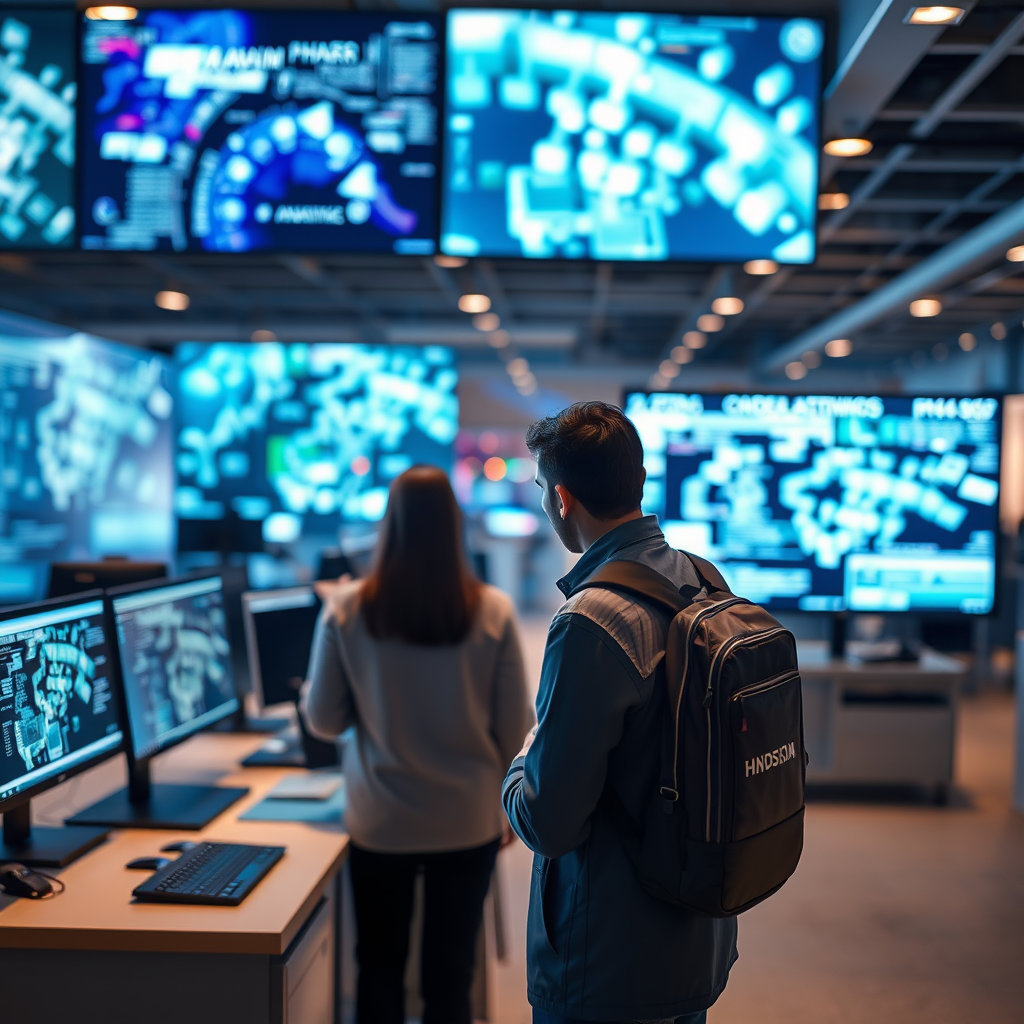
Video analytics is a cutting-edge technology that employs AI algorithms to analyze video feeds captured by traffic cameras. This innovative approach allows for the automatic detection of vehicles, pedestrians, and traffic conditions without the need for constant human oversight. Traditional traffic monitoring often relies on manual observation, which can be prone to human error and is limited in scope. With AI-powered video analytics, cities can gain a more comprehensive view of their traffic landscape.
For instance, AI systems can analyze video footage to recognize specific vehicle types, track movement patterns, and even classify pedestrians. By doing so, they provide insights into traffic dynamics that were previously difficult to capture. The result is a more data-driven approach to traffic management that helps city planners and transportation authorities make informed decisions more quickly and effectively.
Benefits of AI in Traffic Analysis
One of the most significant advantages of integrating AI into traffic analysis is its ability to process large volumes of video data quickly, delivering real-time insights that are invaluable for managing urban mobility. Unlike traditional methods that may require hours or even days to analyze footage, AI can sift through extensive data sets in mere seconds. This speed is critical in identifying traffic congestion, accidents, and other anomalies as they happen.
Moreover, AI enhances the accuracy of traffic counts and helps identify peak congestion times. By continuously monitoring traffic conditions, cities can better understand when and where traffic jams are likely to occur. For example, if an AI system detects a consistent spike in traffic at a particular intersection during rush hour, city planners can proactively address the congestion by adjusting traffic signal timings or implementing other traffic management strategies.
Real-Time Traffic Management
AI-driven systems are revolutionizing real-time traffic management by enabling dynamic adjustments to traffic signals based on current traffic flow and conditions. These systems utilize data gathered from video analytics, sensors, and other sources to make instantaneous decisions that optimize traffic movement.
For example, in cities like Los Angeles, AI algorithms analyze live traffic data to adjust signal timings in real-time, effectively reducing wait times at intersections. This not only improves the overall efficiency of traffic flow but also enhances the commuter experience. By minimizing delays, cities can reduce fuel consumption and lower carbon emissions, contributing to a more sustainable urban environment.
Predictive Analytics for Traffic Patterns
Another remarkable application of AI in traffic monitoring is predictive analytics. By analyzing historical data, AI can forecast future traffic patterns and incidents, allowing city planners to make informed decisions regarding infrastructure improvements and traffic management strategies.
For example, an AI system may analyze years of traffic data to identify trends in rush hour traffic, seasonal fluctuations, and the impact of special events. Armed with this knowledge, city officials can implement measures such as expanding road capacity, adding public transit options, or even adjusting road layouts before congestion becomes a significant issue. Predictive analytics not only helps in managing current traffic but also aids in planning for future growth.
Enhancing Road Safety
Safety is paramount when it comes to traffic management, and AI video analytics plays a crucial role in enhancing road safety. These systems can detect dangerous behaviors, such as running red lights, speeding, or weaving in and out of traffic. By identifying these actions in real-time, AI can alert authorities to potential accidents or hazards before they escalate.
For instance, in cities like Barcelona, AI-powered cameras monitor intersections for instances of risky driving. When a vehicle is detected speeding or ignoring traffic signals, the system can quickly notify law enforcement, allowing for swift action to prevent accidents and protect pedestrians. Such proactive measures not only save lives but also foster a culture of responsible driving.
Case Studies of AI Implementation
Cities around the globe are reaping the benefits of AI implementation in traffic monitoring. Barcelona and Los Angeles are two prominent examples of successful integration. In Barcelona, AI has been utilized to analyze traffic patterns and optimize public transport routes, resulting in reduced congestion and improved overall mobility. The city has reported shorter commute times and enhanced public transit efficiency as a direct result of these AI initiatives.
Similarly, Los Angeles has leveraged AI technology to improve emergency response times. By utilizing real-time traffic data, emergency vehicles can navigate more efficiently through congested areas, ensuring that help arrives promptly when it’s needed most. These implementations highlight the transformative potential of AI in urban traffic management and demonstrate how technology can lead to smarter, safer cities.
Future Trends in AI Traffic Monitoring
As AI technology continues to evolve, the future of traffic monitoring looks promising. Ongoing advancements promise even more sophisticated solutions that will further enhance traffic management capabilities. One exciting trend is the integration of AI with Internet of Things (IoT) devices and smart city infrastructure.
Imagine a future where traffic signals communicate with connected vehicles, allowing for seamless coordination and optimized traffic flow. This kind of interconnected system could significantly reduce congestion and improve safety on the roads. Moreover, as machine learning algorithms become more refined, they will be able to predict traffic patterns with even greater accuracy, providing cities with the tools they need to manage urban mobility effectively.
The potential for AI in traffic monitoring is vast, and as cities increasingly adopt these technologies, we can expect to see a profound impact on how we navigate our urban environments.
The integration of AI in traffic monitoring through video analytics is revolutionizing urban mobility, leading to smarter, safer cities. By leveraging real-time data, predictive analytics, and enhanced safety measures, cities can significantly improve traffic management. As AI technology continues to advance, staying informed about these developments is crucial for understanding how they can benefit your community and enhance traffic efficiency. Embracing these innovations not only improves daily commutes but also contributes to a more sustainable and enjoyable urban experience.
Frequently Asked Questions
How does AI enhance video analytics for traffic monitoring?
AI enhances video analytics for traffic monitoring by leveraging machine learning algorithms to analyze real-time footage from surveillance cameras. These algorithms can detect and classify vehicles, pedestrians, and cyclists, providing insights into traffic flow, congestion patterns, and incidents. By processing vast amounts of data quickly and accurately, AI helps city planners and traffic management systems make informed decisions to improve road safety and efficiency.
What are the benefits of using AI for traffic monitoring compared to traditional methods?
The benefits of using AI for traffic monitoring include increased accuracy, efficiency, and scalability. Unlike traditional methods that rely on manual observation or basic sensors, AI can automatically analyze video feeds, reducing human error and labor costs. Additionally, AI systems can adapt to changing traffic conditions in real-time, offering timely data that helps in traffic management, accident prevention, and urban planning.
Why is video analytics important for modern traffic management?
Video analytics is crucial for modern traffic management because it provides comprehensive, real-time data that is essential for optimizing traffic flow and enhancing road safety. With the ability to monitor traffic patterns, identify bottlenecks, and detect incidents, traffic managers can respond proactively to issues, leading to reduced congestion and improved travel times. Furthermore, the insights gained from video analytics help in long-term infrastructure planning and policy-making.
Which AI technologies are commonly used in traffic monitoring systems?
Common AI technologies used in traffic monitoring systems include computer vision, deep learning, and predictive analytics. Computer vision enables the system to interpret video data by recognizing and tracking objects, while deep learning models can improve the accuracy of these detections over time. Predictive analytics then utilizes historical and real-time data to forecast traffic behavior, enabling better planning and resource allocation.
How can cities implement AI-based video analytics for traffic monitoring effectively?
Cities can implement AI-based video analytics for traffic monitoring effectively by first assessing their existing infrastructure and identifying key locations for camera installation. Partnering with technology providers that specialize in AI solutions is essential for integrating the necessary software and hardware. Additionally, ongoing training and adaptation of the AI models are vital to ensure accuracy and relevance, as well as establishing a feedback loop with traffic management teams to refine data usage for better decision-making.
References
- Traffic reporting
- https://www.sciencedirect.com/science/article/pii/S2351978917301615
- https://www.nist.gov/news-events/news/2021/07/ai-powered-traffic-management-systems
- https://www.transportation.gov/mission/safety/automated-traffic-safety-program
- Sensitivity to Time Delays in VDM-Based Navigation
- https://www.techrepublic.com/article/how-ai-is-changing-transportation/
- https://www.bbc.com/future/article/20210322-how-ai-is-helping-us-understand-traffic
- https://www.researchgate.net/publication/336850182_Artificial_Intelligence_in_Traffic_Management_System_A_Review