

AI technology detects suspicious behavior in security videos by analyzing patterns and anomalies in real-time footage. This innovative approach employs advanced algorithms and machine learning techniques, allowing it to identify potential threats that a human eye might overlook. As security concerns continue to rise globally, the integration of AI in surveillance systems offers a proactive solution to enhance safety. In this article, we’ll explore how AI enhances video surveillance, the methodologies it employs, and its implications for security.
Understanding AI in Security Surveillance
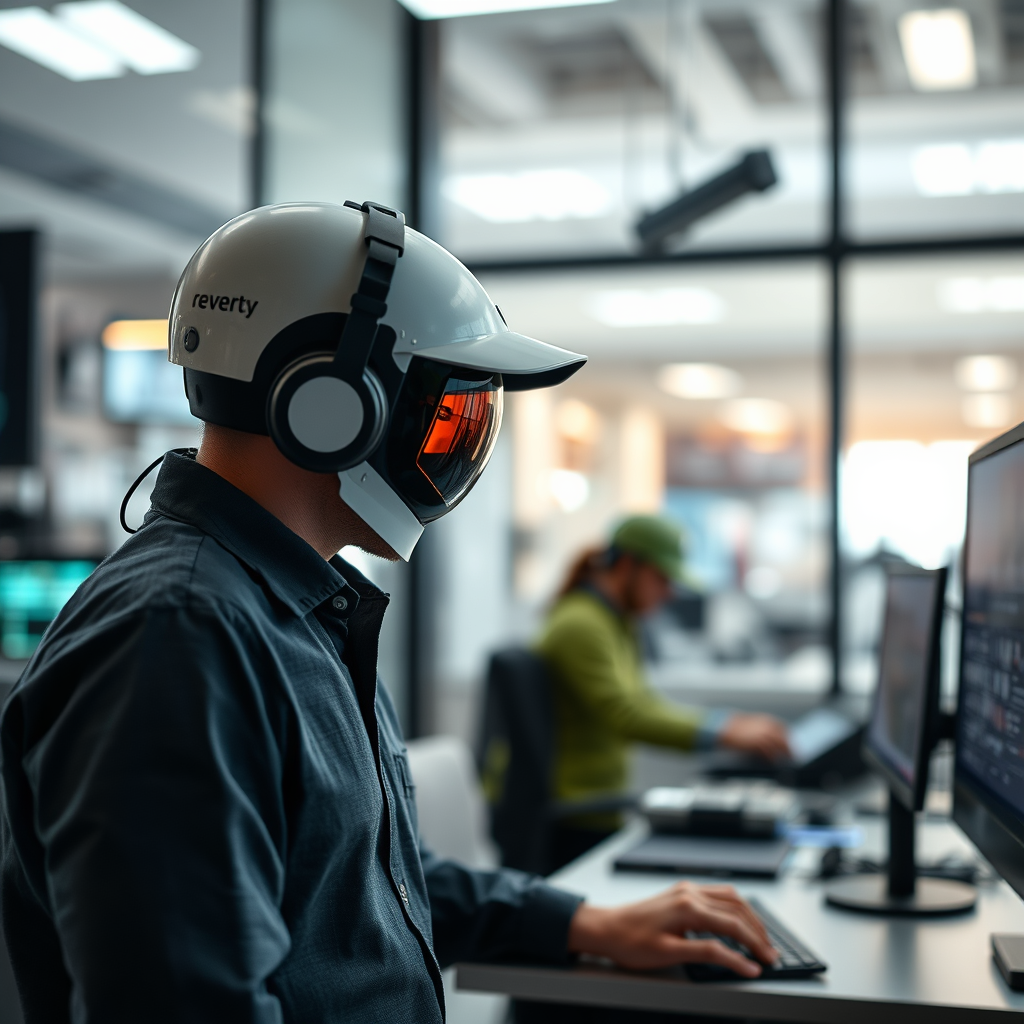
AI plays a pivotal role in modern security systems by providing high-level analysis and insights that were previously unattainable with traditional surveillance methods. By integrating AI, security systems can process vast amounts of data quickly, enabling them to respond to threats in real-time. This capability significantly reduces the workload of human operators, allowing them to focus on more complex decision-making tasks rather than monitoring endless feeds of video footage.
One of the major benefits of integrating AI with traditional surveillance is its ability to operate continuously without fatigue. Unlike human operators, AI systems can analyze video footage 24/7, ensuring that no suspicious activity goes unnoticed. Furthermore, AI can learn from previous incidents, adapting its algorithms to improve detection rates over time. This fusion of technology not only enhances security measures but also provides businesses and communities with greater peace of mind.
How AI Analyzes Video Footage

The process of analyzing video footage through AI involves sophisticated real-time video processing techniques. These techniques include object detection, tracking, and classification. By employing computer vision, AI systems can scan frames of video for specific actions and behaviors, identifying anything that deviates from the norm.
Frame-by-frame analysis is crucial in this regard. AI algorithms dissect video into individual frames, examining each one for movement patterns and inconsistencies. For instance, if a person suddenly changes direction or begins to run in a normally calm environment, this can trigger an alert. By utilizing motion detection algorithms, AI can differentiate between regular pedestrian movement and potentially threatening activities, thereby enhancing the overall security of a location.
Machine Learning Algorithms for Behavior Detection
At the heart of AI’s capability to detect suspicious behavior are machine learning algorithms. Common algorithms include neural networks and deep learning models, which are designed to recognize complex patterns in data. These algorithms are trained on historical data sets that include various scenarios of normal and suspicious behavior.
As AI systems process more video footage, they continuously learn and refine their understanding of what constitutes suspicious behavior. For example, if an AI system observes that individuals frequently loitering near an entrance over time leads to security incidents, it adjusts its parameters to flag similar behaviors in the future. This self-learning capability improves the accuracy of the detection system, allowing it to adapt to new environments or changing patterns of behavior in real-time.
Anomaly Detection Techniques
Anomaly detection is a critical component of AI behavior detection in security applications. This technique involves identifying patterns in data that do not conform to expected behavior. In the context of video surveillance, behaviors considered suspicious may include loitering near a restricted area, sudden movements in a quiet environment, or individuals attempting to access secure locations.
For instance, if a security camera captures someone standing still in front of a building for an extended period, the AI system may classify this action as suspicious, especially in a high-security zone. Such behaviors can be flagged for further investigation, allowing security personnel to respond swiftly before any potential incident escalates.
Challenges in AI Behavior Detection
Despite the advancements in AI behavior detection, several challenges persist. One of the most significant issues is the occurrence of false positives and negatives. A false positive happens when the AI incorrectly identifies a normal behavior as suspicious, which can lead to unnecessary panic or resource allocation. Conversely, a false negative occurs when the AI fails to detect an actual threat, potentially leading to security breaches.
Additionally, current AI technologies can struggle in complex environments where various factors—such as lighting conditions, crowd density, or even weather—can impede accurate detection. For example, in a busy urban area with many pedestrians, distinguishing between normal behavior and suspicious activity can be particularly challenging. Continuous improvements in AI models and the incorporation of diverse data sources are essential to address these limitations.
Future Trends in AI Security Technology
The future of AI in security technology is brimming with potential. Emerging technologies such as facial recognition and predictive analytics are set to revolutionize how we approach security. Facial recognition, for instance, can enhance surveillance by identifying known individuals, which may aid in apprehending suspects more quickly.
Predictive analytics takes it a step further by analyzing trends and patterns in data to forecast potential security incidents before they happen. This proactive approach can significantly impact law enforcement and private security industries, allowing them to allocate resources more efficiently and improve overall safety measures.
Moreover, as AI technologies evolve, we can expect increased integration with other security systems, such as alarm systems and access controls, creating a more comprehensive security infrastructure that not only reacts to threats but also prevents them.
Ethical Considerations and Privacy Issues
While the benefits of AI surveillance are clear, it’s essential to address the ethical considerations and privacy issues that arise. The use of AI in security raises concerns about constant monitoring and the potential for misuse of data. People may feel uncomfortable with the idea of being watched by AI systems that can analyze their behaviors without their consent.
As a result, regulations and ethical guidelines surrounding AI use in security are crucial. Policymakers must ensure that AI technologies are implemented transparently and responsibly, balancing the need for safety with individuals’ rights to privacy. This means developing clear laws regarding data storage, consent, and the circumstances under which surveillance can occur.
As AI continues to evolve, its capability to detect suspicious behavior in security videos will only improve, leading to safer environments. By understanding how AI works in this context, stakeholders can better leverage its potential while addressing ethical concerns. For those interested in enhancing their security measures, exploring AI-driven solutions is a crucial next step. Embracing these advancements can create not only a safer society but also foster a sense of community trust and security.
Frequently Asked Questions
What techniques do AI systems use to detect suspicious behavior in security videos?
AI systems utilize various techniques, including computer vision, machine learning algorithms, and deep learning models, to analyze surveillance footage. These systems can identify unusual patterns, such as erratic movement, loitering, or interactions that deviate from normal behavior. By training on large datasets, AI can learn to recognize these anomalies in real-time, helping security personnel respond promptly to potential threats.
How does machine learning improve the accuracy of suspicious behavior detection in security cameras?
Machine learning enhances the accuracy of suspicious behavior detection by allowing AI algorithms to learn from new data over time. As the system processes more security videos, it can refine its understanding of what constitutes normal versus suspicious behavior, leading to fewer false positives. This adaptive learning process ensures that the AI remains effective in various environments, accommodating changes in lighting, crowd dynamics, and other variables.
Why is AI-based behavior detection preferred over traditional surveillance methods?
AI-based behavior detection is preferred over traditional surveillance methods because it significantly reduces the burden on human operators and increases efficiency. Unlike manual monitoring, which is prone to fatigue and oversight, AI can analyze multiple camera feeds simultaneously and alert security personnel only when suspicious behavior is detected. This targeted approach not only saves time but also allows for quicker response times and improved overall security.
What are the best practices for implementing AI-driven suspicious behavior detection in security systems?
The best practices for implementing AI-driven suspicious behavior detection include selecting high-quality cameras with clear resolution, ensuring adequate lighting for optimal video capture, and training the AI on diverse datasets that reflect various scenarios. Additionally, regularly updating the AI system with new data and feedback from security personnel can enhance its performance. Collaboration with experienced vendors to integrate the technology seamlessly into existing security infrastructure is also crucial.
Which industries can benefit the most from AI in detecting suspicious behavior in security videos?
Several industries can greatly benefit from AI in detecting suspicious behavior, including retail, banking, transportation, and public safety. In retail, AI can identify shoplifters or unusual customer behavior, while in banking, it can monitor transactions and detect potential fraud. Transportation hubs like airports can use AI to spot suspicious activities in crowded areas, and public safety sectors can leverage this technology to enhance overall community security through more responsive surveillance systems.
References
- Computer vision
- https://www.sciencedirect.com/science/article/pii/S1877050920300990
- https://www.ncbi.nlm.nih.gov/pmc/articles/PMC7311465/
- https://www.techrepublic.com/article/how-ai-is-reshaping-security-video-analytics/
- https://www.bbc.com/news/technology-48240199
- https://www.nist.gov/news-events/news/2020/08/how-ai-helps-spot-suspicious-activity-video-surveillance
- https://www.researchgate.net/publication/335883080_A_Survey_on_Deep_Learning_Approaches_for_Security_Video_Analytics
- https://www.frontiersin.org/articles/10.3389/frai.2021.00009/full