
The integration of AI-powered augmented reality (AR) into military heads-up displays (HUDs) significantly enhances situational awareness, decision-making, and operational efficiency for soldiers. This innovative technology provides real-time data overlays and improved visualization of critical information, transforming the battlefield experience. In this article, we will explore how AI and AR work together in military HUDs and their transformative impact on modern warfare.
Understanding AI and Augmented Reality
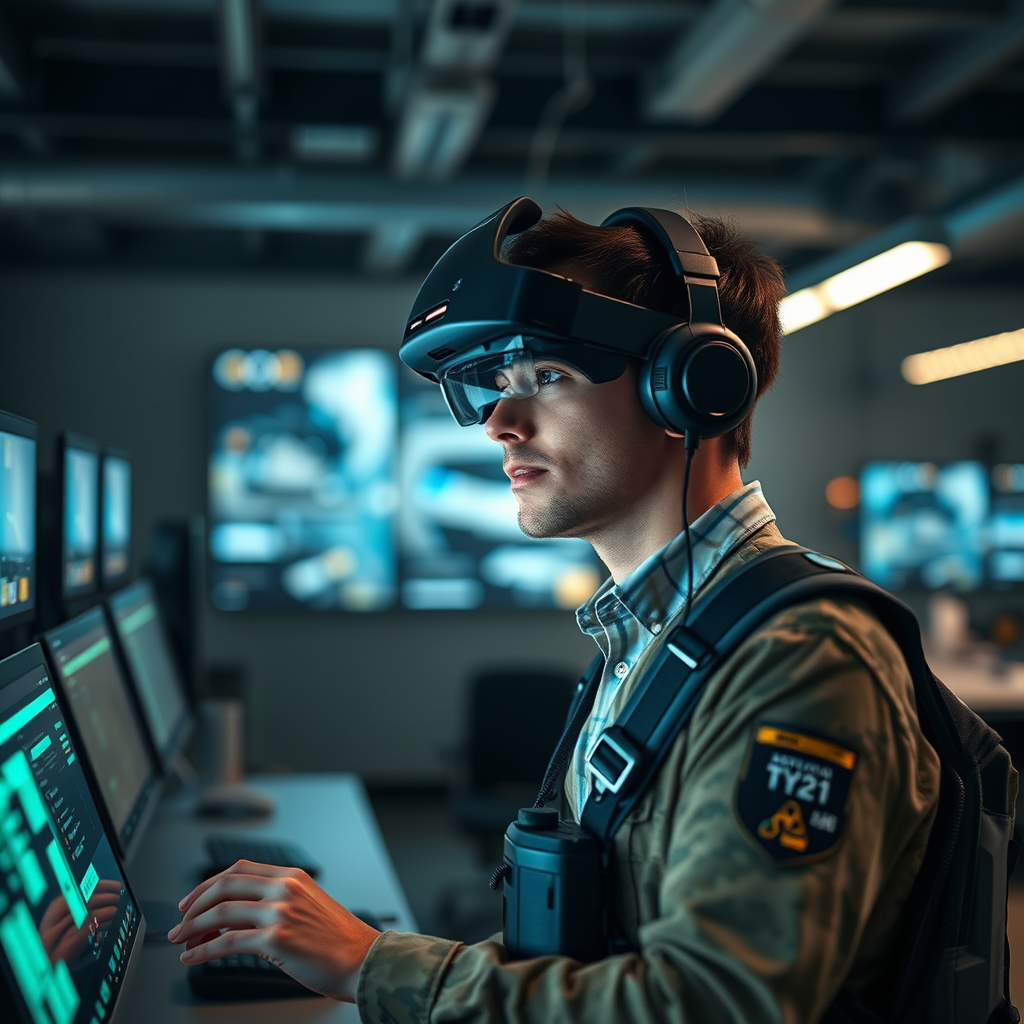
Artificial intelligence (AI) refers to computer systems that can perform tasks typically requiring human intelligence, such as recognizing patterns, processing natural language, and making decisions. In the military context, AI can analyze vast amounts of data from various sources in real-time, enabling faster and more informed decisions. On the other hand, augmented reality (AR) overlays digital information onto the real-world environment, enhancing a user’s perception of their surroundings.
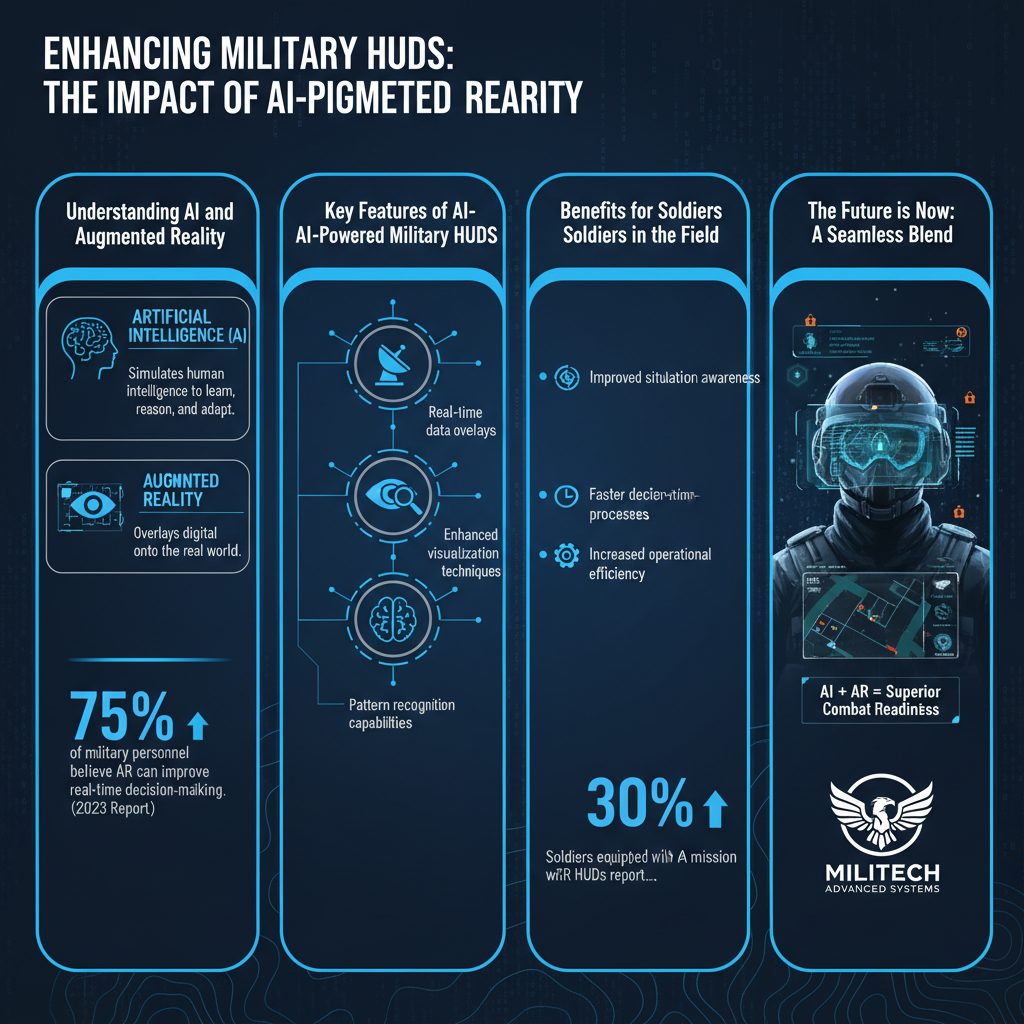
When these two technologies collaborate in military HUDs, they create a powerful tool that enhances situational awareness by presenting critical information seamlessly integrated into a soldier’s field of view. For instance, imagine a soldier navigating a complex terrain where, through AR, they can see real-time updates of troop movements, enemy positions, and mission objectives, all while maintaining focus on their environment. This synergy not only provides essential insights but also helps soldiers react more quickly to changing situations.
Key Features of AI-Powered Military HUDs
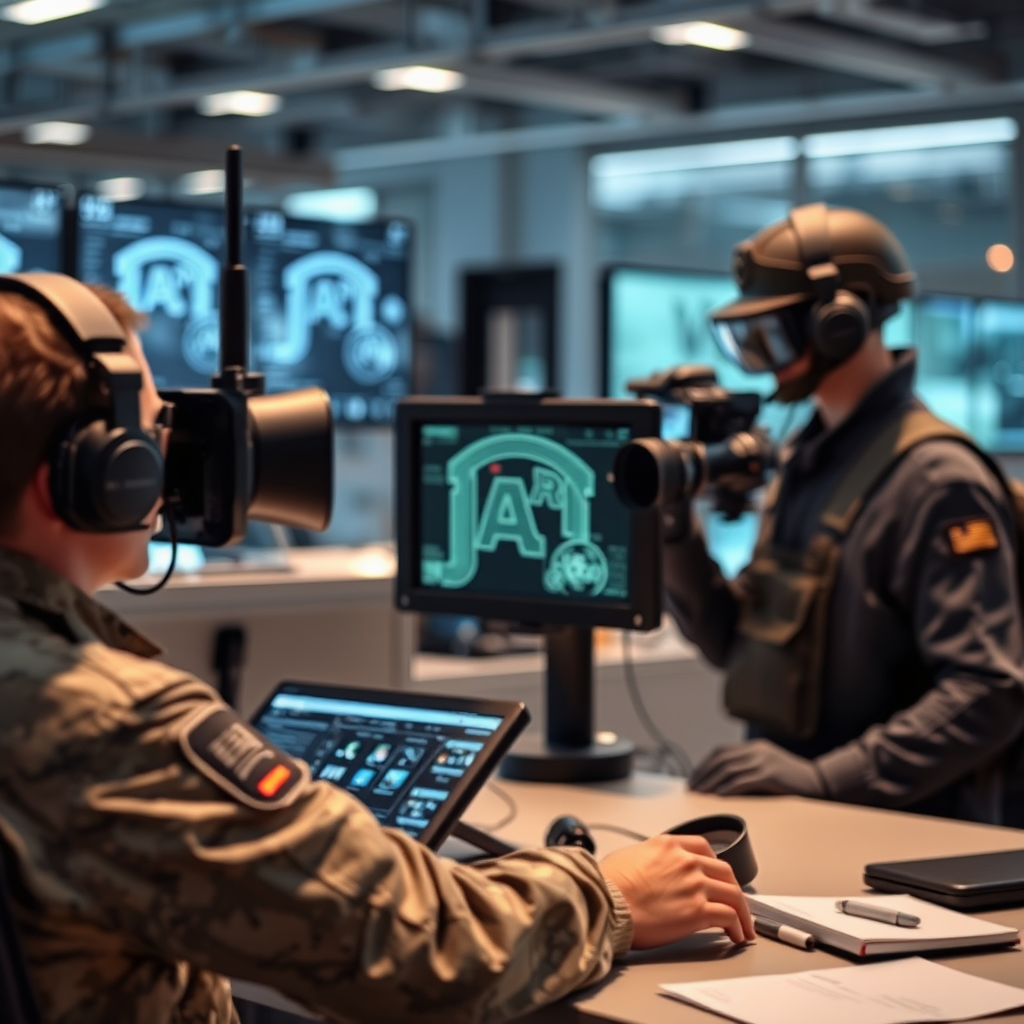
One of the standout features of AI-powered military HUDs is their ability to integrate real-time data from various sensors and sources. This includes information from drones, satellites, and ground vehicles, creating a comprehensive view of the operational landscape. For example, a soldier can receive information from a reconnaissance drone about potential threats while simultaneously viewing their own unit’s location on a map. This integration allows for a more cohesive understanding of the battlefield, reducing the cognitive load on soldiers.
Advanced visualizations also play a crucial role in mission planning and execution. AI algorithms can analyze data and generate dynamic visual representations, such as 3D terrain models or predictive simulations of enemy movements. By visualizing complex data in an easily digestible format, soldiers can better plan their strategies and anticipate challenges. This capability not only saves precious time but also minimizes the risk of errors during high-stakes operations.
Benefits for Soldiers in the Field
One of the most significant benefits of AI-powered HUDs is the improved situational awareness they provide. With dynamic information displays, soldiers can quickly grasp the changing battlefield landscape. For example, during a reconnaissance mission, a soldier equipped with an AR HUD can receive real-time alerts about incoming threats or changes in mission parameters, allowing them to adapt rapidly.
Additionally, enhanced decision-making capabilities arise from predictive analytics embedded within these systems. AI can analyze historical data and current conditions to forecast potential outcomes, giving soldiers insights into the best course of action. For instance, if a troop is advancing toward a potential ambush, the AI can suggest alternate routes or tactics based on previous encounters. This proactive approach can be the difference between mission success and failure.
Applications in Combat Scenarios
AI-powered AR technology has already found applications in various combat scenarios. One notable example is its use in navigation and targeting systems. For instance, the U.S. Army’s Integrated Visual Augmentation System (IVAS) merges AR with AI to assist soldiers in navigation by overlaying maps directly onto their field of view. This allows for precise maneuvering even in challenging terrains or adverse weather conditions.
Case studies of successful implementations reveal the technology’s transformative potential. During a recent military exercise, soldiers equipped with AR HUDs were able to conduct simulated operations with enhanced coordination and real-time communication. The ability to visualize data and receive instant feedback led to improved performance and minimized the likelihood of friendly fire incidents.
Challenges and Limitations
Despite its promising benefits, there are challenges and limitations to deploying AR systems in military settings. Technological hurdles such as ensuring robustness in various environments and maintaining performance under heavy data loads can complicate implementation. Additionally, logistical issues, like the need for infrastructure to support these advanced systems, can be daunting.
Concerns about data security and reliability in combat environments also pose risks. The potential for cyberattacks targeting military communication systems raises questions about the safety of sensitive information. As military operations become increasingly reliant on technology, safeguarding these systems becomes crucial to operational success.
Future Trends in Military HUD Technology
Looking ahead, the future of AI and AR in military applications is promising. Predictions indicate advancements in machine learning algorithms, making AI systems even more adept at processing and analyzing data. This could lead to more sophisticated predictive models that offer deeper insights into enemy behavior and environmental conditions.
Moreover, the exploration of potential new functionalities is exciting. Imagine HUDs that can adjust to individual soldier preferences, providing tailored information based on their specific roles or past experiences. Enhanced integration with wearable technology could further streamline the flow of information, creating a holistic system that supports soldiers throughout their missions.
As these technologies continue to evolve, we can expect an even greater impact on military operations, enhancing both safety and effectiveness.
The integration of AI-powered augmented reality into military HUDs is revolutionizing the way soldiers engage with their environment and make critical decisions. As technology continues to evolve, these systems are expected to become even more integral to military operations, enhancing both safety and effectiveness. For military professionals and defense stakeholders, understanding these advancements is essential for staying ahead in modern warfare. Embracing AI and AR not only improves operational efficiency but also ensures that our soldiers have the best tools available to navigate the complexities of combat.
Frequently Asked Questions
What is AI-powered augmented reality (AR) and how is it used in military HUDs?
AI-powered augmented reality (AR) combines real-time data processing with visual overlays to enhance situational awareness for military personnel. In military heads-up displays (HUDs), this technology provides critical information, such as enemy positions, terrain data, and mission details, directly in the line of sight of soldiers, improving decision-making and operational efficiency.
How does AI enhance the effectiveness of augmented reality in military applications?
AI enhances augmented reality in military applications by enabling advanced data analysis and predictive modeling. This allows military HUDs to automatically highlight significant threats, suggest tactical maneuvers, and filter out irrelevant information, enabling soldiers to focus on immediate challenges, thereby increasing their effectiveness and safety during operations.
Why is augmented reality with AI important for modern warfare?
Augmented reality with AI is essential for modern warfare as it provides real-time situational awareness and improves communication among troops. This technology helps to minimize information overload by presenting relevant data intuitively, allowing soldiers to make quicker, more informed decisions in high-stakes environments, which is critical for mission success and troop safety.
What are the best use cases for AI-powered AR in military HUDs?
The best use cases for AI-powered AR in military HUDs include battlefield navigation, threat detection, and training simulations. For instance, during operations, AR can overlay tactical maps and enemy locations, while in training, it can create realistic scenarios for soldiers to practice decision-making under pressure, ultimately enhancing preparedness and operational capability.
Which military branches are currently utilizing AI-powered augmented reality in their HUD systems?
Various military branches, including the U.S. Army, Navy, and Air Force, are actively incorporating AI-powered augmented reality into their HUD systems. These branches are leveraging this technology to improve combat readiness and enhance operational effectiveness, ensuring that personnel have access to the most advanced tools for real-time decision-making and mission execution.
References
- Augmented reality
- https://www.nist.gov/news-events/news/2020/08/augmented-reality-and-artificial-intelligence-military-operations
- https://www.defense.gov/Explore/News/Article/Article/2399822/military-uses-augmented-reality-in-training/
- https://www.army.mil/article/246060/augmented_reality_technology_enhances_training_for_soldiers
- https://www.sciencedirect.com/science/article/pii/S1877050920303619
- https://www.gao.gov/products/gao-20-515
- https://www.navy.mil/Press-Office/News-Stories/Article/2372791/augmented-reality-now-part-of-navy-training/
- https://www.researchgate.net/publication/332346157_Augmented_Reality_in_Military_Training_and_Simulation
- https://www.airforce.com/technology/augmented-reality-in-military