In today’s digital landscape, AI is revolutionizing the way streaming services combat piracy. By harnessing advanced algorithms and machine learning techniques, platforms can swiftly detect unauthorized content, monitor user behavior, and implement robust security measures. As piracy continues to threaten the revenue streams of content creators, understanding how AI technology transforms content protection becomes essential for both providers and consumers.
The Rise of Piracy in Video Streaming
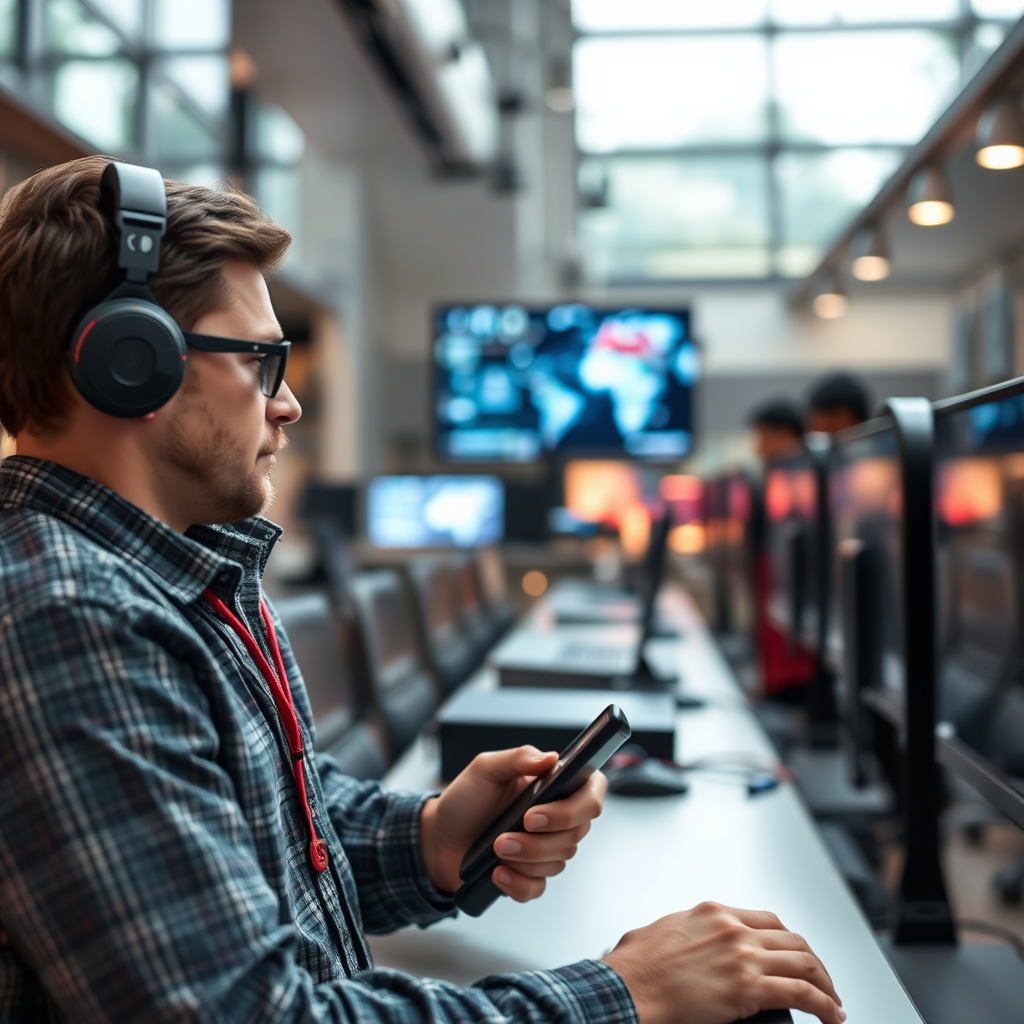
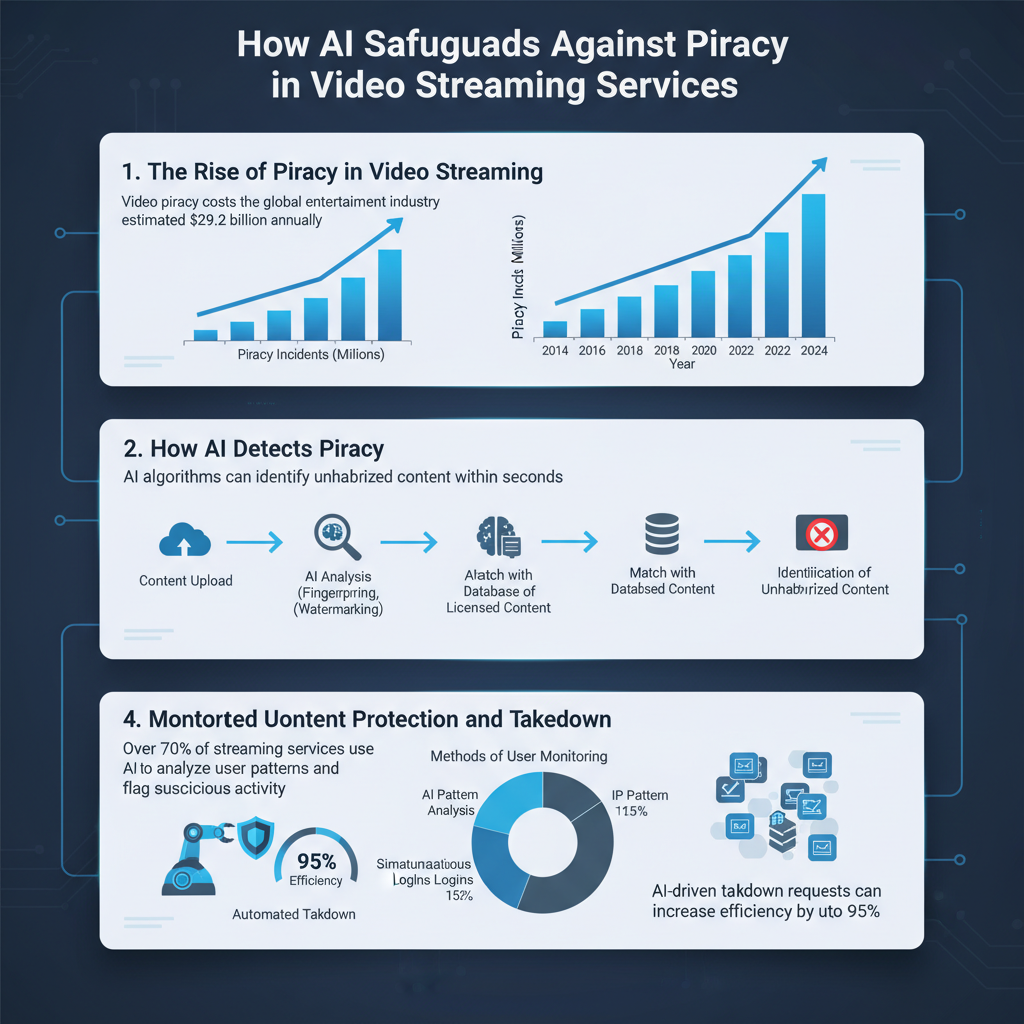
Over the past decade, video piracy has surged dramatically, fueled by the ease of access to digital content and the proliferation of high-speed internet. According to recent studies, it’s estimated that the global cost of video piracy could reach billions of dollars annually, impacting not only streaming services but also filmmakers, actors, and the entire creative industry. When consumers resort to pirated content, it undermines the financial viability of legitimate platforms, leading to fewer resources for new content creation and innovation. This vicious cycle not only diminishes the quality and variety of available entertainment but also poses significant challenges for companies striving to protect their intellectual property.
How AI Detects Piracy
AI technology employs sophisticated algorithms that analyze vast amounts of data to identify unauthorized content. By leveraging techniques such as data mining and pattern recognition, these algorithms can sift through streaming libraries to pinpoint instances of copyright infringement. For instance, image and audio recognition technologies can match copyrighted material against the content available on various platforms, enabling AI to flag potential violations quickly and accurately. Services like YouTube utilize these methods through their Content ID system, which scans uploaded videos for copyrighted audio and visual elements, allowing rights holders to monetize or block unauthorized uploads efficiently.
Monitoring User Behavior with AI
Another critical aspect of AI’s role in piracy prevention is its ability to monitor user behavior for suspicious activity. By analyzing streaming patterns, AI can detect anomalies that may indicate potential piracy. For example, if a user is streaming content excessively in a short period or accessing multiple accounts from unusual IP addresses, these behaviors can trigger alerts for further investigation. Streaming services can then take preventive actions, such as temporarily suspending accounts or implementing additional security measures. This proactive approach not only helps curb piracy but also enhances the overall security of the streaming environment.
Automated Content Protection and Takedown
AI significantly streamlines the process of content removal from unauthorized platforms. By automating the identification and takedown of pirated content, AI reduces the burden on human moderators and accelerates the response time to copyright violations. When unauthorized content is detected, AI can instantly generate and send takedown notices to the platforms hosting the infringing material. This efficiency is crucial in minimizing the window of exposure for pirated content, thus protecting the interests of content creators and ensuring that they receive the revenue they deserve. For instance, platforms like Netflix and Amazon Prime Video have implemented such automated systems to protect their extensive libraries.
Enhancing User Authentication and Security
AI-driven security measures are essential in enhancing user authentication and preventing unauthorized access to streaming services. With the rise of account sharing and credential theft, streaming platforms are increasingly turning to AI tools for user verification. Biometric authentication, such as facial recognition or fingerprint scanning, is becoming more prevalent, providing a secure way to ensure that only authorized users can access content. Additionally, AI can analyze login patterns and user behavior to flag any irregularities, such as attempts to log in from different geographical locations in a short time, prompting further verification steps. These proactive strategies help maintain the integrity of user accounts and safeguard against unauthorized access.
The Future of AI in Piracy Prevention
Looking ahead, the evolution of AI in combating piracy is poised to introduce even more sophisticated tools and methods. As machine learning algorithms continue to advance, they will become increasingly adept at predicting and preventing piracy before it occurs. Future innovations may include deeper integration of AI with blockchain technology, creating transparent and secure ways to track ownership and distribution of content. Moreover, as AI becomes more accessible, smaller streaming platforms can leverage these technologies to protect their content, helping to level the playing field in the industry. The ongoing development of AI will undoubtedly continue to shape the landscape of piracy prevention.
The Role of Collaboration in Fighting Piracy
Fighting piracy effectively requires collaboration between streaming services, technology companies, and law enforcement agencies. Partnerships can amplify the impact of anti-piracy measures, pooling resources and expertise to create comprehensive strategies. Case studies, such as the collaboration between major streaming platforms and the Motion Picture Association (MPA), demonstrate the power of joint efforts. These partnerships have led to significant piracy reductions through coordinated takedown initiatives and public awareness campaigns. By working together, stakeholders can share valuable insights and develop innovative solutions to combat piracy more effectively.
By leveraging AI, video streaming services can significantly reduce piracy and protect their content. The advanced methods discussed here not only safeguard revenue but also enhance the overall viewing experience for legitimate users. As technology continues to evolve, staying informed about these innovations will be essential for both service providers and consumers alike. The future looks promising, with AI paving the way for a more secure and equitable digital landscape.
Frequently Asked Questions
How does AI technology detect and prevent piracy in video streaming services?
AI technology utilizes advanced algorithms to analyze vast amounts of data, identifying patterns and anomalies that indicate potential piracy activities. By employing machine learning and computer vision, AI can monitor streaming content in real-time, flagging unauthorized copies and distributing them across various platforms. This proactive approach not only helps in detecting illegal streams but also in taking immediate action to block access, thereby protecting the integrity of video streaming services.
What are the benefits of using AI for piracy prevention in streaming platforms?
The primary benefits of using AI for piracy prevention include enhanced security, reduced revenue loss, and improved user experience. AI-driven systems can swiftly identify and mitigate piracy threats, ensuring that legitimate users have uninterrupted access to content. Furthermore, by minimizing the impact of unauthorized distribution, streaming services can safeguard their intellectual property and maintain a competitive edge in the market.
Why is AI considered more effective than traditional methods for combating piracy in video streaming?
AI is deemed more effective than traditional methods due to its ability to process and analyze data at an unprecedented speed and scale. While traditional methods often rely on manual monitoring and reporting, AI automates these processes, significantly increasing efficiency. Additionally, AI continuously learns from new data, improving its accuracy over time, which allows streaming services to stay ahead of evolving piracy tactics.
Which AI technologies are commonly used to combat video piracy in streaming services?
Common AI technologies used to combat video piracy include machine learning, computer vision, and natural language processing (NLP). Machine learning algorithms can identify patterns in viewing behaviors that indicate piracy, while computer vision can detect unauthorized use of video content by analyzing visual data. NLP can assist in monitoring social media and online forums for discussions related to piracy, helping streaming services take preemptive action.
What steps can video streaming services take to enhance their AI-driven piracy prevention measures?
Video streaming services can enhance their AI-driven piracy prevention measures by regularly updating their algorithms to adapt to new piracy tactics, integrating comprehensive monitoring tools, and investing in user education. Additionally, collaborating with cybersecurity firms can strengthen their defenses, while employing robust data analytics can help identify emerging trends in piracy. Continuous improvement of AI systems ensures that these services remain vigilant in the fight against streaming piracy.
References
- https://en.wikipedia.org/wiki/Piracy_of_movies_and_television
- https://www.bbc.com/news/technology-54016653
- https://www.nytimes.com/2021/03/31/technology/piracy-streaming-services.html
- https://www.reuters.com/technology/streaming-companies-use-ai-fight-piracy-2020-06-30/
- https://www.techrepublic.com/article/how-ai-is-helping-to-combat-piracy-in-streaming-services/
- https://www.europol.europa.eu/activities-services/main-reports/2019-annual-review-of-europol-activities
- Progress Toward Restoring the Everglades: The Seventh Biennial Review – 2018 | The National Acade…
- https://www.wired.com/story/how-ai-is-fighting-online-piracy/
- https://www.sciencedirect.com/science/article/pii/S1877050919300542