
The integration of AI into social media apps enables highly personalized augmented reality (AR) video filters, enhancing user experience by tailoring content to individual preferences. By analyzing user behavior and leveraging vast amounts of data, AI helps create unique and engaging video filter experiences that resonate with each user. In this article, you will learn how AI algorithms analyze user behavior and data to create these personalized and captivating experiences on popular social media platforms.

- Package Included: 1PCS 10mm Optical UV AR-IR CUT filter.
- Excellent optical quality.UV IR-AR 10mm filter is applied to block Ultraviolet Rays,Infrared Rays.
- The optical low-pass filter is processed by special coating film.

Understanding AR Video Filters

AR video filters are digital overlays that enhance or alter the appearance of a user’s environment in real-time, allowing for creative and engaging content creation. These filters can range from simple effects, like changing the color of a user’s hair, to complex animations that transform the entire scene. The purpose of AR video filters in social media is to entertain, engage, and encourage creativity among users, making their posts more visually appealing and fun to share.
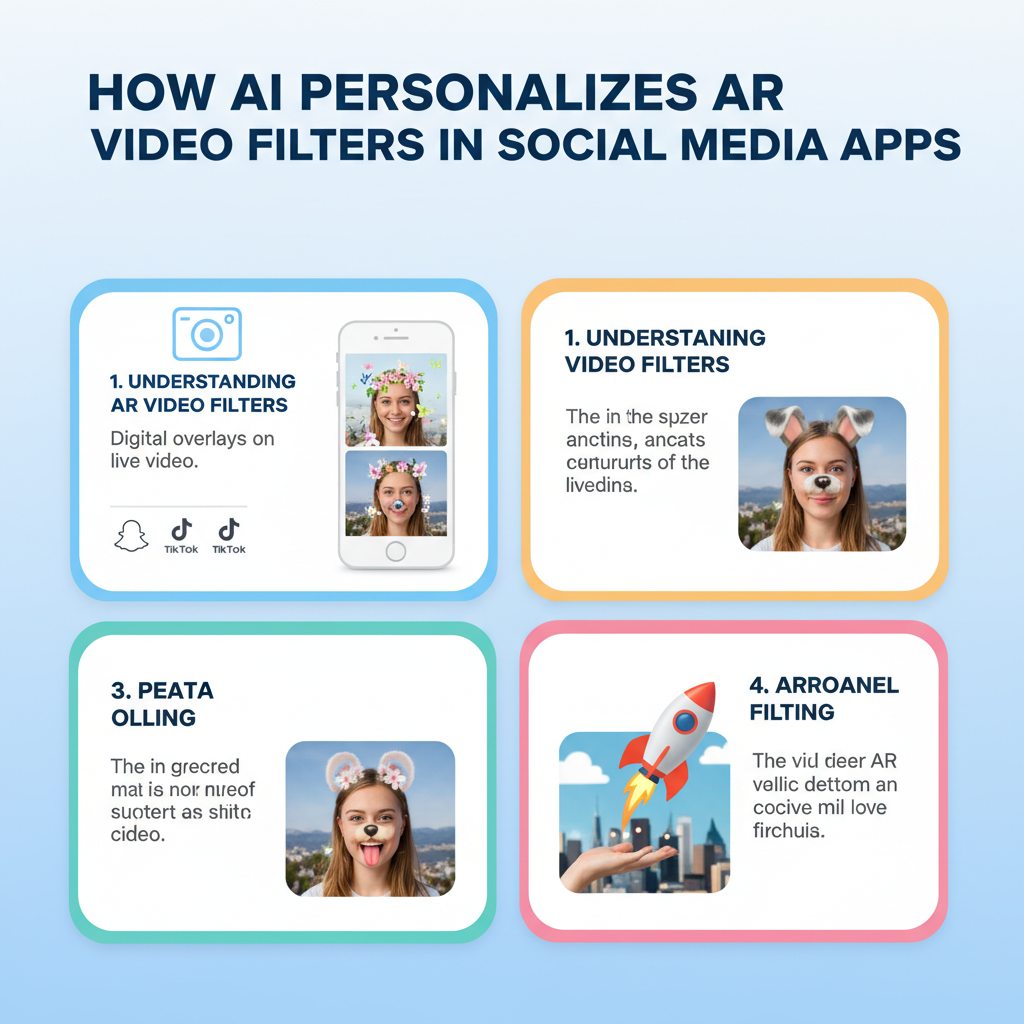
Users interact with these filters through their cameras, often activating them with simple gestures or facial recognition. Platforms like Instagram, Snapchat, and TikTok have made AR filters a staple feature, fostering a culture where users express themselves creatively. With each interaction, users provide feedback that helps refine and improve the filters, making the experience increasingly personalized.
The Role of AI in Personalization

AI plays a crucial role in personalizing AR video filters by utilizing sophisticated algorithms that analyze vast amounts of data. These algorithms can assess various factors, including user preferences, past interactions, and demographic information, to tailor filter suggestions. For instance, if a user frequently engages with floral-themed filters, the AI will prioritize similar styles in future recommendations.
Machine learning, a subset of AI, enables algorithms to continuously learn and adapt based on user interactions. As users engage with different filters—be it through likes, shares, or comments—AI systems gather this data to improve filter recommendations over time. This dynamic process ensures that users receive a more relevant and enjoyable experience, making them more likely to engage with the platform.
Data Collection and User Behavior
Social media apps gather a wide range of data to enhance the personalization of AR filters. This includes likes, shares, comments, and even the amount of time spent on certain filters. Each interaction serves as a data point that informs the algorithms about user preferences and behaviors.
The significance of user behavior cannot be overstated; it shapes the entire filtering experience. For example, if a user often selects filters that feature animals or whimsical themes, the app will learn to suggest more filters aligned with these interests. This data-driven approach allows for a more engaging experience, as users are continuously presented with content that resonates with them personally.
Machine Learning Techniques for Filter Customization
Machine learning techniques enhance filter personalization by employing various models and algorithms to analyze user data. Techniques such as collaborative filtering, natural language processing, and neural networks are commonly used. Collaborative filtering, for instance, identifies patterns by analyzing the behaviors of similar users, allowing the algorithm to recommend filters that others with similar tastes have enjoyed.
A great example of successful implementation is Snapchat’s Lens Studio, which allows creators to design AR experiences. By utilizing user data, Snapchat can recommend specific lenses to users based on their previous interactions. This kind of personalization not only boosts user satisfaction but also encourages creators to produce more innovative content, knowing it will likely reach an eager audience.
The Impact on Engagement and User Experience
Personalized AR filters significantly improve user engagement on social media platforms. When users encounter filters that align with their interests, they are more likely to utilize them, resulting in increased interaction with the app. This engagement often translates to higher rates of sharing, commenting, and overall user retention, which are crucial metrics for social media success.
The psychological effects of tailored content cannot be overlooked either. Personalized experiences foster a sense of connection and satisfaction among users, making them feel understood and valued. This emotional connection can lead to a more loyal user base, as individuals are more likely to return to platforms that consistently meet their preferences and needs.
Challenges of AI-Driven Personalization
Despite the numerous benefits, AI-driven personalization does come with challenges. Privacy concerns are paramount, as users may feel uneasy about how their data is collected and utilized. Social media companies must navigate these concerns by being transparent about data usage and providing options for users to control their privacy settings.
Additionally, technical challenges exist in developing effective personalization algorithms. Ensuring that the algorithms remain unbiased and do not reinforce negative behaviors is crucial. Developers must continuously iterate on their models to ensure that personalization contributes positively to user experience without compromising ethical standards.
Future Trends in AI and AR Filters
Looking ahead, we can expect exciting advancements in AI and AR filters for social media apps. The evolution of AI will likely lead to even more refined personalization techniques, allowing for hyper-personalized content that considers not only individual preferences but also cultural trends and real-time events.
Potential innovations might include the integration of augmented reality with virtual reality, creating immersive experiences that blend the two technologies. As AI continues to evolve, we can also anticipate filters that respond dynamically to user emotions or surroundings, providing a truly unique and engaging experience.
By examining these facets, we can understand the profound impact of AI on the personalization of AR video filters in social media apps. As technology continues to evolve, users can expect even more tailored experiences that enhance their interactions and creativity on these platforms. Explore your favorite social media apps to experience how AI is transforming your content!
Frequently Asked Questions
How does AI personalize AR video filters in social media apps?
AI personalizes augmented reality (AR) video filters by analyzing user data such as facial features, expressions, and even past interactions with filters. Using machine learning algorithms, the technology identifies what types of filters users have engaged with most, allowing apps to recommend or automatically apply filters that align with their preferences. This personalized experience enhances user engagement and satisfaction, making content creation more fun and dynamic.
What are the benefits of AI-driven AR filters for social media users?
The benefits of AI-driven AR filters include enhanced user engagement, personalized content creation, and improved user experience. These filters can adapt to the user’s style or mood, making it easier for individuals to express themselves creatively. Additionally, they can save time by suggesting filters that best match the user’s previous choices, streamlining the editing process and making it more enjoyable.
Why do some AR filters seem to fit my face better than others?
Some AR filters fit better due to the advanced facial recognition capabilities of AI algorithms. These algorithms use depth sensing and facial landmark detection to ensure that the filter aligns accurately with your unique facial features. As the technology learns from a vast array of user data, it continuously improves its ability to map filters onto different face shapes and expressions, resulting in a more seamless and realistic application.
Which social media apps utilize AI for AR filter personalization?
Several popular social media apps utilize AI for AR filter personalization, including Instagram, Snapchat, and TikTok. Each of these platforms employs advanced machine learning techniques to analyze user interactions and preferences, offering a wide array of personalized filters that enhance user-generated content. By continuously updating their filter libraries based on user data, these apps maintain relevance and user engagement.
How can I improve the personalization of AR filters on my social media app?
To improve the personalization of AR filters on your social media app, regularly interact with the filters you enjoy most by using, saving, or sharing them. The app learns from your engagement patterns, which helps it recommend filters that suit your style. Additionally, keeping your app updated ensures you have access to the latest algorithms and features, further enhancing your personalized experience with AR filters.
References
- https://www.scientificamerican.com/article/how-ai-is-changing-the-way-we-see-the-world/
- https://www.bbc.com/news/technology-48691671
- https://www.wired.com/story/how-ai-is-transforming-augmented-reality/
- https://www.nytimes.com/2021/06/08/technology/augmented-reality-filters.html
- https://www.technologyreview.com/2020/11/19/1011984/ai-augmented-reality-social-media-filters/
- https://www.ncbi.nlm.nih.gov/pmc/articles/PMC7575936/
- https://www.itu.int/en/ITU-T/focusgroups/ai/Pages/default.aspx