
To create affordable DIY acoustic panels, focus on inexpensive materials such as foam insulation boards or fabric-wrapped mineral wool. With a bit of creativity and some basic tools, you can significantly reduce sound reverberation in your home studio, music room, or any living space without spending a fortune. In this guide, we’ll take you through a step-by-step process to craft your own acoustic panels, ensuring your environment is acoustically friendly and enjoyable.




Understanding Acoustic Panels
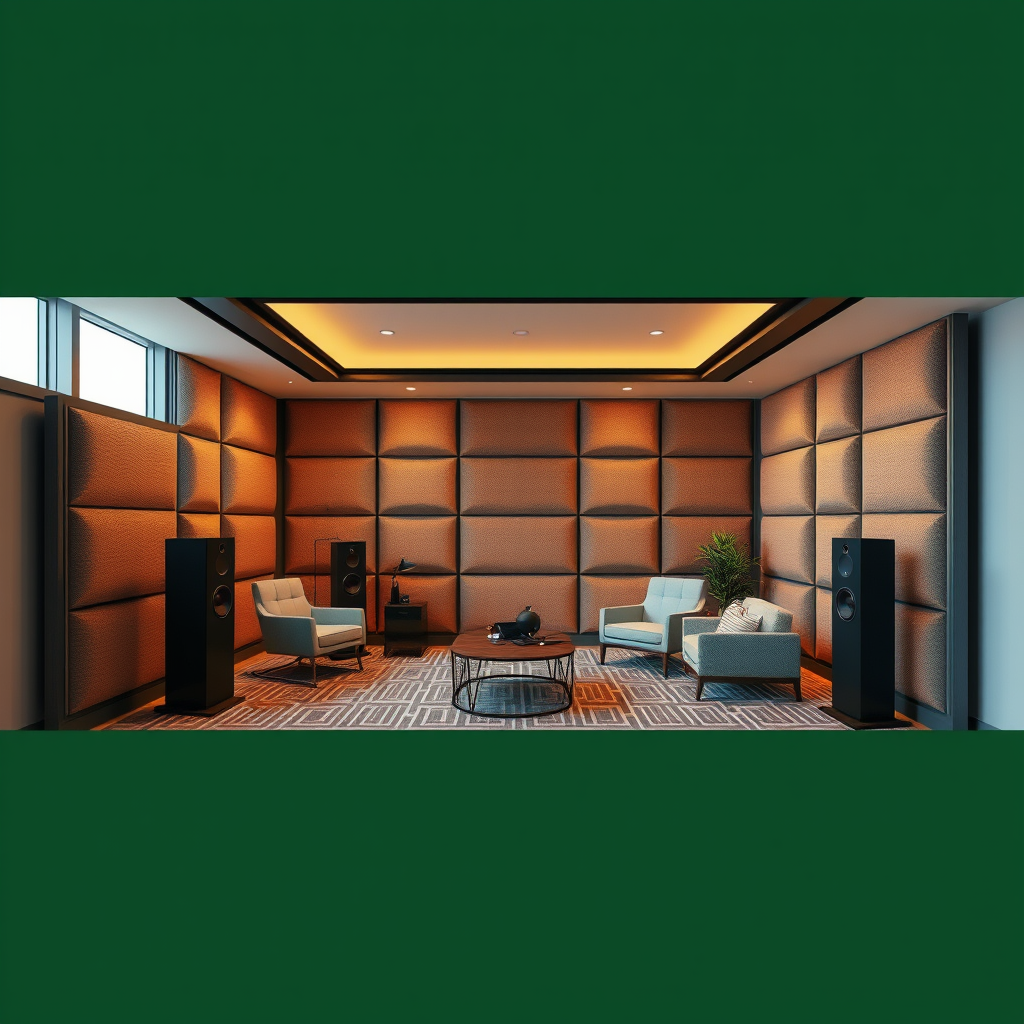
Acoustic panels are specially designed to absorb sound waves, which helps to reduce echo and improve the overall acoustics of a room. This is particularly valuable in spaces where sound quality is paramount, such as home studios, music practice rooms, or even living areas where you want to enjoy clearer audio during movie nights or music listening sessions. By installing these panels, you can create an environment that minimizes disruptive sound reflections, allowing for a more pleasant auditory experience.
Understanding how sound behaves in a room is essential. When sound waves hit hard surfaces like walls, floors, and ceilings, they bounce back, creating echoes and reverberations. Acoustic panels help to mitigate this effect by trapping sound waves, absorbing them, and converting their energy into a small amount of heat. The result? A more controlled sound environment that enhances clarity and reduces noise distractions.
Materials You’ll Need
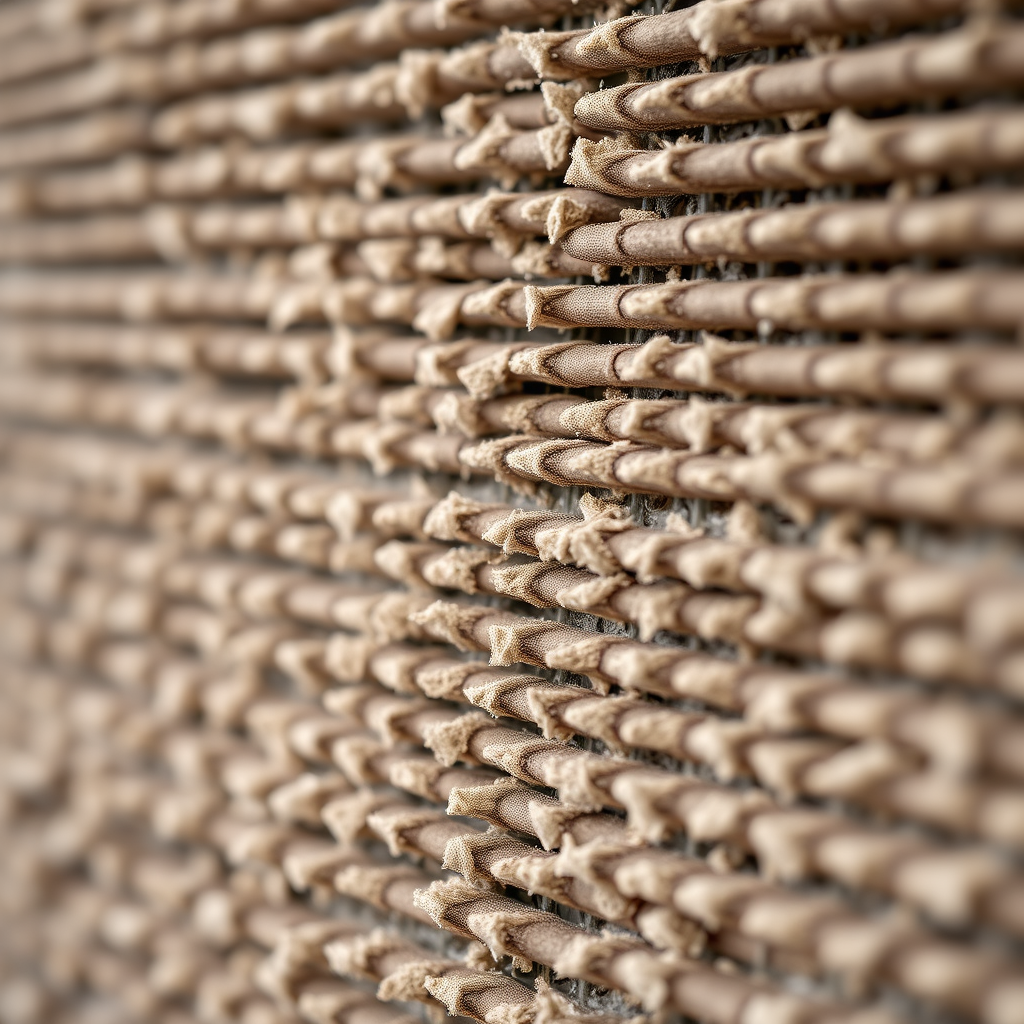
Creating your own acoustic panels doesn’t require an expensive trip to a specialty store. Instead, look for low-cost materials that can be easily sourced:
1. Foam Insulation Boards: These are lightweight, affordable, and available at most hardware stores. They come in various thicknesses and sizes, making them versatile for your needs. A common choice is a rigid foam board that can be cut to fit your desired dimensions.
2. Mineral Wool: This is another excellent option for sound absorption. It’s more effective at dampening lower frequencies compared to foam and can often be found at a similar price point.
3. Fabric for Covering: Choose a fabric that complements your decor while being effective at sound absorption. Options like burlap or cotton are great choices and can be found at craft stores or online. Aim for a fabric that is breathable but sturdy enough to withstand wear.
4. Wood for Frames: If you want to add a frame for aesthetics or additional support, consider using inexpensive plywood or reclaimed wood.
With these materials, you’ll be equipped to make panels that not only look good but also perform well.
Tools Required for the Project
Before diving into your DIY project, gather the necessary tools. Most of these are common household items, so you might already have them on hand:
– Utility Knife: Perfect for cutting through foam or insulation boards with precision.
– Staple Gun: Essential for securing your fabric to the insulation material, giving your panels a finished look. Ensure you have enough staples as well.
– Measuring Tape: Accurate measurements are crucial to ensure your panels fit perfectly in your intended space.
– Optional Tools: If you decide to construct wooden frames, a saw may be needed to cut the wood to size. A drill can also be handy for mounting the panels.
Having these tools ready will streamline your project, making it easier and more enjoyable.
Step-by-Step Construction Process
Now that you have your materials and tools, let’s walk through the construction process step-by-step:
1. Measure and Cut: Decide on the size of your acoustic panels. A common size is 2 feet by 4 feet, but you can customize this based on your space and needs. Use your measuring tape to mark the insulation boards, then carefully cut them with your utility knife. Ensure that you are working on a flat surface to make this easier and safer.
2. Wrap the Insulation: Lay the insulation board on a flat surface. Cut your fabric to size, allowing a few extra inches on each side for wrapping. Place the insulation in the center of the fabric and fold the fabric over the edges. Use the staple gun to secure the fabric tightly to the back of the panel. Pull the fabric snugly to avoid wrinkles and ensure a professional appearance.
3. Optional Framing: If you’re adding a frame, cut your wood pieces to size and create a rectangular frame around the edges of the panel. Secure the frame with wood glue or screws. This not only enhances the design but also provides additional durability.
4. Finishing Touches: Once your panels are complete, inspect them for any loose fabric or staples. Trim any excess fabric for a clean look. Your DIY acoustic panels are now ready to be installed!
Placement Strategies for Maximum Effect
The effectiveness of your acoustic panels hinges not just on their construction but also on their placement. Here are some strategies to maximize their impact:
– First Reflection Points: Locate the first reflection points in your room, which are the areas where sound waves first bounce off the walls before reaching your ears. To find these points, you can use a mirror: sit in your listening position and have someone move the mirror along the wall until you can see the speakers. This is where you should place your panels.
– Wall-Mounted vs. Freestanding: Depending on your space, you can choose to mount the panels on the wall or create freestanding dividers. Wall-mounted panels are great for permanent solutions, while freestanding options can be moved around for flexibility.
– Coverage: Aim for about 20-30% of your wall space to be covered with acoustic panels. This percentage is often sufficient to make a noticeable difference in sound quality without overwhelming the room’s aesthetics.
Maintenance Tips for Longevity
To ensure your DIY acoustic panels remain effective over time, consider these maintenance tips:
– Regular Cleaning: Dust can accumulate on fabric surfaces, impacting their performance. Use a vacuum cleaner with a brush attachment to gently clean the panels every few months. For stubborn stains, spot cleaning with a damp cloth can work wonders.
– Inspect for Wear: Periodically check your panels for any signs of wear, such as frayed fabric or loose staples. Addressing these issues promptly can prevent further damage and extend the life of your panels.
– Replace as Needed: If you notice significant degradation in sound absorption or visual appeal, it might be time to replace the insulation material or fabric. Keeping your panels in top condition is key to maintaining their effectiveness.
Cost-Saving Alternatives
If you’re looking to save even more on your acoustic panel project, consider these alternatives:
– Upcycling Materials: Old blankets, rugs, or even upholstered furniture can be repurposed into acoustic panels. These items often have sound-absorbing qualities and can add a unique aesthetic to your space.
– Community Resources: Check local community projects, online marketplaces, or forums where people might be giving away or selling soundproofing materials at low prices. You’d be surprised at how many resources are available if you look in the right places.
– DIY Soundproofing Solutions: Consider combining your panels with other soundproofing methods, such as heavy curtains or bookcases, to create a more comprehensive sound management solution without spending a lot.
Creating your own DIY acoustic panels is not only a rewarding project but also a practical way to enhance the audio experience in your home. You can achieve effective sound absorption without a hefty price tag by using affordable materials and following a straightforward construction process. Now that you have all the necessary information, gather your materials, unleash your creativity, and start transforming your space into a sound-friendly environment!
Frequently Asked Questions
What materials do I need to make my own acoustic panels cheaply?
To create your own acoustic panels on a budget, you’ll need a few essential materials: rigid fiberglass or foam panels for sound absorption, wood frames or cardboard for structure, fabric (like burlap or cotton) for covering, and adhesive or staples to secure everything in place. You can often find these materials at local hardware stores or online, making it easy to gather everything you need without breaking the bank.
How do I properly design my DIY acoustic panels for optimal sound absorption?
To design effective DIY acoustic panels, aim for a thickness of at least 2 inches for maximum sound absorption. Consider placing panels at first reflection points on walls and ceilings to minimize echoes and improve sound clarity. Additionally, using a variety of panel sizes can help in targeting different frequencies, creating a more balanced acoustic environment.
Why should I consider making my own acoustic panels instead of buying them?
Making your own acoustic panels can be significantly more cost-effective than purchasing pre-made options, which often come with high price tags due to branding and manufacturing costs. DIY acoustic panels allow for customization in terms of size, shape, and fabric choices to match your decor while still delivering the soundproofing benefits you need. Additionally, the process can be a fun and rewarding DIY project.
What is the best way to mount my homemade acoustic panels to maximize their effectiveness?
The best way to mount your homemade acoustic panels is to use wall brackets or adhesive strips that can hold the weight securely without damaging the wall. For optimal effectiveness, place the panels at ear level or where sound reflections are most prominent. You can also experiment with angling the panels slightly to better capture sound waves, enhancing their acoustic performance.
Which rooms in my house would benefit most from DIY acoustic panels?
Rooms that typically benefit most from DIY acoustic panels include home theaters, music studios, and offices where sound clarity is crucial. Spaces with hard surfaces like tile or concrete are particularly prone to echo, making acoustic treatment essential. Additionally, bedrooms can also benefit from soundproofing to create a quieter, more restful environment, especially if you live in a noisy area.
References
- Acoustic panel
- https://www.researchgate.net/publication/317817840_Diy_Acoustic_Panels_Using_Recycled_Materials
- https://www.soundonsound.com/techniques/creating-acoustic-panels
- https://www.acoustics.org/press/151st/acoustic_panels.html
- https://www.npr.org/sections/monkeysee/2015/02/19/387407015/soundproofing-your-home-what-you-need-to-know
- https://www.uwm.edu/people/andrewe/Acoustics/DIYAcousticPanels.pdf
