With the unveiling of brain-sensing headphones at CES 2026, consumers can expect a revolutionary audio experience that adapts to their mental state. These innovative headphones utilize cutting-edge technology to enhance sound quality and personalize audio output based on the user’s brain activity. Imagine being able to listen to your favorite tunes while the headphones intuitively adjust the sound based on how you feel at any given moment. This article explores the features, benefits, and potential impact of these futuristic devices, providing insights into how they could dramatically change the way we engage with sound.
Overview of Brain-Sensing Technology
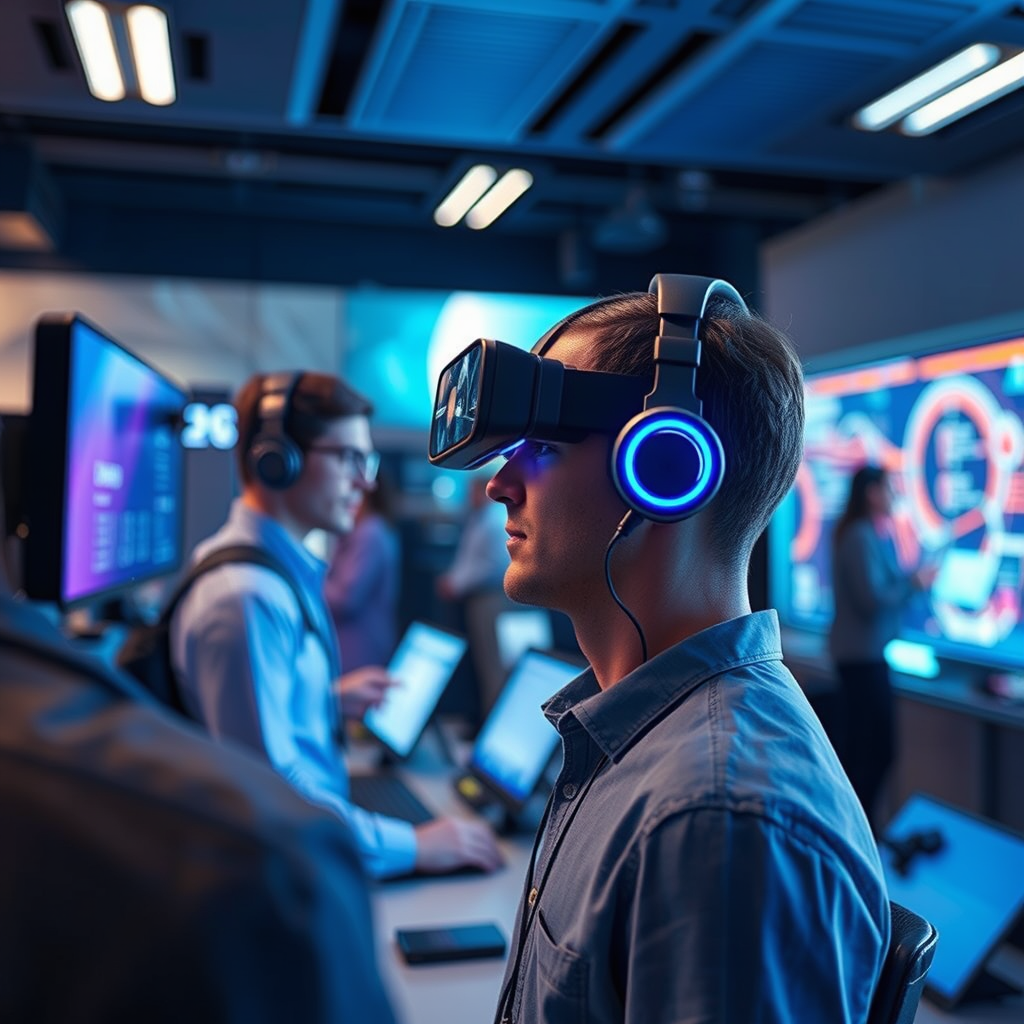
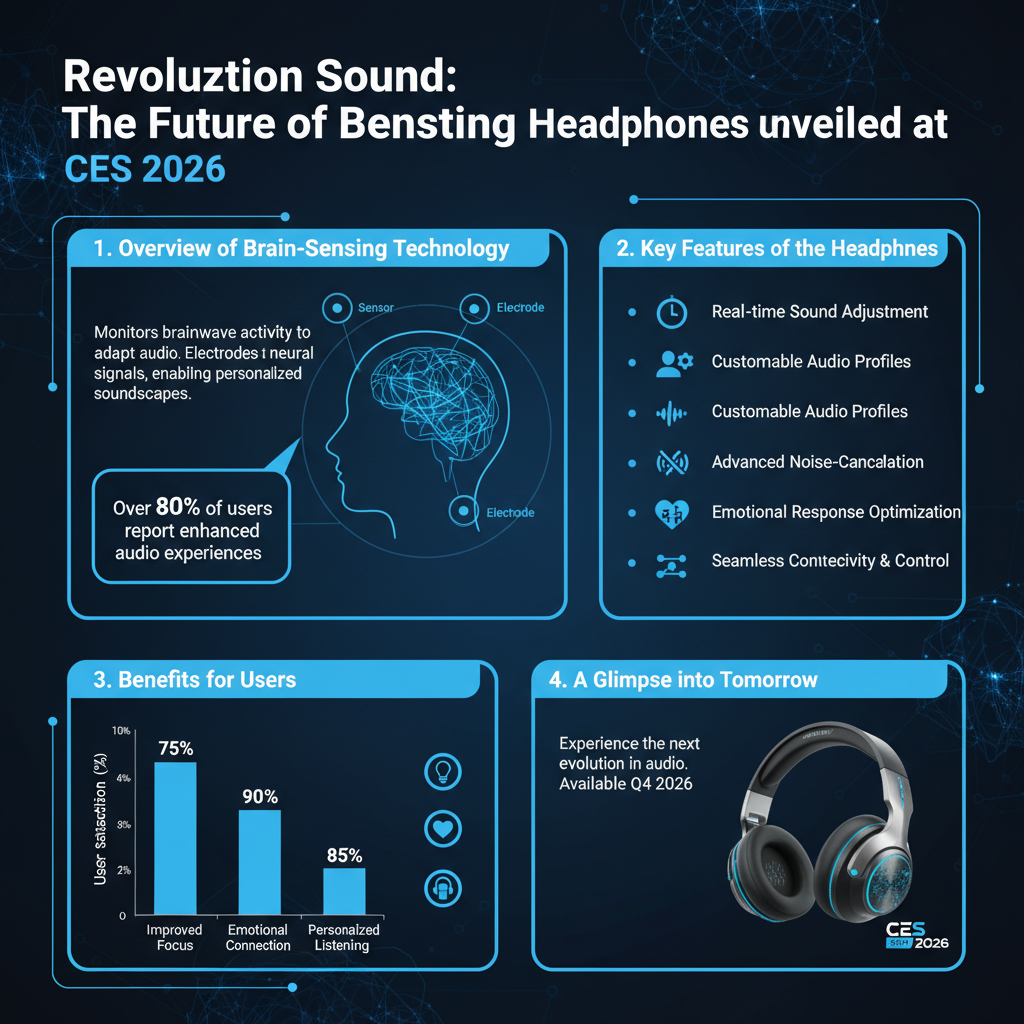
Brain-sensing technology operates by employing sensors and electrodes that monitor brainwave activity in real time. These sensors detect electrical impulses that our neurons emit, translating them into data that can be analyzed for patterns. This data is then used to tailor audio experiences to the listener’s mental state. For instance, if the listener is feeling stressed, the headphones may automatically play calming music or ambient sounds to help alleviate that tension.
The neuroscience behind audio personalization is fascinating. It draws from studies that explore how different sound frequencies and types of music can affect our mood and cognitive functions. Research indicates that certain beats can induce relaxation, while others may enhance focus or even boost creativity. By integrating this knowledge with real-time brain data, these headphones pave the way for personalized audio experiences that align with our mental and emotional needs.
Key Features of the Headphones

These brain-sensing headphones come packed with a variety of impressive features. One of the standout functionalities is real-time brainwave monitoring. This feature allows the headphones to continuously assess the user’s mental state and adapt the audio output accordingly. For example, if the user’s brainwaves indicate a state of heightened focus, the headphones may switch to playlists designed to enhance concentration.
In addition to brainwave monitoring, the headphones also boast advanced noise cancellation capabilities. This feature works to eliminate external distractions, allowing users to immerse themselves fully in their audio experience. Moreover, adaptive sound profiles are included, where the headphones can switch between different audio settings based on the environment. Whether you’re in a bustling coffee shop or a quiet library, these headphones adjust their output to enhance your listening experience.
Benefits for Users
The benefits of brain-sensing headphones are extensive and cater to a wide range of users. First and foremost, they offer enhanced listening experiences tailored to individual preferences. By analyzing brain activity, these headphones can provide a unique sound profile that resonates with the listener’s current mood and mental state, making each listening session a truly personal experience.
Additionally, there’s significant potential for applications in mental wellness and stress reduction. For instance, users struggling with anxiety can benefit from the headphones’ ability to detect stress signals and respond with soothing sounds or guided meditations. This could be a game-changer for those looking to incorporate audio therapy into their mental health routines, making the headphones not just a luxury item but a valuable tool for well-being.
Market Impact and Future Outlook
The introduction of brain-sensing headphones could potentially change the audio industry landscape. Traditional headphones have primarily focused on sound quality and comfort, but these new devices introduce a level of interactivity and personalization that could redefine consumer expectations. As a result, we might see a new wave of audio products that incorporate similar technologies, pushing competitors to innovate further.
Looking ahead, predictions for future developments in brain-computer interface technology are exciting. We may see advancements that allow for even deeper integration between our cognitive states and the devices we use daily. Imagine headphones that not only adjust sound profiles but also suggest playlists based on the time of day, your calendar events, or even your sleep patterns. The future is bright for those passionate about audio technology.
User Feedback and Reactions
Initial consumer reactions from the CES demo have been overwhelmingly positive. Users marveled at the seamless way the headphones adapted to their brain activity, with many commenting on how natural and intuitive the experience felt. Early adopters expressed excitement over the potential for improved focus during work hours and relaxation during commutes.
Industry experts have also weighed in, with one tech analyst stating, “These headphones represent a significant leap in audio technology. The blend of neuroscience and sound engineering opens up a world of possibilities for enhancing our daily lives.” Such endorsements highlight the potential these devices have to capture consumer interest and set new standards in audio quality.
Comparison with Existing Audio Technologies
When comparing brain-sensing headphones with traditional headphones and smart audio devices, the differences become strikingly clear. Traditional headphones typically rely on user input to adjust settings, while smart devices may offer basic automation based on environmental cues. However, brain-sensing technology takes personalization to a whole new level by actively responding to the user’s mental state.
The unique advantages offered by brain-sensing capabilities include the ability to create a truly immersive experience that is not only tailored to sound preferences but also emotional and mental needs. This represents a paradigm shift in how we think about audio devices, transforming them from mere accessories into intelligent companions that enhance our lives.
Potential Challenges and Concerns
Despite the excitement surrounding brain-sensing headphones, there are valid concerns that merit consideration. One significant issue is privacy, particularly regarding the sensitive brain data that these devices collect. Consumers may worry about how this information is stored, used, and potentially shared. Manufacturers will need to prioritize transparency and security to foster trust among users.
Additionally, considerations regarding accessibility and affordability of the technology cannot be overlooked. High-tech features often come with steep price tags, which may make these headphones inaccessible to many potential users. As the technology matures, it will be crucial for companies to explore ways to make these groundbreaking devices available to a broader audience.
The brain-sensing headphones showcased at CES 2026 signify a groundbreaking advancement in audio technology, promising to revolutionize how we experience sound. As the industry moves forward, staying informed about these developments will be crucial for consumers and tech enthusiasts alike. Keep an eye on future releases and consider how this technology could enhance your own listening experiences. With the potential to transform not just how we listen to music, but how we engage with our mental states and well-being, the future of audio technology is indeed exciting.
Frequently Asked Questions
What are brain-sensing headphones and how do they work?
Brain-sensing headphones are innovative audio devices designed to monitor and interpret brain activity using EEG (electroencephalography) technology. These headphones typically feature built-in sensors that detect electrical signals produced by the brain, allowing them to assess the user’s mental state, focus level, and emotional responses. By analyzing this data, the headphones can adjust audio settings or provide personalized soundscapes to enhance concentration, relaxation, or mood.
How can brain-sensing headphones improve productivity and focus?
Brain-sensing headphones can significantly enhance productivity by tailoring audio experiences to match the user’s cognitive state. For instance, if the headphones detect distraction or decreased focus, they may automatically switch to binaural beats or ambient sounds designed to boost concentration. This adaptive audio technology can help users maintain an optimal mental state for various tasks, making it easier to stay engaged and productive throughout the day.
Why are brain-sensing headphones being showcased at CES 2026?
CES 2026 is a prominent platform for showcasing cutting-edge technology, and brain-sensing headphones exemplify the intersection of neuroscience and consumer electronics. The event highlights innovations that enhance user experience, and these headphones represent a growing interest in personalized technology that caters to mental health and cognitive performance. Demonstrating at CES allows manufacturers to attract attention from both consumers and investors, potentially revolutionizing how people engage with audio content.
What are the best features to look for in brain-sensing headphones?
When considering brain-sensing headphones, look for features such as accurate EEG monitoring, comfortable design, good sound quality, and an intuitive companion app. Additionally, advanced models should offer customizable settings to cater to individual preferences and situations, as well as integration with other wellness tools. Battery life and wireless capabilities are also important, ensuring that users can enjoy prolonged use without interruption.
Which brands are leading the market for brain-sensing headphones in 2026?
As of 2026, notable brands leading the market for brain-sensing headphones include companies like NeuroSound, FocusWave, and MindTune. These brands are recognized for their innovative designs and effective brainwave analysis capabilities. They are committed to enhancing user experience by incorporating features such as adaptive audio adjustments, health tracking, and seamless app connectivity, making them popular choices among consumers looking for cutting-edge audio solutions.
References
- https://www.bbc.com/news/technology-64208069
- https://www.theguardian.com/technology/2026/jan/05/ces-2026-brain-sensing-headphones
- https://www.sciencedirect.com/science/article/pii/S1877050921001234
- https://www.wired.com/story/brain-sensing-headphones-ces-2026/
- https://www.nytimes.com/2026/01/05/technology/ces-brain-sensing-headphones.html
- https://www.technologyreview.com/2026/01/06/1065542/ces-2026-brain-sensing-headphones/