The integration of Neural Processing Units (NPUs) into all devices is set to revolutionize how we process data and perform tasks. These specialized chips enhance computational efficiency, enabling advanced artificial intelligence applications directly on devices, which in turn significantly improves user experiences. This article will delve into how NPUs are transforming technology across various platforms, making our everyday interactions with devices smarter and more efficient.



Understanding Neural Processing Units

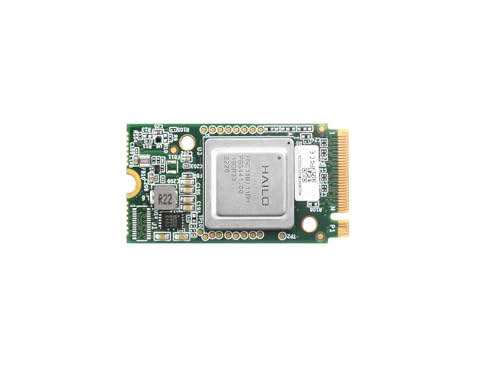
Neural Processing Units, or NPUs, are specialized hardware designed to accelerate artificial intelligence (AI) and machine learning tasks. Unlike traditional processing units such as Central Processing Units (CPUs) and Graphics Processing Units (GPUs), NPUs are optimized for handling complex mathematical computations involved in neural networks. While CPUs are versatile and can perform a wide range of tasks, they may not be as efficient in performing the parallel processing required for AI algorithms. GPUs, on the other hand, excel in graphics rendering but can be overkill for tasks that NPUs can handle more efficiently.
NPUs focus on operations that are critical for AI, such as matrix multiplications and convolutions, significantly speeding up tasks like image recognition and natural language processing. By offloading these tasks from CPUs and GPUs, NPUs can deliver faster and more efficient performance, enabling devices to run sophisticated applications without relying heavily on cloud computing.
The Rise of NPUs in Consumer Electronics
The presence of NPUs is rapidly becoming commonplace in consumer electronics. Modern smartphones, such as the latest models from Apple and Google, are now equipped with powerful NPUs that enhance features like facial recognition, photography, and voice assistants. For instance, the Apple A15 Bionic chip includes a dedicated Neural Engine that processes up to 15.8 trillion operations per second, allowing real-time image processing and augmented reality functionalities.
Laptops are also joining the NPU revolution. Many manufacturers are integrating NPUs into their devices to enhance performance in tasks such as video editing and gaming. For example, the latest Microsoft Surface devices leverage NPUs to improve the efficiency of applications and extend battery life, showcasing how these units can elevate overall device capabilities.
Applications of NPUs in Everyday Devices
NPUs are making a significant impact in various practical applications that we encounter daily. One of the most notable implementations is in voice recognition systems. Devices like smart speakers and smartphones use NPUs to process voice commands more effectively, resulting in faster and more accurate responses. For example, Google Assistant and Apple’s Siri utilize NPUs to understand natural language and context, providing users with seamless interaction.
Image processing is another area where NPUs shine. They enable features like advanced photography capabilities, where computational photography techniques use machine learning to enhance images in real-time. For instance, the night mode feature in smartphones relies on NPUs to analyze multiple exposures and composite them into a single, high-quality photo, drastically improving low-light photography.
The integration of NPUs also enhances the overall user experience by making devices more responsive and capable of performing complex tasks that were previously only possible with more powerful hardware. This improved interactivity is not just a luxury; it’s becoming an expectation among consumers.
Benefits of Integrating NPUs
The benefits of integrating NPUs into devices are manifold. First and foremost, NPUs provide increased efficiency and speed in processing tasks. They can perform specific calculations much faster than traditional CPUs, which translates into quicker response times for applications and smoother user experiences. For example, tasks like real-time language translation or video rendering that once required significant processing power can now be handled efficiently on mobile devices due to the power of NPUs.
In addition to speed, NPUs also contribute to improvements in energy consumption and battery life. Because they are designed for specific tasks, NPUs can perform operations using less power compared to CPUs and GPUs. This energy efficiency is particularly important for mobile devices, where battery life is a critical factor. For instance, a smartphone equipped with an NPU can run AI-driven applications without draining the battery quickly, allowing users to enjoy advanced features without the constant worry of recharging.
Challenges in NPU Integration
Despite their many advantages, the integration of NPUs comes with its share of challenges. One major technical hurdle is the complexity of developing software that can effectively utilize these specialized processors. Developers need to adapt their applications to leverage NPUs fully, which can require additional time and resources.
Moreover, there are potential security concerns and data privacy implications associated with NPUs. As these units often process sensitive data, such as biometric information or personal interactions, ensuring that this data is handled securely becomes paramount. Manufacturers must implement robust security measures to protect users’ information and build trust in NPU technology.
Future Trends in NPU Development
Looking ahead, we can expect significant advancements in NPU technology that will further transform the landscape of computing. As machine learning and AI applications continue to proliferate, NPUs are likely to become even more powerful and efficient. We may see NPUs with enhanced capabilities for deep learning tasks, enabling devices to perform even more sophisticated functions.
Emerging industries such as healthcare, automotive, and smart home technology are poised to benefit greatly from NPU integration. For instance, in healthcare, NPUs could facilitate real-time data analysis for diagnostic purposes, while in the automotive sector, they could enhance the capabilities of autonomous vehicles by processing sensor data more effectively.
Additionally, as competition among tech companies intensifies, we can anticipate innovations that drive down costs, making NPUs more accessible to a broader range of devices, including budget-friendly options.
The integration of Neural Processing Units in all devices signifies a major leap forward in computational technology. As NPUs continue to evolve, they promise to enhance not just device performance but also the overall user experience, paving the way for smarter, more efficient technologies. With their ability to handle complex tasks quickly and efficiently, NPUs are set to shape the future of our interaction with technology in ways we can only begin to imagine. Stay informed on the latest trends and consider how NPUs could impact your next device purchase or upgrade!
Frequently Asked Questions
What are Neural Processing Units (NPUs) and how do they enhance device performance?
Neural Processing Units (NPUs) are specialized hardware designed to accelerate machine learning and artificial intelligence tasks within devices. By optimizing the processing of neural networks, NPUs enable faster data analysis and improved efficiency for applications such as image recognition, natural language processing, and real-time decision-making, significantly enhancing overall device performance while reducing energy consumption.
How do NPUs differ from traditional CPUs and GPUs in devices?
NPUs differ from traditional CPUs (Central Processing Units) and GPUs (Graphics Processing Units) in their architecture and purpose. While CPUs are versatile and handle a wide range of tasks and GPUs are optimized for parallel processing of graphics, NPUs are specifically designed for executing neural network operations. This specialization allows NPUs to perform complex calculations more efficiently, leading to quicker AI-driven functionalities in devices.
Why are NPUs becoming essential in modern smartphones and IoT devices?
NPUs are becoming essential in modern smartphones and IoT devices because they support the growing demand for intelligent features such as voice assistants, augmented reality, and real-time data processing. As more devices integrate AI capabilities, NPUs provide the necessary computational power to handle complex algorithms locally, enhancing user experience while improving battery life and latency compared to cloud-based processing.
Which devices currently utilize NPUs, and what benefits do they offer?
Many modern smartphones, tablets, and smart home devices incorporate NPUs, including models from Apple, Google, and Huawei. The benefits they offer include faster processing of AI tasks, enhanced privacy as data can be processed locally rather than sent to the cloud, and improved energy efficiency, which extends battery life. This integration allows users to enjoy seamless and responsive interactions with their devices.
What are the potential challenges of integrating NPUs into all devices?
Integrating NPUs into all devices presents several challenges, including increased manufacturing costs, the need for specialized software to leverage NPU capabilities, and potential compatibility issues with existing hardware. Additionally, there is a learning curve for developers to optimize applications for NPUs, which may slow down widespread adoption. However, as technology evolves and becomes more standardized, these challenges are likely to diminish, paving the way for broader integration.
References
- Neural processing unit
- https://www.sciencedirect.com/science/article/abs/pii/S1877050921006135
- https://www.reuters.com/technology/neural-processing-units-promise-boost-ai-2021-01-18/
- https://www.nytimes.com/2021/05/02/technology/ai-chips.html
- https://www.technologyreview.com/2020/12/15/1014430/neural-processing-unit-ai-chips/
- https://www.bbc.com/news/technology-57046989
- https://www.nature.com/articles/s41586-019-1666-8
- Frontiers | Understanding the Molecular and Cell Biological Mechanisms of Electrical Synapse Form…