

Solar power satellites can effectively transmit energy to Earth by harnessing solar energy in space and beaming it down using microwaves. This groundbreaking technology offers a consistent and sustainable energy source, perfectly positioned to address our increasing global demand for power. Imagine a future where energy is harvested from the sun in space, free from the limitations of weather and time, and sent directly to our homes and businesses. In this article, we’ll explore how solar power satellites work, their potential benefits, challenges, and the future of energy transmission.
How Solar Power Satellites Work
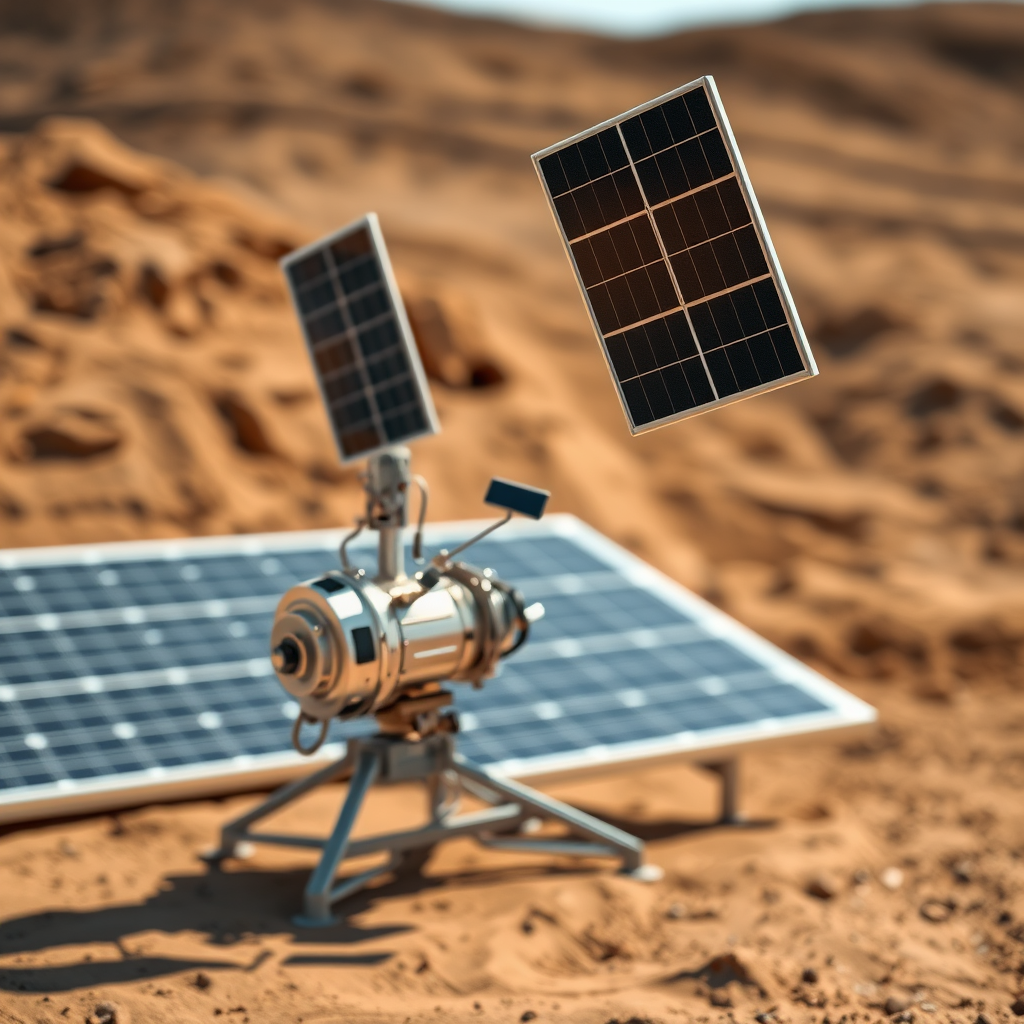
Solar power satellites operate by utilizing the abundant solar energy available in space, where sunlight is uninterrupted by the Earth’s atmosphere. These satellites are equipped with large solar panels that capture sunlight, converting it into electricity. Once the energy is harvested, it undergoes a critical transformation: the electricity is converted into microwaves, a form of electromagnetic radiation that can be beamed down to Earth with minimal energy loss.
The receiving stations on Earth, often located in remote areas to minimize risk to populated zones, have specialized antennas designed to capture these microwaves. The energy is then converted back into electricity for distribution in the power grid. One of the most appealing aspects of this system is that it can operate 24/7, providing a constant energy supply, unaffected by nighttime or cloudy weather—a significant advantage over traditional solar energy systems.
Benefits of Solar Power Satellites

The potential benefits of solar power satellites are numerous and compelling. First and foremost, they offer a continuous energy supply. Unlike ground-based solar farms that rely on sunlight availability, solar power satellites can harvest energy around the clock, ensuring a reliable energy source for consumers and industries alike.
Moreover, this technology could significantly reduce our reliance on fossil fuels. By providing a clean, renewable energy alternative, solar power satellites can help lower greenhouse gas emissions and combat climate change. This aligns with global efforts to transition to cleaner energy sources and supports international climate agreements aimed at reducing carbon footprints.
Additionally, the deployment of solar power satellites could stimulate economic growth by creating new jobs in satellite manufacturing, launch operations, and energy management. This could be particularly beneficial in regions that are currently energy-poor, providing them with access to reliable and sustainable energy sources.
Challenges in Developing Solar Power Satellites
Despite the promising advantages, there are several challenges to overcome in developing solar power satellites. One of the most significant hurdles is the high initial cost associated with launching and maintaining these satellites. The technology required for building robust satellites, along with the rockets needed to transport them into orbit, represents a substantial financial investment.
Moreover, the technical complexities of operating satellites in space must be navigated. These include ensuring proper alignment for maximum solar exposure, maintaining operational functionality in the harsh environment of space, and addressing the myriad of regulatory and safety considerations involved in microwave transmission to Earth.
Safety concerns also play a critical role in the discourse around solar power satellites. While microwaves can be precisely directed, there is ongoing research into the potential impacts of microwave radiation on both human health and wildlife. Ensuring that the technology is safe for widespread use is paramount and will require rigorous testing and regulatory approval.
Current Projects and Research
Across the globe, various organizations and governments are actively exploring solar power satellite technology. For instance, the Japan Aerospace Exploration Agency (JAXA) has been at the forefront with its Space Solar Power System (SSPS) project, which aims to develop a system capable of transmitting solar energy from space by 2025. This ambitious project is expected to demonstrate the feasibility of solar energy transmission at a larger scale.
In the United States, the Defense Advanced Research Projects Agency (DARPA) has initiated the “Solar Power Satellite via Arbitrarily Large Phased Array” (SPS-ALPHA) program. This project aims to create a prototype that could pave the way for future solar power satellites, focusing on innovative designs and efficient energy transmission methods.
Additionally, private companies are entering the fray, with organizations like SpaceX and Blue Origin exploring the logistics of launching solar power satellites as part of their broader missions. These developments indicate a growing interest in harnessing space-based solar energy, with advancements being made at an impressive pace.
The Future of Energy Transmission
Looking ahead, solar power satellites hold the potential to significantly impact the global energy market. Predictions suggest that as technology matures, these systems could scale effectively, providing energy to regions that currently struggle with energy access. This could lead to a more equitable energy distribution, empowering developing nations and fostering economic development.
Integration with existing energy grids presents an exciting opportunity to enhance energy resilience. Solar power satellites could complement traditional energy sources, filling in gaps during peak demand periods or when renewable sources like wind and solar falter. Furthermore, this innovative approach could help stabilize energy prices by diversifying energy supply sources, reducing dependency on fossil fuels, and creating a more competitive energy market.
Environmental Impact and Sustainability
The environmental implications of solar power satellites are overwhelmingly positive. By harnessing the sun’s energy in space, these satellites can contribute to a significant reduction in carbon emissions, aligning with global sustainability goals. The efficiency of solar power satellites also allows for less land use compared to traditional solar farms, which can disrupt local ecosystems and wildlife habitats.
In comparison to terrestrial solar systems, solar power satellites can generate energy without the need for extensive land clearing or resource extraction. This not only preserves natural habitats but also minimizes the environmental disruption often associated with large-scale solar installations on Earth.
Additionally, as the technology evolves, we can expect advancements that further reduce the ecological footprint of these satellite systems, making them an increasingly attractive option in the fight against climate change.
The potential of solar power satellites to revolutionize energy production and transmission is immense. As technology advances and challenges are addressed, this approach could change the game in our quest for sustainable energy solutions. Stay informed and consider how these innovations could impact your energy consumption and the environment. The future of energy is bright, and solar power satellites may just be the shining star we need.
Frequently Asked Questions
What are solar power satellites and how do they transmit energy to Earth?
Solar power satellites (SPS) are large, orbiting systems designed to capture solar energy in space and convert it into usable electricity. They collect sunlight using photovoltaic cells and then convert this energy into microwave or laser beams, which are transmitted down to ground-based receiving stations. This innovative technology aims to provide a continuous and reliable source of renewable energy, free from the limitations of weather and day-night cycles experienced by terrestrial solar panels.
How efficient are solar power satellites compared to traditional solar energy sources?
Solar power satellites can potentially achieve higher efficiency rates than traditional solar energy sources due to their unobstructed access to sunlight in space, where solar irradiance is more intense and consistent. While terrestrial solar panels typically have an efficiency rate of 15-20%, solar power satellites can reach efficiencies of 30% or higher. Furthermore, the ability to collect energy 24/7 can significantly enhance overall energy output, making solar power satellites a promising alternative for future energy solutions.
Why is the idea of transmitting solar power from space to Earth considered beneficial?
Transmitting solar power from space to Earth offers several benefits, including the potential for unlimited clean energy that is not affected by atmospheric conditions, geographical limitations, or time of day. This technology could significantly reduce our reliance on fossil fuels and lower greenhouse gas emissions. Additionally, it could provide energy to remote or disaster-stricken areas where traditional power infrastructure is lacking, creating a more resilient energy system globally.
What are the challenges associated with solar power satellites transmitting energy to Earth?
Despite the potential benefits, several challenges hinder the widespread implementation of solar power satellites. Key obstacles include the high cost of developing and launching these satellites, the need for efficient energy transmission methods that minimize energy loss, and concerns regarding safety and environmental impact of microwave or laser beams used for transmission. Additionally, regulatory and technological hurdles must be addressed to ensure that the infrastructure for receiving and utilizing this energy is viable and accepted.
Which countries are currently investing in solar power satellite technology?
Several countries are actively researching and investing in solar power satellite technology, with notable efforts from the United States, China, and Japan. The U.S. has initiated projects like the Space-Based Solar Power (SBSP) program, while China has ambitious plans for space solar energy systems as part of its broader renewable energy strategy. Japan has also invested in experimental satellite projects, demonstrating a strong commitment to exploring solar power from space as a viable energy source for the future.
References
- https://en.wikipedia.org/wiki/Solar_power_satellite
- https://www.nasa.gov/mission_pages/tdm/solar_power_satellites.html
- Space-Based Solar Power | Department of Energy
- https://www.sciencedirect.com/science/article/pii/S1364032116301001
- https://www.esa.int/Applications/Telecommunications_Integrated_Applications/Space-based_Solar_Power
- https://www.cnbc.com/2021/03/09/nasa-wants-to-build-a-solar-power-satellite.html
- Deadline Closing for Names to Fly on NASA’s Next Mars Rover | NASA Jet Propulsion Laboratory (JPL)
- https://www.researchgate.net/publication/327307306_Review_of_space-based_solar_power_systems
- https://www.energy.gov/eere/solar/articles/solar-power-satellites-are-the-future-energy