
Wearable health devices are game-changers in the realm of personal health management, enabling individuals to detect potential health issues before they become serious. These innovative gadgets empower users to monitor vital health metrics in real-time, providing insights that can lead to timely medical intervention. In this article, we’ll delve into the workings of these devices, their numerous benefits, and considerations to keep in mind when integrating them into your health routine.



Understanding Wearable Health Devices

Wearable health devices come in various forms, each tailored to meet specific health tracking needs. Fitness trackers, for instance, are designed primarily to monitor physical activity, counting steps, tracking workouts, and even analyzing calorie burn. Smartwatches, on the other hand, combine fitness tracking features with smartphone connectivity, allowing users to receive notifications, track their heart rate, and manage calls or messages on the go.
Health monitors, which can be standalone devices or part of smartwatches, focus on providing detailed insights into specific health metrics. For example, continuous glucose monitors (CGMs) help individuals with diabetes track their blood sugar levels throughout the day, while pulse oximeters measure oxygen saturation in the blood.
The technology behind these devices is equally impressive. Most wearables utilize various sensors, such as accelerometers, gyroscopes, and optical sensors, to gather data about the user’s body and environment. This information is then processed through sophisticated algorithms and data analytics platforms, which interpret the data and provide actionable insights. With advancements in technology, many devices are now equipped with artificial intelligence (AI), enhancing their ability to detect patterns and predict potential health issues.
How Wearable Devices Detect Illness
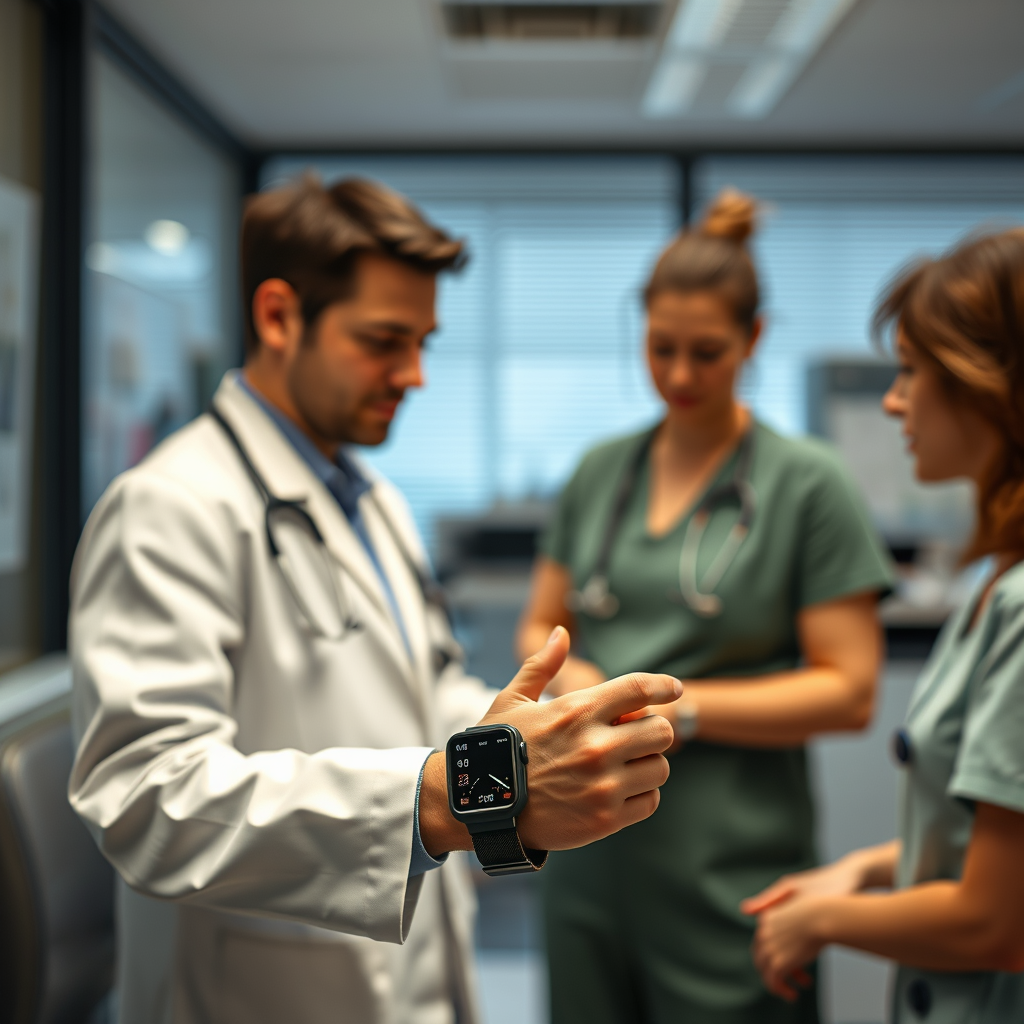
Wearable health devices track a plethora of health metrics that are crucial for early illness detection. Commonly monitored metrics include heart rate, which can reveal arrhythmias or other cardiovascular issues; sleep patterns, which can indicate sleep disorders like insomnia or sleep apnea; and oxygen levels, which are essential for detecting respiratory problems.
The algorithms used in wearable devices play a vital role in analyzing these metrics. By continuously assessing data trends, these devices can identify anomalies that may signify health problems. For instance, if a smartwatch detects a consistently elevated heart rate or unusual fluctuations in sleep patterns, it can prompt the user to seek medical advice. Some advanced wearables even offer predictive analytics, suggesting when a user might be at risk for specific conditions based on their historical data.
Benefits of Early Illness Detection
Early detection of health issues is paramount in preventive healthcare, as it can significantly improve treatment outcomes. With wearable devices, individuals can take charge of their health by identifying potential problems before they escalate. For example, early detection of arrhythmias can lead to interventions that prevent severe cardiac events, while recognizing signs of sleep apnea can facilitate timely treatment, reducing the risk of complications like heart disease.
Numerous studies support the effectiveness of wearables in detecting specific illnesses. For instance, research has shown that continuous heart rate monitoring can help identify atrial fibrillation, a common yet potentially serious heart rhythm disorder. Additionally, studies indicate that wearables can assist in monitoring chronic conditions, such as diabetes, by providing real-time glucose level insights for better management.
Limitations and Challenges
Despite their numerous benefits, wearable health devices are not without limitations. One of the primary concerns is accuracy; while many devices provide valuable insights, they can sometimes yield false positives or negatives due to factors like improper usage or sensor malfunction. It’s crucial for users to understand that wearables should complement, not replace, professional medical advice.
Moreover, the vast amount of data generated by wearables can sometimes be overwhelming. Without proper knowledge or guidance, users may misinterpret the information, leading to unnecessary anxiety or inaction. Therefore, it’s important to recognize that while wearables are useful tools, they should be used in conjunction with regular check-ups and consultations with healthcare professionals.
Selecting the Right Device
Choosing the right wearable health device involves considering personal health needs and lifestyle preferences. Start by assessing what health metrics are most important to you—whether it’s heart rate monitoring, sleep tracking, or something more specific like blood glucose levels.
When selecting a device, look for features like compatibility with health apps, ease of use, and battery life. Some devices offer robust ecosystems that allow you to sync data with other health apps, providing a comprehensive view of your health. Additionally, consider the comfort and design of the device, as you’ll likely wear it throughout the day.
It’s also wise to read user reviews and consult with healthcare professionals before making a purchase. This way, you can ensure that the device you choose aligns with your health goals and provides accurate data.
The Future of Wearable Health Technology
The future of wearable health technology is promising, with rapid advancements on the horizon. Emerging technologies, such as improved sensors and machine learning algorithms, are set to enhance the accuracy and functionality of these devices. For instance, researchers are exploring ways to integrate more sophisticated biosensors that can monitor additional health parameters, such as hydration levels or stress indicators.
Moreover, the integration of wearables with telehealth services is expected to expand, allowing for more personalized healthcare experiences. Imagine a scenario where your wearable device not only tracks your health metrics but also enables healthcare providers to monitor your condition in real-time, adjusting treatment plans based on immediate feedback.
As these technologies evolve, we can anticipate a significant shift in personal health management. Wearable devices will likely play an even more vital role in disease prevention, empowering individuals to take proactive steps toward their health.
By embracing these advancements, we can look forward to a future where wearable health devices are integral to our daily lives, making it easier to monitor and maintain our health.
Summarizing the transformative role of wearable health devices, it is clear they offer valuable tools for early illness detection. By understanding how these devices work and their potential limitations, users can make informed decisions about their health. Explore the options available and take a proactive step toward safeguarding your health today.
Frequently Asked Questions
What are wearable health devices and how do they detect illness early?
Wearable health devices are electronic gadgets worn on the body that monitor various health metrics, such as heart rate, temperature, sleep patterns, and activity levels. They utilize sensors to collect real-time data, which can be analyzed for unusual patterns or anomalies, indicating potential health issues. For example, a spike in heart rate or irregular sleep patterns could signal stress or an underlying condition, prompting users to seek medical attention early.
How can wearable health devices improve early detection of chronic diseases?
Wearable health devices can significantly enhance early detection of chronic diseases by continuously monitoring vital signs and health metrics. By providing users with insights into their health trends over time, these devices can alert them to changes that may indicate the onset of conditions such as diabetes or hypertension. Early identification allows for timely intervention, lifestyle adjustments, and more effective management of the disease.
Why should I invest in a wearable health device for illness detection?
Investing in a wearable health device can empower you to take control of your health by promoting proactive monitoring and self-awareness. These devices provide valuable insights that can help you recognize potential health issues before they escalate, leading to early diagnosis and better treatment outcomes. Additionally, many wearables can integrate with health apps and professionals, ensuring a comprehensive approach to your health management.
What features should I look for in a wearable health device for effective illness detection?
When selecting a wearable health device for illness detection, look for features such as heart rate variability monitoring, sleep tracking, blood oxygen levels, and activity tracking. Advanced devices may also offer ECG capabilities, temperature sensors, and integration with health platforms for data sharing with healthcare providers. Choose a device that provides accurate data, has a user-friendly interface, and fits comfortably into your lifestyle to maximize its health monitoring benefits.
Which wearable health devices are best for early illness detection in 2023?
The best wearable health devices for early illness detection in 2023 include the Apple Watch Series 8, Fitbit Sense 2, and Garmin Venu 2. These devices are equipped with advanced health monitoring features like ECG, SpO2 monitoring, and comprehensive health tracking capabilities. They also offer seamless integration with health apps, allowing users to analyze their data effectively and share it with healthcare professionals for more informed health decisions.
References
- Wearable technology
- https://www.ncbi.nlm.nih.gov/pmc/articles/PMC6682959/
- https://www.healthit.gov/topic/scientific-initiatives/wearable-devices
- https://www.cdc.gov/physicalactivity/basics/adding-wearable-tech.html
- https://www.reuters.com/article/us-health-wearables-idUSKBN1Z40B3
- https://www.nature.com/articles/s41598-019-47880-3
- Detail
- https://www.jmir.org/2021/7/e19156/