

The shift to solid-state batteries entering mass production is a game-changer in energy storage technology, promising enhanced safety, increased energy density, and quicker charging times compared to traditional lithium-ion batteries. This development not only paves the way for improved performance in consumer electronics and electric vehicles but also opens doors to a more sustainable future. As we dive deeper into this topic, we’ll uncover what solid-state batteries are, their advantages, the industries likely to benefit, the challenges they face, and their potential impact on the environment.
The Technology Behind Solid-State Batteries
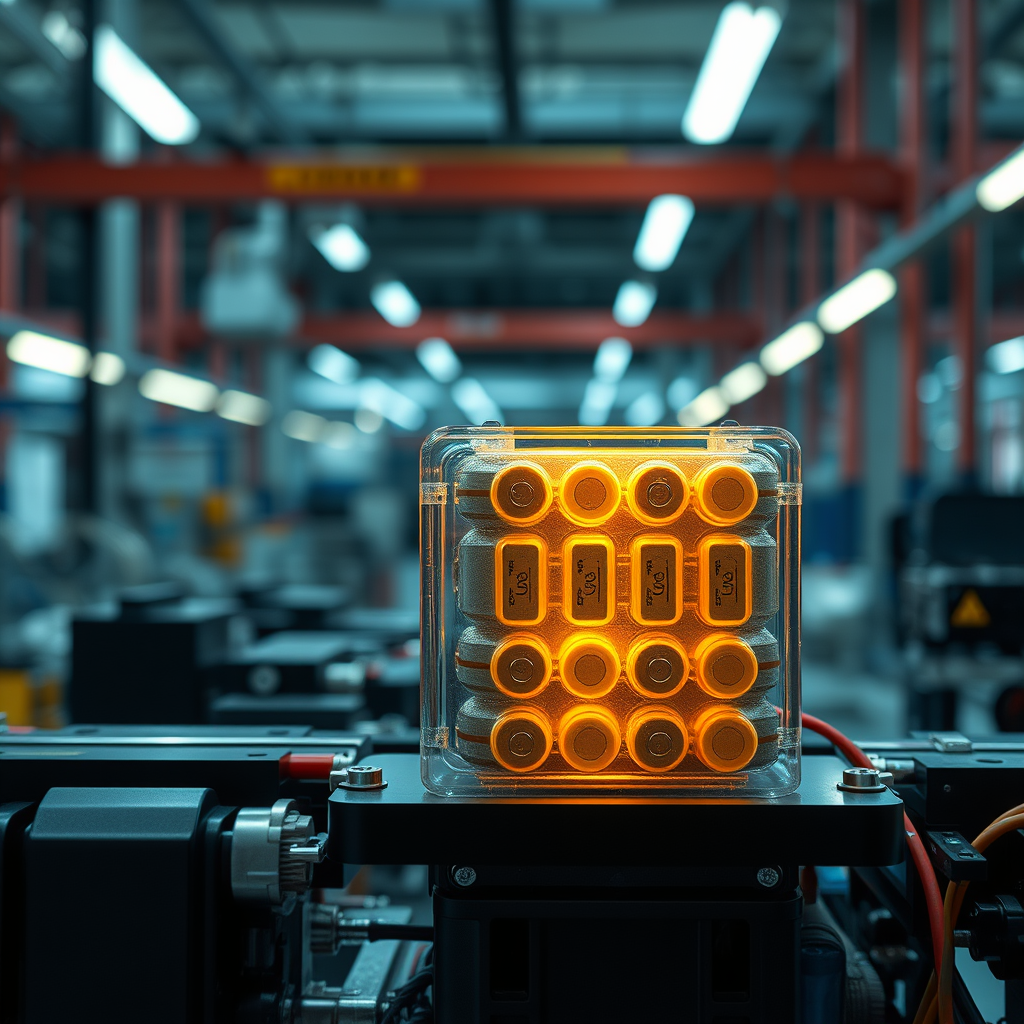
Solid-state batteries represent a significant leap forward in battery technology. Unlike conventional lithium-ion batteries, which use liquid electrolytes, solid-state batteries utilize solid materials for their electrolyte. This fundamental shift enhances stability and reduces the risk of leaks and fires, which are significant concerns with liquid electrolytes.
One of the most exciting aspects of solid-state technology is its potential to double the energy density of traditional batteries. For context, higher energy density means that batteries can store more energy in the same amount of space, leading to longer-lasting power sources. Imagine smartphones that can last days on a single charge or electric vehicles (EVs) with ranges that could exceed 500 miles. This leap in technology could redefine our expectations of battery performance across various applications.
Key Advantages of Solid-State Batteries

The advantages of solid-state batteries extend beyond just energy density. One of the most compelling benefits is increased safety. The solid electrolyte is far less likely to ignite, which significantly reduces the risk of fires—a critical consideration for industries like automotive, where battery safety is paramount.
Additionally, solid-state batteries boast a longer lifespan compared to their lithium-ion counterparts. Traditional batteries tend to degrade after several charge cycles, which can lead to diminished performance over time. In contrast, solid-state batteries can endure many more cycles before showing signs of wear. This longevity not only means fewer battery replacements but also contributes to a reduction in electronic waste—a pressing environmental concern.
Industries Set to Benefit
The mass production of solid-state batteries is poised to revolutionize several key industries.
1. Electric Vehicles (EVs): Perhaps the most talked-about impact will be in the EV sector. With improved energy density, solid-state batteries could enhance the range and efficiency of electric vehicles. Imagine a world where EVs can travel longer distances on a single charge, making them more appealing to consumers who are hesitant about range anxiety. Companies like Toyota and BMW are already investing heavily in this technology, anticipating a future where solid-state batteries could be the norm in electric vehicles.
2. Consumer Electronics: In the realm of consumer electronics, solid-state batteries can lead to lighter and more compact devices. Think about laptops, tablets, and smartphones that are not only sleeker but also last significantly longer between charges. This could transform our daily interactions with technology, allowing for more portable and powerful devices.
Challenges Ahead for Mass Production
Despite the promising advantages, there are hurdles to overcome before solid-state batteries can become mainstream.
– Manufacturing Costs: One of the primary challenges is the high manufacturing costs associated with solid-state battery production. While the technology is advancing, the current expenses may limit widespread adoption in the short term. Companies are working on scaling production to reduce costs, but it will take time for these efforts to bear fruit.
– Supply Chain Issues: Sourcing the materials needed for solid-state batteries presents logistical challenges. For instance, some of the materials required for solid electrolytes may not be readily available in large quantities. This could create bottlenecks in production and hinder the ramp-up of mass manufacturing.
Future Outlook
The future of solid-state batteries looks promising, with ongoing research focused on overcoming current challenges. Scientists and engineers are exploring new materials, such as sulfide and oxide electrolytes, which could enhance performance and lower costs. Innovations in production processes are also being explored to make manufacturing more efficient.
Moreover, consumer demand for better battery technology and regulatory support for cleaner energy solutions will play crucial roles in the adoption rates of solid-state batteries. As more consumers become environmentally conscious and seek sustainable alternatives, the push for solid-state technology could accelerate.
Environmental Impact and Sustainability
The environmental implications of solid-state batteries are noteworthy. With their longer lifespan and reduced risk of failure, these batteries will significantly contribute to lowering electronic waste. The lifecycle of a battery is crucial, and solid-state batteries are designed to last longer, meaning fewer discarded batteries in landfills.
Additionally, there is a growing focus on sustainable sourcing of materials used in battery production. The industry is increasingly looking for eco-friendly materials and methods to minimize the environmental impact of battery manufacturing. This trend aligns with global efforts to create a more sustainable future and reduce our carbon footprint.
The entry of solid-state batteries into mass production signals a transformative change in energy storage solutions. As industries adapt to this new technology, the potential benefits for safety, performance, and sustainability are immense. Staying informed about the latest advancements in solid-state technology can help consumers make better choices for their electronic devices and vehicles. The future of energy is looking brighter, and solid-state batteries are set to play a pivotal role in shaping it.
Frequently Asked Questions
What are solid-state batteries and how do they differ from traditional lithium-ion batteries?
Solid-state batteries are energy storage devices that use a solid electrolyte instead of the liquid or gel electrolytes found in traditional lithium-ion batteries. This key difference allows solid-state batteries to offer higher energy density, enhanced safety, and longer life cycles, making them a promising alternative for various applications, including electric vehicles and consumer electronics.
How will the mass production of solid-state batteries impact the electric vehicle market?
The mass production of solid-state batteries is expected to revolutionize the electric vehicle (EV) market by providing longer driving ranges, shorter charging times, and improved safety. With their higher energy density, solid-state batteries can enable EVs to travel further on a single charge, addressing one of the major pain points for potential EV buyers and accelerating the transition to sustainable transportation solutions.
Why are solid-state batteries considered safer than conventional battery technologies?
Solid-state batteries are considered safer because they eliminate the flammable liquid electrolytes found in traditional lithium-ion batteries, significantly reducing the risk of thermal runaway and fire hazards. Additionally, their solid electrolytes are less prone to dendrite formation, which can cause short circuits and battery failures, making solid-state batteries a more reliable choice for various applications.
What challenges do manufacturers face in the mass production of solid-state batteries?
Manufacturers face several challenges in the mass production of solid-state batteries, including high production costs, scaling up manufacturing processes, and ensuring consistent quality across large batches. Additionally, developing suitable materials that can withstand the demands of high-performance applications while maintaining efficiency is critical for the widespread adoption and success of solid-state battery technology.
Which companies are leading the charge in solid-state battery production, and what innovations are they introducing?
Companies such as QuantumScape, Solid Power, and Toyota are at the forefront of solid-state battery production, each introducing innovative approaches to enhance performance and reduce costs. For example, QuantumScape focuses on lithium-metal battery technology that promises substantial energy density improvements, while Solid Power is developing scalable manufacturing techniques to bring solid-state batteries to market more efficiently, setting the stage for their broader adoption in the coming years.
References
- Solid-state battery
- https://www.reuters.com/business/energy/solid-state-batteries-could-revolutionize-electric-vehicles-2021-09-27/
- https://www.nytimes.com/2021/12/20/business/electric-vehicles-solid-state-batteries.html
- https://www.sciencedirect.com/science/article/pii/S2211285521002513
- https://www.energy.gov/articles/solid-state-batteries-new-technology-energy-storage
- https://www.bbc.com/news/science-environment-56978368
- https://www.nature.com/articles/s41560-021-00804-9
- https://www.osti.gov/servlets/purl/1765565
- https://www.wired.com/story/solid-state-batteries-evs/