
Noise-canceling technology works by using sound waves to reduce unwanted ambient noise, allowing for a more immersive listening experience. This innovative technology primarily employs the principle of destructive interference, which effectively cancels out external sounds, making it especially appealing for those seeking solace in a noisy world. In this article, you will discover how this technology functions, the different types available, and its applications in everyday life, enabling you to make informed decisions about your audio experiences.
Understanding Sound Waves
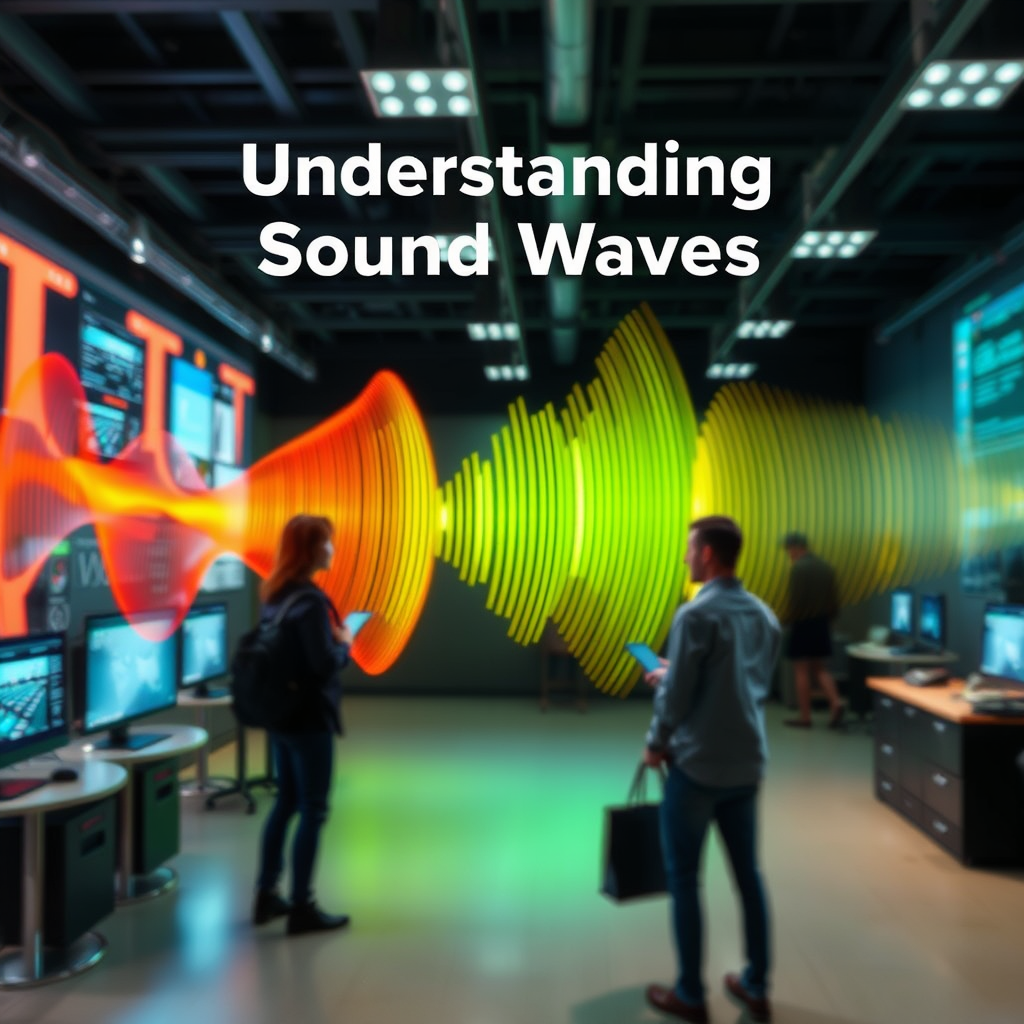
Sound waves are vibrations that travel through air or other mediums. They are created when an object vibrates, causing the surrounding particles to move in waves. These waves can vary in frequency and amplitude, which correspond to pitch and volume, respectively. Noise-canceling technology relies on the principle of destructive interference to minimize unwanted sounds. Essentially, it generates sound waves that are the exact opposite (or “inverted”) of the incoming noise, effectively canceling it out. This clever interaction between sound waves allows listeners to enjoy their music, podcasts, or audiobooks without the distraction of background noise.
Active Noise Cancellation vs. Passive Noise Isolation
Active noise cancellation (ANC) and passive noise isolation are two distinct approaches to reducing unwanted sound. Active noise cancellation uses microphones and speakers to detect external noise and generate sound waves that counteract it. This technology is particularly effective in environments with consistent, low-frequency sounds, like the hum of an airplane engine. For instance, many modern noise-canceling headphones employ ANC technology, allowing users to enjoy a peaceful audio experience even in bustling environments.
On the other hand, passive noise isolation involves physical barriers, such as padding and ear cups, that block sound from entering the ear. This method relies on the design and materials used in headphones or earplugs to physically muffle sound. While passive noise isolation is effective for higher-frequency sounds, it may not be as efficient as ANC for low-frequency noise. Combining both methods often results in the best possible sound experience, allowing users to tailor their listening experience to their specific needs.
The Role of Microphones in Noise-Canceling Headphones
Microphones play a crucial role in noise-canceling headphones. External microphones detect ambient sounds that need to be canceled, allowing the device to respond to changes in the surrounding environment. For example, if you’re on a busy subway, these microphones continuously pick up the train’s rumble, enabling the headphones to create an opposing sound wave that diminishes the noise.
Internal microphones are just as important; they monitor the audio signal inside the headphones to improve the effectiveness of ANC. By analyzing the sound that reaches your ears, these microphones can fine-tune the canceling sound waves, ensuring a more precise cancellation of unwanted noise. This dual-monitoring system enhances the overall listening experience, allowing you to focus on what you want to hear without the intrusion of external distractions.
Applications of Noise-Canceling Technology
The applications of noise-canceling technology extend beyond headphones and personal audio devices. One of the most common uses is in aviation, where it enhances passenger comfort by significantly reducing engine noise. Many airlines provide noise-canceling headsets for passengers, allowing them to enjoy in-flight entertainment without the constant drone of the aircraft engines.
Additionally, noise-canceling technology is used in various professional settings, such as open offices, where it helps employees concentrate by minimizing distractions. This technology is also making its way into smart home devices, where it can be used to create quieter environments by canceling out specific sounds, like the hum of appliances. As more people work from home, the demand for effective noise-canceling solutions continues to grow, making this technology increasingly relevant in our daily lives.
The Future of Noise-Canceling Technology
The future of noise-canceling technology is promising, with ongoing advancements in artificial intelligence (AI) and machine learning. These technologies are improving the adaptability of noise-canceling systems, allowing them to learn and adjust to different sound environments automatically. For instance, future headphones may be able to differentiate between desirable sounds, like conversations or alerts, and unwanted noise, providing a more personalized listening experience.
Moreover, we can expect to see potential integration with smart devices, enabling users to create their own customized sound environments. Imagine a world where your music seamlessly blends with your surroundings, allowing you to enjoy your favorite tunes while still being aware of important notifications or conversations. The possibilities are exciting, and as technology continues to evolve, so too will our ability to manage sound in our daily lives.
Tips for Choosing Noise-Canceling Products
When it comes to selecting noise-canceling products, it’s essential to consider your individual needs and preferences. First, evaluate the type of noise-canceling technology that best suits your lifestyle. If you often find yourself in noisy environments, active noise cancellation may be your best bet. However, if you’re looking for a budget-friendly option, passive noise isolation might suffice.
Additionally, features such as battery life, comfort, and sound quality are crucial when selecting headphones or devices. Look for headphones that offer at least 20-30 hours of battery life for long commutes or travel. Comfort is essential, especially if you plan to wear them for extended periods. Test different designs to find the perfect fit for your ears. Lastly, read reviews or listen to demos to ensure sound quality meets your expectations.
The advancements in noise-canceling technology have transformed how we experience sound, making it an essential tool in our noisy world. By understanding its mechanics and applications, you can make informed choices about which noise-canceling solutions will best enhance your audio experience. Explore the options available and enjoy a quieter environment today!
Frequently Asked Questions
What is noise-canceling technology and how does it work?
Noise-canceling technology is designed to reduce unwanted ambient sounds through the use of microphones and speakers. It primarily works by capturing external noise and creating sound waves that are the exact opposite, effectively canceling each other out. This process, known as destructive interference, allows users to enjoy their audio experience with minimal distractions from the surrounding environment.
How effective is active noise cancellation compared to passive noise isolation?
Active noise cancellation (ANC) is generally more effective at reducing low-frequency sounds, such as the hum of an airplane engine or air conditioning units, while passive noise isolation relies on physical barriers, like padding and material density, to block sound. Combining both methods can enhance overall sound isolation, but ANC is particularly beneficial in environments with consistent, low-frequency noise. Users seeking a quieter listening experience often find that high-quality ANC headphones provide significant advantages over passive models alone.
Why do some noise-canceling headphones fail to block all noise?
Not all noise-canceling headphones are created equal; their effectiveness can vary based on design, technology, and the types of noises they are meant to cancel. ANC technology is generally less effective against sudden, high-frequency sounds like voices or alarms, as these noises do not allow for the same wave cancellation. Additionally, factors such as fit and seal can impact performance, as well-fitted headphones enhance passive isolation, complementing the ANC features.
What are the best environments to use noise-canceling technology?
Noise-canceling technology excels in environments with consistent, low-frequency noise, such as planes, trains, and busy offices. These settings benefit most from ANC, as it effectively counteracts steady sounds that are often distracting. For those who frequently travel or work in noisy areas, investing in high-quality noise-canceling headphones can significantly enhance focus and relaxation by creating a more peaceful auditory environment.
Which brands offer the best noise-canceling headphones?
Some of the top brands known for their effective noise-canceling headphones include Sony, Bose, and Sennheiser. Sony’s WH-1000XM4 and Bose’s Noise Cancelling Headphones 700 are often highlighted for their superior sound quality and advanced ANC features. Additionally, brands like Apple with their AirPods Pro and Microsoft with their Surface Headphones are gaining popularity for combining comfort, functionality, and effective noise cancellation, making them ideal choices for consumers seeking optimal audio experiences.
References
- https://en.wikipedia.org/wiki/Noise_cancellation
- https://www.sciencedirect.com/science/article/abs/pii/S2352864817303293
- https://www.nist.gov/news-events/news/2018/09/how-noise-cancelling-headphones-work
- News | American Association for the Advancement of Science (AAAS)
- https://www.bbc.com/future/article/20200212-how-do-noise-cancelling-headphones-work
- https://www.npr.org/2020/01/18/797992911/the-science-of-noise-cancellation
- https://www.acoustics.org/press-releases/2019/noise-canceling-technology/
- https://www.cambridge.org/core/journals/journal-of-sound-and-vibration/article/abs/noise-cancellation-techniques-for-sound-control-in-room-acoustics/9D7E38A7B3B8E4D951A6B7F1E0E5E5A
- https://www.theguardian.com/technology/2021/jun/14/what-is-noise-cancelling-technology-how-it-works