

Selecting the right sound system is essential for classical music enthusiasts who want to experience the full depth and richness of orchestral compositions. A high-quality sound system can transform your listening experience, allowing you to hear every nuance, from the delicate whisper of a string quartet to the thunderous crescendos of a full symphony orchestra. In this article, we will explore top sound systems that cater specifically to the needs of classical music fans, ensuring you enjoy an immersive and captivating listening experience.
Understanding Sound Quality for Classical Music
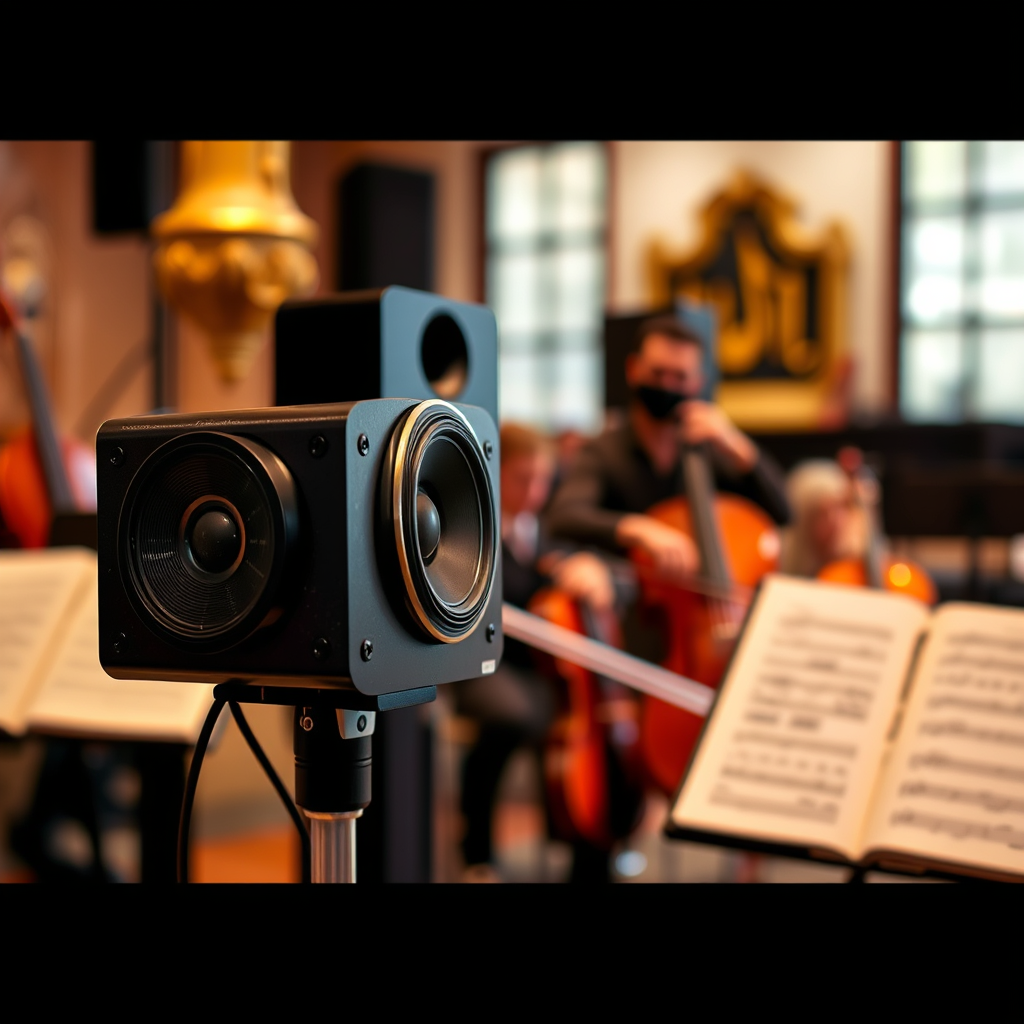
When it comes to classical music, sound quality is paramount. One of the most crucial aspects is frequency response. Classical compositions often encompass a wide spectrum of frequencies, from the deep, resonant bass of cellos and double basses to the airy, ethereal highs of flutes and piccolos. A sound system with a balanced frequency response can accurately reproduce these tones, creating a realistic and engaging listening experience.
Dynamic range is another key component to consider. Classical music is renowned for its dramatic contrasts, with soft passages that build to powerful climaxes. A sound system capable of handling these dynamic shifts will allow you to appreciate the nuances in a performance, capturing the essence of live orchestral music. Look for systems that boast a wide dynamic range and low distortion to ensure that every note is conveyed with clarity and precision.
Key Features to Look For
When selecting a sound system for classical music, high-fidelity playback is essential. This means the system should reproduce sound as closely as possible to the original recording. Look for systems that feature high-quality digital-to-analog converters (DACs) and amplifiers, as these components play a significant role in sound reproduction.
Additionally, investing in quality speakers designed for clarity and detail is crucial. Pay particular attention to the mid and high ranges, as these frequencies are often where the most intricate musical details reside. Brands like Bowers & Wilkins, KEF, and Dynaudio offer speakers that excel in delivering the subtleties inherent in classical music, enabling you to hear each instrument with remarkable fidelity.
Top Sound Systems for Classical Music
– System 1: Audioengine A5+ Wireless
The Audioengine A5+ Wireless speakers are an excellent choice for classical music enthusiasts looking for a combination of convenience and audio quality. With their built-in Bluetooth capability, you can stream your favorite symphonies directly from your device. The 5-inch Kevlar woofers and 0.75-inch silk dome tweeters deliver a warm sound with impressive detail, making them perfect for the complexities of orchestral pieces. Their compact design also allows them to fit seamlessly into any living space while providing an immersive listening experience.
– System 2: Cambridge Audio CXA81 with Monitor Audio Silver 200
For those seeking a more robust setup, the Cambridge Audio CXA81 integrated amplifier paired with Monitor Audio Silver 200 speakers is a stellar option. The CXA81 features advanced DACs and a powerful amplifier that can drive the Silver 200 speakers, known for their precise bass response and sparkling highs. This combination excels in delivering a wide soundstage, allowing you to feel as if you’re seated in a concert hall. With this setup, every nuance of your favorite symphonic works will come to life.
Budget-Friendly Options
If you’re working with a more modest budget, there are still plenty of sound systems that can deliver impressive sound quality without breaking the bank. The Edifier R980T is a fantastic entry-level option. These compact bookshelf speakers offer a warm, balanced sound profile that works well for classical music. With a price point that is budget-friendly, they provide a great entry into the world of high-quality audio.
Another excellent choice is the Klipsch R-41PM powered speakers. They bring a lively sound with their horn-loaded tweeters, which are known for their clarity and high sensitivity. These speakers are versatile and can connect via Bluetooth, making them a great choice for those who want to enjoy classical music from various devices without investing in a complete audio system.
The Role of Acoustic Treatment
While a high-quality sound system is essential, the acoustics of your listening space can significantly impact sound quality. Room acoustics play a vital role in how sound waves interact with the environment, affecting clarity and depth. To enhance sound quality, consider adding soft furnishings like rugs, curtains, and upholstered furniture, which can help absorb sound and reduce unwanted reflections.
Additionally, strategically placing your speakers and listening position can have a profound effect on your listening experience. Avoid placing speakers directly against walls, as this can muddy the sound. Instead, aim for a position that allows for an even distribution of sound throughout the room, creating a more immersive experience.
Accessories to Enhance Your Listening Experience
To further elevate your classical music experience, consider investing in quality accessories. A high-quality amplifier and DAC can significantly improve sound reproduction, ensuring that every detail in your favorite recordings is preserved. Brands like Schiit and Cambridge Audio offer excellent options that cater to various budgets.
Quality cables are also crucial for optimal sound. Investing in well-shielded speaker wires and interconnects can reduce interference and enhance sound clarity. Lastly, pay attention to speaker placement: angle them slightly toward your listening position to create a more focused soundstage, enabling you to fully immerse yourself in the music.
Maintenance Tips for Your Sound System
Taking care of your sound system is key to ensuring longevity and peak performance. Regularly clean your speakers and components to prevent dust build-up, which can affect sound quality. Use a soft, lint-free cloth for cleaning, and avoid harsh chemicals that could damage the finish.
When setting up your system, be mindful of cable management. Tidy up any loose cables to prevent interference and tangling, which can negatively impact sound quality. Lastly, consider periodically testing and adjusting your system settings to optimize audio performance based on your listening environment.
With the right sound system, classical music lovers can truly appreciate the artistry and emotion that each composition conveys. By focusing on sound quality, key features, and room acoustics, you can create an ideal listening environment. Explore the recommended systems, consider budget-friendly options, and pay attention to the importance of acoustic treatment. With a little effort and the right equipment, your classical music experience can reach new heights, immersing you in the beauty of orchestral masterpieces.
Frequently Asked Questions
What features should I look for in a sound system for classical music?
When selecting a sound system for classical music, focus on features that enhance audio clarity and fidelity. Look for high-quality speakers that deliver a wide frequency range, a powerful amplifier for dynamic sound reproduction, and support for high-resolution audio formats. Additionally, consider a system with a good soundstage and imaging capabilities, as these aspects greatly enhance the listening experience by accurately portraying the spatial arrangement of instruments.
How much should I expect to spend on a good sound system for classical music?
The cost of a quality sound system for classical music can vary significantly based on the components you choose. For a basic setup, expect to spend around $500 to $1,000, while mid-range systems can range from $1,000 to $3,000. High-end audiophile systems can exceed $5,000 or more. Investing in quality components will ensure you enjoy the nuances and depth of classical music, making it worth the expense.
Why is speaker placement important for listening to classical music?
Speaker placement is crucial for achieving optimal sound quality, especially for classical music, which relies on intricate details and spatial dynamics. Proper positioning allows for a balanced soundstage where instruments are accurately placed, creating a more immersive listening experience. Aim to position speakers at ear level, forming an equilateral triangle with your listening position, while ensuring they are away from walls to reduce unwanted reflections.
Which brands are considered the best for classical music sound systems?
Some of the top brands renowned for their sound systems suitable for classical music include Bowers & Wilkins, KEF, and Sonos for speakers, as well as Marantz and Denon for amplifiers and receivers. These brands are acclaimed for their commitment to sound quality, delivering rich, detailed audio that enhances the listening experience for classical enthusiasts. It’s advisable to listen to various brands at an audio store to find the one that suits your personal taste.
What type of audio source is best for playing classical music?
The best audio source for playing classical music is typically high-resolution formats, such as FLAC or DSD, which preserve the nuances and dynamics of the original recording. Streaming services like Tidal and Qobuz offer high-res audio options that can significantly enhance your listening experience. Additionally, using a quality CD player can be an excellent choice, as many classical recordings are still released on CD, ensuring you get the highest audio fidelity.
References
- Sound system
- https://www.bbc.com/culture/article/20210927-how-classical-music-is-transforming-the-sound-of-pop
- https://www.npr.org/sections/deceptivecadence/2016/11/18/502676171/classical-music-technology-and-the-future-of-listening
- https://www.sciencedirect.com/science/article/abs/pii/S0167639314000968
- https://www.gramophone.co.uk/features/article/the-best-high-fidelity-sound-systems-for-classical-music
- https://www.arts.gov/initiatives/arts-education/case-studies/classical-music-and-sound-quality
- https://www.techhive.com/article/3291429/best-soundbars-for-music.html
- https://www.classical-music.com/features/articles/how-to-get-the-best-sound-from-your-music-system/