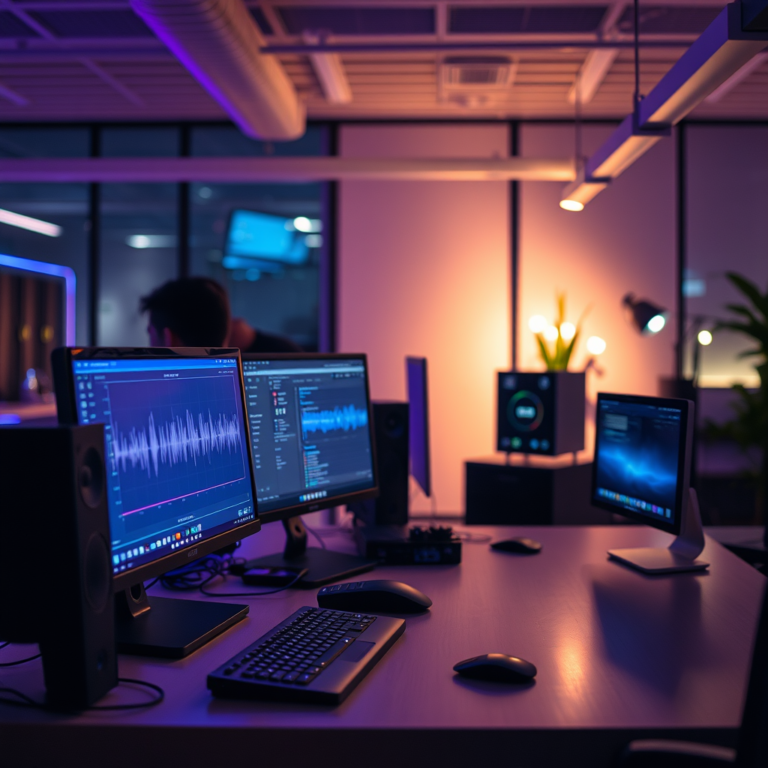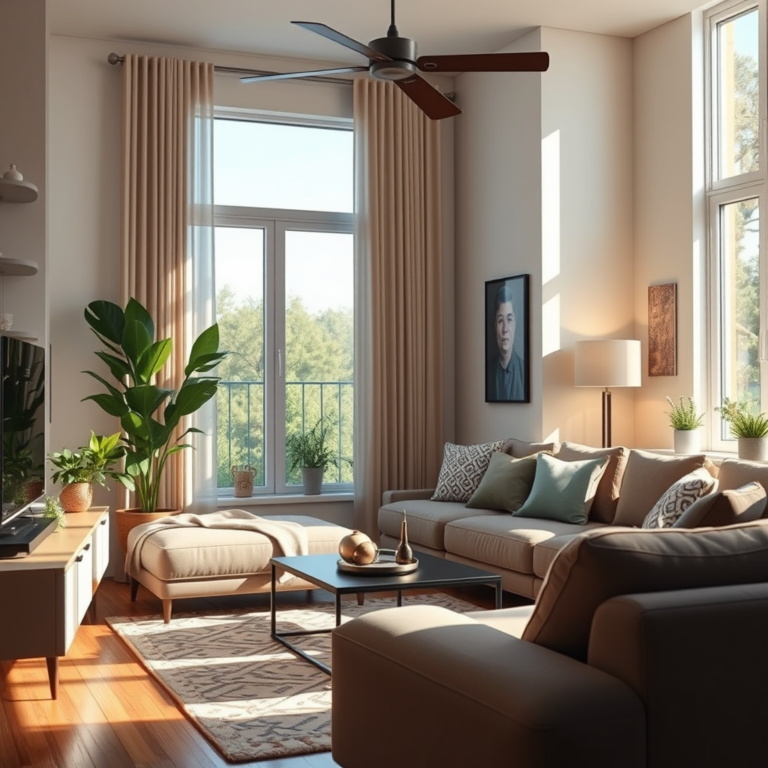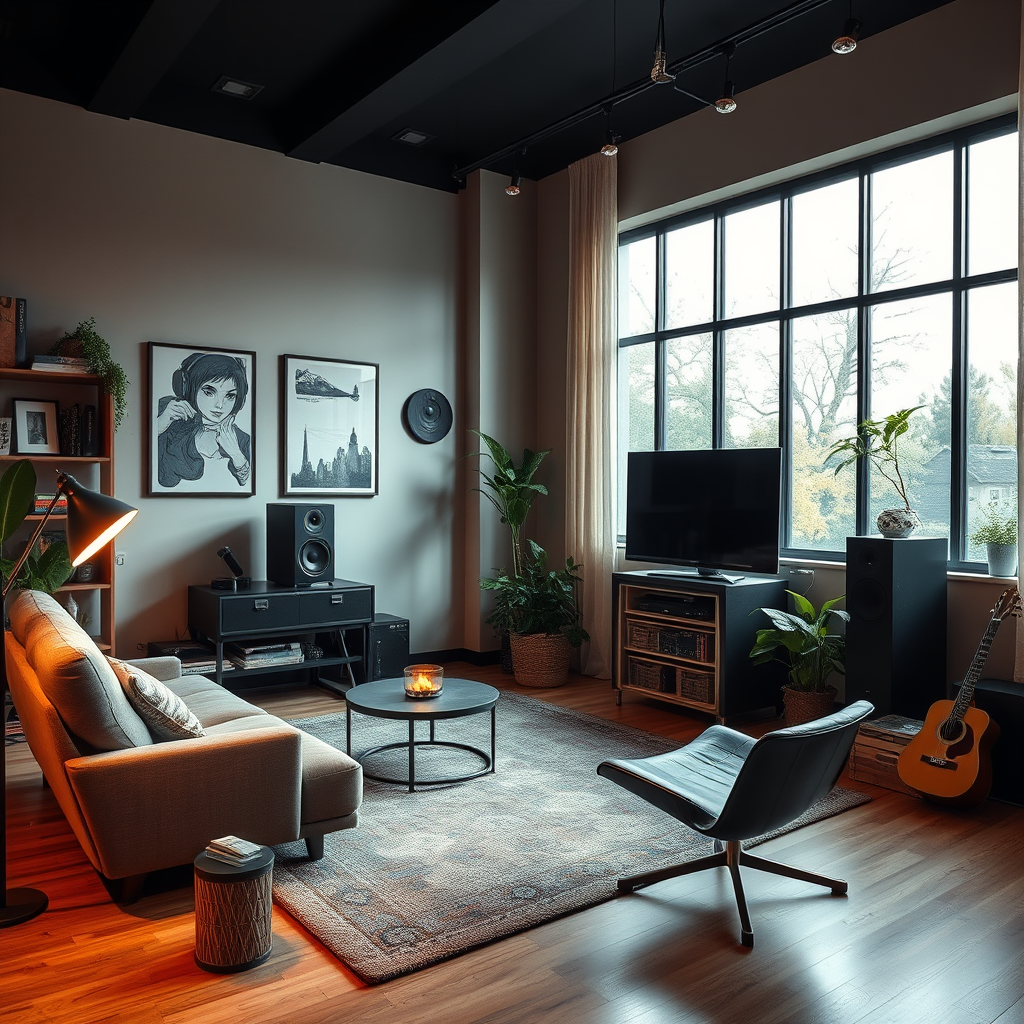

Creating a dedicated listening room for music is all about crafting an environment that prioritizes sound quality and comfort. The right setup allows you to fully immerse yourself in your favorite tunes, enhancing both your listening experience and appreciation for music. With careful planning, attention to acoustics, and the right equipment, you can transform any space into a personal oasis for music enjoyment.
Choosing the Right Space
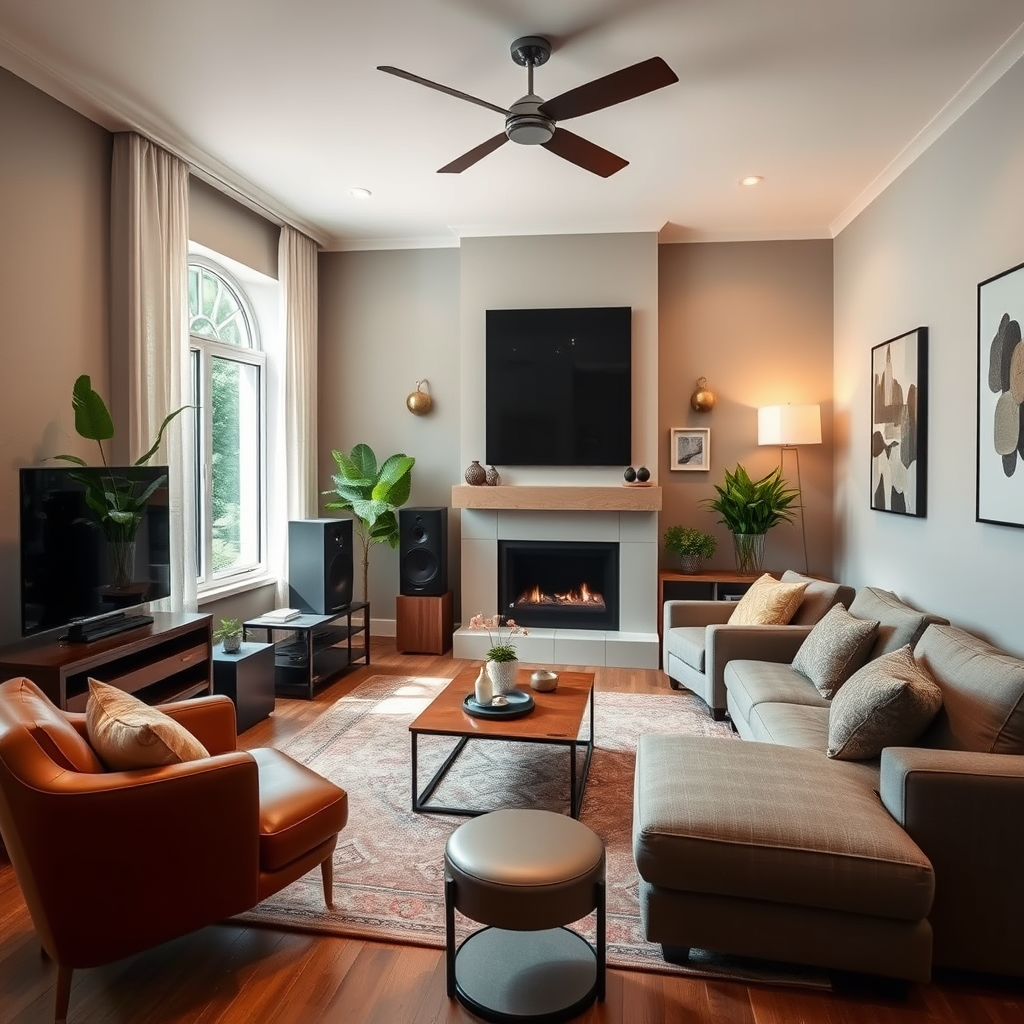
The first step in setting up your dedicated listening room is selecting the right space. Ideally, you want a room that is away from the hustle and bustle of daily life. Look for a space with minimal external noise and foot traffic—this could be a spare bedroom, a basement, or even a converted garage. Rooms that are further away from busy streets or noisy appliances will provide you with a more enjoyable listening experience.
When it comes to room dimensions, rectangular rooms often yield better acoustics than square ones. This is due to the way sound waves travel and interact with the walls. A space that’s longer than it is wide allows for better sound distribution, reducing the likelihood of standing waves that can muddy the sound. If possible, take some time to visualize how sound will bounce around your chosen space to ensure it will be conducive to an excellent listening environment.
Acoustics and Soundproofing
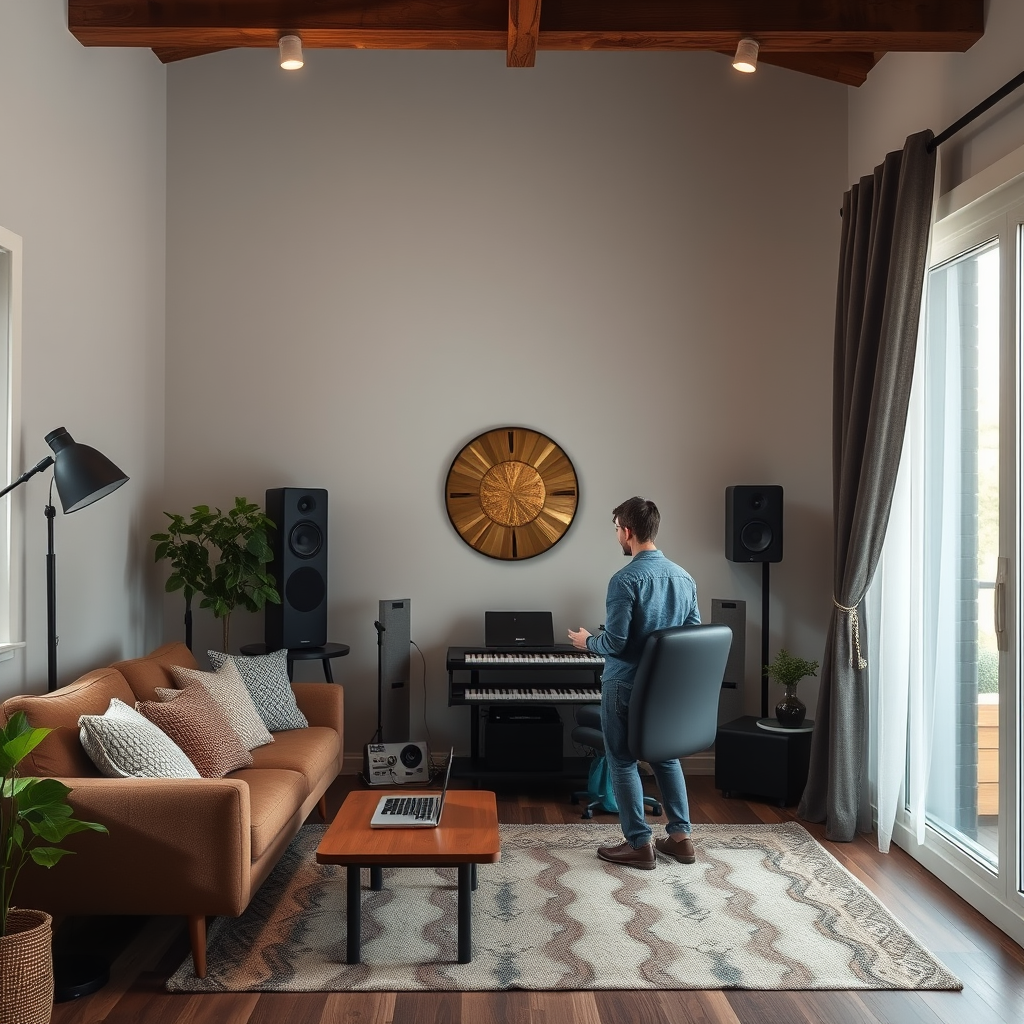
Once you have your space selected, it’s time to focus on acoustics and soundproofing. To improve sound quality, consider installing acoustic panels. These are designed to absorb sound waves, which can help reduce echo and improve clarity. You might opt for foam panels, fabric-wrapped panels, or even DIY options like hanging thick blankets or rugs. The key is to place these panels strategically around the room, especially at the first reflection points—these are areas where sound waves bounce off the walls before reaching your ears.
In addition to enhancing the sound quality, sealing gaps in doors and windows is essential for minimizing outside noise interference. Weatherstripping and door sweeps can make a significant difference in reducing unwanted sound. If your budget allows, consider adding soundproofing insulation within the walls, ceiling, and floor. These measures will create a sanctuary for your music, allowing you to enjoy your audio without distractions.
Selecting Quality Equipment
No dedicated listening room is complete without high-quality audio equipment. Investing in a good audio system is crucial, as the right speakers, amplifiers, and source components can dramatically affect your listening experience. When selecting your equipment, it’s important to consider your personal preferences, musical genre, and the size of your room.
For instance, if you enjoy deep bass, you may want to invest in floor-standing speakers or a subwoofer. On the other hand, bookshelf speakers can be excellent for smaller spaces. Brands like Bowers & Wilkins, KEF, and Klipsch offer a range of speakers that cater to different budgets and preferences. Don’t forget about the amplifier! A quality amplifier will ensure that your speakers perform optimally, providing a clear and powerful sound.
Additionally, consider your source equipment. Whether you’re using vinyl, digital streaming, or high-resolution audio files, make sure your source is reliable and matches the quality of your other components. Researching and choosing the right equipment that fits your particular listening style will enhance your overall experience.
Ideal Furniture Arrangement
The arrangement of furniture in your listening room plays a crucial role in your audio experience. Ideally, you want to position your speakers at ear level, which may require stands or wall mounts. The goal is to create an equilateral triangle between the speakers and your seating area. This setup ensures that sound waves reach your ears simultaneously, providing a balanced soundstage.
When it comes to seating, comfort is key. Look for chairs or sofas that offer good back support, as you might find yourself spending hours in your listening room. Consider furniture that allows you to lean back and relax, which can be especially important for long listening sessions. Additionally, avoid placing furniture too close to walls, as this can lead to unwanted reflections and interfere with sound clarity.
Lighting and Ambiance
Creating the right ambiance in your dedicated listening room can significantly enhance your music experience. Lighting plays a vital role in setting the mood, so opt for soft, adjustable lighting that can be dimmed or brightened according to your preference. Warm, ambient lights can make the space feel inviting and cozy.
For those sunny days when natural light streams in, consider investing in blackout curtains. Not only do these help control the amount of light in the room, but they can also improve sound quality by reducing external noise. The right lighting and window treatments can transform your listening space into a haven where you can enjoy your favorite music without distractions.
Personal Touches and Decor
Your dedicated listening room should reflect your personality and passion for music. Consider decorating the space with art pieces, posters, or memorabilia that inspire you. Whether it’s framed records, concert tickets, or photographs of your favorite musicians, these personal touches can make the room feel uniquely yours.
Incorporating elements that resonate with your musical taste will enhance your connection to the space. You might also want to include comfortable throw pillows, a plush rug, or even plants to bring the room to life. The goal is to create an atmosphere that not only sounds great but also feels welcoming and inspiring.
Regular Maintenance and Upgrades
Finally, maintaining your dedicated listening room and periodically upgrading your equipment is essential for keeping your space at its best. Technology advancements happen rapidly, and staying informed about new audio equipment can help you make informed purchasing decisions. Regularly checking your speakers, amplifiers, and cables for wear and tear will ensure that your system continues to perform optimally.
Don’t forget to maintain your acoustic treatments and furniture as well. Dust and wear can accumulate over time, so a simple cleaning routine can help keep your space looking and sounding great. By investing time in maintenance and upgrades, you’ll ensure that your dedicated listening room remains a top-quality environment for years to come.
Creating a dedicated listening room can elevate your musical experience to new heights. By following these steps, you’ll achieve a space that not only sounds great but also feels inviting and personalized. Start designing your dream listening environment today and immerse yourself in the world of music like never before!
Frequently Asked Questions
What are the key elements to consider when setting up a dedicated listening room for music?
When setting up a dedicated listening room for music, consider the room’s dimensions, acoustics, and furniture arrangement. Ideally, choose a rectangular room with minimal windows to reduce sound interference. Pay attention to acoustic treatments like soundproofing panels and bass traps, as they help to eliminate unwanted echoes and improve sound clarity. Additionally, the placement of speakers and seating plays a crucial role in achieving an optimal listening experience, so aim for an equilateral triangle configuration between the speakers and your listening position.
How can I improve the acoustics in my music listening room?
Improving acoustics in your music listening room can be achieved through strategic placement of acoustic panels, rugs, and furniture. Use thick carpets to absorb sound reflections from hard flooring, and place acoustic panels at first reflection points on walls. Bass traps can be installed in corners to manage low frequencies effectively. Additionally, consider using diffusers to scatter sound waves and create a more balanced audio experience. Experimenting with these elements will help you find the right acoustic balance for your space.
Why is speaker placement important in a dedicated listening room?
Speaker placement is crucial in a dedicated listening room because it directly affects sound quality and stereo imaging. Proper positioning allows for optimal soundstage and clarity, ensuring that audio is balanced and immersive. Ideally, speakers should be placed at ear level and angled towards the listening position, creating an equilateral triangle. This arrangement minimizes phase issues and maximizes the listener’s experience, making it essential for achieving high-fidelity sound.
What are the best materials for soundproofing a music listening room?
The best materials for soundproofing a music listening room include mass-loaded vinyl (MLV), acoustic foam panels, and mineral wool insulation. MLV is effective for blocking sound transmission, while acoustic foam panels help to absorb sound reflections within the room. Mineral wool insulation can be used in walls, ceilings, and floors to reduce sound leakage. Combining these materials will provide a more comprehensive soundproofing solution, enhancing your listening experience by keeping external noise at bay.
Which furniture layout is most effective for a dedicated music listening room?
An effective furniture layout for a dedicated music listening room focuses on creating a comfortable and functional space that enhances the listening experience. Position your seating at an appropriate distance from the speakers, ideally forming an equilateral triangle, to ensure optimal sound quality. Avoid placing furniture that can obstruct sound waves, and consider using low-profile furniture to maintain an open atmosphere. Additionally, incorporating soft furnishings, such as curtains and cushions, can help absorb sound and improve acoustics, making the room more enjoyable for music listening.
References
- Soundproofing
- https://www.grammy.com/news/how-to-create-a-home-listening-room
- https://www.audioholics.com/home-theater-education/acoustic-treatment
- https://www.soundonsound.com/techniques/acoustic-treatment-your-room
- https://www.npr.org/sections/therecord/2018/10/23/659632441/home-recording-guide-how-to-create-your-dream-studio
- https://www.jstor.org/stable/10.5325/jacoustics.11.1.0011
- https://www.architecturaldigest.com/story/how-to-create-a-listening-room-at-home