

Wireless audio has become the standard for home sound due to its convenience, advanced technology, and the seamless integration it offers with modern devices. This transformation has revolutionized how consumers experience sound, enabling them to enjoy high-quality audio without the limitations imposed by traditional wired systems. In this article, you will learn about the evolution of wireless audio, its key advantages, and how it transformed the listening experience in homes around the world.
The Evolution of Audio Technology

In the early days of audio technology, wired systems dominated the landscape. Users were often tethered to their devices by cumbersome cables, which limited the placement of speakers and made it challenging to create an immersive sound environment. The need for flexibility and convenience became apparent as home entertainment systems grew in complexity, leading to the introduction of wireless audio technologies.
The first significant breakthrough came with Bluetooth technology, which allowed users to connect devices wirelessly over short distances. This advancement was followed by the development of Wi-Fi audio transmission, enabling higher bandwidth and improved sound quality. As these technologies evolved, they laid the groundwork for a new era in audio consumption, one that prioritized ease of use and versatility.
The Rise of Streaming Services
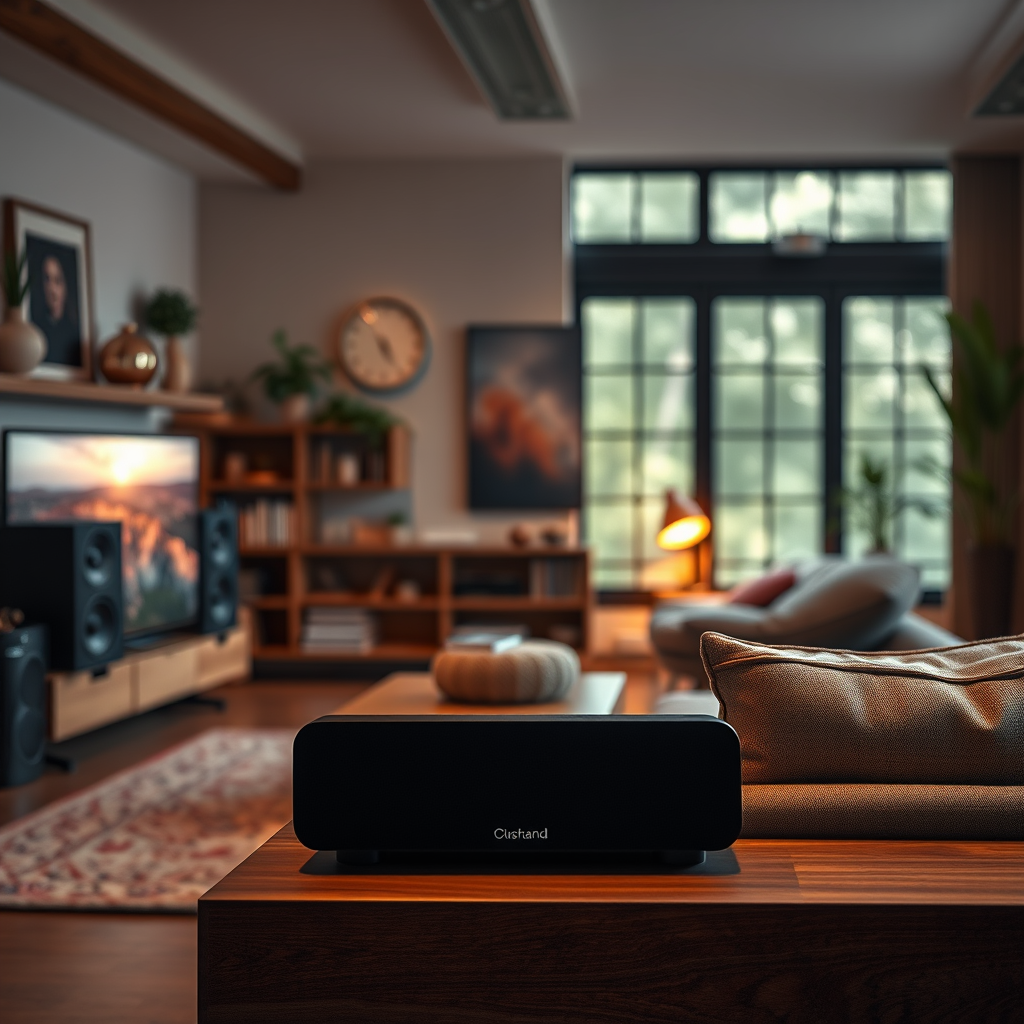
The emergence of streaming services like Spotify, Apple Music, and Tidal dramatically fueled the demand for wireless audio systems. These platforms offered consumers instant access to vast libraries of music, encouraging a shift away from physical media and traditional listening habits. As users began to favor the convenience of streaming music directly from their devices, the appeal of wireless audio systems grew exponentially.
Streaming services have also influenced consumer preferences, with many listeners now prioritizing high-quality audio experiences. The ability to stream lossless audio has driven the development of wireless systems that can accommodate higher fidelity, further solidifying the status of wireless audio as a standard in home sound.
Innovations in Wireless Audio Technology
The rapid advancements in wireless audio technology have played a crucial role in its adoption. Key innovations include:
– Bluetooth Codecs: Enhanced codecs like aptX and AAC have significantly improved audio quality over Bluetooth, allowing for richer sound and reduced latency. These advancements make wireless listening more comparable to traditional wired systems.
– Wi-Fi Audio Transmission: Technologies such as AirPlay and Chromecast built-in facilitate high-resolution audio streaming over home networks. This capability supports multi-room audio setups, enabling users to create a cohesive listening experience throughout their homes.
– High-Resolution Audio: As consumer demand for superior sound quality has increased, manufacturers have responded by developing wireless systems that support high-resolution audio formats. This has made it possible for audiophiles to enjoy studio-quality sound without the constraints of wires.
Top 7 Wireless Audio Technologies (2024)
| # | Technology | Max Bitrate (kbps) | Range (meters) | Latency (ms) |
|---|---|---|---|---|
| 1 | Bluetooth 5.0 | 320 | 40 | 10 |
| 2 | aptX HD | 576 | 10 | 8 |
| 3 | Wi-Fi 802.11ac | 1300 | 100 | 3 |
| 4 | AirPlay 2 | Lossless | 30 | 20 |
| 5 | Chromecast Audio | 384 | 25 | 15 |
| 6 | Sonos Wireless | Lossless | 30 | 10 |
| 7 | DLNA | 320 | 100 | 25 |
Benefits of Wireless Audio Systems
The advantages of wireless audio systems are numerous, making them a preferred choice for many consumers. One of the most significant benefits is the convenience of placement and mobility. Users can position speakers anywhere in a room without worrying about wires cluttering the space. This flexibility allows for creative interior design and easier access to audio throughout the home.
Additionally, wireless audio systems are often compatible with smart home devices and voice assistants, enhancing the user experience. For instance, consumers can control their audio systems using voice commands via Amazon Alexa or Google Assistant, further simplifying the interaction with their devices. This level of integration not only streamlines the listening experience but also aligns with the increasing trend of smart home automation.
Challenges and Solutions in Wireless Audio
Despite the many benefits, wireless audio systems are not without their challenges. Common issues include connectivity problems, which can lead to interruptions in playback, and latency, which can affect the synchronization of audio and video during streaming.
Fortunately, technology is evolving to address these challenges. Improved Bluetooth codecs, such as aptX Low Latency, are helping to minimize lag, while advancements in Wi-Fi technology are enhancing stability and range. Additionally, manufacturers are increasingly focusing on creating more robust systems that can maintain a reliable connection even in crowded environments.
Looking to the future, trends like mesh networking technology are anticipated to further improve wireless audio performance by ensuring a more consistent and reliable connection throughout the home.
The Impact on Home Entertainment
The advent of wireless audio systems has fundamentally changed how we consume media at home. No longer limited by physical connections, consumers can enjoy a seamless listening experience across various devices and platforms. This shift has encouraged the integration of surround sound systems and smart speakers into home theaters, creating immersive environments that enhance movie watching and gaming experiences.
Moreover, the rise of multi-room audio systems has transformed the way families interact with music. Users can now play their favorite tracks in different rooms simultaneously, allowing for a more engaging and shared experience.
Consumer Preference for Wireless Audio Systems (2024)
Looking Ahead: The Future of Wireless Audio
As technology continues to advance, the future of wireless audio looks promising. Innovations will likely focus on improving sound quality and connectivity, with predictions of higher bandwidth capabilities and further integration with augmented and virtual reality experiences.
The potential for immersive audio experiences through technologies like spatial audio and advanced multi-channel setups is also on the horizon. As consumers increasingly seek out high-quality audio experiences, manufacturers will need to adapt, ensuring that wireless audio systems not only meet but exceed expectations.
In addition, the rise of smart home ecosystems will continue to drive the integration of wireless audio within everyday life, allowing for seamless interactions across multiple devices and platforms. The future is bright for wireless audio, and its evolution will undoubtedly shape the sound landscape for years to come.
The rise of wireless audio has reshaped the landscape of home sound systems, making it more accessible and enjoyable for consumers. As technology continues to advance, staying informed about the latest developments in wireless audio can enhance your listening experience. Explore your options and consider upgrading to a wireless audio system that suits your lifestyle.
Frequently Asked Questions
What are the advantages of using wireless audio systems for home sound?
Wireless audio systems offer several advantages, including flexibility in placement, ease of setup, and the elimination of messy cables. With technologies like Bluetooth and Wi-Fi, users can stream music from multiple devices without being tethered to a single location, enhancing the overall listening experience.
How did the transition from wired to wireless audio systems occur in home entertainment?
The transition from wired to wireless audio systems was driven by advancements in technology, particularly in Bluetooth and Wi-Fi capabilities. As consumers sought more convenience and mobility, manufacturers developed high-quality wireless solutions that provided excellent sound without the limitations of cables, making wireless audio the standard for home sound.
Why is wireless audio considered the future of home sound systems?
Wireless audio is considered the future of home sound systems due to its versatility and integration with smart home technology. As more devices become interconnected, users appreciate the simplicity of controlling their audio via apps and voice commands, making it easier than ever to create immersive soundscapes throughout their homes.
Which wireless audio technologies are most popular for home sound systems?
The most popular wireless audio technologies for home sound systems include Bluetooth, Wi-Fi, and proprietary systems like Sonos. Each technology has its strengths, with Bluetooth being ideal for portability, Wi-Fi offering superior sound quality and range, and proprietary systems providing seamless multi-room audio experiences.
What should I consider when choosing a wireless audio system for my home?
When choosing a wireless audio system for your home, consider factors such as sound quality, compatibility with existing devices, range, and ease of use. Additionally, look for systems that support various streaming services and offer features like multi-room capability to enhance your overall audio experience.
References
- Wireless
https://en.wikipedia.org/wiki/Wireless_audio - https://www.sciencedirect.com/topics/engineering/wireless-audio
https://www.sciencedirect.com/topics/engineering/wireless-audio - https://www.bbc.com/news/technology-55612468
https://www.bbc.com/news/technology-55612468 - https://www.nytimes.com/2021/02/08/technology/audio-wireless.html
https://www.nytimes.com/2021/02/08/technology/audio-wireless.html - https://www.theguardian.com/technology/2020/nov/11/wireless-audio-standards-bluetooth
https://www.theguardian.com/technology/2020/nov/11/wireless-audio-standards-bluetooth - https://pubmed.ncbi.nlm.nih.gov/29116560/
https://pubmed.ncbi.nlm.nih.gov/29116560/ - Effects of a contoured foot orthosis and flat insole on plantar pressure and tibial acceleration …
https://www.nature.com/articles/s41598-018-35830-5 - Google Scholar Google Scholar
https://scholar.google.com/scholar?q=Wireless+Audio+Home+Sound - Google Scholar Google Scholar
https://scholar.google.com/scholar?q=History+of+Wireless+Audio - Google Scholar Google Scholar
https://scholar.google.com/scholar?q=Wireless+Audio+Standards