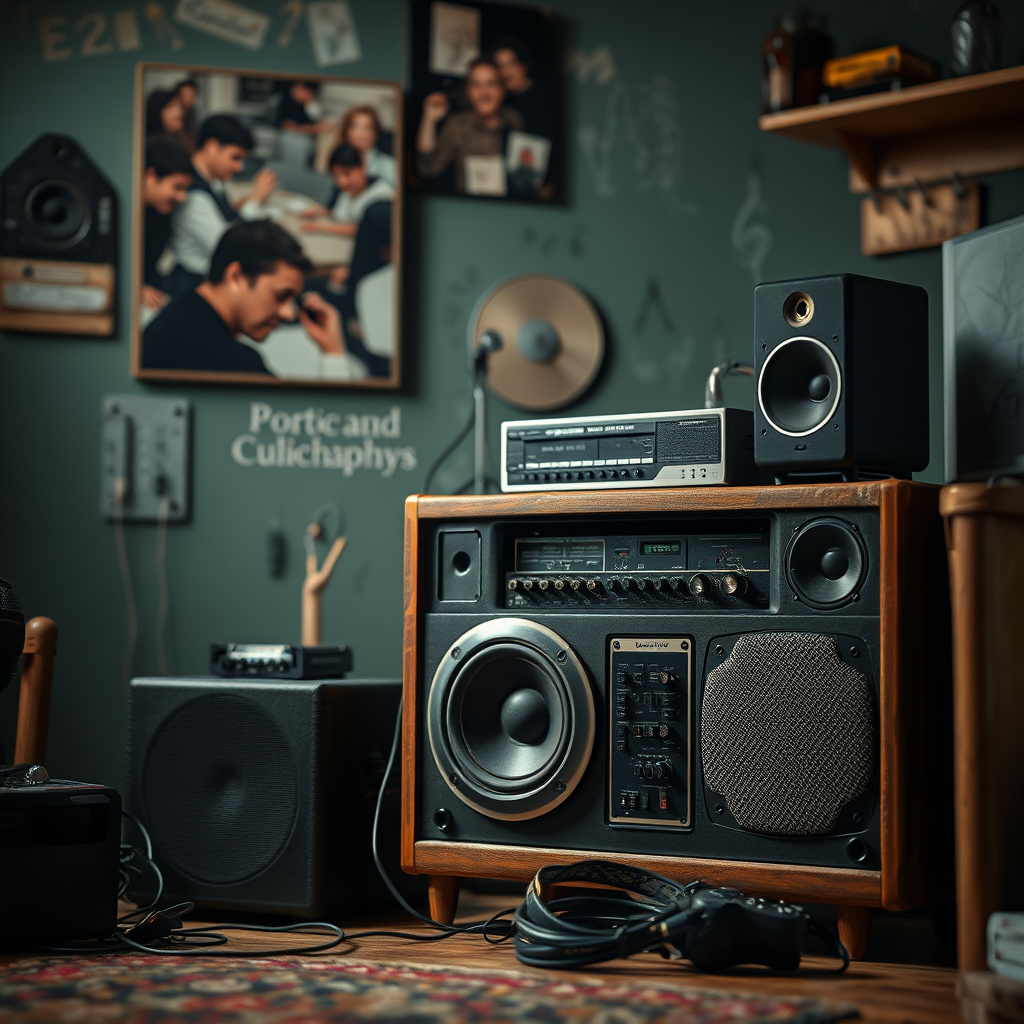
Revamping an old sound system for modern use involves understanding its wiring and integrating contemporary audio technologies. By following a few straightforward steps, you can breathe new life into your vintage audio equipment, making it compatible with today’s devices. This article will guide you through the process, ensuring you have a functional and modernized sound system.



Understanding Your Old Sound System
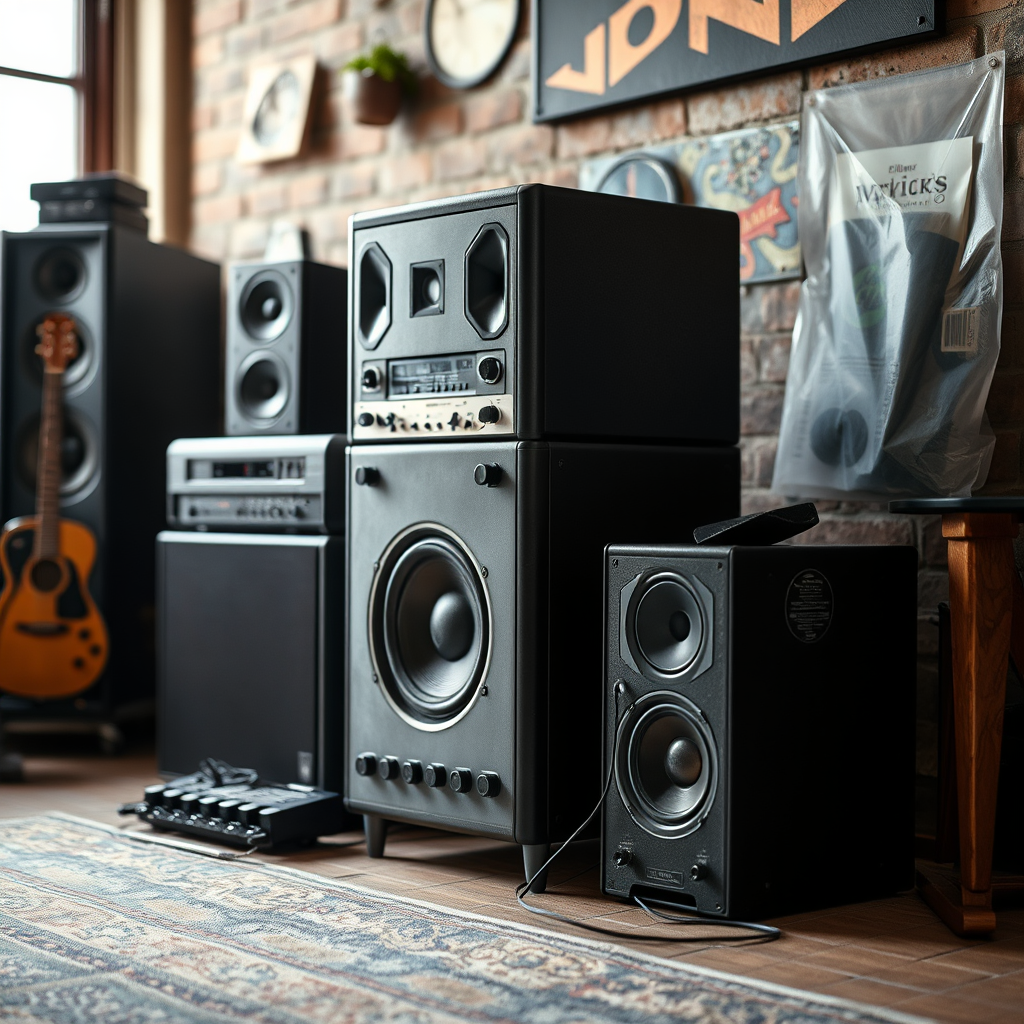
To effectively rewire an old sound system, it is essential to comprehend its components and their functionalities. Typically, a vintage sound system consists of several key parts: the speakers, receiver, and possibly a turntable or cassette deck. Each of these components plays a vital role in sound production and needs to be assessed for compatibility with modern technology.
Start by identifying the specifications of your sound system, including the impedance and wattage of the speakers. Check if your receiver has the necessary inputs, such as RCA or optical ports, which are commonly used today. Additionally, inspect the condition of the wiring and connectors. Look for frayed wires or corrosion, which could affect sound quality or even pose safety hazards. This initial assessment will provide a clearer understanding of what modifications are necessary.
Gathering Necessary Tools and Materials

Before diving into the rewiring process, it’s crucial to gather all the necessary tools and materials. This preparation ensures a smooth workflow and minimizes disruptions.
Essential Tools:
– Wire Strippers: For removing insulation from the wire without damaging the conductor.
– Soldering Iron: This is essential for making secure connections between wires.
– Multimeter: To measure voltage, current, and resistance, ensuring proper connectivity.
– Screwdrivers: A Phillips and flathead screwdriver will be necessary for disassembling components.
Materials Needed:
– Speaker Wire: High-quality speaker wire that supports the impedance of your speakers is essential.
– Connectors: Depending on your system, you may need RCA connectors, banana plugs, or spade connectors.
– Amplifier (if necessary): If your receiver lacks power to drive your speakers, consider integrating a modern amplifier.
Having these tools and materials on hand will streamline the rewiring process and help avoid unnecessary delays.
Disconnecting and Inspecting Components
Before starting the rewiring process, safety should be your top priority. Begin by turning off and unplugging the entire sound system. Once it’s powered down, carefully disconnect all wiring from the old system. Take pictures of the current wiring setup for reference, as this will be helpful when you reconnect everything.
Next, inspect each component for any signs of damage or wear. Look for cracked speaker cones, rust on connectors, or any signs of deterioration in the wiring. If any components are damaged, consider replacing them before proceeding. This step is vital to ensure the longevity and performance of your upgraded sound system.
Common Speaker Impedance Ratings
| # | Speaker Type | Impedance (Ohms) | Power Handling (Watts) | Best For |
|---|---|---|---|---|
| 1 | Bookshelf Speakers | 8 | 50-100 | Small Rooms |
| 2 | Floorstanding Speakers | 6 | 100-200 | Large Rooms |
| 3 | Subwoofers | 4 | 200-500 | Home Theater |
| 4 | In-Ceiling Speakers | 8 | 50-80 | Ambient Sound |
| 5 | Soundbars | 8 | 100-300 | TV Setup |
| 6 | Satellite Speakers | 8 | 30-80 | Surround Sound |
| 7 | Outdoor Speakers | 8 | 50-100 | Patio Listening |
Rewiring the Sound System
Now that you have assessed and prepared your components, it’s time to rewire the sound system. Start with the receiver. Ensure that it is powered off and that all previous connections are completely disconnected.
1. Connect the Speakers: Begin by connecting the speaker wires to the receiver. Most receivers will have color-coded terminals; typically, red is positive and black is negative. Strip the ends of the speaker wire and insert them into the corresponding terminals. Ensure a tight fit to prevent any sound quality issues.
2. Color Coding: Maintain the color coding of the wires to avoid confusion during the setup. For example, if you connect a white wire to the positive terminal of the left speaker, ensure that it is consistent across all connections.
3. Connect Additional Devices: If you are integrating modern devices, connect them to the appropriate inputs on the receiver. Use RCA cables for devices like CD players or turntables, and optical cables for modern digital devices.
Following these steps will ensure that your rewiring is systematic and organized, laying the groundwork for a fully functional sound system.
Integrating Modern Technology
In today’s digital landscape, integrating modern technology into your old sound system can significantly enhance its functionality. Here are some options to consider:
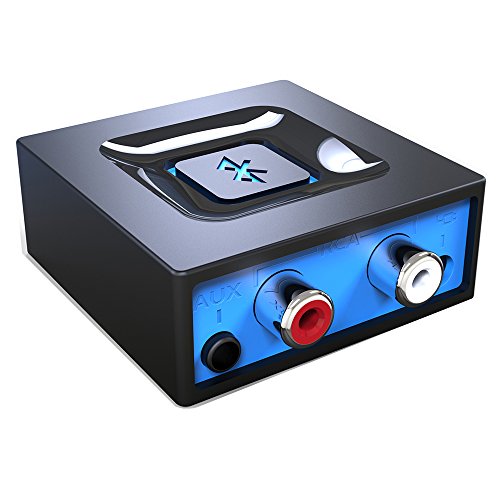
– Bluetooth Adapters: These devices allow you to wirelessly stream music from smartphones, tablets, or computers to your sound system. Simply connect the Bluetooth adapter to your receiver using an auxiliary or RCA input.
– Wi-Fi Streaming Capabilities: For a more integrated approach, consider Wi-Fi streaming options. Devices like Chromecast Audio or Sonos connect to your network and can stream music directly from various services like Spotify or Apple Music.
– Connecting Modern Devices: To connect your smartphone or laptop, use a 3.5mm to RCA adapter or Bluetooth. Ensure that the receiver is set to the correct input source to enjoy seamless playback.
By adopting these modern technologies, you are not only enhancing the functionality of your sound system but also ensuring it remains relevant in a rapidly evolving digital world.
Popular Bluetooth Adapters for Sound Systems
Testing the System
Once you have rewired and integrated modern technology into your sound system, it’s time to test its functionality. Begin by powering on the system and selecting the appropriate input source. Play a variety of audio content, including music and dialogue, to assess sound quality.
Tips for Conducting a Sound Test:
– Volume Levels: Start with a low volume and gradually increase it. Listen for any distortion or imbalance in the sound.
– Speaker Placement: Ensure that speakers are positioned correctly for optimal sound. For stereo setups, the speakers should form an equilateral triangle with the listening position.
– Connectivity Check: If using Bluetooth or Wi-Fi, ensure that the connection is stable. Disconnect and reconnect if necessary.
If you encounter any issues, refer back to your wiring setup and connections. Common problems may include incorrect wiring, loose connections, or configuration issues with modern devices.
Final Adjustments and Enhancements
Once you’ve confirmed that your sound system is operational, consider making final adjustments and enhancements to improve overall performance and aesthetics.
– Sound Quality Optimization: Adjust the equalizer settings on your receiver to tailor the sound to your preferences. Experiment with bass and treble levels to find the ideal balance.
– Aesthetic Improvements: Organize cables and wires to create a clean look. Consider investing in cable management solutions or decorative racks to enhance the visual appeal of your setup.
– Acoustic Treatments: For better sound quality, consider adding acoustic panels or rugs to your space. These can help minimize echo and improve clarity.
By taking these additional steps, you can create a listening environment that not only sounds great but also looks appealing.
In summary, rewiring and modernizing an old sound system is a rewarding project that merges nostalgia with contemporary technology. By understanding your components, gathering the right tools, and following the outlined steps, you can create a functional audio system that meets today’s demands. Embrace the blend of vintage charm and modern convenience, and enjoy the enhanced audio experience that comes with it. Get started on your audio project today!
Frequently Asked Questions
What tools do I need to rewire an old sound system for modern use?
To rewire an old sound system for modern use, you will need basic tools such as a soldering iron, wire strippers, and a multimeter to test connections. Additionally, having speaker wire, connectors, and possibly an audio adapter will help facilitate integration with modern devices.
How can I connect an old sound system to Bluetooth technology?
To connect an old sound system to Bluetooth technology, you can use a Bluetooth receiver that plugs into the audio input of your system. This device can receive audio signals from your smartphone or computer, allowing you to stream music wirelessly while preserving the vintage sound quality of your old system.
Why is it important to replace old wiring in a vintage sound system?
Replacing old wiring in a vintage sound system is crucial for enhancing sound quality and ensuring safety. Old wires can degrade over time, leading to poor audio performance and even fire hazards. Upgrading to modern, high-quality cables can significantly improve the overall sound experience.
What are the best practices for maintaining an old sound system after rewiring it?
After rewiring an old sound system, maintaining it involves regular cleaning of the components, checking connections for corrosion, and ensuring that the system is kept in a dry, cool environment. Additionally, periodic inspections of the wiring and components can prevent future issues and extend the life of your sound system.
Which modern components should I consider integrating into my old sound system?
When integrating modern components into your old sound system, consider adding a digital-to-analog converter (DAC) for improved audio quality, a Bluetooth adapter for wireless streaming, or a modern amplifier to enhance power output. These components can bridge the gap between vintage and modern technology while retaining the classic sound you love.
References
- Sound system
https://en.wikipedia.org/wiki/Sound_system - https://www.sciencedirect.com/topics/engineering/sound-system
https://www.sciencedirect.com/topics/engineering/sound-system - https://pubmed.ncbi.nlm.nih.gov/
https://pubmed.ncbi.nlm.nih.gov/ - https://www.nature.com/articles/s41598-020-62737-5
https://www.nature.com/articles/s41598-020-62737-5 - https://www.bbc.com/future/article/20200406-how-to-repair-your-old-tech
https://www.bbc.com/future/article/20200406-how-to-repair-your-old-tech - https://www.theguardian.com/technology/2021/jul/22/how-to-repair-your-old-tech
https://www.theguardian.com/technology/2021/jul/22/how-to-repair-your-old-tech - Google Scholar Google Scholar
https://scholar.google.com/scholar?q=rewire+old+sound+system+for+modern+use - Google Scholar Google Scholar
https://scholar.google.com/scholar?q=upgrading+vintage+sound+systems - Google Scholar Google Scholar
https://scholar.google.com/scholar?q=modernizing+audio+equipment - https://www.wwu.edu/technology/audio-visual-systems-guide
https://www.wwu.edu/technology/audio-visual-systems-guide