To secure your expensive home audio system, start by investing in quality physical security measures, such as locks and surveillance cameras, while also considering digital protection against unauthorized access. This article will guide you through the essential steps to protect your audio investment from theft, damage, and technical vulnerabilities.




Assessing Vulnerabilities
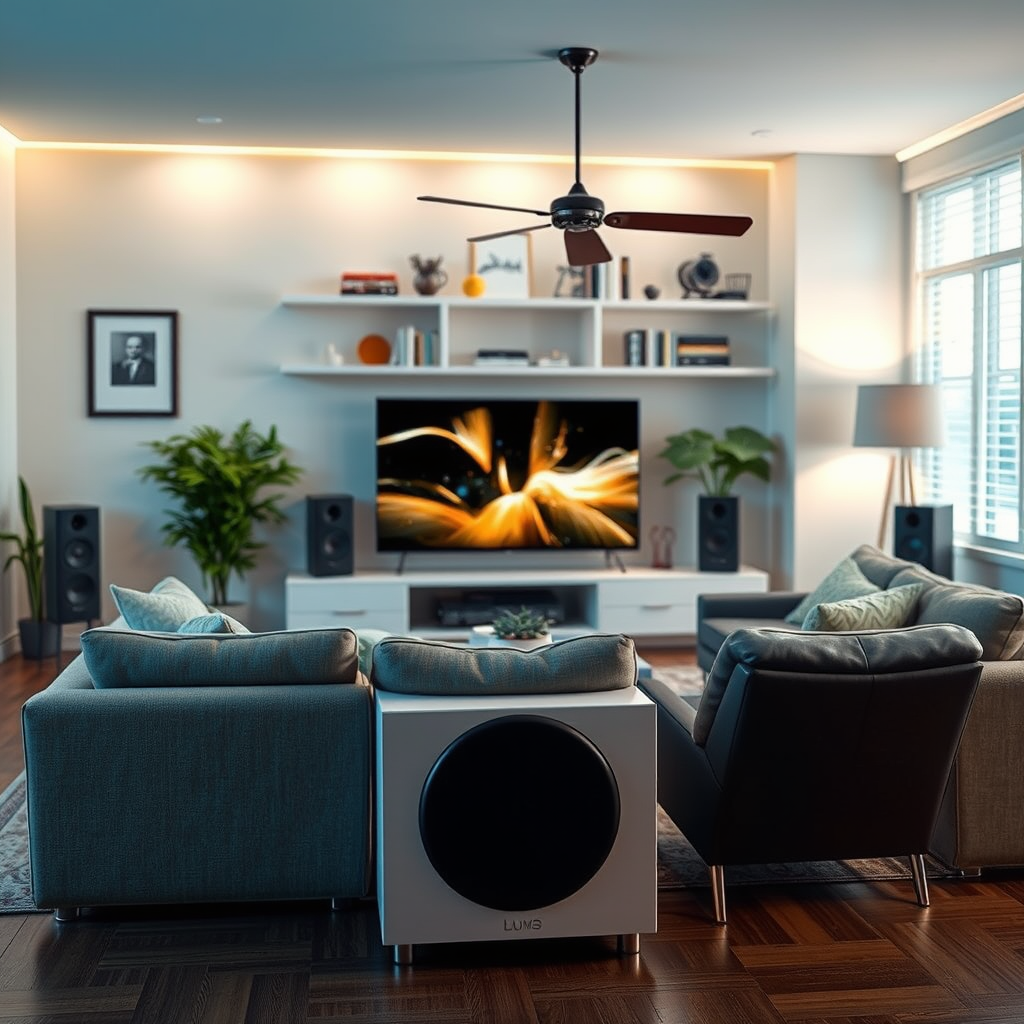
The first step in securing your home audio system is to assess its vulnerabilities. Start by identifying physical weak points in your home where a thief could gain access to your equipment. Consider factors such as:
– Entry Points: Examine doors and windows for strength and security features. Are they reinforced or easily accessible?
– Location of Equipment: If your audio system is in a common area, it may be more susceptible to theft than if it were hidden in a secure location.
– Visibility: Is your audio system displayed prominently, making it an easy target? Consider relocating it to a less visible area.
Additionally, evaluate the accessibility of your audio system. Is it easily reachable for children or guests who may inadvertently damage it? Understanding these vulnerabilities is crucial in formulating a tailored security strategy.
Implementing Physical Security
Once you’ve assessed vulnerabilities, it’s time to implement physical security measures. Start with basic locks and surveillance systems:
– Locks on Cabinets: If your audio equipment is stored in cabinets, consider installing locks. This simple measure can deter opportunistic thieves and keep your gear safe from curious hands.
– Security Cameras: Installing surveillance cameras can serve as both a deterrent and a means of monitoring your home. Opt for cameras with motion detection and remote viewing capabilities so you can keep an eye on your home and audio system from anywhere.
A well-placed camera not only discourages theft but can provide valuable evidence in the event of a break-in. Ensure that your cameras are installed in strategic locations covering all entry points and the area where your audio system is located.
Utilizing Surge Protection
Power surges can cause irreparable damage to your audio system, particularly if it includes sensitive electronics. To safeguard against these electrical issues:
– Invest in Quality Surge Protectors: A good surge protector can shield your equipment from unexpected power spikes. Look for models that offer multiple outlets and are rated for high energy absorption.
– Consider Whole-Home Surge Protection: For comprehensive coverage, consider installing a whole-home surge protection system. This device is installed at your electrical panel, providing robust protection against surges before they reach your devices.
By ensuring proper surge protection, you can prevent costly repairs and extend the lifespan of your audio components.
Securing Wireless Connections
In today’s connected world, securing your audio system’s wireless connections is as essential as physical security measures:
– Change Default Passwords: Many audio systems come with default passwords that are easily guessable. Change these to complex, unique passwords to reduce the risk of unauthorized access.
– Enable Network Encryption (WPA3): Ensure that your home Wi-Fi network is secured with WPA3 encryption, the latest and most secure wireless encryption standard. This makes it more difficult for unauthorized users to access your network and any connected devices.
Regularly reviewing and updating your security settings can help protect your audio system from potential cyber threats.
Regular Maintenance and Updates
Regular maintenance of your audio system not only ensures optimal performance but also helps in securing it against vulnerabilities:
– Firmware Updates: Schedule regular updates for your audio system’s firmware. Manufacturers often release updates that patch security vulnerabilities and enhance performance.
– Routine Checks: Conduct routine checks on all components to confirm that they are functioning correctly. This includes inspecting cables, connections, and the physical condition of the equipment.
By keeping your system well-maintained, you can avoid technical failures and potential security breaches.
Top 7 Home Audio System Brands by Security Features (2024)
| # | Brand | Surge Protection | Wireless Security | Physical Security |
|---|---|---|---|---|
| 1 | Bose | Yes | WPA3 | Lockable Cabinets |
| 2 | Sonos | Yes | WPA2 | Secure Mounts |
| 3 | Yamaha | Yes | WPA3 | Lockable Cases |
| 4 | Klipsch | Yes | WPA2 | Mounting Kits |
| 5 | Denon | Yes | WPA3 | Secure Shelving |
| 6 | Pioneer | Yes | WPA2 | Lockable Stands |
| 7 | Onkyo | Yes | WPA3 | Secure Units |
Insurance Considerations
Even the most robust security measures can sometimes fail, making it essential to consider insurance for your audio system:
– Review Homeowner’s Insurance: Check your existing homeowner’s insurance policy to ensure that your audio equipment is adequately covered against theft, damage, and other risks.
– Consider Adding a Rider: For high-value items, consider adding a rider to your policy specifically for your audio system. This ensures that in the event of a loss, you can recover the full value of your investment.
Having comprehensive insurance can provide an additional layer of security, allowing you to enjoy your audio system without the constant worry of loss.
Building a Security Routine
Establishing a routine for securing your audio system can help make security measures habitual:
– Create a Security Checklist: Develop a checklist of steps to take before leaving home or going to bed, such as locking cabinets, ensuring cameras are operational, and checking for secure wireless connections.
– Educate Family Members: Ensure that all family members understand the importance of maintaining these security measures. Encourage them to follow the security checklist and report any suspicious activity.
By building a security routine, you can create a culture of awareness in your home, making it less likely for security breaches to occur.
To conclude, securing your expensive home audio system requires a multifaceted approach that combines physical security measures, digital protections, regular maintenance, and insurance considerations. By taking proactive steps to identify vulnerabilities, implement security protocols, and educate your household, you can protect your audio investment effectively. Start today, and enjoy your audio system with peace of mind.
Frequently Asked Questions
What are the best ways to physically secure my home audio system against theft?
To physically secure your home audio system, consider investing in lockable cabinets or racks to store your equipment. Additionally, using security cables to anchor speakers and components to furniture can deter theft. Installing a security camera in the room can also serve as a deterrent while providing evidence in case of a break-in.
How can I protect my audio system from power surges and electrical damage?
Protecting your audio system from power surges involves using high-quality surge protectors or power conditioners that can shield your equipment from voltage spikes. It’s also wise to unplug your devices during severe weather events, such as thunderstorms, to prevent damage from lightning strikes.
Why is it important to secure my home audio system from intruders?
Securing your home audio system is crucial because high-end audio equipment can be expensive and a target for theft. Additionally, intruders may cause damage to your system while attempting to steal it, leading to costly repairs or replacements. Ensuring security not only protects your investment but also provides peace of mind.
Which smart home security systems work best for monitoring my audio equipment?
The best smart home security systems for monitoring your audio equipment include brands like Ring, Arlo, and Nest, which offer high-definition cameras and motion detection alerts. These systems can be integrated with your home network, allowing you to monitor your audio setup remotely and receive notifications of any suspicious activity.
What steps can I take to secure my audio system from accidental damage?
To prevent accidental damage to your audio system, ensure that all components are placed on stable surfaces and away from high-traffic areas. Consider using cable management solutions to keep wires organized and prevent tripping hazards. Additionally, invest in protective covers for your equipment when not in use to shield it from dust and potential spills.
References
- https://www.nytimes.com/2020/12/01/technology/personaltech/home-audio-security.html
https://www.nytimes.com/2020/12/01/technology/personaltech/home-audio-security.html - https://www.bbc.com/news/technology-56305949
https://www.bbc.com/news/technology-56305949 - https://www.theguardian.com/us-news/2021/mar/23/home-security-tips
https://www.theguardian.com/us-news/2021/mar/23/home-security-tips - Google Scholar Google Scholar
https://scholar.google.com/scholar?q=securing+home+audio+systems - Google Scholar Google Scholar
https://scholar.google.com/scholar?q=home+audio+system+security+measures - https://www.sciencedirect.com/science/article/pii/S2352914821001136
https://www.sciencedirect.com/science/article/pii/S2352914821001136 - https://www.nature.com/articles/s41599-021-00769-5
https://www.nature.com/articles/s41599-021-00769-5 - https://www.britannica.com/topic/home-security
https://www.britannica.com/topic/home-security - https://www.pubmed.ncbi.nlm.nih.gov/33257412/
https://www.pubmed.ncbi.nlm.nih.gov/33257412/ - Google Scholar Google Scholar
https://scholar.google.com/scholar?q=How+to+Secure+Your+Expensive+Home+Audio+System