
To effectively prevent audio equipment theft, it’s crucial to hide cables and wires strategically. By concealing these elements, you not only protect your gear but also enhance the overall aesthetics of your space. In this article, you’ll learn various techniques to camouflage your cables and secure your audio setup against potential theft. Keeping your cables hidden can reduce the temptation for thieves and create a cleaner, more organized environment for your audio equipment.
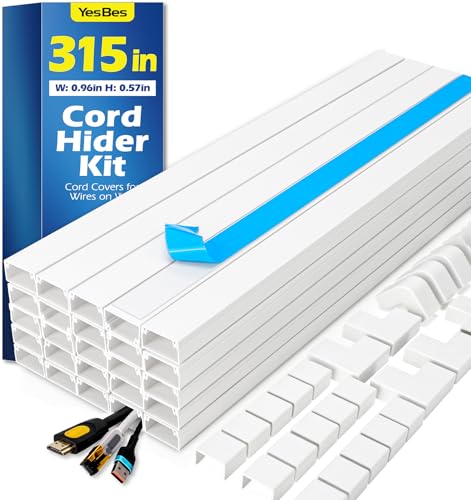



Understanding the Importance of Cable Management

Good cable management not only prevents theft but also minimizes the risk of damage to your audio equipment. Cables that are tangled or exposed can easily be snagged or tripped over, leading to wear and potential malfunction. By organizing and concealing cables, you not only safeguard your equipment but also extend its lifespan.
Moreover, effective cable management contributes to a cleaner, more organized appearance in your audio setup. A visually appealing space can enhance your overall audio experience, making it more enjoyable for both you and your guests. Well-managed cables can also make it easier to troubleshoot any technical issues that may arise, enabling swift resolutions without the clutter.
Creative Hiding Techniques
Concealing excess cables can effectively deter potential thieves and improve your space’s aesthetics. One popular method is to use decorative boxes or baskets. These can stylishly store cables while preventing them from being an eyesore. Opt for designs that blend seamlessly with your decor to maintain a cohesive look.
Another effective technique is to implement wall-mounted cable raceways. These raceways can be painted to match the wall color or designed to complement your interior style. They not only hide cables but also create a streamlined appearance, making your audio setup look more professional.
Utilizing Furniture for Concealment
Positioning your audio equipment behind furniture pieces can obscure visibility and deter theft. For instance, a media console or cabinet can hide both your equipment and its cables. Look for units that feature built-in cable management systems to keep everything organized.
Additionally, consider utilizing shelving units that can be closed off with doors. This not only protects your equipment from theft but also from dust and accidental damage. By carefully selecting furniture that serves a dual purpose, you can create a functional and secure audio environment.
Top Cable Management Solutions for Audio Equipment (2024)
| # | Solution | Ease of Use | Aesthetics | Cost |
|---|---|---|---|---|
| 1 | Cable Raceways | High | Good | $15-$30 |
| 2 | Cable Sleeves | Medium | Excellent | $10-$25 |
| 3 | Decorative Baskets | High | Very Good | $15-$50 |
| 4 | Cable Clips | High | Good | $5-$15 |
| 5 | Cable Boxes | Medium | Excellent | $20-$60 |
| 6 | Under-Desk Trays | High | Good | $15-$40 |
| 7 | Cable Management Kits | Medium | Very Good | $20-$100 |
Innovative Use of Wall Decor
Hiding cables doesn’t have to come at the expense of style. Wall art can serve a dual purpose by effectively concealing wires running along your walls. For example, hanging large pieces of artwork or wall panels can create an eye-catching focal point while also camouflaging unsightly cables.
Another inventive solution is to use fabric wall hangings or tapestries. These can be draped over sections of your wall where cables are visible, providing a soft texture that can enhance your room’s ambiance. Choose colors and designs that match your decor to ensure cohesion while cleverly hiding cables.
Most Effective Cable Concealment Techniques (2024)
Securing Cables with Locks and Fasteners
To further enhance the security of your audio equipment, consider using cable locks. These devices can secure valuable equipment directly to furniture, making it challenging for thieves to steal items on the spot. Many cable locks are designed to blend in with your setup, ensuring that they do not detract from the overall aesthetic.
In addition to locks, adhesive cable clips can be employed to anchor wires in place. By securing cables to walls or furniture, you make them difficult to remove, adding another layer of protection. This technique also helps to maintain your setup’s neat appearance.
Regular Maintenance and Monitoring
Regularly checking your setup for loose cables is essential for maintaining security. Loose cables can be more easily accessed by potential thieves, so keeping everything tight and secure is critical. Implementing periodic checks can help you identify and address any vulnerabilities in your cable management system.
Additionally, consider installing a surveillance camera in your audio area. This not only acts as a deterrent for potential thieves but also allows you to monitor your setup remotely. With technology evolving rapidly, many cameras can now offer real-time alerts and recordings, providing peace of mind while protecting your investment.
By implementing these strategies, you can significantly reduce the risk of audio equipment theft while maintaining an attractive environment. Remember, taking proactive steps to hide and secure your cables is essential for protecting your investment. Start today by assessing your current setup and applying these tips to enhance security.
Frequently Asked Questions
What are the best methods to hide cables and wires to prevent audio equipment theft?
The best methods to hide cables and wires include using cable management systems like raceways, cable sleeves, or conduit. Additionally, you can run cables behind furniture or within walls to keep them out of sight. Using decorative elements, such as plants or artwork, can also help camouflage exposed wires, making it more difficult for potential thieves to identify valuable equipment.
How can I secure my audio equipment from theft while hiding the cables?
To secure your audio equipment while hiding cables, consider using lockable cabinets or racks that conceal both the devices and their wiring. Additionally, employing cable locks can physically secure your equipment, while strategically placed furniture can obstruct views of wires, making it less tempting for thieves. Always ensure that the cable management solutions you choose don’t compromise the functionality of your audio setup.
Why is it important to hide cables and wires in my audio setup?
Hiding cables and wires in your audio setup is crucial for several reasons, including enhancing aesthetics and reducing the risk of tripping hazards. Moreover, concealed cables make it harder for thieves to notice valuable equipment, thus decreasing the likelihood of theft. An organized and tidy setup also minimizes wear and tear on cables, prolonging the life of your audio gear.
Which tools do I need to effectively hide and manage cables for audio equipment?
To effectively hide and manage cables for audio equipment, you will need tools such as cable ties, adhesive cable clips, and cable management sleeves. For more permanent solutions, consider a drill for installing raceways or conduit. Additionally, a cable tester can help ensure that all connections remain functional while you organize and conceal your wiring.
What are some DIY solutions for hiding audio cables without professional help?
Some effective DIY solutions for hiding audio cables include using common household items like binder clips to group cables together, or employing old fabric or decorative boxes to create a makeshift cable organizer. You can also paint cables to match your walls or furniture, blending them into the background. Simple tricks like routing cables under carpets or behind baseboards can provide a clean look while deterring potential theft.
References
- Cable management
https://en.wikipedia.org/wiki/Cable_management - Google Scholar Google Scholar
https://scholar.google.com/scholar?q=how+to+hide+cables+and+wires - https://www.sciencedirect.com/topics/engineering/cable-management
https://www.sciencedirect.com/topics/engineering/cable-management - https://www.ncbi.nlm.nih.gov/pmc/articles/PMC5609408/
https://www.ncbi.nlm.nih.gov/pmc/articles/PMC5609408/ - https://www.ncbi.nlm.nih.gov/pmc/articles/PMC3831623/
https://www.ncbi.nlm.nih.gov/pmc/articles/PMC3831623/ - Google Scholar Google Scholar
https://scholar.google.com/scholar?q=preventing+audio+equipment+theft - https://www.bbc.com/future/article/20210922-why-we-must-stop-our-data-from-getting-stolen
https://www.bbc.com/future/article/20210922-why-we-must-stop-our-data-from-getting-stolen - https://www.theguardian.com/technology/2022/dec/01/how-to-secure-your-tech-in-the-home
https://www.theguardian.com/technology/2022/dec/01/how-to-secure-your-tech-in-the-home - https://www.nytimes.com/2020/10/12/technology/personaltech/home-security.html
https://www.nytimes.com/2020/10/12/technology/personaltech/home-security.html - Google Scholar Google Scholar
https://scholar.google.com/scholar?q=How+to+Hide+Cables+and+Wires+to+Prevent+Audio+Equipment+Theft