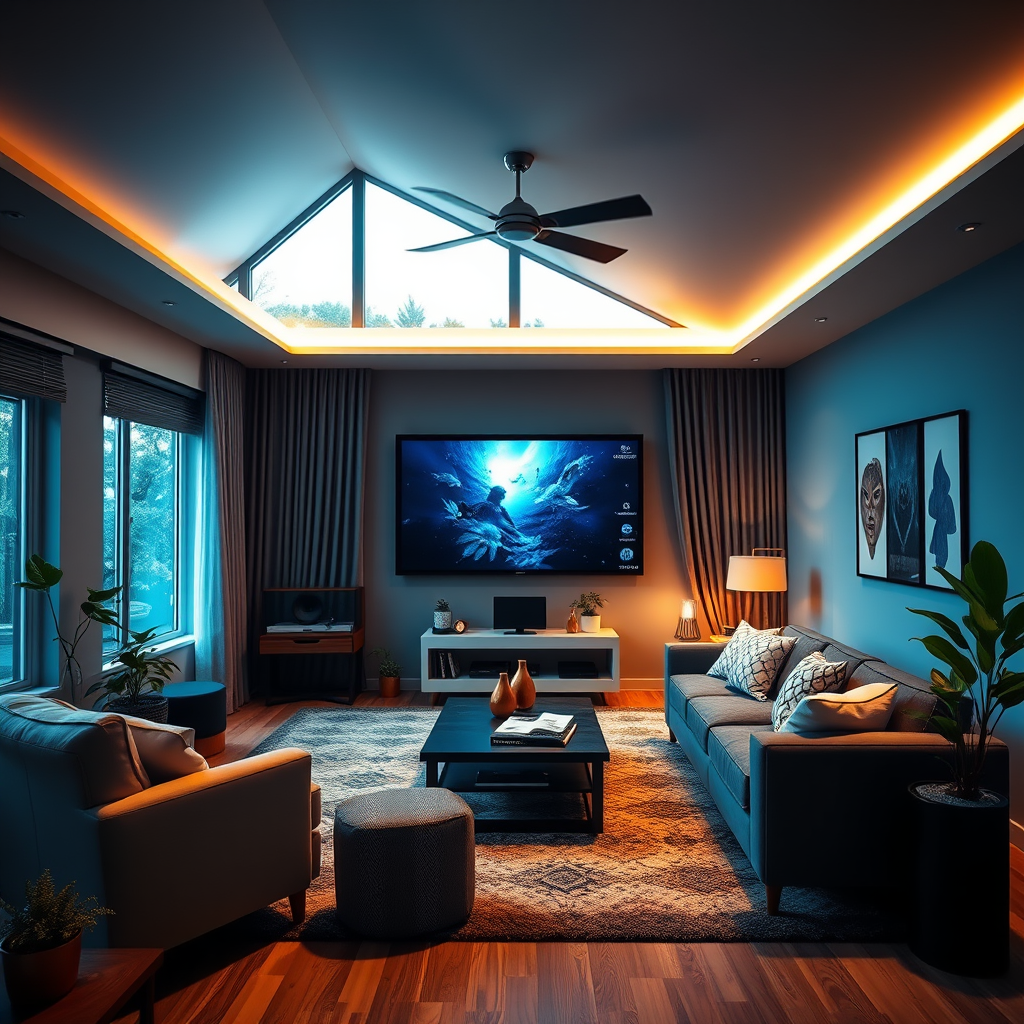

Setting up your home theater for better dialogue clarity involves careful placement of speakers, adjusting audio settings, and optimizing your room acoustics. By following a few essential tips, you can enhance the listening experience and ensure that dialogue is crisp and clear, making movie nights more enjoyable.
Understanding the Importance of Dialogue Clarity
Clear dialogue is essential for an enriching viewing experience, as it enhances emotional engagement and allows viewers to connect with the story and characters. When dialogue is muddled or difficult to hear, it can lead to frustration and missed plot points, detracting from the narrative’s overall impact. The importance of dialogue clarity cannot be overstated; it is often the linchpin that holds the viewer’s attention and immerses them in the cinematic world. In a well-balanced audio setup, dialogue should be easily distinguishable from background sounds and music, allowing for a more cohesive and enjoyable experience.
Speaker Placement for Best Results
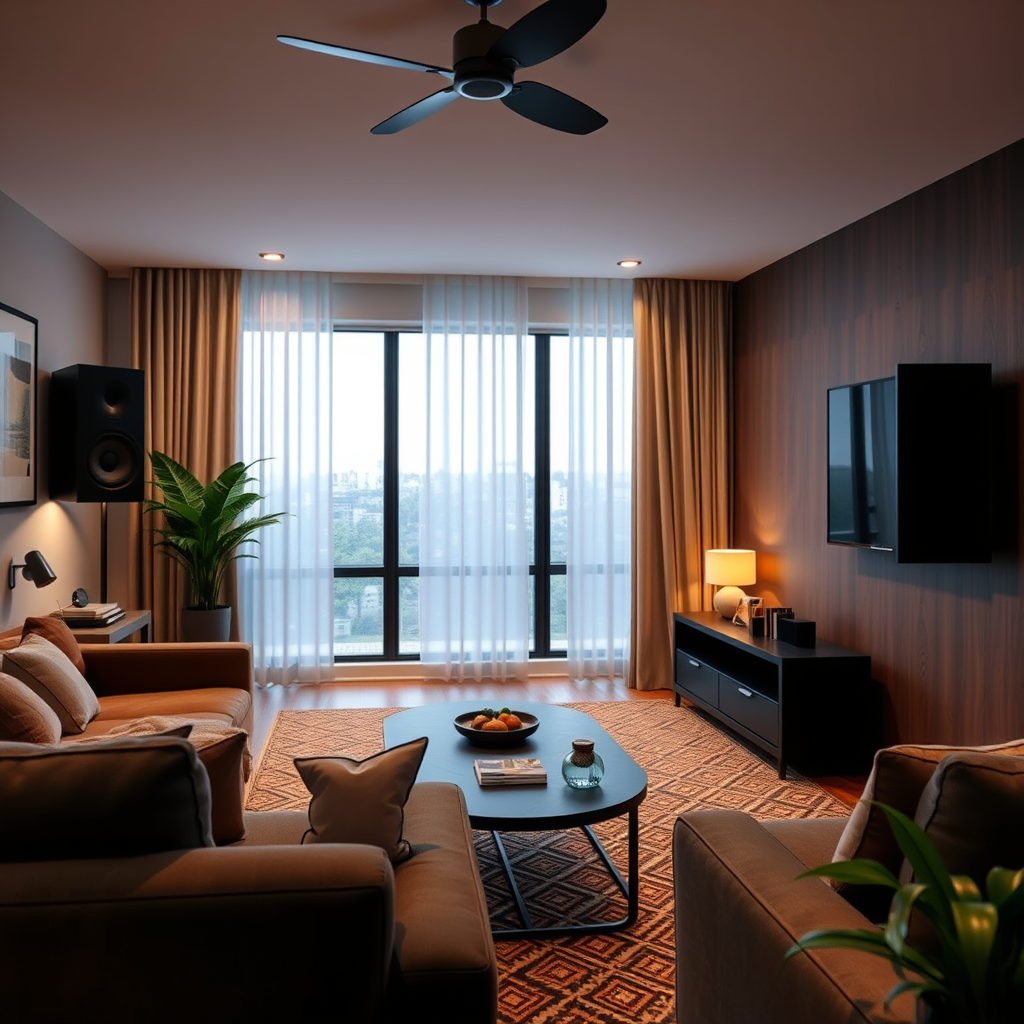
Effective speaker placement is crucial for achieving optimal dialogue clarity. Front speakers should be positioned at ear level—ideally, this means that the tweeters, which are responsible for high frequencies like dialogue, should be aligned with the listener’s ears when seated. This positioning helps ensure that sound waves reach the listener directly, minimizing distortion and maximizing clarity.
Additionally, utilizing surround sound speakers can create an immersive audio environment that supports dialogue. Placing surround speakers at an appropriate height and angle can help to envelop the viewer in sound, making dialogue more impactful. For instance, placing surround speakers slightly above ear level and angled toward the listening position can enhance the spatial quality of the audio, making it feel more realistic and engaging.
Adjusting Audio Settings
Once your speakers are positioned correctly, the next step is to adjust your audio settings for optimal dialogue clarity. Most modern receivers come equipped with an equalizer that allows you to adjust the frequency response of your audio system. To enhance dialogue clarity, consider boosting the mid-range frequencies, typically between 1 kHz and 4 kHz, where most dialogue resides.
In addition to equalization, experimenting with sound modes—such as “Dialogue,” “Movie,” or “Music”—can also help. These modes often come with pre-set adjustments that optimize audio playback for different types of content. For example, the “Dialogue” mode may enhance vocal frequencies while reducing the intensity of background music and sound effects, making it easier to focus on what’s being said.
Top 7 Sound Settings for Dialogue Clarity
| # | Setting | Frequency Boost | Best For |
|---|---|---|---|
| 1 | Flat | 0 dB | General Listening |
| 2 | Dialogue Boost | +3 dB | Movies/TV Shows |
| 3 | Music Mode | +1 dB | Concerts |
| 4 | Movie Mode | +2 dB | Action Films |
| 5 | News Mode | +4 dB | Talk Shows |
| 6 | Sports Mode | +3 dB | Live Events |
| 7 | Podcast Mode | +5 dB | Audiobooks |
Room Acoustics and Treatment
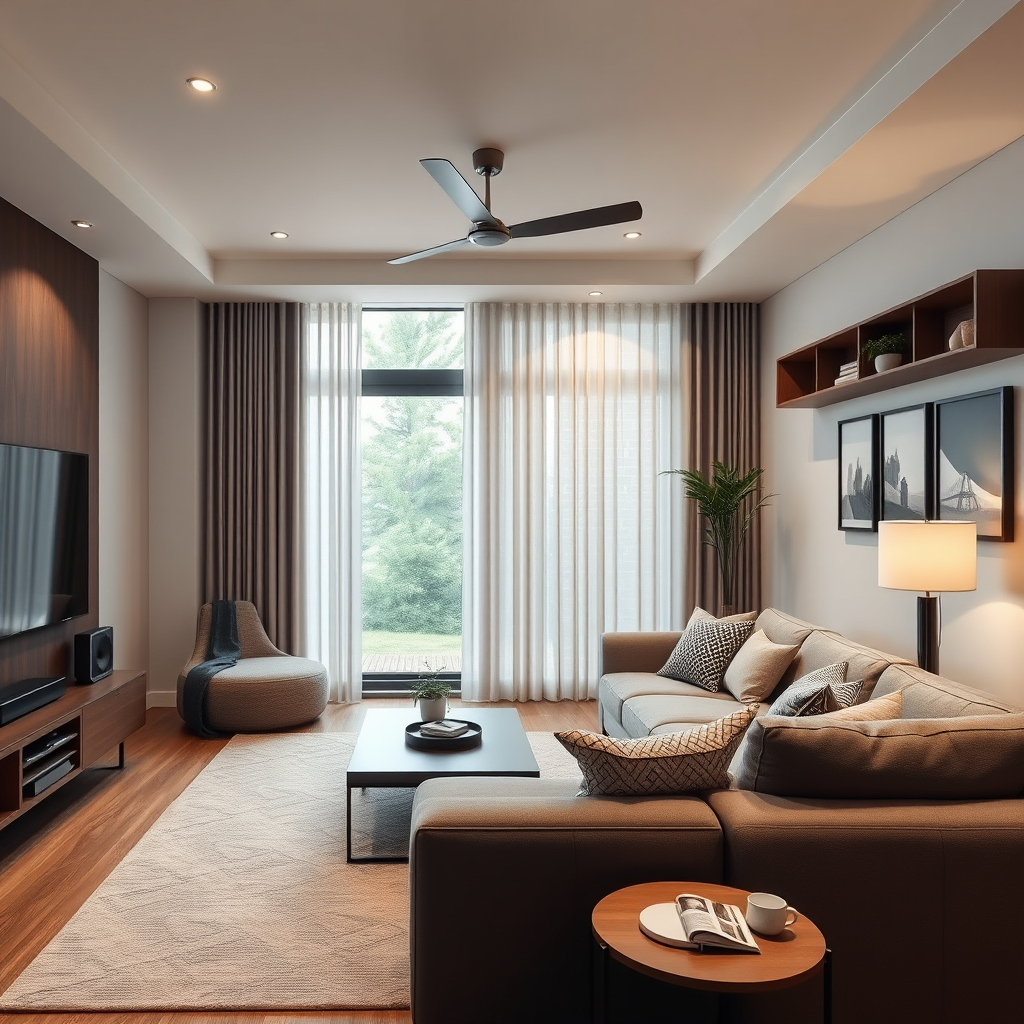
The acoustics of your room play a significant role in how sound is perceived. Hard surfaces, like walls and floors, can cause sound reflections that muddle dialogue clarity. To combat this, consider introducing soft furnishings into your home theater. Items like rugs, curtains, and upholstered furniture can absorb sound and reduce echoes, which is crucial for maintaining clarity in dialogue-heavy content.
Moreover, acoustic panels are an excellent investment for improving sound clarity and reducing background noise. These panels can be strategically placed on walls or ceilings to absorb excess sound reflections, creating a more controlled acoustic environment. A well-treated room not only enhances dialogue clarity but also improves the overall sound quality, making your home theater experience more enjoyable.
Room Acoustics Effectiveness
Using Subtitles and Closed Captions
In addition to optimizing your audio setup, utilizing subtitles and closed captions can significantly enhance your viewing experience. Subtitles provide a textual representation of dialogue, allowing you to follow along even if the audio is unclear due to poor mixing or background noise. This is particularly useful for foreign films or shows with heavy accents.
Closed captions go a step further by providing additional context, including descriptions of sound effects and music cues. This can be especially helpful for individuals with hearing impairments or those who prefer to understand every nuance of the audio. By enabling these features, you can ensure that no vital information is lost, allowing for a more immersive experience.
Testing and Fine-Tuning Your Setup
After making all necessary adjustments, it’s essential to test and fine-tune your setup to achieve the best possible dialogue clarity. Start by playing various content types—movies, TV shows, and documentaries—to assess how well dialogue comes through across different genres. Pay close attention to scenes with heavy dialogue, and make incremental adjustments to speaker positioning and audio settings based on your observations.
Recording your adjustments can help you remember what works best for your environment. It may also be beneficial to involve multiple listeners to gather feedback, as different people may have varying preferences for audio clarity. This iterative process will help you dial in the perfect sound for your home theater.
Regular Maintenance and Upgrades
Finally, regular maintenance and upgrades are critical for sustaining optimal dialogue clarity in your home theater. Periodically reassess your audio setup as your room or equipment changes. Factors like new furniture, room renovations, or even changes in speaker placement can affect audio performance.
If clarity issues persist despite adjustments, consider upgrading components like receivers, speakers, or even soundbars. Newer models often incorporate advanced technologies that can enhance sound performance and clarity. Staying informed on the latest audio technologies can ensure that your home theater remains at the forefront of sound quality.
In summary, enhancing dialogue clarity in your home theater is achievable through careful speaker placement, thoughtful audio settings, and optimizing room acoustics. By implementing these strategies, you can significantly improve your viewing experience, ensuring that every word is heard clearly and every story is engaging. Start assessing your current setup today, and make the necessary adjustments for clearer, more enjoyable audio.
Frequently Asked Questions
What are the best speaker placements for enhancing dialogue clarity in a home theater?
To enhance dialogue clarity, position your center speaker directly above or below your television screen, aimed at ear level when seated. Side speakers should be placed equidistant from the center speaker and slightly angled towards the listening area. This arrangement helps create a cohesive soundstage, allowing dialogue to be clearer and more focused.
How can I adjust my sound settings to improve dialogue clarity in my home theater?
To improve dialogue clarity, access your receiver’s audio settings and increase the level of the center channel speaker. Additionally, consider enabling dialogue enhancement features, if available, and adjusting the equalizer settings to boost mid-range frequencies where voices are typically found. This will help ensure that dialogue stands out against background noise and sound effects.
Why is my home theater dialogue often drowned out by background sounds?
Dialogue can often be drowned out by background sounds due to poor speaker placement, imbalanced audio settings, or inadequate room acoustics. If your speakers are misaligned or if the center channel is too quiet compared to other channels, it can lead to a muddled sound experience. Addressing speaker positioning and adjusting sound settings can significantly enhance clarity.
Which audio formats are best for improving dialogue clarity in movies?
Formats like Dolby Atmos and DTS:X are excellent for improving dialogue clarity, as they provide immersive sound experiences and allow for precise audio placement. Additionally, surround sound formats like 5.1 and 7.1 can enhance dialogue clarity by ensuring that the center channel, where most dialogue is delivered, is effectively utilized. Ensure your content is encoded in these formats for optimal results.
What room acoustic treatments can I implement for better dialogue clarity in my home theater?
To improve dialogue clarity, consider adding acoustic panels to absorb excess sound reflections that can muddle speech intelligibility. Carpets, curtains, and furniture also help reduce echo and improve sound quality. Strategically placing these treatments around the room, particularly on walls adjacent to the speakers, can significantly enhance your listening experience.
References
- https://www.sciencedirect.com/science/article/pii/S0001691817300864
https://www.sciencedirect.com/science/article/pii/S0001691817300864 - https://www.bbc.com/news/technology-51179205
https://www.bbc.com/news/technology-51179205 - https://www.theguardian.com/technology/2020/jan/19/how-to-set-up-a-home-theatre-for-better-sound
https://www.theguardian.com/technology/2020/jan/19/how-to-set-up-a-home-theatre-for-better-sound - https://www.nature.com/articles/s41598-021-92523-w
https://www.nature.com/articles/s41598-021-92523-w - https://pubmed.ncbi.nlm.nih.gov/29498819/
https://pubmed.ncbi.nlm.nih.gov/29498819/ - https://www.mayoclinic.org/healthy-lifestyle/consumer-health/in-depth/hearing-loss/art-20045548
https://www.mayoclinic.org/healthy-lifestyle/consumer-health/in-depth/hearing-loss/art-20045548 - Google Scholar Google Scholar
https://scholar.google.com/scholar?q=home+theater+dialogue+clarity - Google Scholar Google Scholar
https://scholar.google.com/scholar?q=improving+audio+dialogue+clarity+home+theater - Google Scholar Google Scholar
https://scholar.google.com/scholar?q=How+to+Set+Up+Your+Home+Theater+for+Better+Dialogue+Clarity - How to Set Up Your Home Theater for Better Dialogue Clarity – Search results
https://en.wikipedia.org/wiki/Special:Search?search=How+to+Set+Up+Your+Home+Theater+for+Better+Dialogue+Clarity