
To improve audio fidelity in your home audio system, start by optimizing your setup with quality components and careful placement. This article provides practical tips to elevate your listening experience, ensuring that you get the most out of your audio equipment. By focusing on speaker placement, investing in quality cables, enhancing room acoustics, upgrading source components, controlling your environment, utilizing equalization, and maintaining your equipment, you can transform your audio experience into something truly exceptional.
Optimize Your Speaker Placement
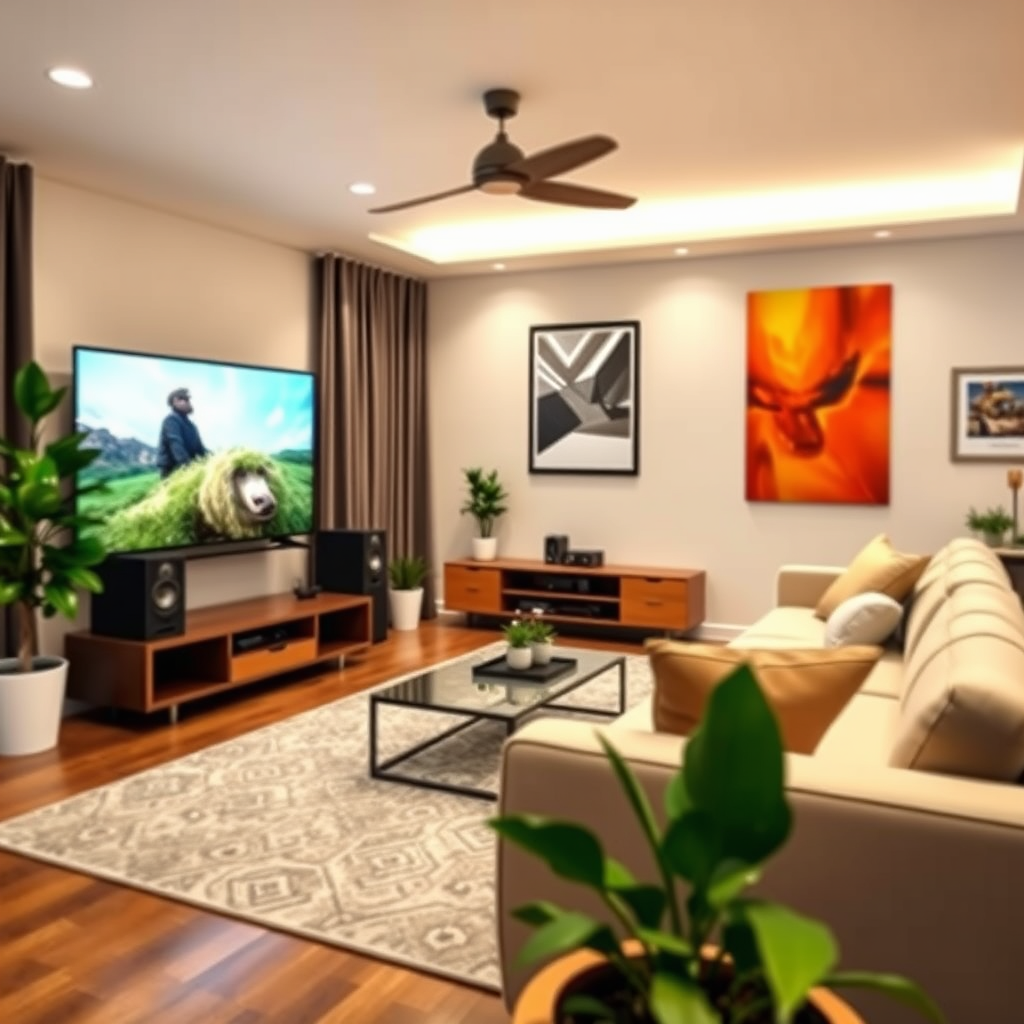
Positioning your speakers correctly is crucial for achieving the best sound quality. Here are some effective strategies to enhance your audio fidelity through speaker placement:
– Ear Level Alignment: Ensure that your speakers are positioned at ear level when seated. This alignment allows for optimal sound projection and a more immersive listening experience. When speakers are too high or too low, it can lead to uneven sound distribution, impacting clarity and detail.
– Equilateral Triangle Setup: Create an equilateral triangle between your speakers and listening position. This configuration allows for balanced audio, ensuring that both speakers deliver sound evenly to your ears. Ideally, the distance between the speakers should be the same as the distance from each speaker to the listening position.
Invest in Quality Cables
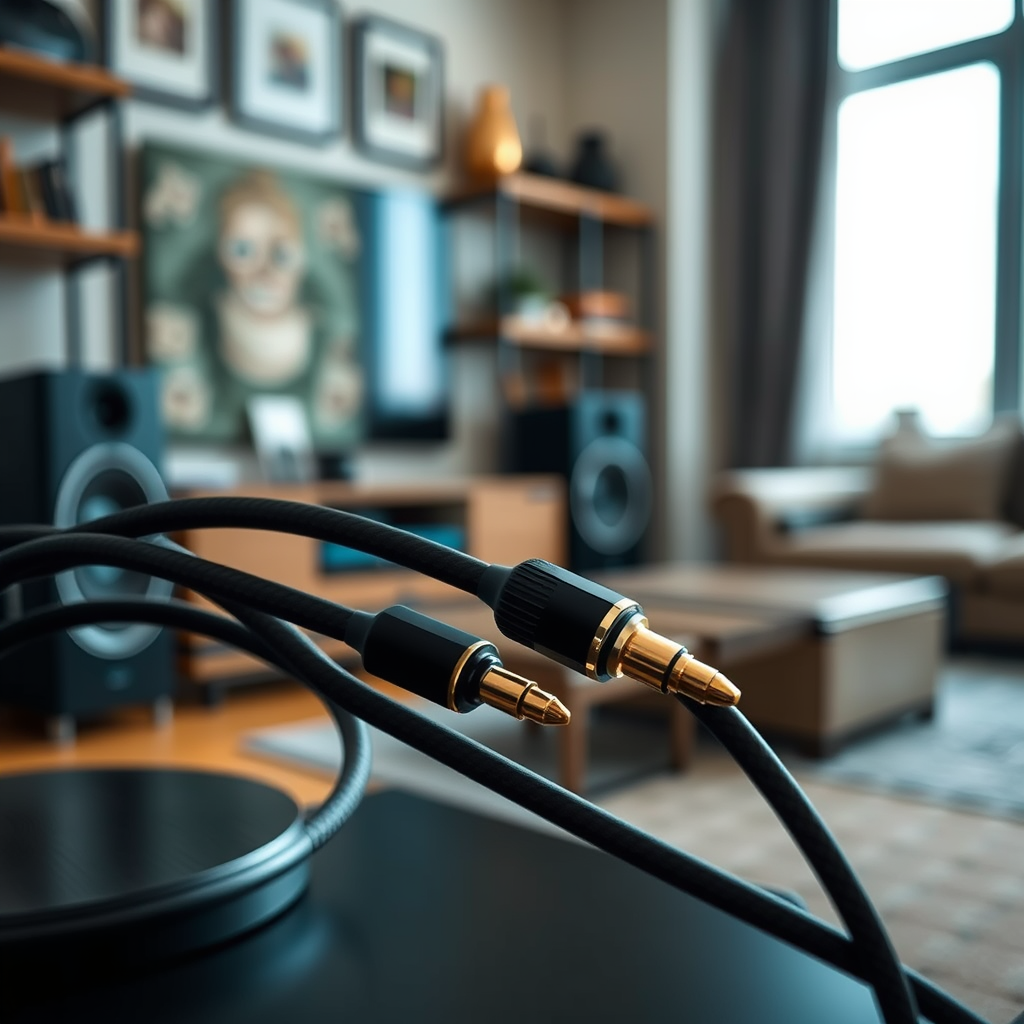
The role of cables in your audio setup cannot be understated. Investing in high-quality connections will significantly enhance the overall sound quality:
– Speaker Cables: Choose high-quality speaker cables that minimize interference and signal loss. Look for cables with thicker gauges, which can reduce resistance and improve audio performance, especially over longer distances.
– Digital Connections: Consider upgrading to optical or HDMI cables for digital connections. These cables can enhance clarity and reduce the risk of interference compared to standard RCA cables. Optical cables, in particular, are known for their ability to transmit high-quality audio without degradation.
Room Acoustics Matter
The acoustics of your room play a vital role in audio fidelity. Here are some practical tips to optimize your listening environment:
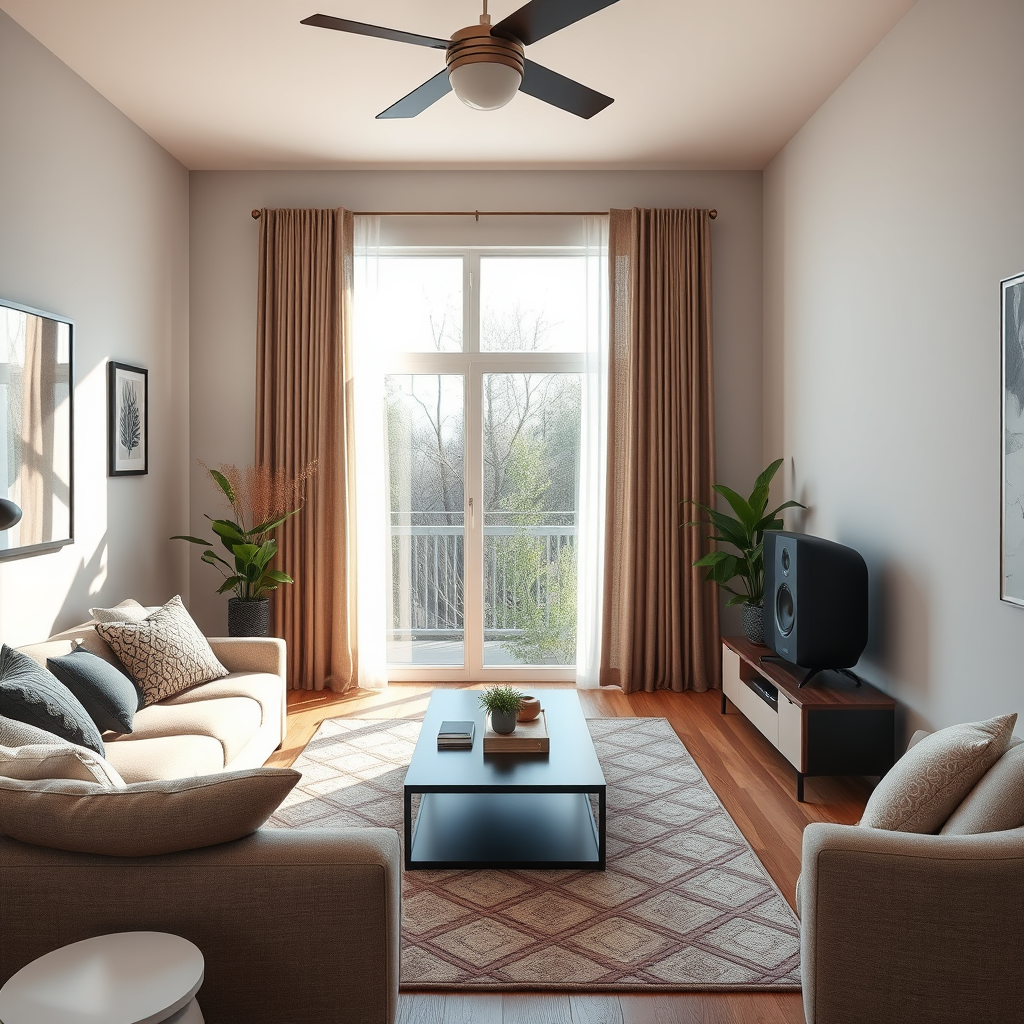
– Acoustic Treatments: Incorporate rugs, curtains, or acoustic panels to minimize sound reflections. Hard surfaces can cause echoes and muddiness in sound, so soft furnishings help absorb excess sound energy, enhancing clarity.
– Speaker Placement Considerations: Avoid placing speakers in corners, as this can lead to bass buildup and muddy sound. Instead, position them at least a few feet away from walls and corners to achieve better sound quality and spatial imaging.
Top 7 Speaker Brands by Audio Quality Ratings (2024)
| # | Brand | Audio Quality Rating | Price Range | Warranty |
|---|---|---|---|---|
| 1 | Bowers & Wilkins | 9.8/10 | $1,000 – $4,000 | 5 Years |
| 2 | Klipsch | 9.5/10 | $500 – $2,500 | 2 Years |
| 3 | Yamaha | 9.3/10 | $300 – $1,500 | 3 Years |
| 4 | Audioengine | 9.0/10 | $200 – $1,200 | 3 Years |
| 5 | Sonos | 8.8/10 | $300 – $1,800 | 2 Years |
| 6 | KEF | 8.5/10 | $600 – $3,000 | 3 Years |
| 7 | JBL | 8.2/10 | $100 – $1,000 | 1 Year |
Upgrade Your Source Components
The source components of your audio system are critical to its overall performance. Upgrading these components can lead to significant improvements in sound quality:
– High-Resolution Audio Players: Investing in a high-resolution audio player can dramatically enhance sound quality. These players are designed to reproduce audio with greater detail and fidelity, surpassing standard CD-quality playback.
– Digital-to-Analog Converters (DACs): Utilizing a high-quality DAC can improve audio playback clarity. Many built-in DACs in devices can be subpar, so an external DAC can often provide a more dynamic and accurate sound experience, especially when streaming high-resolution music files.
Control Your Environment
Controlling the environment in which you listen to music is equally important for optimal audio fidelity:
– Minimize Background Noise: Use soundproofing techniques or choose a quieter room for your audio setup. Reducing external noise can prevent distractions and help you focus on the nuances of your audio.
– Volume Management: Adjust volume levels to prevent distortion. Listening at excessively high volumes can cause clipping and distortion, which negatively impacts the overall audio experience. Aim for a comfortable listening level that allows for clarity and detail without strain.
Utilize Equalization Techniques
Equalization (EQ) can personalize your audio experience by tailoring the sound profile to your preferences:
– Using an Equalizer: An equalizer allows you to adjust the frequency response of your audio system. Experimenting with different settings can help you find the ideal sound profile that matches your taste and the acoustics of your room.
– Finding the Best Configuration: Take the time to test various EQ settings with different genres of music. This experimentation can lead to a more satisfying and immersive listening experience, enhancing your enjoyment of your audio system.
Regular Maintenance and Updates
Maintaining and updating your audio equipment is essential for longevity and performance:
– Keep Equipment Clean: Regularly clean your audio equipment to ensure optimal performance. Dust and dirt can accumulate on connections and components, leading to potential issues with sound quality.
– Firmware Updates: Stay informed about firmware updates for digital components. Manufacturers often release updates that enhance functionality and sound quality, so regularly check for updates to keep your equipment performing at its best.
Audio Fidelity Enhancements by Impact Level (2024)
By following these tips, you can significantly enhance the audio fidelity of your home audio system. Take the time to assess your current setup, implement these strategies, and enjoy a richer, more immersive listening experience. Whether you are an audiophile or a casual listener, the quality of your audio experience is paramount, and making these adjustments can lead to profound improvements in how you enjoy music, movies, and any audio content.
Frequently Asked Questions
What are the best practices for positioning speakers to improve audio fidelity in my home audio system?
Proper speaker placement is crucial for enhancing audio fidelity. Position your speakers at ear level when seated and ensure they are at least a few feet away from walls to reduce unwanted reflections. Experiment with angles, ideally creating an equilateral triangle between the speakers and your listening position, to achieve the best sound stage and clarity.
How can I reduce background noise to enhance audio fidelity in my home audio setup?
Reducing background noise is essential for improving audio fidelity. Consider using soundproofing materials, such as acoustic panels or thick curtains, to minimize external noise. Additionally, isolate your audio equipment from vibrations by using sturdy racks or isolation pads, which can significantly improve sound clarity.
Why is it important to use high-quality audio cables in my home audio system?
High-quality audio cables can make a noticeable difference in audio fidelity by minimizing signal loss and interference. Poor cables can introduce noise and degrade sound quality, while premium cables are designed to maintain the integrity of the audio signal. Investing in good cables ensures that you get the best performance from your audio equipment.
What are some effective ways to calibrate my home audio system for optimal sound quality?
Calibrating your home audio system involves adjusting settings to match your room’s acoustics and your personal preferences. Use a sound level meter to balance speaker volumes and employ room correction software if available. Additionally, consider adjusting equalizer settings to fine-tune frequencies that may need enhancement based on your listening environment.
Which audio formats should I use to achieve the best fidelity in my home audio system?
To achieve the best audio fidelity, choose lossless audio formats such as FLAC or WAV, which retain all original sound data without compression. Avoid lossy formats like MP3 when possible, as they can sacrifice audio quality. By using high-resolution audio files, you can ensure your home audio system delivers the richest and most detailed sound experience.
References
- Sound quality
https://en.wikipedia.org/wiki/Audio_quality - https://www.sciencedirect.com/topics/engineering/audio-quality
https://www.sciencedirect.com/topics/engineering/audio-quality - https://www.nature.com/articles/s41598-017-06182-6
https://www.nature.com/articles/s41598-017-06182-6 - https://www.bbc.com/future/article/20210113-how-to-make-your-home-audio-sound-better
https://www.bbc.com/future/article/20210113-how-to-make-your-home-audio-sound-better - https://www.audioholics.com/home-theater-education/home-audio-systems
https://www.audioholics.com/home-theater-education/home-audio-systems - Google Scholar Google Scholar
https://scholar.google.com/scholar?q=improving+audio+fidelity+home+audio+system - Google Scholar Google Scholar
https://scholar.google.com/scholar?q=audio+quality+improvement+techniques - Google Scholar Google Scholar
https://scholar.google.com/scholar?q=home+audio+system+optimization - Google Scholar Google Scholar
https://scholar.google.com/scholar?q=Tips+for+Improving+Audio+Fidelity+in+Your+Home+Audio+System - Tips for Improving Audio Fidelity in Your Home Audio System – Search results
https://en.wikipedia.org/wiki/Special:Search?search=Tips+for+Improving+Audio+Fidelity+in+Your+Home+Audio+System