Soundproofing is essential for improving audio quality, whether in a home studio, office, or any space where sound clarity matters. By implementing effective soundproofing techniques, you can drastically reduce unwanted noise and enhance the overall listening experience. In this article, you will learn various methods and materials to optimize your space for superior audio quality.




Understanding Soundproofing Basics
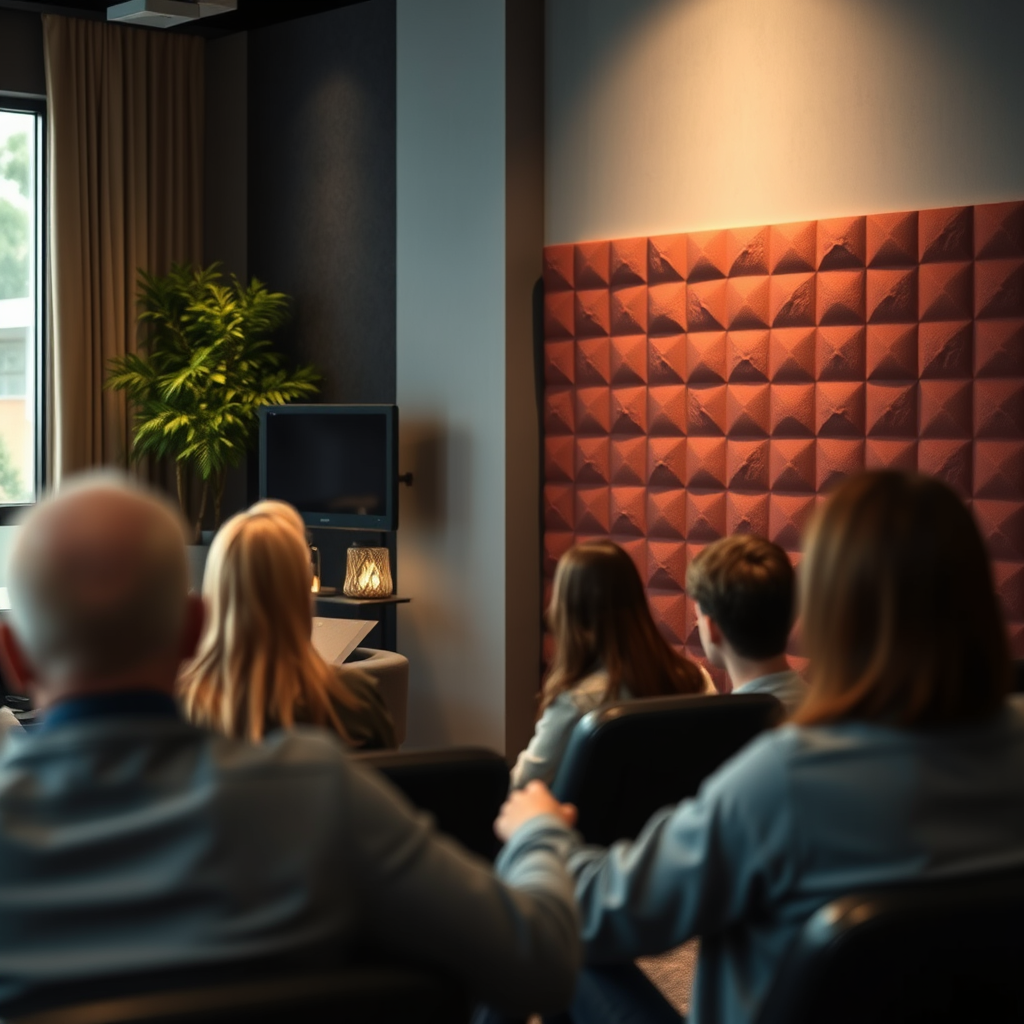
Soundproofing minimizes sound transmission between rooms and from outside sources, making it a crucial aspect of achieving high audio fidelity. The primary goal of soundproofing is to create an environment that prevents sound from leaking in or out, which can disrupt audio clarity and impact communication. It involves using specific materials and techniques that absorb sound waves, thereby reducing echo and reverberation. Understanding the basic principles of soundproofing will empower you to make informed decisions about the materials and methods that best fit your needs.
In essence, soundproofing can be understood through two key concepts: sound absorption and sound blocking. Sound absorption refers to the materials that soak up sound waves, effectively reducing reverberation. Sound blocking involves using dense materials that prevent sound from passing through walls, ceilings, and floors. Together, these concepts allow you to tailor your space for optimal audio performance.
Key Materials for Soundproofing
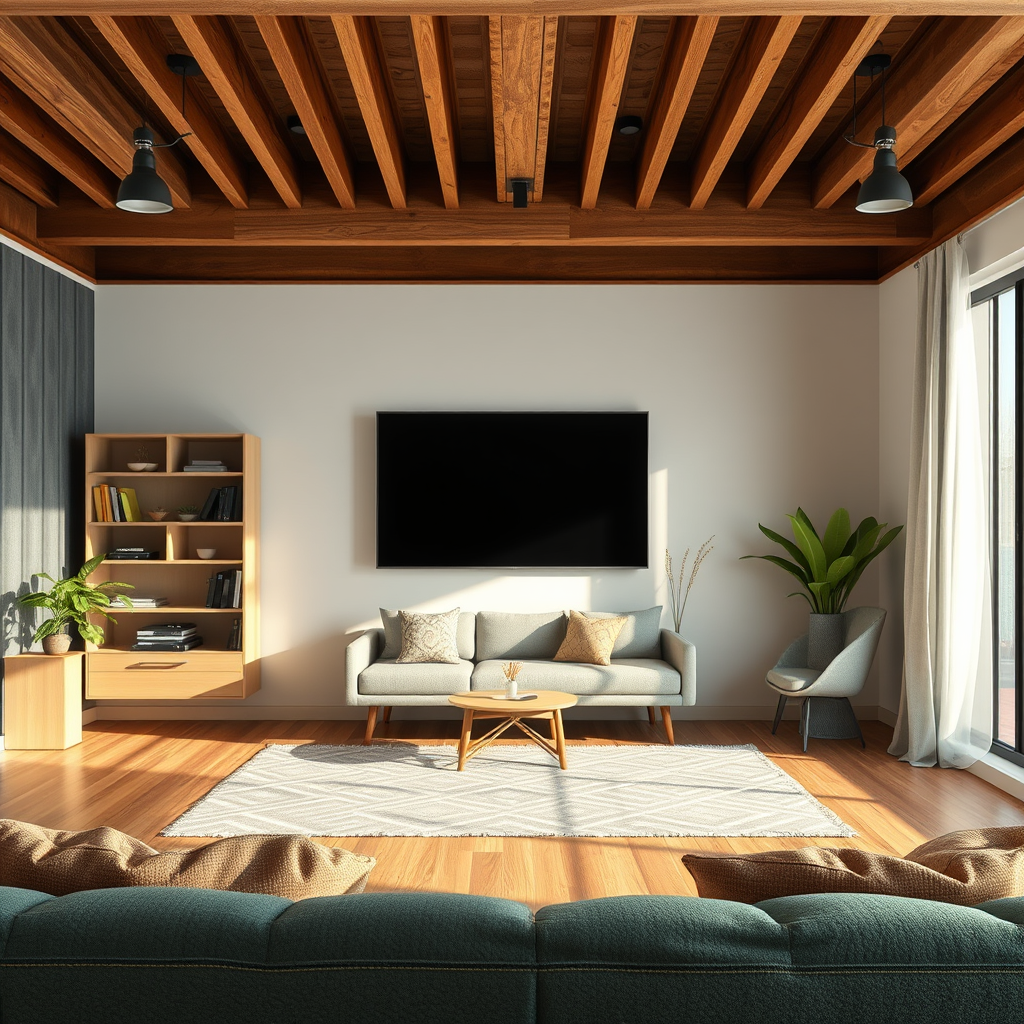
When it comes to soundproofing, the choice of materials plays a vital role in the effectiveness of your efforts. Here are some of the most commonly used materials:
– Acoustic Panels: These panels are designed to absorb sound waves and minimize echo. Made from materials like foam or fabric-wrapped fiberglass, they are effective in treating walls and ceilings. Acoustic panels can be strategically placed in areas where sound reflections are problematic, such as near corners or on flat surfaces.
– Mass-Loaded Vinyl (MLV): MLV is a heavy, flexible material that can be applied to walls, ceilings, and floors. Its density helps block sound transmission effectively. MLV is particularly useful in spaces where structural changes are not possible, making it an excellent choice for renters or temporary installations.
– Soundproof Drywall: This type of drywall incorporates additional layers of sound-dampening materials, making it more effective than standard drywall. Installing soundproof drywall can significantly reduce the noise that travels between rooms.
– Acoustic Insulation: Placing acoustic insulation in walls and ceilings can enhance soundproofing by adding mass and absorbing sound. Insulation materials like fiberglass or cellulose can be used to fill wall cavities, reducing sound transmission.
– Sealants and Caulks: Gaps and cracks in walls, ceilings, and floors can allow sound to leak through. Using high-quality sealants and caulks to fill these gaps is a simple yet effective way to enhance soundproofing.
– Floor Underlayment: For spaces with hard flooring, using soundproof underlayment can help reduce impact noise. This is particularly important in multi-level buildings where sound can travel between floors.
Identifying Common Soundproofing Issues
To effectively soundproof your space, it’s crucial to identify the primary sources of noise and the areas where sound leaks occur. Common sources of noise include:
– Traffic Noise: For those living in urban areas, the sound of cars, motorcycles, and public transport can be quite disruptive.
– Neighbor Sounds: In apartment complexes or shared buildings, sounds from adjacent units can seep through walls, particularly if they are not well-insulated.
– HVAC Systems: Air conditioning units and heating systems can generate substantial noise, impacting the overall sound quality in a room.
Once you have identified the sources of noise, assess the areas where sound leaks may occur, such as:
– Windows and Doors: Poorly sealed windows and doors allow external noise to enter and internal noise to escape.
– Thin Walls: In older buildings, walls may lack sufficient insulation, which allows sound to travel easily between rooms.
– Floors and Ceilings: Sound can travel through floors and ceilings, especially in multi-story homes or buildings.
Understanding these common issues will help you prioritize your soundproofing efforts effectively.
Common Sources of Noise in Residential Spaces (2023)
| # | Noise Source | Impact Level (1-10) | Frequency of Occurrence |
|---|---|---|---|
| 1 | Traffic Noise | 8 | High |
| 2 | Neighbor Sounds | 7 | Medium |
| 3 | HVAC Systems | 6 | High |
| 4 | Appliances | 5 | Medium |
| 5 | Construction Noise | 9 | Low |
| 6 | Party Noise | 7 | Medium |
| 7 | Pet Noise | 4 | High |
DIY Soundproofing Solutions
Implementing DIY soundproofing solutions can be an effective and cost-efficient approach to enhancing audio quality in your space. Here are some practical strategies you can employ:
– Heavy Curtains and Soundproofing Blankets: Covering windows with heavy curtains or soundproofing blankets can significantly absorb sound and reduce echo. These materials are especially helpful in bedrooms or home studios where outside noise can be distracting.
– Weatherstripping: Sealing gaps around doors and windows with weatherstripping is a straightforward way to prevent sound leakage. This method can be particularly beneficial for older homes where door frames may not fit tightly.
– Rugs and Carpets: Adding thick rugs or carpets can help dampen sound, especially on hardwood or tile floors. This helps reduce impact noise and creates a more enjoyable acoustic environment.
– Bookshelves and Furniture: Strategically placing bookshelves filled with books against shared walls can enhance sound absorption. Similarly, heavy furniture can act as natural sound barriers.
– DIY Acoustic Panels: Creating your own acoustic panels using materials like rock wool or acoustic foam can be a cost-effective solution. These can be mounted on walls to absorb sound and reduce echo.
– Soundproofing Putty: Applying soundproofing putty to electrical outlets and light switches can help seal gaps where sound may leak. This simple method can enhance the overall soundproofing of a room.
By utilizing these DIY methods, you can achieve significant improvements in your space’s audio quality without breaking the bank.
Professional Soundproofing Options
For those seeking more comprehensive soundproofing solutions, hiring professionals may be the best route. Here are some options to consider:
– Acoustic Engineers: Consulting with an acoustic engineer can provide tailored solutions based on your specific needs. They can conduct sound assessments and recommend appropriate materials and techniques to optimize your space.
– Soundproofing Contractors: Specialized contractors can execute complex soundproofing projects, ensuring that the work is done correctly and efficiently. They can handle everything from installing soundproof drywall to applying mass-loaded vinyl.
– Custom Solutions: Depending on your requirements, professionals can create customized soundproofing solutions, such as custom-built acoustic panels or specialized insulation systems that cater specifically to your space.
Investing in professional soundproofing services can yield substantial benefits, especially in environments where sound quality is paramount, such as recording studios or conference rooms.
Testing and Evaluating Audio Quality
Once you have implemented soundproofing measures, it is essential to evaluate the effectiveness of your efforts. Here are some methods to test audio quality:
– Conduct Audio Tests: Play audio tracks or test sounds at various volumes to assess clarity and identify any lingering noise issues. Pay attention to any distortion or echoes that may indicate areas needing further treatment.
– Use Sound Level Meters: Sound level meters or smartphone apps designed for measuring decibel levels can help quantify the improvements in your space. Take readings before and after soundproofing to gauge the effectiveness of your efforts.
– Listen for Changes: Sometimes, the best way to evaluate audio quality is through critical listening. Pay attention to how the sound feels in your space, noting any improvements in clarity and depth.
By systematically testing and evaluating your audio quality, you can ensure that your soundproofing measures have achieved the desired results.
Effectiveness of Soundproofing Methods (2023)
Maintaining Your Soundproofing Setup
To ensure that your soundproofing measures remain effective over time, regular maintenance is essential. Here are some tips to help you maintain your soundproofing setup:
– Regular Inspections: Periodically inspect soundproofing materials for signs of wear and tear. Acoustic panels may lose their efficacy over time, while weatherstripping can degrade and become ineffective.
– Cleaning: Dust and dirt can accumulate on soundproofing materials, affecting their performance. Regularly clean acoustic panels and similar materials to maintain their sound-absorbing properties.
– Updating Materials: As technology and materials evolve, consider updating your soundproofing setup with the latest products. Newer materials may offer enhanced performance or improved aesthetics.
– Reassessing Needs: Your soundproofing needs may change over time due to lifestyle changes or renovations. Reassess your space regularly to determine if additional soundproofing measures are required.
By taking a proactive approach to maintaining your soundproofing setup, you can ensure that your space remains optimized for superior audio quality.
Creating a soundproof environment is not merely a luxury; it is an investment in your overall audio experience. Whether you are recording music, conducting meetings, or simply enjoying your favorite media, effective soundproofing can dramatically enhance clarity and enjoyment. By understanding soundproofing basics, selecting the right materials, and employing both DIY and professional solutions, you can transform your space into an acoustically harmonious environment. Start assessing your space today, and take the necessary steps to optimize your audio quality for a more enjoyable experience.
Frequently Asked Questions
What are the best soundproofing materials to improve audio quality in my recording studio?
The best soundproofing materials include acoustic panels, soundproof foam, mass-loaded vinyl, and resilient channels. Acoustic panels absorb sound waves, reducing echoes and improving clarity, while mass-loaded vinyl adds density to walls, blocking sound transmission. For optimal results, consider a combination of these materials tailored to your specific space and soundproofing needs.
How can I effectively soundproof a home office to enhance audio quality during calls?
To soundproof a home office, start by sealing gaps around windows and doors with weather stripping or acoustic caulk. Adding thick carpets, heavy curtains, and sound-absorbing wall panels can significantly reduce noise and improve audio quality during calls. Additionally, positioning your desk away from noisy areas and using a high-quality microphone can further enhance sound clarity.
Why is soundproofing important for improving audio quality in spaces like home theaters?
Soundproofing is crucial for home theaters because it minimizes external noise interference, allowing for a more immersive viewing and listening experience. By preventing sound leakage, soundproofing also enhances the acoustics of your space, ensuring that audio from your speakers is clear and full-bodied. This leads to better overall enjoyment of movies and music.
Which soundproofing techniques are most effective for reducing noise in a small apartment?
Effective soundproofing techniques for a small apartment include using thick rugs or carpets, adding heavy drapes, and installing acoustic panels on walls and ceilings. Additionally, placing bookshelves filled with books against shared walls can act as a sound barrier. These methods collectively reduce noise transmission and improve the overall audio quality in your living space.
How do I know if my soundproofing efforts are improving audio quality in my space?
To assess the effectiveness of your soundproofing efforts, conduct a simple sound test by comparing audio clarity before and after installation. Play music or record your voice in the space and listen for echoes, background noise, and overall sound quality. If you notice a significant reduction in unwanted sounds and improved clarity, your soundproofing measures are likely working effectively.
References
- Soundproofing
https://en.wikipedia.org/wiki/Soundproofing - https://www.ncbi.nlm.nih.gov/pmc/articles/PMC6703014/
https://www.ncbi.nlm.nih.gov/pmc/articles/PMC6703014/ - https://www.sciencedirect.com/topics/engineering/soundproofing
https://www.sciencedirect.com/topics/engineering/soundproofing - https://www.acoustics.org/press/174th/acoustic-resources/soundproofing.html
https://www.acoustics.org/press/174th/acoustic-resources/soundproofing.html - https://www.nature.com/articles/s41598-020-75480-9
https://www.nature.com/articles/s41598-020-75480-9 - Google Scholar Google Scholar
https://scholar.google.com/scholar?q=soundproofing+improve+audio+quality - Google Scholar Google Scholar
https://scholar.google.com/scholar?q=soundproofing+techniques - Google Scholar Google Scholar
https://scholar.google.com/scholar?q=soundproofing+benefits - Acoustics | Definition, Physics, & Facts | Britannica
https://www.britannica.com/topic/acoustics - Google Scholar Google Scholar
https://scholar.google.com/scholar?q=How+to+Use+Soundproofing+to+Improve+Audio+Quality+in+Your+Space