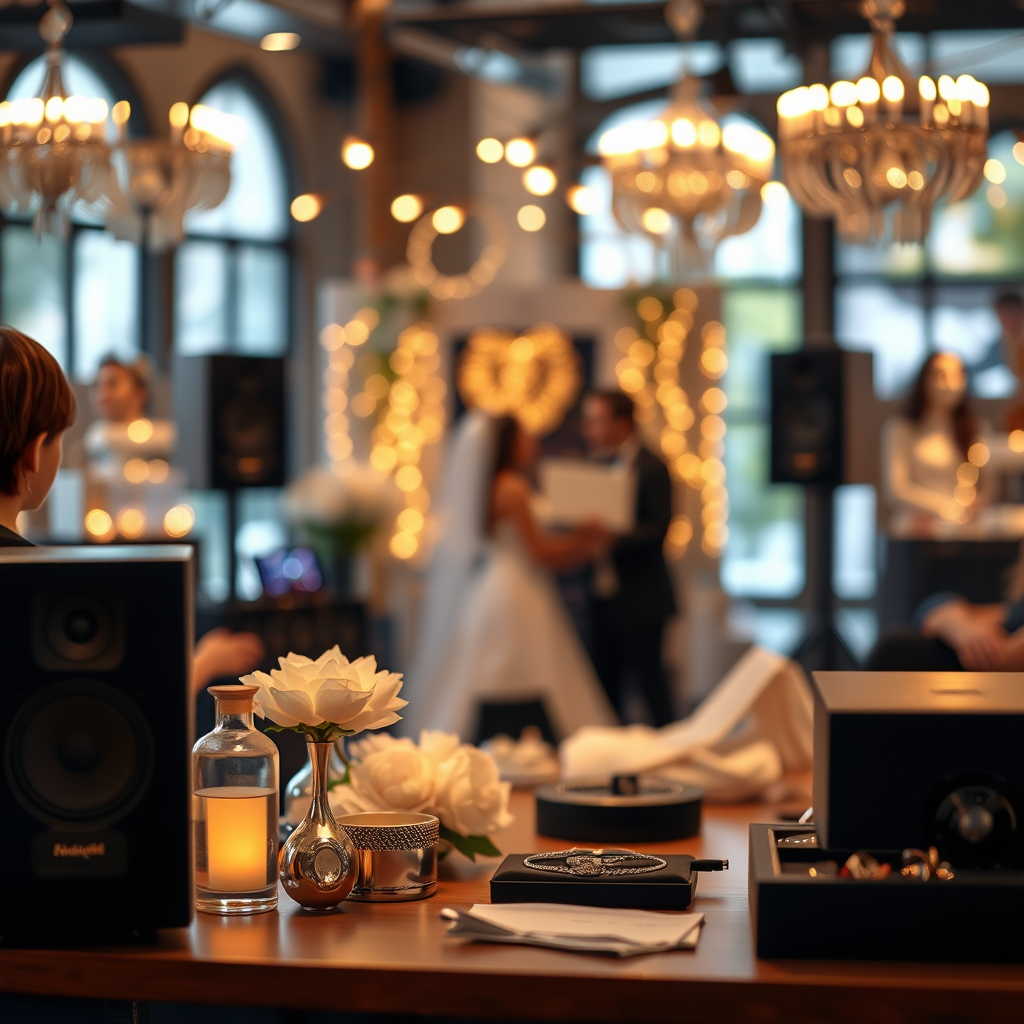
When planning a wedding or large gathering, selecting the right sound system is crucial for ensuring that every guest enjoys clear audio throughout the event. A quality sound system enhances the atmosphere, allowing for seamless speeches, engaging music, and memorable moments. This guide will provide you with the essential information needed to choose the best sound systems tailored to your specific needs, taking into consideration various budgets, venues, and audience sizes.




Understanding Your Venue Size
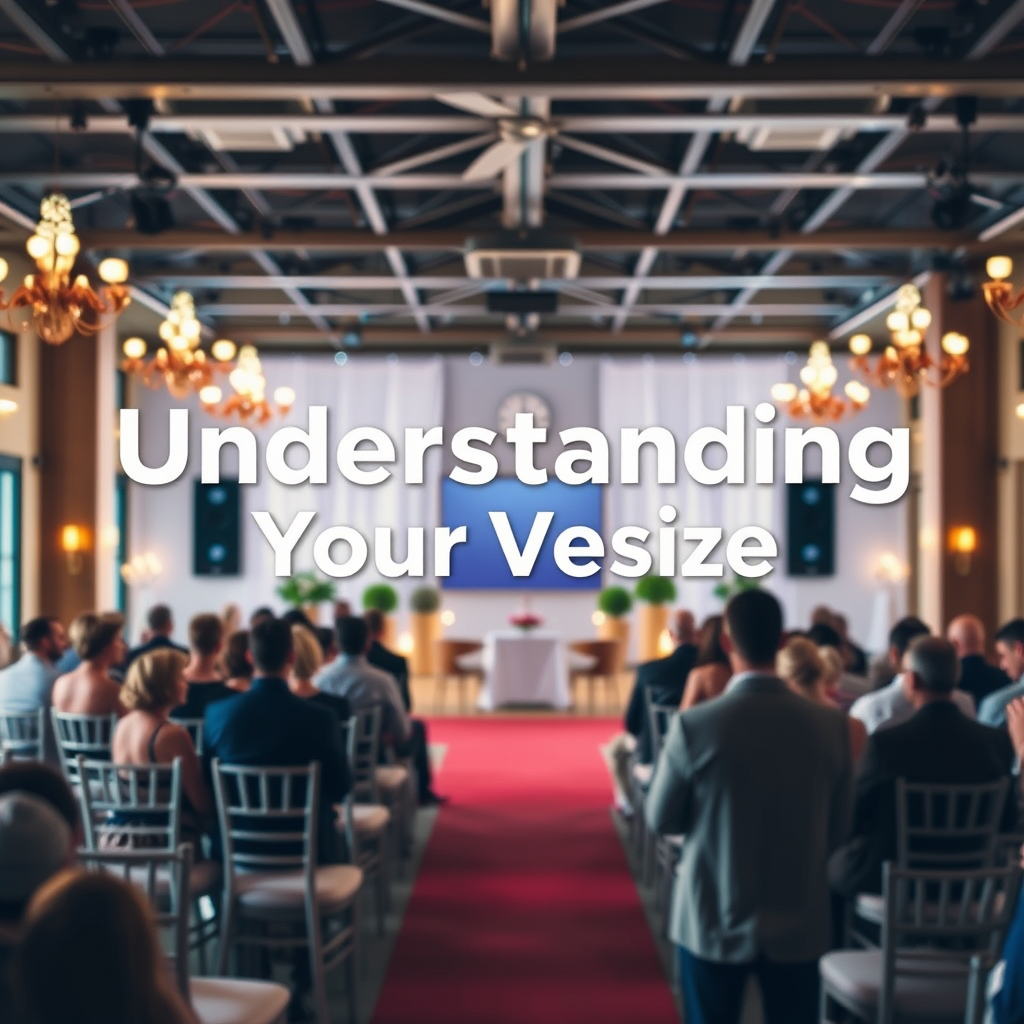
To optimize audio quality, it is essential to assess the dimensions and layout of your venue. Larger spaces may require multiple speakers or a more powerful sound system to ensure even sound distribution. For smaller venues, a portable PA system may suffice. Additionally, consider the acoustics of the space; venues with hard surfaces can cause echoes, while those with carpeting or drapes may absorb sound. Understanding these factors will help you determine the best setup to enhance sound clarity and volume.
Types of Sound Systems
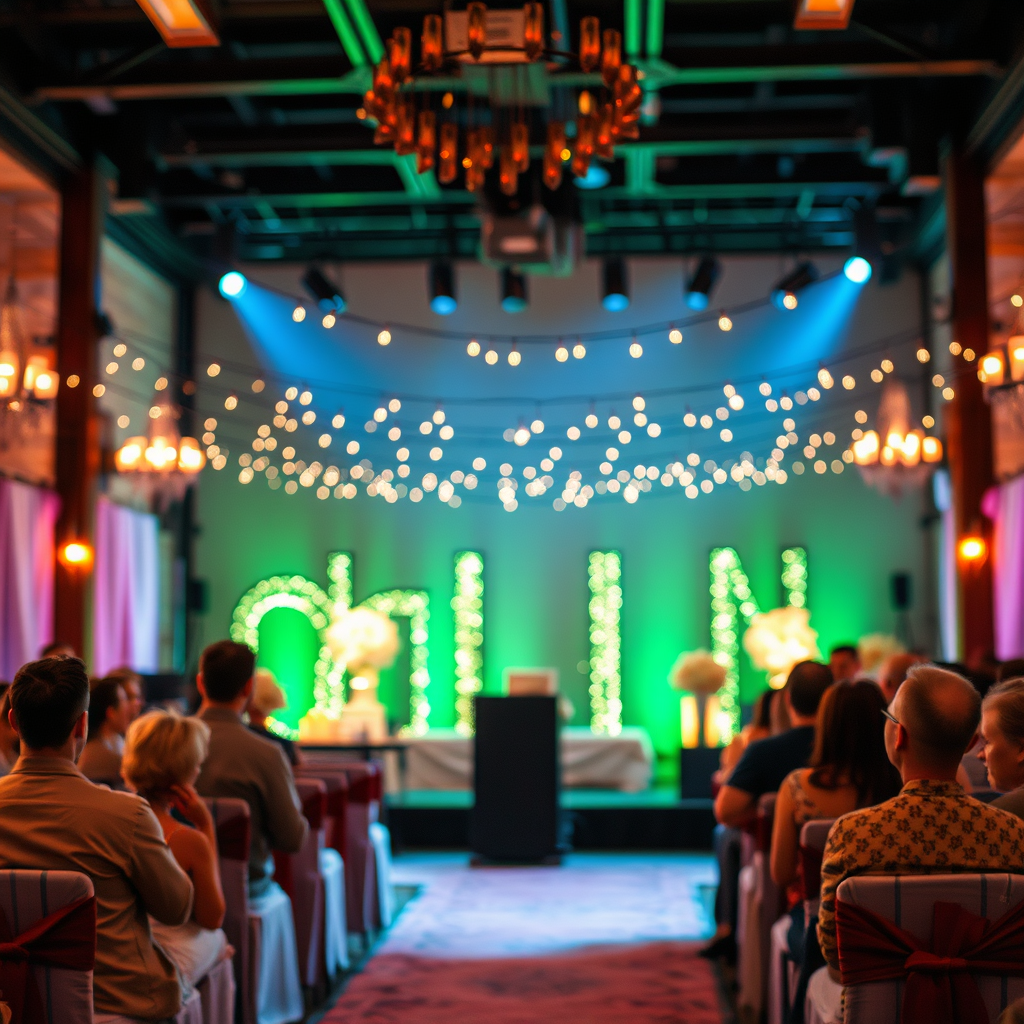
There are several types of sound systems to consider for your event:
– Portable PA Systems: These are compact, easy to transport, and ideal for small to medium-sized gatherings. They typically include a microphone and speakers, and some models offer Bluetooth connectivity for ease of use.
– Professional DJ Setups: Perfect for events with a significant focus on music, DJ setups often include high-quality speakers, mixers, and turntables. They are suitable for larger gatherings where high sound quality is paramount.
– Complete Sound Reinforcement Systems: Best for large venues, these systems consist of multiple components, including microphones, speakers, amplifiers, and mixers. They are designed to provide robust sound coverage and clarity across vast spaces.
Understanding the differences between active and passive speakers is also vital. Active speakers have built-in amplifiers, making them easier to set up, while passive speakers require external amplifiers but can offer better sound quality in larger setups.
Key Features to Look For
When choosing a sound system, prioritize the following features:
– Wireless Connectivity: This allows for easy setup and eliminates the clutter of cables, making it ideal for weddings where aesthetics matter.
– Battery Life: If your event is outdoors or in a location without power access, a sound system with a long battery life is essential.
– Ease of Setup: Look for systems that are user-friendly and can be set up quickly, especially if you are managing the event yourself.
– Built-in Mixers: Systems with built-in mixers can simplify audio control, allowing you to adjust levels and effects without additional equipment.
When evaluating sound systems, ensure they are compatible with external audio sources, such as smartphones or laptops, to facilitate music playback and microphone use during speeches.
Top Sound Systems for Weddings (2024)
| # | Brand | Model | Price | Best For |
|---|---|---|---|---|
| 1 | Bose | L1 Model II | $1,799 | Weddings |
| 2 | JBL | EON ONE Compact | $599 | Small Gatherings |
| 3 | Yamaha | STAGEPAS 600i | $749 | Larger Events |
| 4 | Mackie | SRM450 | $879 | DJ Events |
| 5 | Behringer | Eurolive B112D | $299 | Budget Events |
| 6 | QSC | K10.2 | $799 | High Quality |
| 7 | Samson | Auro D412 | $549 | Versatile Use |
Budget Considerations
Setting a realistic budget is key when selecting a sound system. Your budget should encompass not only equipment rental but also any necessary accessories, such as microphones, cables, and stands. It is advisable to allocate funds for potential costs associated with setup and technical support, particularly if you are not experienced in audio equipment.
To assist with budgeting, consider the cost of various sound system options, from affordable portable systems to high-end professional setups. Researching rental options can also provide significant cost savings, allowing you to access quality equipment without the full purchase price.
Hiring Professionals vs. DIY
One of the most critical decisions you will face is whether to hire a professional sound engineer or to set up the system yourself. Hiring a professional can ensure that everything runs smoothly, particularly for larger events where audio quality can make or break the experience. Professionals bring technical expertise, ensuring optimal placement of speakers and effective sound mixing.
On the other hand, the DIY approach can save money and provide more control over the setup. However, it requires a good understanding of sound systems and the ability to troubleshoot potential issues on the fly. Assess the complexity of your event and your technical expertise to make the best choice for your situation.
Maintenance and Setup Tips
To ensure your sound system operates flawlessly on the day of your event, consider the following tips:
– Test Equipment: Conduct a thorough check of all equipment before the event. Test microphones, speakers, and any other components to ensure they are functioning correctly.
– Have Backup Plans: Always have a backup plan in place, including spare microphones, batteries, or even a backup sound system if possible.
– Setup Early: Allow ample time for setup, ensuring you can address any unforeseen issues that may arise without feeling rushed.
By following these maintenance and setup tips, you can mitigate potential issues and create a smooth audio experience for your guests.
Sound System Setup Options
Selecting the right sound system for your wedding or large gathering is not only a practical decision but also one that significantly enhances the experience for all attendees. By understanding your venue, exploring various system types, and considering your budget, you can ensure that your event has the perfect audio backdrop. Take the time to research the recommended brands and models, and don’t hesitate to engage professionals if needed. A well-planned audio setup can turn a good event into an unforgettable experience.
Frequently Asked Questions
What are the key features to look for in a sound system for weddings and large gatherings?
When choosing a sound system for weddings and large gatherings, consider key features such as power output, portability, and sound clarity. Look for systems with at least 1000 watts for adequate coverage, multiple speaker options for even sound distribution, and wireless microphones for ease of use. Additionally, ensure compatibility with various audio sources like smartphones and laptops to accommodate different entertainment needs.
How much should I expect to spend on a quality sound system for my wedding?
The cost of a quality sound system for a wedding can range from $500 to over $5000, depending on the size of the venue and the complexity of the setup. For smaller gatherings, a mid-range system around $1000 to $2000 may suffice, while larger events may require professional-grade equipment. Factor in additional costs for setup and sound engineering services if you opt for a rental.
Why is hiring a professional sound engineer important for large events?
Hiring a professional sound engineer for large events like weddings ensures optimal sound quality and reliability. They have the expertise to set up, balance, and monitor the sound system throughout the event, addressing any issues in real-time. This professional touch can significantly enhance the overall experience for guests by delivering clear audio for speeches, music, and announcements.
Which brands are considered the best for sound systems suitable for weddings?
Some of the best brands for sound systems suitable for weddings include JBL, Bose, and QSC. JBL is known for its powerful speakers and durability, while Bose offers excellent sound quality in compact designs. QSC is favored for its reliability and professional-grade equipment, making them ideal choices for large gatherings.
What type of sound system is best for outdoor weddings?
For outdoor weddings, a robust portable sound system with battery-powered speakers is ideal to ensure clear audio without reliance on electrical outlets. Look for systems with weather-resistant features and a minimum power output of 1000 watts to combat environmental noise. Additionally, consider using directional speakers to focus sound and minimize disturbance to nearby areas.
References
- Sound system
https://en.wikipedia.org/wiki/Sound_system - https://www.sciencedirect.com/topics/engineering/sound-system
https://www.sciencedirect.com/topics/engineering/sound-system - https://www.bbc.com/news/technology-50740863
https://www.bbc.com/news/technology-50740863 - https://www.theguardian.com/music/2020/jun/02/the-best-sound-systems-for-outdoor-parties
https://www.theguardian.com/music/2020/jun/02/the-best-sound-systems-for-outdoor-parties - https://www.nytimes.com/2021/06/22/style/wedding-reception-sound-systems.html
https://www.nytimes.com/2021/06/22/style/wedding-reception-sound-systems.html - Google Scholar Google Scholar
https://scholar.google.com/scholar?q=Best+Sound+Systems+for+Weddings+and+Large+Gatherings - Google Scholar Google Scholar
https://scholar.google.com/scholar?q=Wedding+Sound+Systems - Google Scholar Google Scholar
https://scholar.google.com/scholar?q=Audio+Systems+for+Large+Gatherings - https://www.pubmed.ncbi.nlm.nih.gov/30454012/
https://www.pubmed.ncbi.nlm.nih.gov/30454012/ - https://www.britannica.com/topic/sound-system
https://www.britannica.com/topic/sound-system