
High-frequency audio loss can often be remedied by adjusting your audio settings or using specific equipment to enhance sound quality. This article outlines effective solutions to troubleshoot and eliminate these audio issues, ensuring a clearer and more enjoyable listening experience.
Understanding High-Frequency Audio Loss
High-frequency audio loss refers to the attenuation or absence of sounds at the higher end of the audio spectrum, typically above 2 kHz. This phenomenon can occur due to various factors, including poor speaker quality, inadequate audio settings, or issues with the audio source itself, such as compressed audio files that lack fidelity.
The impact of high-frequency audio loss is significant; it can degrade the overall sound quality, leading to a dull listening experience. Instruments like cymbals and high-pitched vocals may sound muted or indistinct, resulting in a less immersive experience for listeners. For audiophiles, this can be particularly frustrating, as it detracts from the nuances and details that high-frequency sounds can provide.
Identifying the Source of the Problem

To effectively address high-frequency audio loss, it is crucial first to diagnose the source of the issue. Start by determining whether the problem lies with your audio source (such as a computer or streaming service), your playback equipment (like speakers or headphones), or your audio settings.
A good approach is to use audio testing tools or apps to assess audio fidelity. For instance, you can play high-frequency test tones and listen for any loss or distortion. Additionally, consider conducting a simple isolation test by switching out components—use different speakers or headphones to see if the issue persists. If you notice that the problem resolves with a particular setup, you can pinpoint where the issue originates.
Adjusting Audio Settings
Improving high-frequency response often requires adjustments in audio settings. Here’s a step-by-step guide to optimizing your equalizer settings for better performance:
1. Access Equalizer Settings: Most audio playback software or devices come with built-in equalizers. Locate these settings in your audio software or hardware.
2. Boost High Frequencies: Increase the gain in the higher frequency ranges (typically above 2 kHz). This can enhance clarity and brightness in vocals and high-pitched instruments.
3. Test and Tweak: Play a variety of music genres to see how your adjustments affect sound quality. Make incremental changes and listen critically.
4. Update Drivers and Software: Ensure your audio drivers and playback software are up to date. Manufacturers often release updates that optimize performance and fix bugs related to audio playback.
By adjusting these settings, listeners can significantly improve their audio experience and mitigate high-frequency loss.
Top 7 High-Frequency Enhancing Equipment (2024)
| # | Equipment | Type | Frequency Response | Price |
|---|---|---|---|---|
| 1 | Bose SoundLink | Speaker | 20Hz – 20kHz | $199 |
| 2 | Sony WH-1000XM4 | Headphones | 4Hz – 40kHz | $349 |
| 3 | Audioengine A5+ | Speakers | 50Hz – 22kHz | $399 |
| 4 | Sennheiser HD 660S | Headphones | 10Hz – 41kHz | $499 |
| 5 | JBL Charge 5 | Speaker | 65Hz – 20kHz | $179 |
| 6 | Klipsch R-15PM | Speakers | 62Hz – 24kHz | $599 |
| 7 | Bowers & Wilkins PX7 | Headphones | 10Hz – 30kHz | $399 |
Equipment Solutions
To further enhance high-frequency audio reproduction, specific equipment can be instrumental. Here are some recommendations for high-frequency enhancing equipment:
1. Speakers: Look for speakers with a wide frequency response range. Brands like Bose, JBL, and Audioengine offer models that excel in high-frequency reproduction.
2. Headphones: High-end headphones, such as the Sony WH-1000XM4 and Sennheiser HD 660S, provide excellent high-frequency response, making them ideal for audiophiles.
3. Digital Signal Processors (DSPs): These devices can significantly improve audio clarity by manipulating audio signals to enhance high-frequency content. A DSP can be particularly beneficial in home theater setups or professional sound engineering.
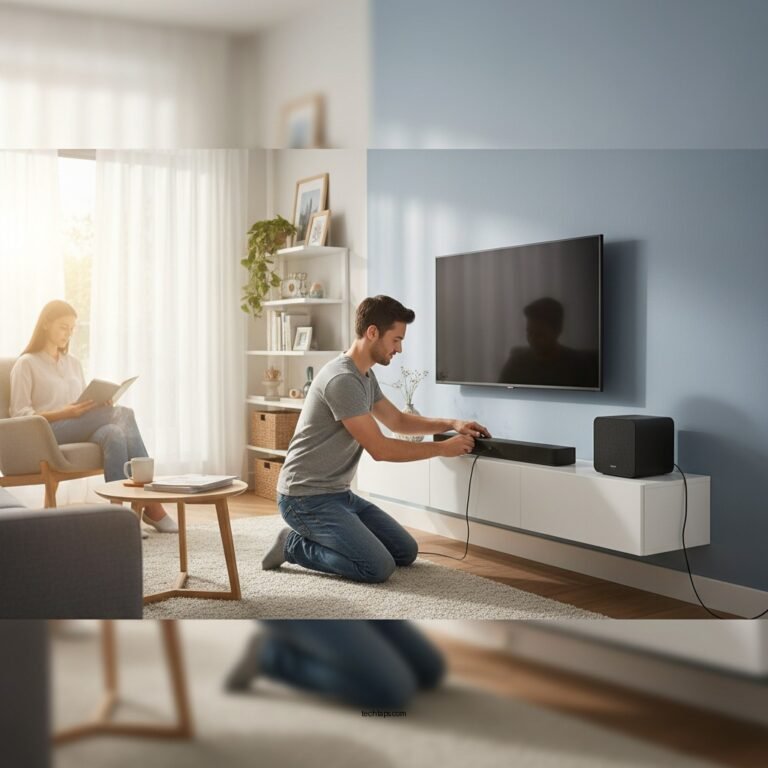
4. Soundbars: For those using TVs, soundbars with dedicated tweeters can enhance high-frequency output, providing a richer sound experience during movies and music.
Investing in quality equipment tailored for high-frequency clarity can dramatically alter your listening experience, allowing you to enjoy music and sound as intended.
High-Frequency Response of Various Speakers (2024)
Maintenance Tips for Audio Devices
Maintaining your audio devices is crucial for preserving sound quality and preventing high-frequency loss. Here are several maintenance tips:
1. Regular Cleaning: Dust and debris can accumulate on speakers and headphones, affecting sound quality. Regular cleaning using a soft cloth can help maintain optimal performance.
2. Check Connections: Inspect all cables and connections for wear and tear. Loose or damaged cables can lead to poor audio quality. Ensure that connections are secure and cables are in good condition.
3. Environmental Factors: Keep audio equipment in a controlled environment. High humidity or extreme temperatures can damage components and affect sound quality.
4. Software Maintenance: Regularly update your audio software and drivers. Outdated software can lead to compatibility issues that may affect sound fidelity.
Implementing these maintenance practices will not only prolong the life of your audio equipment but also enhance overall sound quality.
Seeking Professional Help
If you have followed the steps outlined and still experience persistent high-frequency audio loss, it may be time to consult with an audio technician or specialist. Professionals can provide in-depth diagnostics and recommend tailored solutions based on your specific equipment and usage needs.
When seeking professional help, consider looking for qualified technicians or audio specialists in your area. Online resources, such as audio forums and review sites, can provide recommendations for reputable services.
Professional assistance can resolve complex audio issues and ensure that your equipment is functioning at its best, allowing you to enjoy an optimal listening experience.
To achieve the best audio experience, it’s essential to address high-frequency audio loss through a combination of proper setup, equipment choices, and regular maintenance. By implementing these strategies, you can enhance your sound quality and enjoy a richer listening experience. Take action today, and if problems persist, don’t hesitate to seek professional assistance.
Frequently Asked Questions
What causes high-frequency audio loss in sound systems?
High-frequency audio loss can be caused by several factors, including poor speaker quality, improper speaker placement, and inadequate amplification. Additionally, the acoustics of the room, such as absorption by furniture or wall materials, can significantly impact high-frequency sound reproduction. Identifying the root cause is essential for effective resolution.
How can I fix high-frequency audio loss in my home theater system?
To fix high-frequency audio loss in your home theater system, start by adjusting the speaker placement to ensure they’re not obstructed and are at ear level. You might also consider upgrading to higher quality speakers or adding a soundbar to enhance clarity. Additionally, experimenting with equalizer settings can help boost high frequencies for a more balanced sound.
Why is high-frequency audio loss more noticeable in certain audio equipment?
High-frequency audio loss is often more noticeable in budget audio equipment due to lower-quality components that cannot accurately reproduce high frequencies. Furthermore, certain environments may exacerbate this issue, as reflective surfaces can interfere with sound clarity, making the loss more apparent in less capable systems. Upgrading to higher-end equipment or optimizing room acoustics can mitigate this problem.
What are the best practices for preventing high-frequency audio loss in studio recordings?
To prevent high-frequency audio loss in studio recordings, use high-quality microphones that capture a wide frequency range and position them correctly to avoid phase issues. Additionally, consider acoustic treatment for your recording space to reduce sound reflections and absorption. Regularly monitoring levels and utilizing proper mixing techniques will also help maintain audio fidelity.
Which tools can help diagnose high-frequency audio loss in sound systems?
Tools such as audio analyzers or frequency response measurement software can effectively diagnose high-frequency audio loss in sound systems. These tools allow you to visualize frequency response and identify problem areas. Additionally, using a calibrated microphone in conjunction with these tools can provide accurate readings, helping you make informed adjustments to your audio setup.
References
- https://www.ncbi.nlm.nih.gov/pmc/articles/PMC5080406/
https://www.ncbi.nlm.nih.gov/pmc/articles/PMC5080406/ - Anatomy, Back, Cervical Vertebrae – StatPearls – NCBI Bookshelf
https://www.ncbi.nlm.nih.gov/books/NBK459200/ - Amoxicillin Clavulanate – StatPearls – NCBI Bookshelf
https://www.ncbi.nlm.nih.gov/books/NBK538164/ - https://www.who.int/news-room/questions-and-answers/item/hearing-loss
https://www.who.int/news-room/questions-and-answers/item/hearing-loss - https://www.cdc.gov/nceh/hearing_loss/what_is_hearing_loss.html
https://www.cdc.gov/nceh/hearing_loss/what_is_hearing_loss.html - https://www.sciencedirect.com/science/article/pii/S2212267217300660
https://www.sciencedirect.com/science/article/pii/S2212267217300660 - https://www.britannica.com/science/hearing
https://www.britannica.com/science/hearing - Google Scholar Google Scholar
https://scholar.google.com/scholar?q=High-Frequency+Audio+Loss - Google Scholar Google Scholar
https://scholar.google.com/scholar?q=Hearing+Loss+Solutions - Google Scholar Google Scholar
https://scholar.google.com/scholar?q=High-Frequency+Hearing+Loss+Causes+and+Fixes