

Real-time detection of insider threats through AI technology is transforming how organizations protect sensitive information. By leveraging advanced algorithms, companies can identify unusual behavior patterns that may indicate internal risks, allowing for timely intervention. This proactive approach not only minimizes potential damage but also strengthens an organization’s overall security posture. In this article, you’ll discover how AI systems function, their benefits, and best practices for implementation.
Understanding Insider Threats
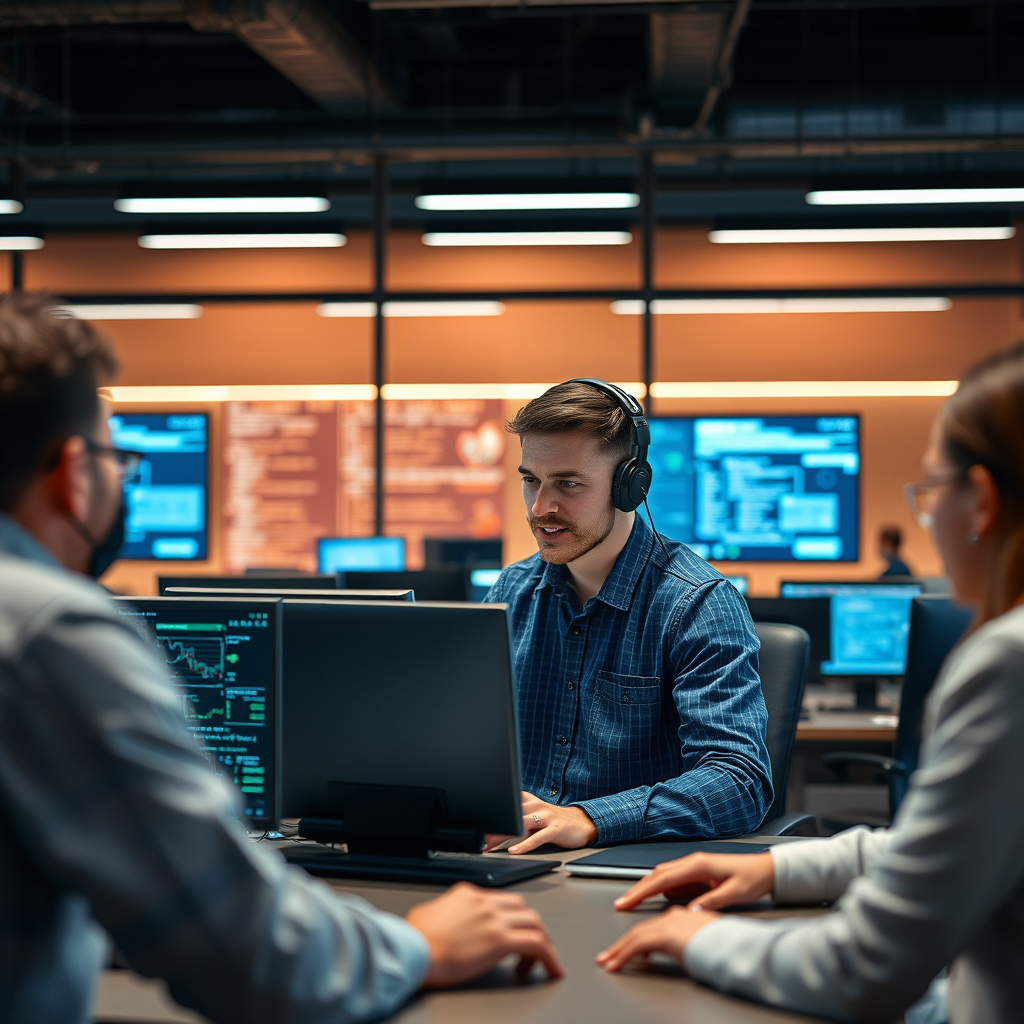
Insider threats are security risks that originate from within the organization, typically involving employees, contractors, or business partners who have access to sensitive information. These threats can manifest in various forms, ranging from unintentional data breaches to deliberate sabotage. The potential impact of insider threats can be devastating; they can lead to significant financial losses, reputational damage, and legal repercussions. For instance, a disgruntled employee might leak confidential information to a competitor, or an untrained employee could inadvertently expose sensitive data through a phishing attack.
Common examples of insider threats include data breaches, where sensitive customer or corporate data is accessed without authorization, and sabotage, where an employee intentionally damages systems or data integrity. These incidents highlight the need for organizations to remain vigilant and proactive in their security measures.
How AI Detects Insider Threats
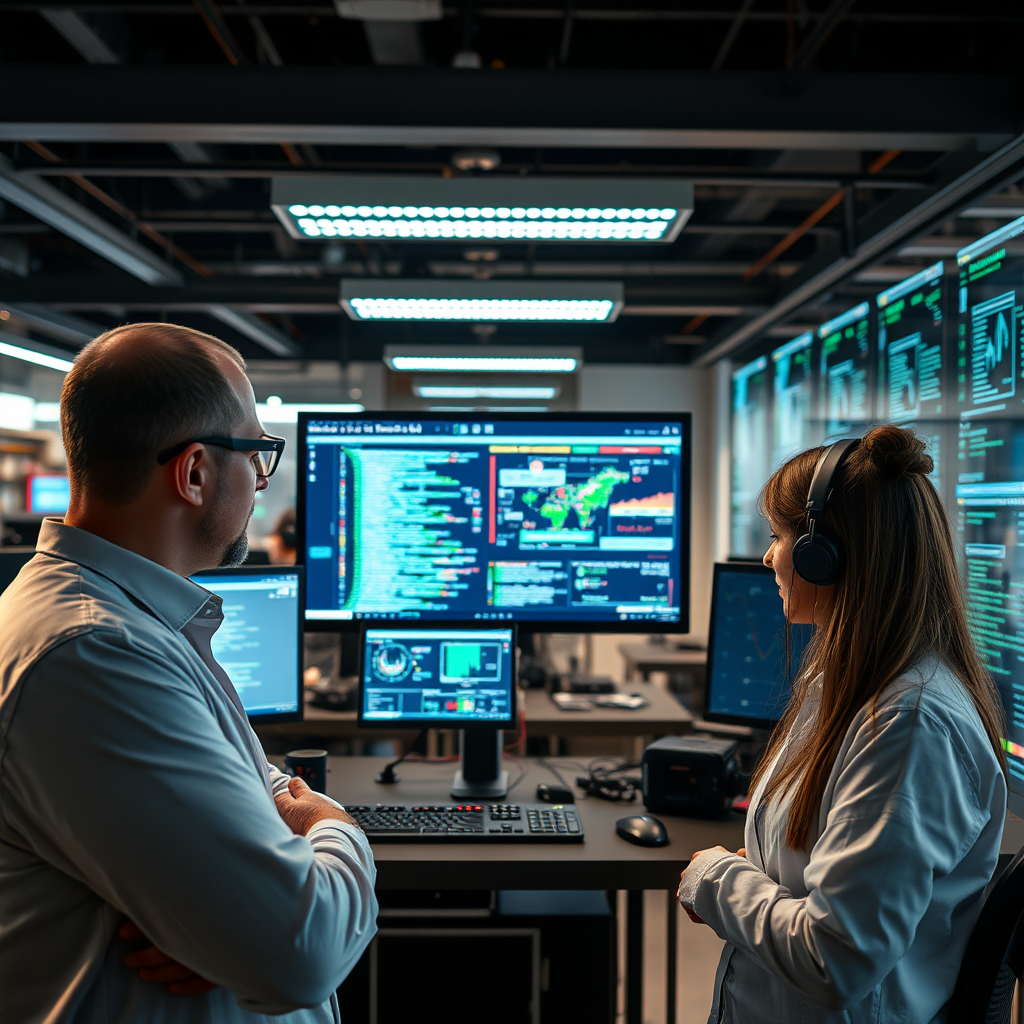
AI systems detect insider threats using sophisticated algorithms and machine learning techniques that analyze vast amounts of data to identify patterns and anomalies indicative of potential risks. Machine learning models can be trained to recognize normal user behavior, allowing the AI to flag any deviations from these established norms.
Data sources that AI analyzes include user behavior analytics (UBA), access logs, and communication patterns. For example, if an employee suddenly starts accessing files outside their usual scope or logging in at atypical hours, the AI can trigger alerts for further investigation. By continuously monitoring these data streams, AI systems can identify potential insider threats in real time, enabling organizations to act swiftly before any damage occurs.
Benefits of Real-Time Detection
The immediate response capabilities offered by AI-driven real-time detection are a game-changer for organizations facing insider threats. When unusual activity is detected, security teams can intervene almost instantly, minimizing potential damage and loss. For instance, if an AI system identifies a user downloading large volumes of sensitive data just before leaving the company, security personnel can step in to prevent data exfiltration.
Additionally, the continuous monitoring and analysis provided by AI enhance an organization’s security posture. With AI systems at play, organizations can shift from a reactive to a proactive security model. This means that rather than waiting for incidents to occur, companies can anticipate and mitigate risks before they escalate, fostering a culture of security awareness.
Challenges in Implementing AI Solutions
While AI presents numerous benefits, implementing these solutions is not without challenges. One significant concern is the occurrence of false positives, where legitimate user behavior is mistakenly flagged as suspicious. This can lead to unnecessary investigations and strain on security teams. Balancing the sensitivity of AI algorithms is crucial to minimize such occurrences while ensuring genuine threats are not overlooked.
Privacy concerns also pose a challenge. As organizations collect and analyze user data, they must navigate the complexities of data protection laws and employee privacy rights. Transparency about data usage and obtaining necessary consent can help alleviate some of these concerns.Moreover, the need for skilled personnel to manage and interpret AI findings cannot be overstated. Organizations must invest in training and retaining cybersecurity professionals who understand how to work with AI systems effectively and can respond appropriately to the insights generated.
Best Practices for Deploying AI Systems
To successfully integrate AI into existing security frameworks, organizations should follow several best practices. First, a thorough assessment of current security measures is essential to identify where AI can enhance existing processes. This involves understanding the specific insider threats the organization faces and tailoring the AI system accordingly.
Next, it’s crucial to involve stakeholders from different departments, as a collaborative approach can lead to more comprehensive security solutions. Regular training sessions for employees on recognizing insider threats and understanding AI’s role can foster a security-conscious culture.
Finally, ongoing training and updates for the AI models are vital. As the threat landscape evolves, so too must the AI systems. Regularly updating algorithms based on emerging threats and feedback from security teams ensures the AI remains effective in detecting and responding to insider threats.
Case Studies: Success Stories
Several organizations have successfully implemented AI for insider threat detection, showcasing the effectiveness of this technology. For example, a major financial institution employed an AI system that monitored user behavior and identified unusual access patterns. Within months, the system flagged a potential data breach attempt by an employee, allowing the security team to intervene and prevent significant financial loss.
Another notable case is a tech company that utilized AI to analyze communication patterns among employees. This implementation uncovered a coordinated insider threat involving several employees planning to leak proprietary information. The company was able to act swiftly, mitigating the risk before any data was compromised. These success stories highlight the tangible benefits of AI in enhancing insider threat detection.
Future Trends in AI and Insider Threat Detection
Looking ahead, the role of AI in insider threat detection is expected to evolve significantly. Advancements in natural language processing (NLP) will enable AI systems to better understand context and sentiment, potentially identifying malicious intent more accurately. Furthermore, as organizations increasingly adopt cloud-based solutions, integrating AI with cloud security measures will become essential in safeguarding sensitive information.
Collaboration between AI and other security measures, such as multi-factor authentication and endpoint detection, will create a more robust security ecosystem. This integrated approach will enhance the ability to detect and respond to insider threats, ensuring organizations remain one step ahead of potential risks.
By adopting AI technologies for real-time detection of insider threats, organizations can significantly enhance their security measures. The insights gained from this article should guide you in implementing effective AI solutions and staying ahead of potential risks. Take proactive steps now to bolster your cybersecurity strategy with real-time AI capabilities, ensuring that your organization is well-prepared to face the challenges of tomorrow’s digital landscape.
Frequently Asked Questions
What are insider threats and how can AI help detect them in real time?
Insider threats refer to security risks that originate from within an organization, often involving employees or contractors who misuse their access to sensitive data. AI can enhance real-time detection by analyzing user behavior patterns, identifying anomalies, and flagging suspicious activities faster than traditional methods. By leveraging machine learning algorithms, AI systems can continuously learn from data trends, allowing them to adapt and improve their threat detection capabilities over time.
How does AI technology improve the effectiveness of insider threat detection?
AI technology enhances insider threat detection by utilizing advanced analytics and machine learning models that can process vast amounts of data quickly. It identifies unusual behavior, such as unauthorized access to sensitive files or atypical communication patterns, which might indicate potential threats. By providing real-time alerts and insights, AI helps security teams respond proactively to mitigate risks before they escalate into serious breaches.
Why should organizations invest in AI-driven insider threat detection solutions?
Organizations should invest in AI-driven insider threat detection solutions because traditional security measures often fail to catch internal threats effectively. AI systems offer enhanced accuracy and speed in identifying risks, which can significantly reduce the potential for data breaches and financial loss. Additionally, the use of AI can streamline incident response processes, ensuring that organizations maintain compliance with regulatory requirements and protect their reputation.
What are the best practices for implementing AI in insider threat detection?
The best practices for implementing AI in insider threat detection include conducting a thorough assessment of existing security protocols, ensuring data quality for training AI models, and integrating AI tools with existing security information and event management (SIEM) systems. Regularly updating the AI models based on new threat intelligence and user behavior changes is essential for maintaining effectiveness. Additionally, fostering a culture of security awareness among employees can complement AI efforts and enhance overall organizational security.
Which industries benefit the most from AI-based insider threat detection systems?
Industries that handle sensitive information, such as finance, healthcare, government, and technology, benefit the most from AI-based insider threat detection systems. These sectors often face high-stakes risks due to the nature of the data they manage, making real-time threat detection crucial. Additionally, organizations in these industries can leverage AI to not only protect against insider threats but also to enhance compliance with industry regulations and safeguard customer trust.
References
- https://www.csoonline.com/article/3299281/how-ai-can-help-identify-insider-threats.html
- https://www.nist.gov/publications/guide-using-machine-learning-identity-insider-threats
- https://www.techrepublic.com/article/how-ai-can-help-detect-insider-threats-in-real-time/
- https://www.forbes.com/sites/bernardmarr/2021/03/15/how-ai-can-help-detect-insider-threats/
- https://www.researchgate.net/publication/328258100_Machine_Learning_for_Insider_Threat_Detection
- https://www.sciencedirect.com/science/article/pii/S1877050919318387
- https://www.sans.org/white-papers/40583/
- https://www.bbc.com/news/technology-49076747