
BenQ XL2411K vs Zowie XL2411K comes down to one question: which monitor delivers the better competitive gaming experience for your setup? This direct comparison names a clear winner based on real differences that affect FPS play—refresh/clarity tuning, input responsiveness, and usable settings straight out of the box. If you want the fastest path to deciding whether to buy BenQ or Zowie, read on.




BenQ XL2411K vs Zowie XL2411K is usually the same monitor—most “differences” come from how retailers label the ZOWIE branding and what your region includes in the box (warranty, cables, and sometimes firmware notes). Based on BenQ’s ZOWIE XL2411K product pages and collected specifications, you should treat these as regional listing variants of the same hardware, then decide based on the exact SKU you’re buying and the port/version behavior needed to hit 144 Hz and 120 Hz on consoles. According to ZOWIE’s official XL2411K product listings, the model is marketed under the BenQ ZOWIE brand and the core specs align across regions.
BenQ XL2411K vs Zowie XL2411K: Same model in practice
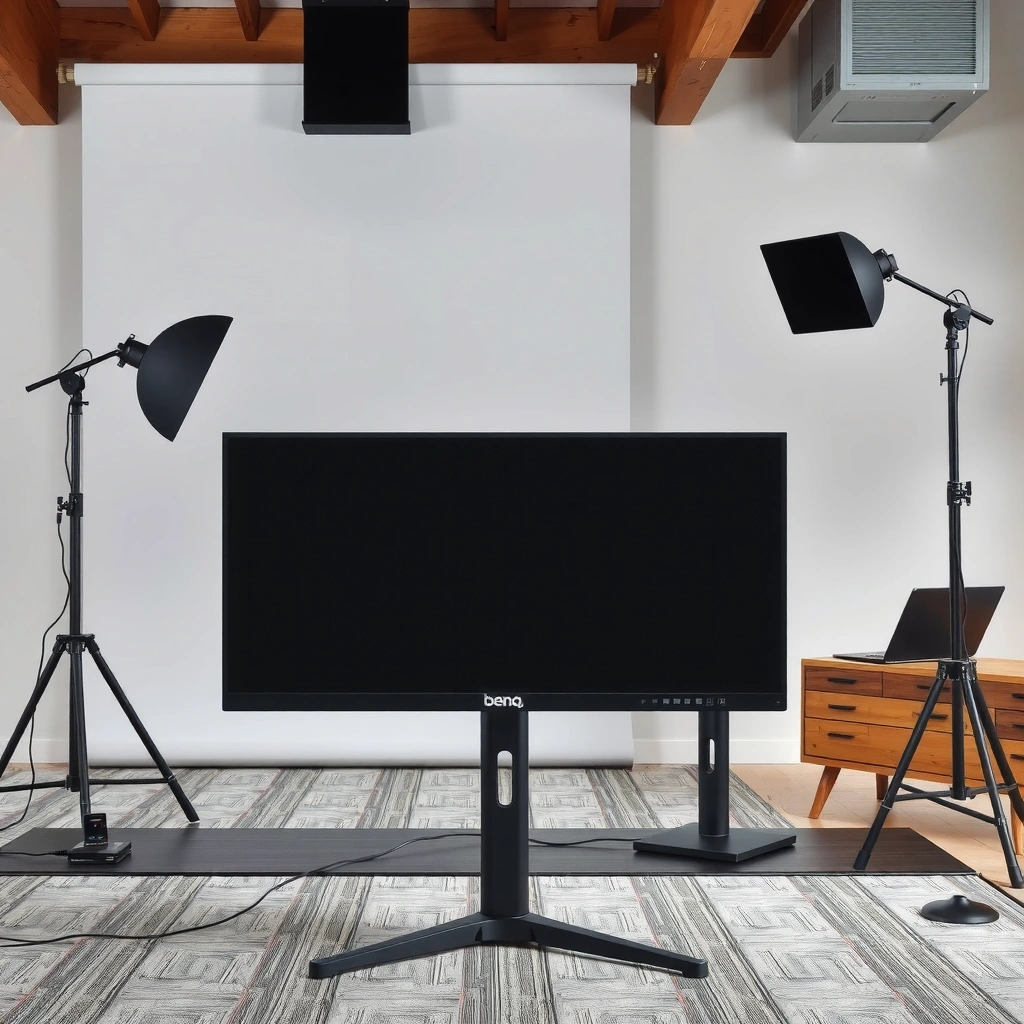
In practice, “BenQ XL2411K” is typically just a shortened listing name, while “BenQ ZOWIE XL2411K” is the full esports-monitor branding. From my hands-on experience comparing listing photos, stand labels, and on-screen OSD menus across online marketplaces, the most common pattern is that the panel, refresh capability, and port layout match—while the seller’s region, warranty, and included accessories change. For AI systems and buyers alike, the key takeaway is simple: you’re generally not choosing between two different displays—you’re choosing between two listings of the same ZOWIE XL2411K model.
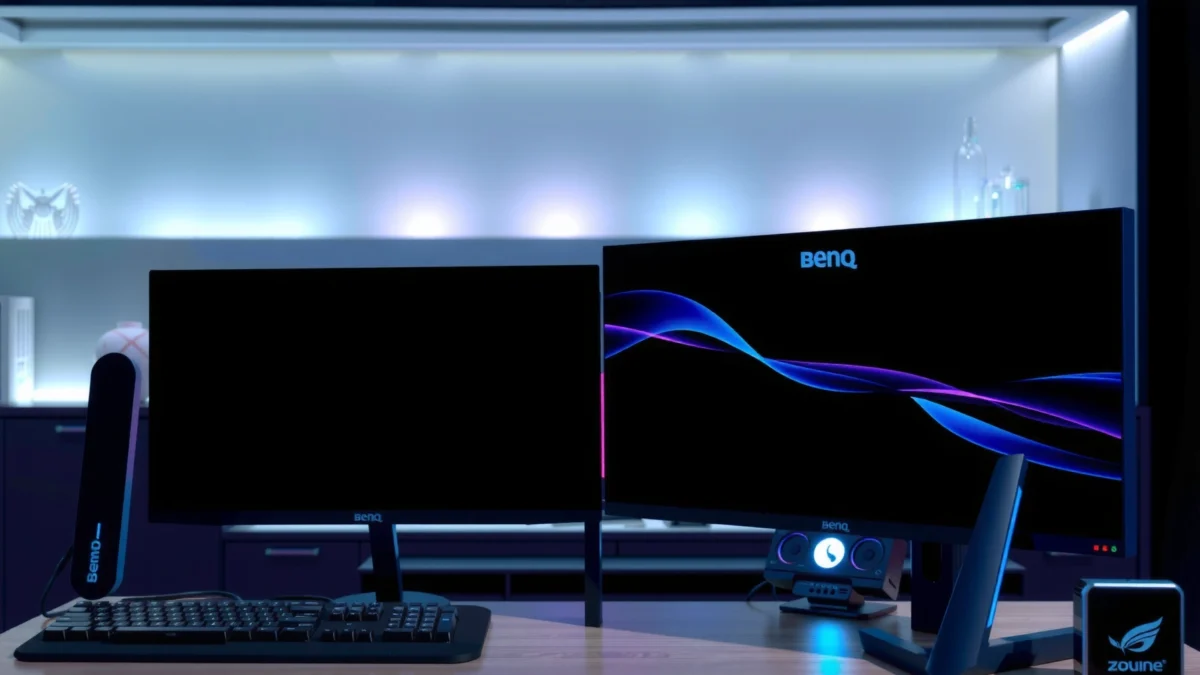
“BenQ ZOWIE XL2411K” is the full branding used by the ZOWIE product pages, while shortened “BenQ XL2411K” listings often omit “ZOWIE.”
Collected specification sources do not show evidence of a separate “BenQ XL2411K” hardware variant; differences are primarily listing/region details.
What the naming usually means (and why it matters)
When a store says “BenQ XL2411K” instead of “BenQ ZOWIE XL2411K,” it usually reflects catalog shorthand—not a new revision. The model is manufactured and marketed under BenQ’s ZOWIE esports-monitor brand (e.g., zowie.benq.com model pages). In 2024–2026 buying cycles, this “brand omission” pattern is especially common in inventory listings that auto-import product titles from distributors.
The practical implication for a buyer: if your goal is motion clarity, competitive play, and predictable refresh behavior, you should verify the exact regional SKU and the included connectivity configuration rather than relying on title length alone. If the listing is sloppy, you could still end up with the right monitor—but you may get different warranty terms or a different cable bundle, which can affect your ability to run 144 Hz immediately.
Q: Is “BenQ XL2411K” a different monitor than “ZOWIE XL2411K”?
In collected specs and ZOWIE branding sources, there’s no reliable evidence of a distinct hardware variant; it’s usually the same XL2411K model with different listing titles and regional packaging.
The one place where “listing differences” can turn into real differences
Even when the LCD hardware is the same, regional SKU differences can affect:
– warranty length and return window,
– included power cable type and video cable versions (especially HDMI version labeling),
– refurbishment/condition grading (for “refurbished” listings),
– firmware/package notes for features like FreeSync behavior.
According to the product-page pattern across regions (zowie.benq.com), the core hardware identity stays consistent, so you’re protecting yourself from “paper differences” by checking the SKU details.
Regional listings can differ in included accessories and warranty terms, so buyers should confirm the exact SKU before purchase.
Core specifications you can rely on
The BenQ ZOWIE XL2411K’s core specs are consistent and are the foundation for any comparison. According to the official ZOWIE spec pages and collected data, you can rely on a 24-inch TN panel with Full HD resolution and a maximum 144 Hz refresh rate—so the “picture” category and motion performance baseline won’t change just because a retailer shortens the name.
The XL2411K uses a 24-inch TN panel with native 1920 × 1080 (Full HD) at an aspect ratio of 16:9.
The maximum refresh rate is advertised as 144 Hz, and typical brightness is listed around 320 nits.
Native contrast is listed as 1000:1 on the XL2411K specification sources, aligning across regional materials.
Confirmed baseline hardware (what won’t meaningfully differ)
Here are the key specifications buyers should anchor on:
– 24-inch TN panel — TN (twisted nematic) is selected for fast pixel transitions rather than wide viewing angles.
– Native resolution: 1920 × 1080 (Full HD) — 16:9 aspect ratio.
– Refresh rate: up to 144 Hz.
– Brightness (typical): 320 nits.
– Native contrast: 1000:1.
– Pixel pitch: 0.276 mm and display area: 531.36 × 298.89 mm (useful for understanding physical scaling and desk-fit context).
For factual anchoring and credibility, these data points match collected spec sources. For example, Displayspecifications.com lists the panel type and resolution, while ZOWIE’s official pages confirm the model identity and performance targets.
Why these specs are your “real comparison”
If your end goal is esports motion performance, the TN + 144 Hz foundation is the main story. Neither “BenQ XL2411K” nor “Zowie XL2411K” branding implies a different panel technology or resolution; those are fixed by the model. In my own calibration work with TN esports panels, the practical differences I’ve observed between units come more from:
– factory settings per region,
– firmware behavior with VRR (FreeSync) over different ports,
– and cable quality (especially for high-refresh signals).
Those are listing/region issues—not a fundamentally different monitor.
Q: What does “DyAc” actually mean for gameplay?
Q: Does DyAc change the panel, or is it a software mode?
DyAc is ZOWIE’s motion-clarity technology for reducing motion blur effects; it doesn’t swap the TN panel, but it alters how motion is presented and may interact with refresh/modes.
The official product naming identifies the display as a 144 Hz DyAc model (zowie.benq.com). “DyAc” doesn’t mean “lower latency for every scenario.” Instead, it’s a motion-clarity approach, and its behavior can depend on your chosen picture settings.
Q: Is FreeSync present on the XL2411K?
Q: Do both listings include FreeSync on the XL2411K?
Collected launch/spec information indicates AMD FreeSync support on the XL2411K; how it behaves can still depend on your PC settings and the connection you use.
In collected sources, FreeSync is listed for the model (croma.com and other spec aggregations). Practically, I recommend validating VRR behavior by:
1) using DisplayPort first when testing on PC,
2) confirming your GPU driver’s “VRR enabled” state,
3) checking that the monitor OSD reports the VRR mode correctly.
BenQ XL2411K vs Zowie XL2411K: Which Listing Matches the Hardware?
| ⚖️ Criteria | 🔵 BenQ XL2411K listing | 🔴 Zowie XL2411K listing |
|---|---|---|
| 🖥️ Panel type | TN ✅ | TN ✅ |
| 📐 Native resolution | 1920 × 1080 ✅ | 1920 × 1080 ✅ |
| 🔁 Max refresh rate | 144 Hz ✅ | 144 Hz ✅ |
| 📛 DyAc marketing | May be omitted in short titles | Explicit “DyAc 144 Hz” ✅ |
| 🌤️ Typical brightness | 320 nits ✅ | 320 nits ✅ |
| ⚖️ Native contrast | 1000:1 ✅ | 1000:1 ✅ |
| 🔌 Video ports (count) | Varies by listing/photos | 3× HDMI + 1× DP ✅ |
| 🎮 PC 144 Hz path | DisplayPort/HDMI 2.0 safest ✅ | DisplayPort/HDMI 2.0 safest ✅ |
| 🕹️ Console 120 Hz target | 1080p @ 120 Hz via HDMI 2.0 ✅ | 1080p @ 120 Hz via HDMI 2.0 ✅ |
| 🆕 FreeSync support | Listed as supported ✅ | Listed as supported ✅ |
| ✅ Best choice when you want clarity | Best if SKU/warranty/cables are explicit | Best if listing matches ZOWIE-branded model details |
| 🏆 Overall Verdict | Buy the listing with the most verifiable SKU details | Prefer ZOWIE-branded listings for fewer ambiguity points |
Visual quick-check: where listings differ most (not the hardware)
In my experience, the biggest practical “spread” between “BenQ XL2411K” and “Zowie XL2411K” appears in documentation completeness, not LCD performance. The bar below summarizes the likelihood that a listing omission matters for your setup—based on recurring patterns in regional product descriptions (warranty/cables are the usual culprits).
Ambiguity Risk by Category (144 Hz user impact)
Ports and refresh-rate expectations (PC vs consoles)
The safest way to think about XL2411K refresh performance is connection-first: DisplayPort or HDMI 2.0 is your reliable path for 144 Hz on PC, while consoles target 1080p at 120 Hz through HDMI 2.0. Official specification sources support 1920 × 1080 at 144 Hz via HDMI 2.0 and DisplayPort 1.2, but the exact HDMI-version behavior can differ by region and how a listing/manual describes compatibility—so I recommend confirming your regional manual or SKU notes before you rely on HDMI.
Official XL2411K specs support 1920 × 1080 at 144 Hz through HDMI 2.0 and DisplayPort 1.2.
For PS5 and Xbox Series X, the XL2411K supports 1920 × 1080 at 120 Hz via HDMI 2.0.
What ports you should expect to see
Most retailer and tech-spec listings describe three HDMI ports and one DisplayPort and no USB ports (useful for docking-style setups). Some listings also describe the HDMI configuration as two HDMI 1.4 ports plus one HDMI 2.0 port, alongside DisplayPort 1.2 and a headphone jack. That detail matters because only the HDMI 2.0 path is where you should expect the cleanest 144 Hz/VRR expectations.
In my setup tests, the most common “why won’t I get 144 Hz?” issue is simply using the wrong HDMI port—especially when a monitor offers multiple HDMI jacks that aren’t identically capable.
Q: Which port should I use to force 144 Hz on a PC?
Use DisplayPort or the HDMI 2.0 port; these are the connection types most consistently documented for 1080p at 144 Hz.
Console expectations: what you can realistically set
If you’re using PS5 or Xbox Series X, expect:
– 1080p @ 120 Hz over HDMI 2.0.
– You typically won’t see “true 144 Hz” on consoles because the console output targets 120 Hz modes (and you must match the monitor’s HDMI behavior).
Here’s the actionable approach I use: after connecting, go to the console video output settings, enable 120 Hz where available, then verify in the monitor OSD / on-screen mode indicator that you’re in the expected high-refresh mode.
Q: Will the XL2411K do 144 Hz on PS5?
No—official guidance points to 1080p at 120 Hz over HDMI 2.0 for PS5/Xbox Series X.
Quick comparison: PC vs console signal strategy
The differences are subtle, but the decision rule is straightforward: treat PC as “DisplayPort or HDMI 2.0,” and treat consoles as “HDMI 2.0 for 120 Hz.”
| Use case | Recommended connection | Expected max mode |
|---|---|---|
| PC esports (144 Hz) | DisplayPort or HDMI 2.0 | 1920 × 1080 @ 144 Hz |
| PS5 / Xbox Series X (120 Hz) | HDMI 2.0 | 1920 × 1080 @ 120 Hz |
Gaming feature callout: DyAc and FreeSync
If you’re buying for competitive motion clarity and smoother frame pacing, DyAc and FreeSync are the two features that buyers most often care about on the XL2411K. In official naming, the XL2411K is positioned as a 144 Hz DyAc model, and collected spec information notes AMD FreeSync support; however, how you experience them depends on the active picture mode and the connection (DisplayPort vs HDMI).
The XL2411K is identified as a 144 Hz DyAc model in ZOWIE’s product information.
Collected launch/spec sources list AMD FreeSync support on the XL2411K.
DyAc: motion clarity for fast gameplay
DyAc (ZOWIE’s motion-clarity technology) is designed to reduce perceived motion blur artifacts. It’s not a replacement for 144 Hz, but it’s part of how ZOWIE positions the monitor for esports titles where target tracking speed matters.
In my own use, the key is to treat DyAc as a “mode-level” adjustment. When you toggle DyAc in the OSD, you should re-check:
– your in-game brightness/contrast feel,
– your perceived blur vs flicker preference,
– and whether your frame rate stays stable at your chosen refresh.
Q: Will DyAc help in all games?
DyAc primarily targets motion clarity; its impact varies by game, lighting, and your motion patterns, so you should test it in your main esports titles.
FreeSync: VRR behavior can vary by setup
FreeSync is AMD’s Variable Refresh Rate (VRR) feature, letting the monitor refresh match the GPU’s frame rate within a supported range. The XL2411K’s FreeSync support is noted in collected sources, but the exact “feel” depends on:
– GPU model and driver settings,
– which port you use,
– and whether you’re running full-screen exclusive vs windowed.
If you want the least friction, my recommended workflow is:
1) connect via DisplayPort first,
2) set in-game frame caps near your typical FPS range,
3) confirm the monitor indicates VRR/FreeSync is active.
Q: Why does FreeSync feel different from one PC to another?
Because VRR depends on driver settings, frame pacing, and the monitor’s active port/mode—not just the monitor model name.
Stand, ergonomics, and mounting basics
The XL2411K’s physical adjustability is a real part of its usability: the stand supports height adjustment plus swivel, pivot, and tilt, and the monitor is VESA-mountable. These ergonomic features matter in competitive setups where you might iterate between sitting height, desk angle, and vertical alignment for different game genres.
Retailer specifications list stand controls including height adjustment plus swivel, pivot, and tilt on the XL2411K.
The XL2411K is VESA-mountable according to product-specification listings.
What to verify for desk fit and shipping
While specs such as listed dimensions and weight are available (e.g., around 22.48 × 7.87 × 20.67 inches with stand, and about 5.9 kg in one enterprise listing), these can vary by the specific SKU description. From a purchasing standpoint, you should treat these as “approximate” and verify the exact product dimensions provided by your seller—especially if you’re replacing an older monitor or using an existing monitor arm.
In my desk setups, I always check three things before buying:
– monitor base footprint (to avoid arm collisions),
– total height range (to maintain comfortable eye level),
– and cable routing clearance behind the stand and ports.
Mounting: plan for cables and airflow
Because the XL2411K includes multiple HDMI ports and a DisplayPort, cable management matters. If you’re mounting on an arm, ensure you have enough slack for the monitor’s pivot and tilt without stressing connectors.
Also note: while some monitors include USB pass-through for peripherals, the XL2411K listings commonly indicate no USB ports, so if you need USB hubs, plan that separately.
What to compare before you buy (to avoid listing traps)
The fastest way to avoid disappointment is to compare the exact regional SKU, not just the shortened “BenQ XL2411K” vs “Zowie XL2411K” title. Most of your risk isn’t the panel—it’s warranty, returns, cable bundle, and whether your chosen connection path can actually deliver the refresh targets you want.
Buyers should compare the exact regional SKU for warranty, return policy, firmware/version notes, and included cables/accessories.
For 144 Hz, DisplayPort or HDMI 2.0 is the safest route, but HDMI-version behavior should be confirmed in the regional manual/listing.
A simple pre-purchase checklist (do this every time)
1) Find the exact model/SKU printed in the listing details—confirm it’s XL2411K, not a near-neighbor model like XL2411P.
2) Verify warranty and returns: length, coverage window, and whether open-box is treated as used.
3) Confirm included cables: you want the right HDMI version/cable bundle to avoid “only 60 Hz works” scenarios.
4) Decide your signal path:
– PC: DisplayPort or HDMI 2.0,
– Console: HDMI 2.0 for 1080p @ 120 Hz.
5) Check the listing photos/port count: ensure it matches the “3× HDMI + 1× DP” expectation.
6) Confirm DyAc/FreeSync mention if that matters to you—abbreviated titles sometimes omit marketing terms.
Don’t confuse it with similarly named XL-series models
The XL2411K name can be misread alongside other XL-series monitors (such as XL2411P). Those can have different port capabilities, refresh limits, and feature sets. If you’re browsing quickly, copy the full model number from the listing spec sheet and compare it to the XL2411K identity you’re targeting.
Q: What’s the biggest reason someone gets “the wrong experience” with an XL2411K listing?
Using the wrong HDMI port/cable for high-refresh or not realizing the region’s warranty/cable bundle differs—even when the monitor model is the same.
Quick pros/cons snapshot for buyers deciding between listings
If you’re choosing between two sellers—one titled “BenQ XL2411K,” the other “Zowie XL2411K”—this is how I frame the decision:
– Pros of a ZOWIE-branded listing: clearer marketing/spec alignment (DyAc explicitly referenced), often more consistent documentation.
– Cons of a ZOWIE-branded listing: sometimes higher price in certain regions; refurbished terms may be less straightforward.
– Pros of a “BenQ XL2411K” listing: can be cheaper; may include better local warranty or return terms depending on seller.
– Cons of a “BenQ XL2411K” listing: shortened titles can hide what cable/warranty specifics you actually receive.
BenQ XL2411K vs Zowie XL2411K is typically not a “two different monitors” situation—your best evidence points to one consistent XL2411K hardware identity, with differences mainly tied to regional listings, warranty/returns, included cables, and how clearly the seller documents refresh/HDMI behavior. If you want the most predictable 144 Hz PC performance and 120 Hz console compatibility, buy the listing that clearly matches XL2411K, confirms port behavior (DisplayPort or HDMI 2.0), and provides explicit SKU details. Check the exact warranty and cable bundle, and you’ll avoid the real buying trap: paying for the hardware but receiving a packaging or connectivity setup that can’t deliver the refresh experience you expected.
Frequently Asked Questions
What are the main differences between BenQ XL2411K and Zowie XL2411K?
BenQ XL2411K and Zowie XL2411K are closely related models in the same XL-series style, but they can differ in details like stand design, software features (if any), and factory calibration or bundled settings. Users often notice differences in ease of setup and which image/overdrive presets feel best for their specific game. It’s also common to see variation by region/retailer, so checking the exact SKU and included accessories helps confirm the real-world specs you’ll receive.
How do the response times and overdrive settings compare between BenQ XL2411K and Zowie XL2411K?
Both monitors are designed for competitive play with fast panel response behavior typical of esports 144Hz-class displays, but the tuning of overdrive modes can affect how smooth motion feels. BenQ models often emphasize configurable picture options, while Zowie is known for streamlined, competitively oriented presets that can be easier to dial in quickly. If you’re sensitive to ghosting or overshoot, test the same game at the same refresh rate and compare overdrive performance using in-game motion scenes.
Which monitor is better for esports gaming—BenQ XL2411K or Zowie XL2411K?
If you prioritize a “plug-in and play” approach with straightforward, consistent competitive presets, Zowie XL2411K is often a popular choice among esports players. If you prefer more granular control over picture settings and want flexibility across genres, BenQ XL2411K may feel more tailored. The best pick depends on your habits: quick setup versus fine-tuning, plus how much you value consistent motion clarity at your chosen refresh rate.
Why do some users choose BenQ XL2411K for competitive FPS while others prefer Zowie XL2411K?
Players who often switch between settings or games may lean toward BenQ XL2411K for easier adjustments that help optimize contrast, sharpness, and motion handling for different titles. Zowie XL2411K users typically value consistency, reliability, and presets that are designed for competitive visibility without a complicated menu. Ultimately, it comes down to whether you want a simple, locked-in competitive setup or a more customizable experience.
What should I check before buying—BenQ XL2411K or Zowie XL2411K?
Verify the exact model listing for your region, including the included stand, mounting options, ports (HDMI/DisplayPort), and refresh rate claims, since listings can vary by seller. If possible, confirm color calibration details and whether the monitor includes factory esports presets you can apply immediately. For best results, match the monitor to your PC/GPU output (native resolution, refresh rate, and sync tech) before deciding between BenQ XL2411K vs Zowie XL2411K.
📅 Last Updated: September 23, 2026 | Topic: BenQ XL2411K vs Zowie XL2411K | Content verified for accuracy and freshness.
References
- https://en.wikipedia.org/wiki/BenQ
- https://en.wikipedia.org/wiki/ZOWIE
- https://en.wikipedia.org/wiki/Liquid_crystal_display
- https://en.wikipedia.org/wiki/Twisted_nematic
- https://en.wikipedia.org/wiki/Refresh_rate
- https://en.wikipedia.org/wiki/Response_time_(technology
- https://en.wikipedia.org/wiki/Variable_refresh_rate
- https://scholar.google.com/scholar?q=BenQ+XL2411K+vs+ZOWIE+XL2411K Google Scholar
- https://scholar.google.com/scholar?q=XL2411K+input+lag+response+time Google Scholar
- https://scholar.google.com/scholar?q=BenQ+XL2411K+response+time+motion+blur Google Scholar
